Information
Landmark: Royal Palace of CasablancaCity: Casablanca
Country: Morocco
Continent: Africa
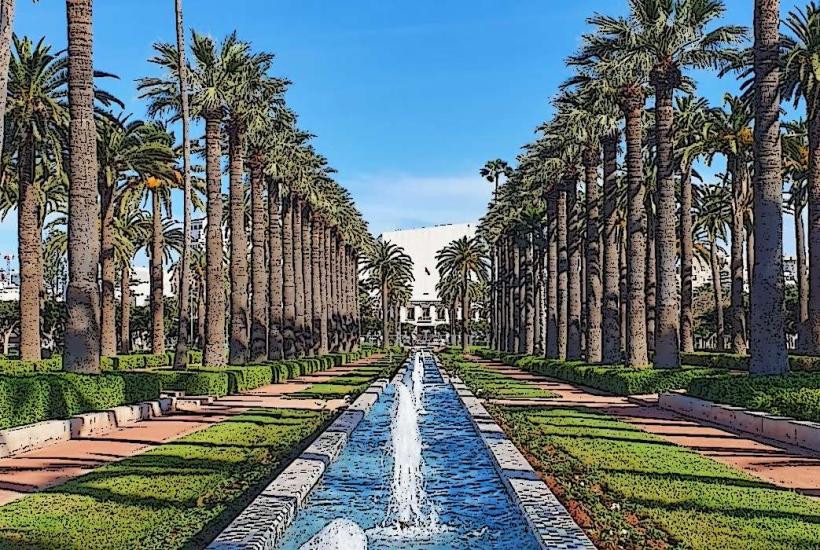
Royal Palace of Casablanca, Casablanca, Morocco, Africa
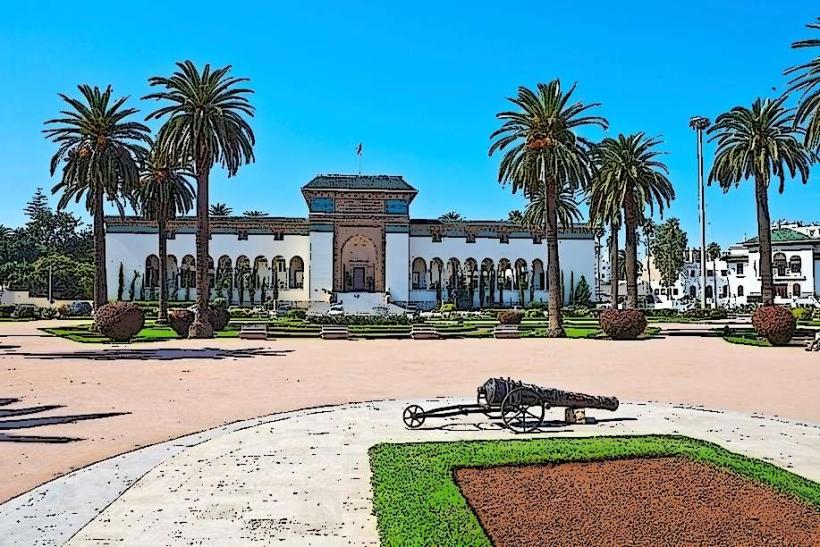
The Royal Palace of Casablanca is one of the principal royal residences of the Moroccan monarchy. Though it is not as frequently visited or photographed as the Royal Palaces in Rabat or Fes, it holds significant importance as both a working residence and a ceremonial site for state functions in Morocco’s economic capital.
Overview and Purpose
The Royal Palace of Casablanca, known locally as Dar al-Makhzen, is not open to the public, which makes it less well-known among tourists. However, it plays a central role in official state affairs. It serves as a location for royal receptions, diplomatic meetings, and national ceremonies when the monarch is in Casablanca.
While King Mohammed VI primarily resides in Rabat and occasionally in other royal palaces across Morocco, the Casablanca palace remains an active and secure royal facility, symbolizing the monarchy’s presence in the country’s most populous and commercially vibrant city.
Location
The palace is located in the Habbous Quarter (also known as the New Medina) in the southern part of central Casablanca. The Habbous area was developed during the French Protectorate in the 1920s and 1930s to accommodate growing populations and combine traditional Moroccan urban planning with colonial infrastructure.
The palace’s location within the Habbous is notable because it aligns the monarchy with both Casablanca’s traditional culture and its modern administrative growth. The palace complex is separated from surrounding streets by high walls, tight security, and heavily guarded entrances.
Architectural Style
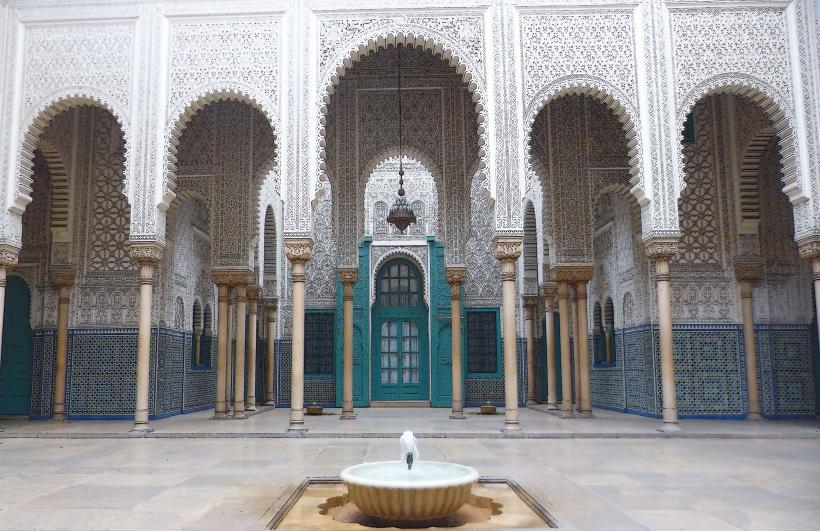
Like most royal palaces in Morocco, the Royal Palace of Casablanca blends traditional Moroccan Islamic architecture with modern functionality. Though detailed access is restricted, based on the architectural styles of similar royal complexes, the palace likely includes:
Large ceremonial courtyards paved with marble or stone
Moorish arches, zellige tilework, and carved plasterwork
Intricate wooden ceilings with painted or gilded decoration
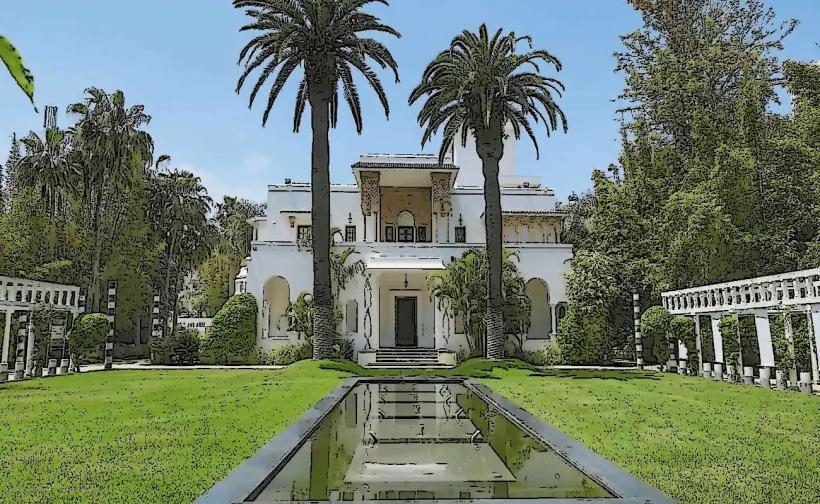
Gardens and water features reflecting Andalusian and Islamic influences
Ornate gates and entryways with traditional calligraphy and symbolic motifs
Reception halls and administrative offices for royal staff and guests
The layout of the palace, like others of its kind, typically includes private royal quarters, areas for receiving guests, administrative offices, prayer rooms, and possibly even a small mosque within the complex.
Ceremonial and Political Role
Though not open to tourists, the Royal Palace of Casablanca is often used for:
Royal audiences with political and religious figures
Welcoming foreign dignitaries
Hosting important national celebrations
Religious events, especially during Ramadan or Eid
When these events take place, footage is sometimes broadcast nationally, showing limited views of the palace’s grand entrances, courtyards, or throne rooms.
Surrounding Area – Habbous Quarter
The Habbous Quarter surrounding the palace complements its traditional Moroccan aesthetic. The neighborhood was designed in a neo-traditional style during the French Protectorate to provide housing and commercial space while respecting Moroccan architecture. It includes:
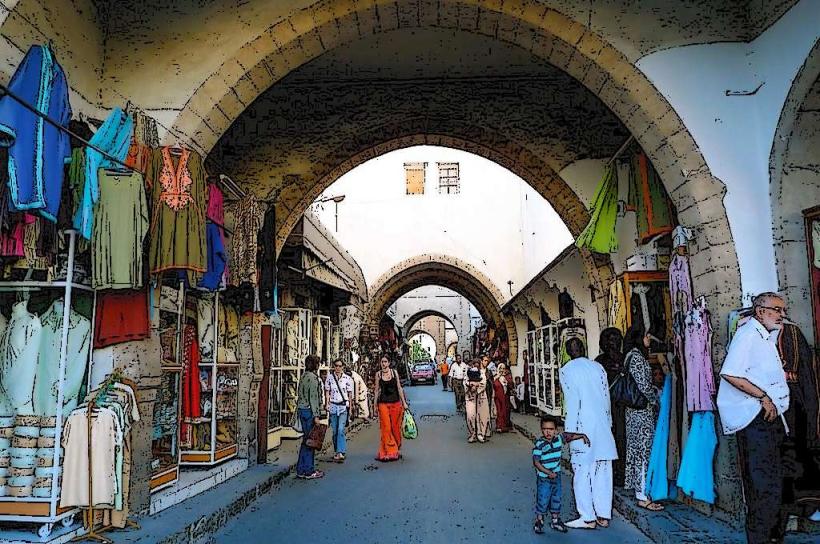
Traditional Moroccan shops and bookstores
A beautiful mosque: Mosquée Mohammed V
Government offices and cultural institutions
Tree-lined squares and public fountains
The proximity of the Royal Palace to this culturally rich quarter reinforces the connection between the monarchy and the urban fabric of Casablanca.
Security and Privacy
Like all royal residences in Morocco, the Royal Palace in Casablanca is highly secured. Armed guards, police, and security checkpoints surround the area. Access is restricted to authorized personnel, guests with invitations, and official visitors. Photography near the palace is often discouraged, and loitering around its gates may attract police attention.
Symbolism and National Identity
The presence of a Royal Palace in Casablanca reflects the monarchy's deep integration into all regions of Morocco, not just the administrative capital. It symbolizes:
Unity of the Kingdom, with the monarch maintaining a presence across major cities
Cultural continuity, showcasing traditional Moroccan architecture amid urban modernization
State authority, as the palace hosts official acts of government and diplomacy
Conclusion
While not a tourist destination, the Royal Palace of Casablanca is a vital part of Morocco’s political and ceremonial infrastructure. Nestled within the historically rich Habbous Quarter, it exemplifies the Moroccan royal tradition-secluded, dignified, and richly symbolic. Though its doors remain closed to the public, its significance as a royal and national institution is deeply felt in the life of the city and the identity of the country.