Information
Landmark: Santa Apollonia di MezzarattaCity: Bologna
Country: Italy
Continent: Europe
Santa Apollonia di Mezzaratta, Bologna, Italy, Europe
Santa Apollonia di Mezzaratta is a 12th-century deconsecrated church and former hospital complex situated on the Mezzaratta hillside overlooking the southern district of Bologna. Historically, it served as a spiritual and medical refuge for pilgrims traveling along the trans-Apennine routes and for individuals sentenced to capital punishment.
Visual Characteristics
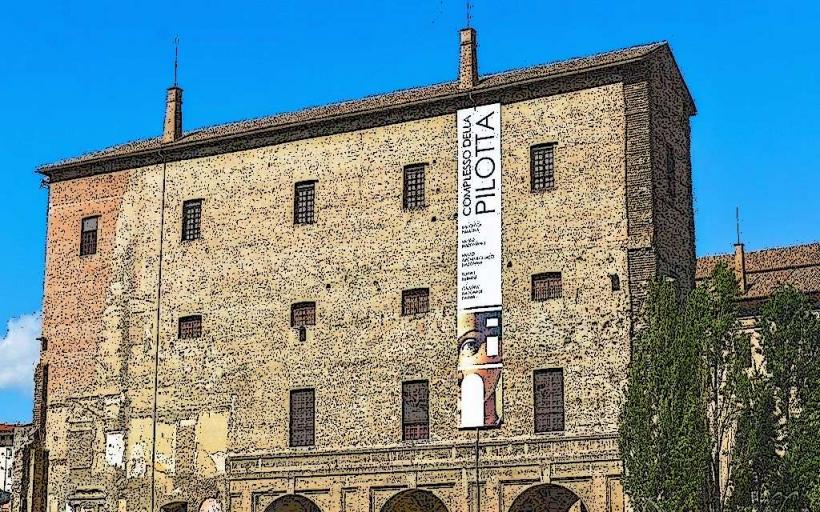
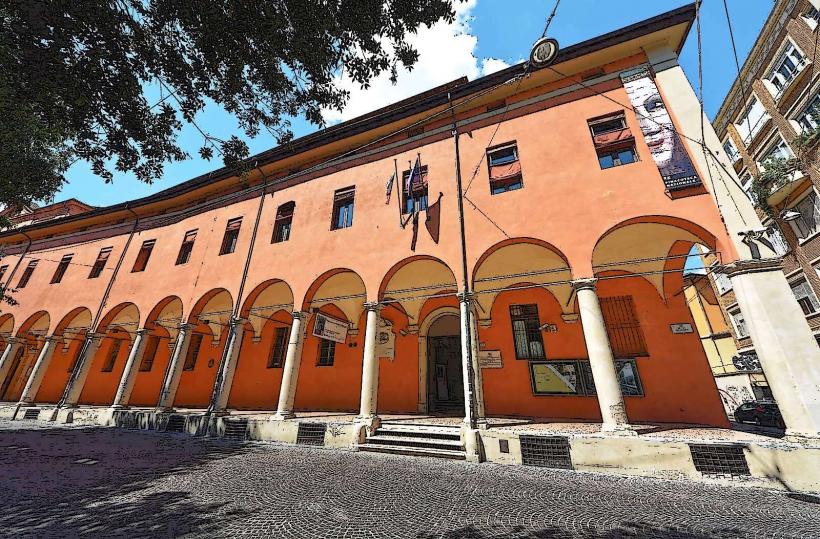
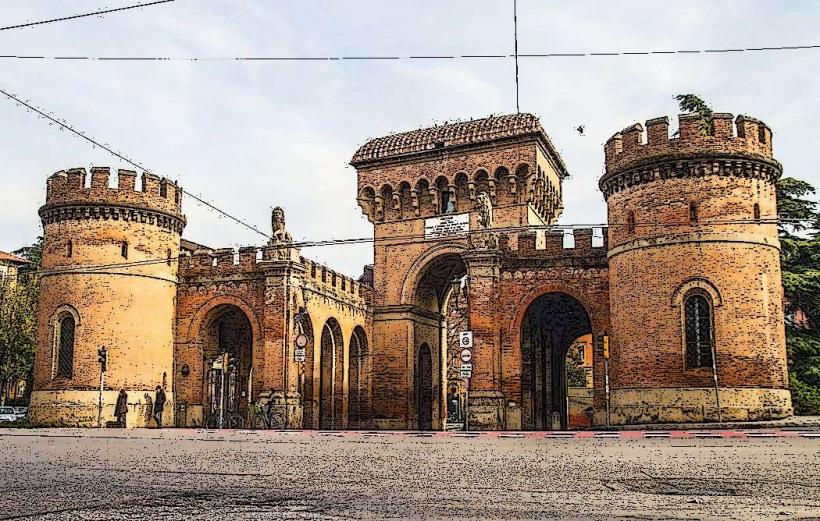
The structure is a rectangular brick building reflecting the transition from Romanesque to Gothic architectural styles. Its exterior is characterized by a simple gabled facade, narrow arched windows, and a lack of decorative ornamentation, consistent with the functional requirements of a medieval hospice. The interior consists of a single nave that originally housed one of the most significant cycles of 14th-century Bolognese painting.
Location & Access Logistics
The landmark is located at Via Mezzaratta 1, approximately 2.5 kilometers south of Bologna's city center. Access is via the Porta San Mamolo gateway, followed by a steep ascent on foot or by using the local bus line 52. Parking is extremely limited due to the narrow, winding nature of the hillside roads; pedestrian access is the most reliable method for reaching the site.
Historical & Ecological Origin
The foundation dates back to 1189, with major expansions occurring in the late 13th and 14th centuries under the Confraternity of the Disciplinati. It was strategically positioned on a limestone ridge to provide vantage points and security. The church attained artistic significance when it was decorated by masters of the Bolognese School, including Vitale da Bologna, Simone dei Crocifissi, and Jacopo di Paolo.
Key Highlights & Activities
As the building is currently deconsecrated and serves as a center for professional training and private events, public entry is restricted. The primary cultural activity associated with the site is visiting the National Pinacoteca of Bologna to view the detached fresco cycles originally housed here. Architectural observation of the exterior and hiking the surrounding hills are the only available on-site activities.
Infrastructure & Amenities
Infrastructure at the landmark is non-existent for the general public. There are no restrooms, cafes, or visitor information kiosks. 5G cellular coverage is available throughout the hillside area. The site lacks public shade structures, though the surrounding residential vegetation provides intermittent cover along the access road.
Best Time to Visit
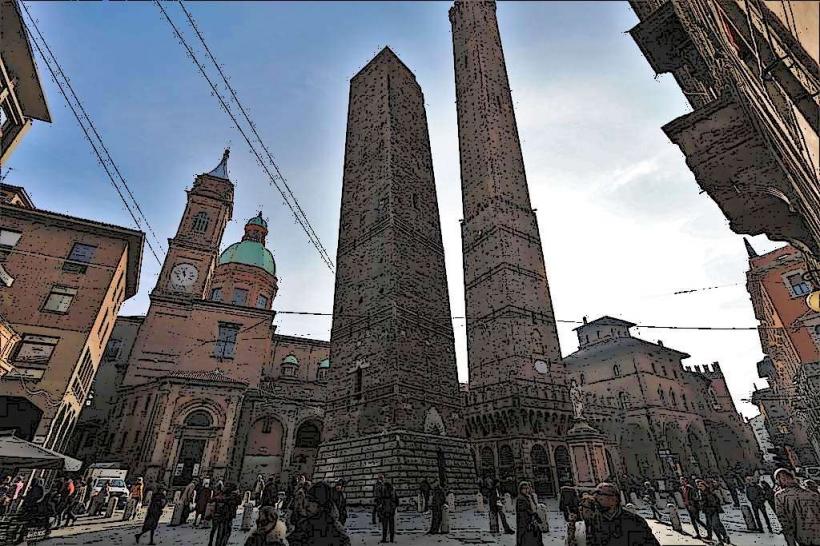
The exterior is best viewed in the late afternoon for optimal lighting on the brickwork and views of the city below. The most suitable months are May, June, and September when temperatures are mild for the uphill climb. Photography is restricted to the exterior and the panoramic vistas of Bologna's towers visible from the road.
Facts & Legends
The church is historically linked to the "Confraternita del Buon Gesù," a group that comforted those condemned to death. A technical fact of the building's legacy is the 1949 "stacco" (detachment) of its frescoes; this was one of the largest mural salvage operations in Italy, revealing the rare red-earth under-drawings known as sinopie that are now essential to the study of medieval art history.
Nearby Landmarks
Bagni di Mario (Valverde Cistern): 0.4km North
Villa Aldini: 0.5km West
Porta San Mamolo: 0.6km North
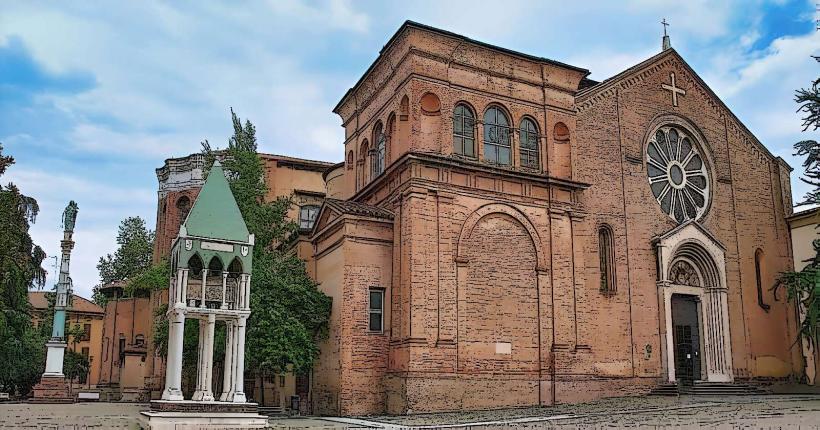
Basilica of San Domenico: 1.8km North
Church of San Michele in Bosco: 1.2km East