Information
Landmark: Universita di BolognaCity: Bologna
Country: Italy
Continent: Europe
Universita di Bologna, Bologna, Italy, Europe
The University of Bologna (Alma Mater Studiorum) is the oldest university in continuous operation in the Western world, founded in 1088. It is a multi-campus institution that defines the urban, social, and cultural fabric of the city.
Visual Characteristics
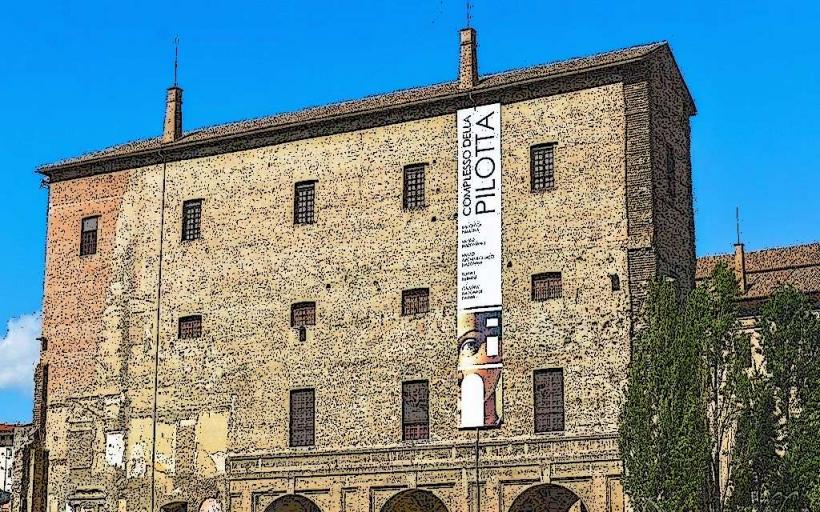
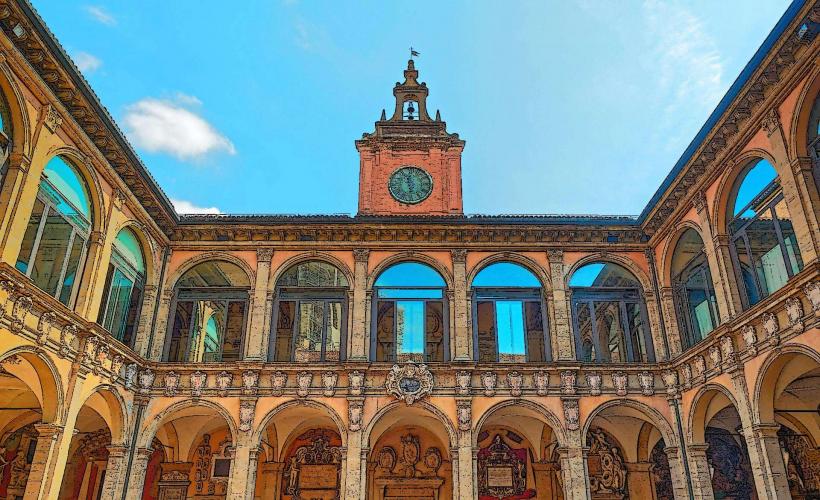
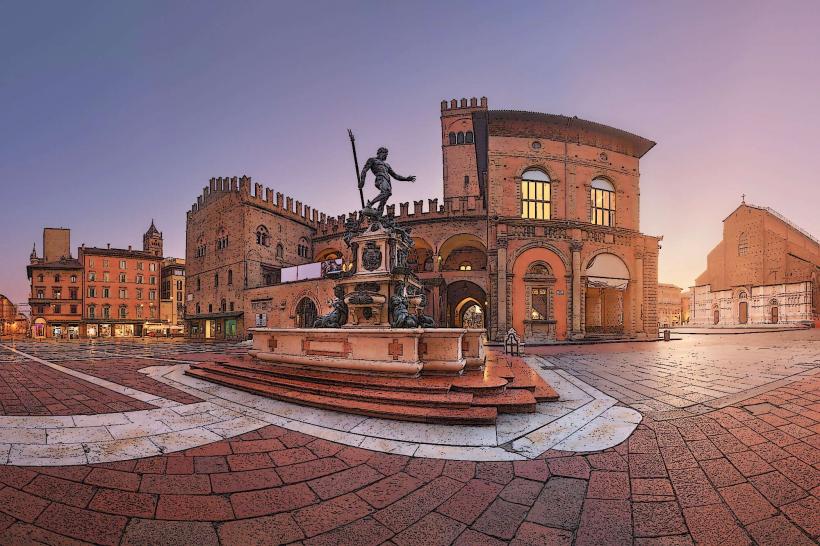
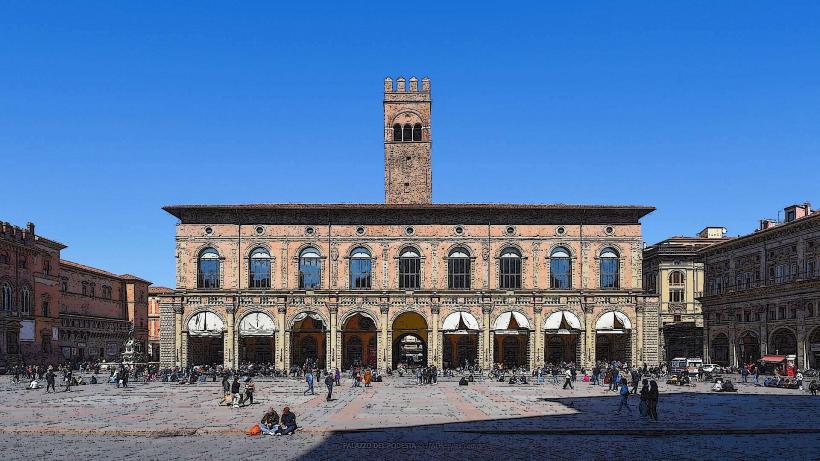
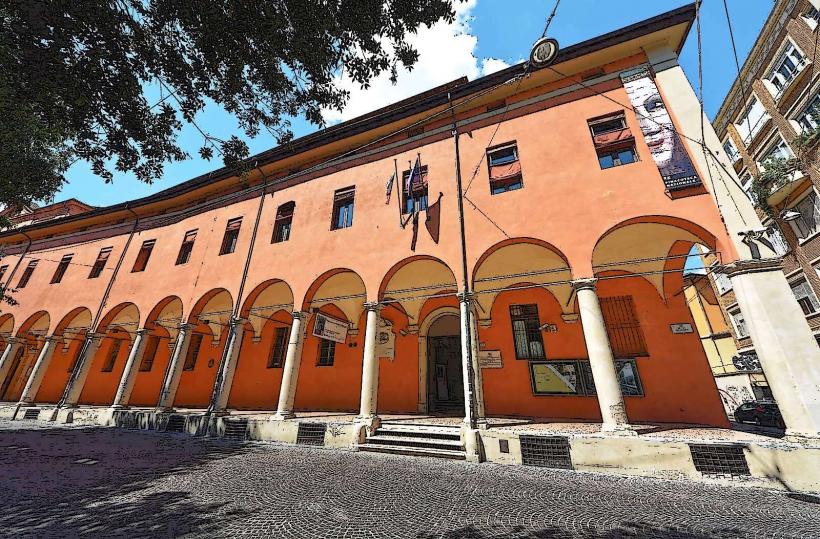
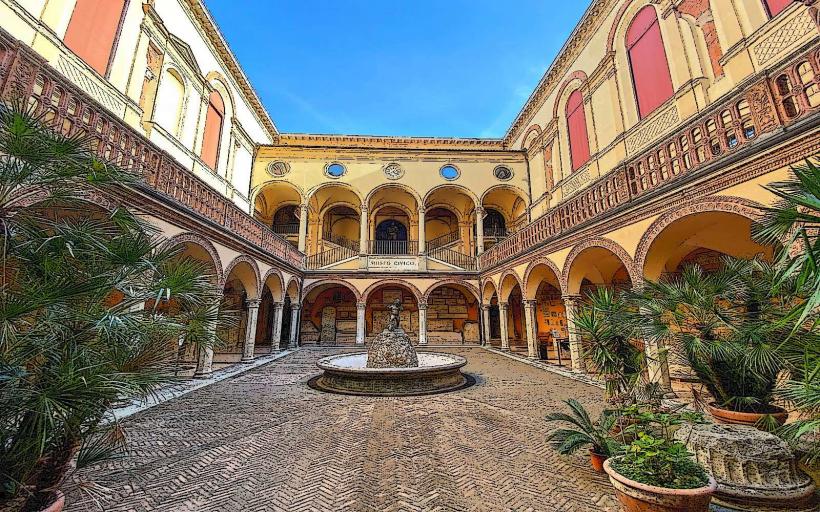
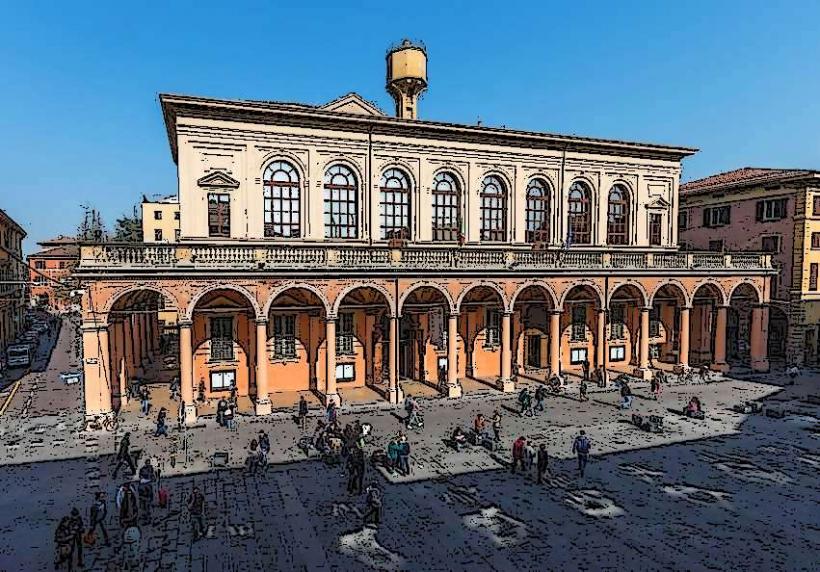
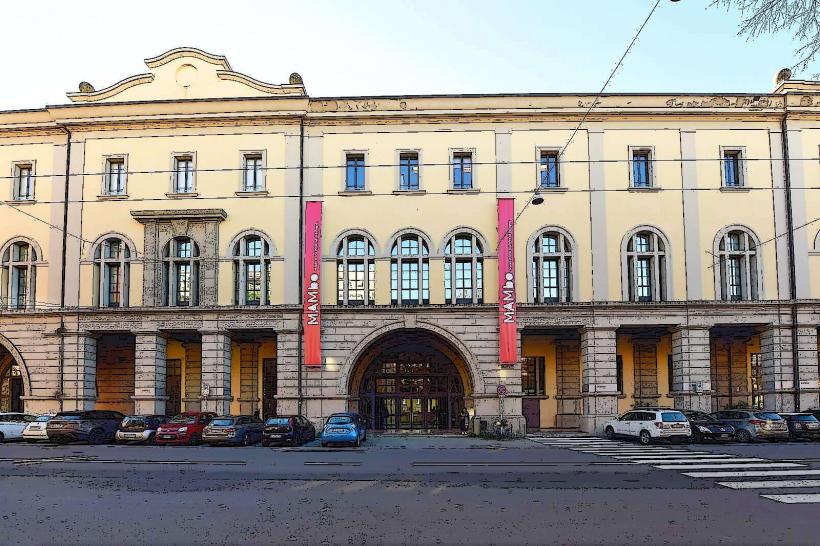
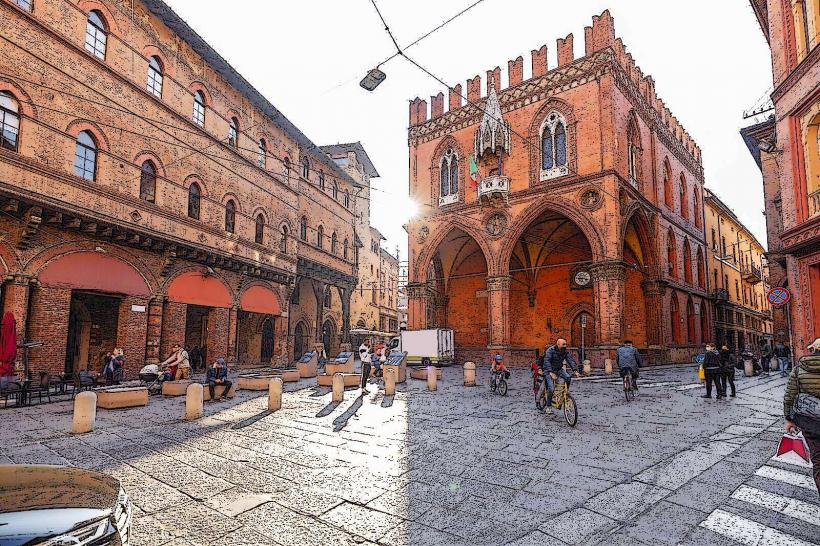
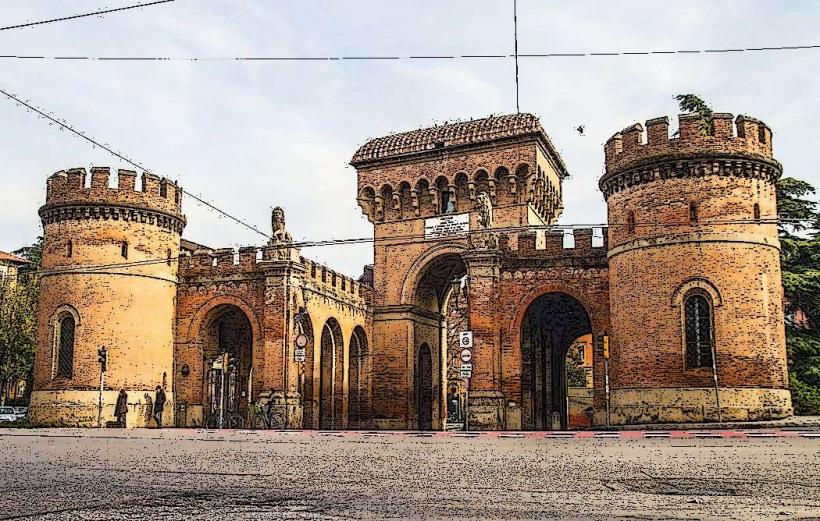
The university is not a single walled campus but a collection of historical palaces and modern facilities integrated into the city center. Key structures include Palazzo Poggi, featuring Renaissance brickwork and vaulted porticos, and the Archiginnasio. The architecture is characterized by "University Red" terracotta, frescoes, and monumental libraries with high-arched ceilings and dark wood shelving.
Location & Access Logistics
The administrative heart and many humanities departments are located along Via Zamboni. From Bologna Centrale station, it is a 1.2-kilometer walk Southeast. Bus lines 14, 20, 25, and 27 serve the "Zamboni" and "Porta San Donato" stops. The core campus area is within the ZTL (Limited Traffic Zone); the nearest major parking is at Piazza VIII Agosto, 0.7 kilometers West.
Historical & Ecological Origin
Founded as a "universitas scholarium" (a guild of students), it initially specialized in civil and canon law. It was the first institution to use the term universitas and the first to grant degrees. The university evolved within the city's medieval walls, utilizing local clay-fired brick and sandstone for its expansion during the Renaissance and Enlightenment periods.
Key Highlights & Activities
Visitors can tour the Palazzo Poggi Museum, which contains 18th-century scientific collections and anatomical wax models. The university district on Via Zamboni is a hub of student life, featuring street art, bookstores, and political activity. The Botanical Garden (Orto Botanico), founded in 1568, offers 2 hectares of exotic and medicinal plants in the city center.
Infrastructure & Amenities
University buildings are equipped with Wi-Fi (AlmaWifi for students/staff, Iperbole for visitors). Modernized lecture halls coexist with medieval libraries. Public restrooms and student cafeterias (mense) are distributed across the district. 5G cellular signal is consistent throughout the urban campus. Numerous student-priced eateries are concentrated on Via Zamboni and Via delle Belle Arti.
Best Time to Visit
The district is most active during the academic semesters (September–June). Weekdays are best for experiencing the student atmosphere and visiting university museums. The Botanical Garden is best viewed in late spring (May–June). Graduation days are particularly lively, as graduates wear laurel wreaths and participate in public celebrations in the streets.
Facts & Legends
The University of Bologna was the first to employ women as professors, such as Bettisia Gozzadini in the 13th century and Laura Bassi (the first woman in the world to earn a university chair in science) in the 18th century. Its motto, Alma Mater Studiorum, translates to "Nourishing Mother of Studies."
Nearby Landmarks
Pinacoteca Nazionale di Bologna: 0.1km North
Teatro Comunale di Bologna: 0.2km West
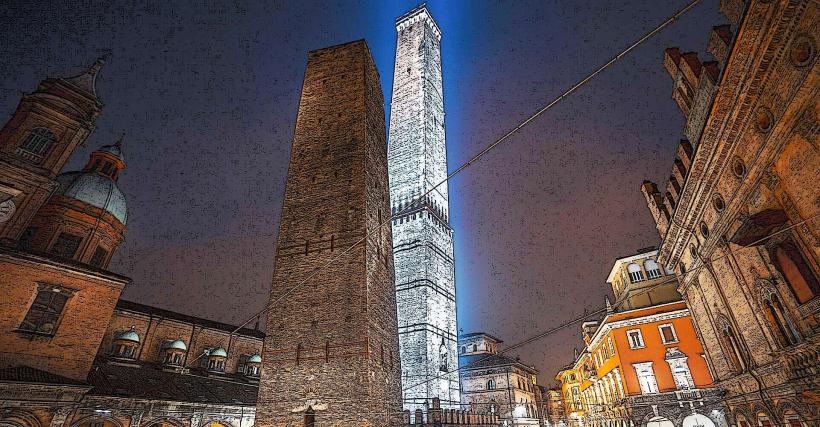
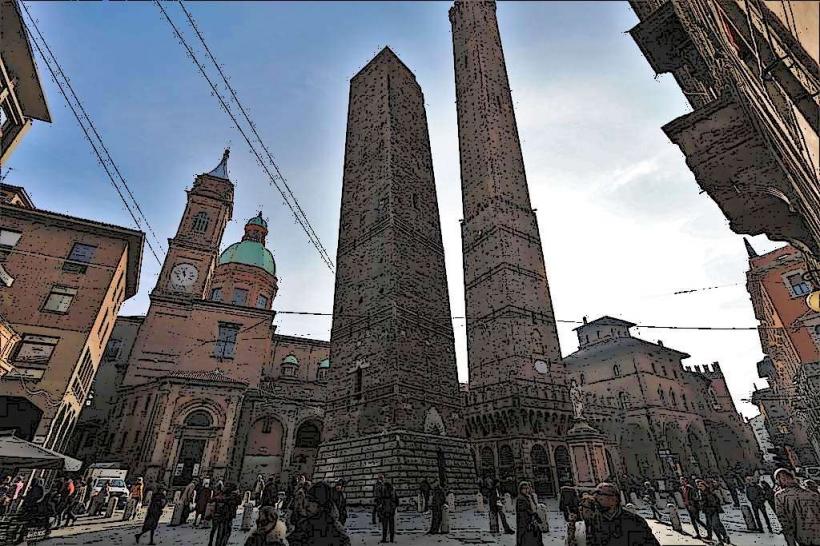
Two Towers (Le Due Torri): 0.5km Southwest
Archiginnasio of Bologna: 0.9km Southwest
Piazza Verdi: 0.1km West