Information
Landmark: Teatro Comunale di BolognaCity: Bologna
Country: Italy
Continent: Europe
Teatro Comunale di Bologna, Bologna, Italy, Europe
The Teatro Comunale di Bologna is a premier opera house located in the university district. Opened in 1763, it was the first major opera house built with public funds and remains a central institution for lyric opera and symphonic music in Italy.
Visual Characteristics
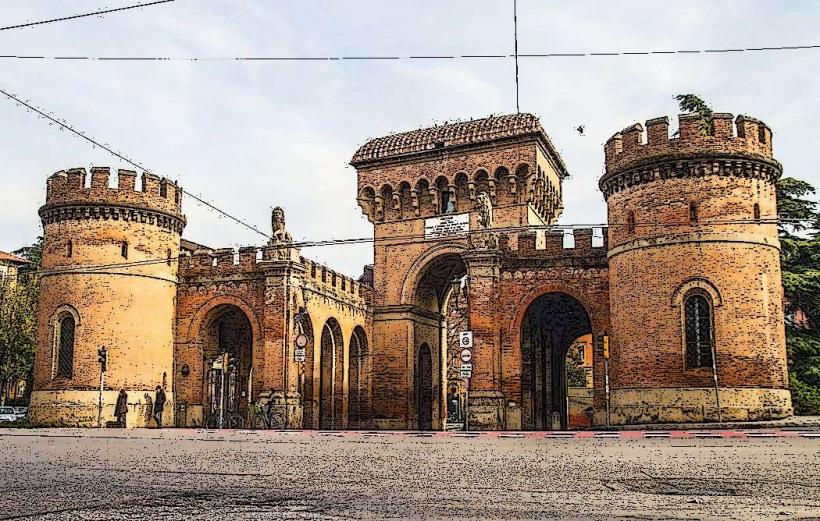
The theater features a classic bell-shaped (bell-curved) auditorium designed for optimal acoustics. The interior is decorated with ornate stucco, gold leaf, and velvet seating across several tiers of boxes. The exterior is characterized by a massive brick and stone portico with high arches. A distinct architectural feature is the unfinished upper facade, which reveals the raw brickwork typical of many Bolognese monumental buildings.
Location & Access Logistics
Located at Largo Respighi, 1, the theater is 1.2 kilometers Southeast of Bologna Centrale station. It is accessible via a 15-minute walk along Via dell'Indipendenza and Via Zamboni. Bus lines 14, 19, 20, and 25 stop at the "Teatro Comunale" or "Piazza Verdi" stops. The site is in the heart of the University ZTL (Limited Traffic Zone); the nearest public parking is Parcheggio Piazza VIII Agosto, 0.6 kilometers West.
Historical & Ecological Origin
The theater was designed by the renowned architect Antonio Galli Bibiena following a fire that destroyed the previous wooden theater on the site. Construction utilized local clay-fired brick and timber. It gained international fame in the 19th century as the "Wagnerian" theater of Italy, being the first in the country to stage several of Richard Wagner’s major operas.
Key Highlights & Activities
The primary activity is attending live opera, ballet, and symphonic performances. Guided tours are available, providing access to the "Sottopalco" (under-stage area) and the technical machinery used to move scenery. Visitors can observe the Bibiena-designed ceiling and the royal box. The foyer often hosts smaller exhibitions or introductory lectures before performances.
Infrastructure & Amenities
The facility includes a ticket office, a coat check, and several bars/cafes active during intermissions. It is fully equipped with 5G cellular coverage, though signal usage is prohibited during performances. The building is climate-controlled for audience comfort. Numerous student-oriented cafes and high-end restaurants are located immediately outside in Piazza Verdi and Via Zamboni.
Best Time to Visit
Performance seasons typically run from January to December, with a break in the height of summer. Guided tours are best booked during weekday mornings when rehearsals are not in progress. The exterior and the surrounding Piazza Verdi are most vibrant in the late evening when the student population and theater-goers converge.
Facts & Legends
The theater's acoustics are so sensitive that a whisper on stage can be heard clearly in the furthest boxes of the fourth tier. A specific tip: the "terrazza" or top gallery offers lower-priced tickets with excellent acoustic clarity, though the sightlines are steeper. The theater was famously the site of the Italian premiere of Lohengrin in 1871.
Nearby Landmarks
Pinacoteca Nazionale di Bologna: 0.3km Northeast
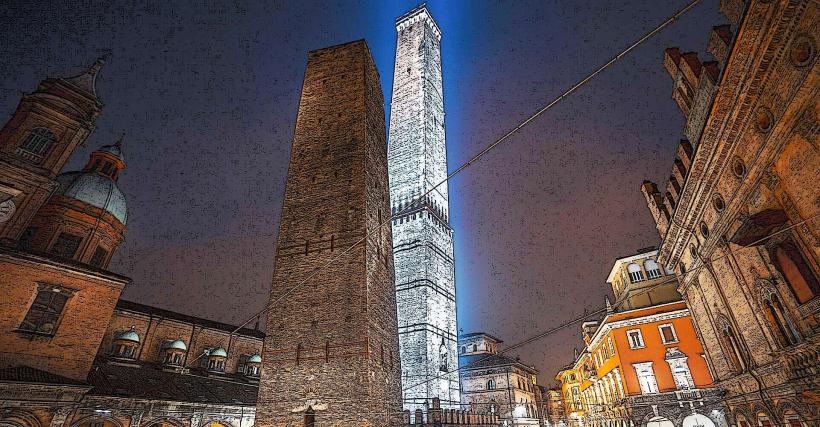
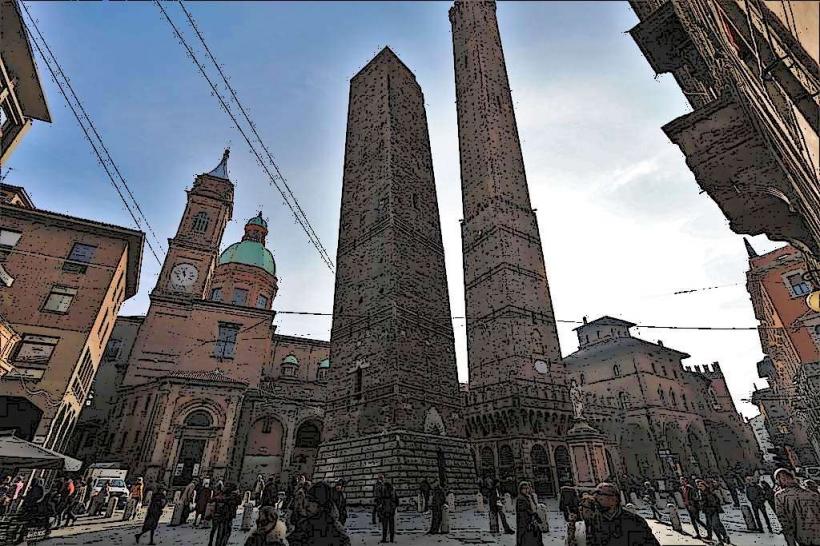
Two Towers (Le Due Torri): 0.4km Southwest
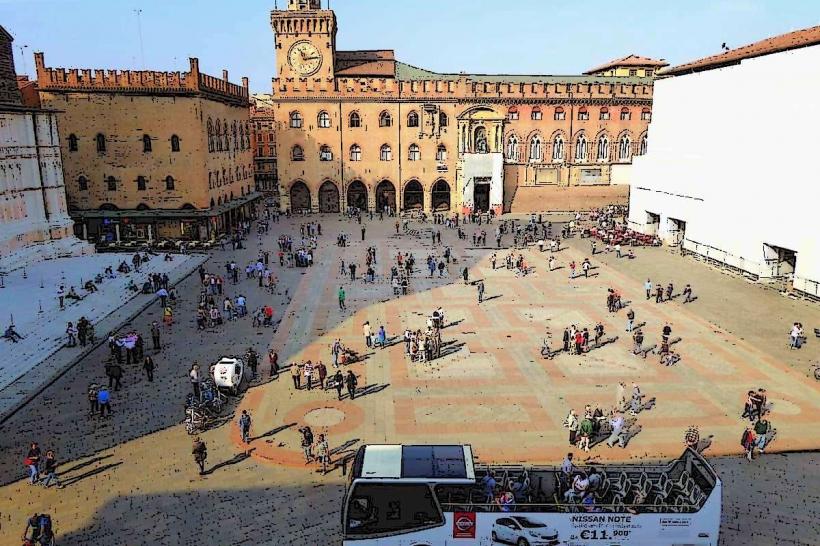
Piazza Maggiore: 0.7km Southwest
University of Bologna (Palazzo Poggi): 0.1km East
Oratory of San Giacomo Maggiore: 0.05km West