Information
Landmark: St. Andrew's Presbyterian KirkCity: Nassau
Country: Bahamas
Continent: North America
St. Andrew's Presbyterian Kirk, Nassau, Bahamas, North America
Overview
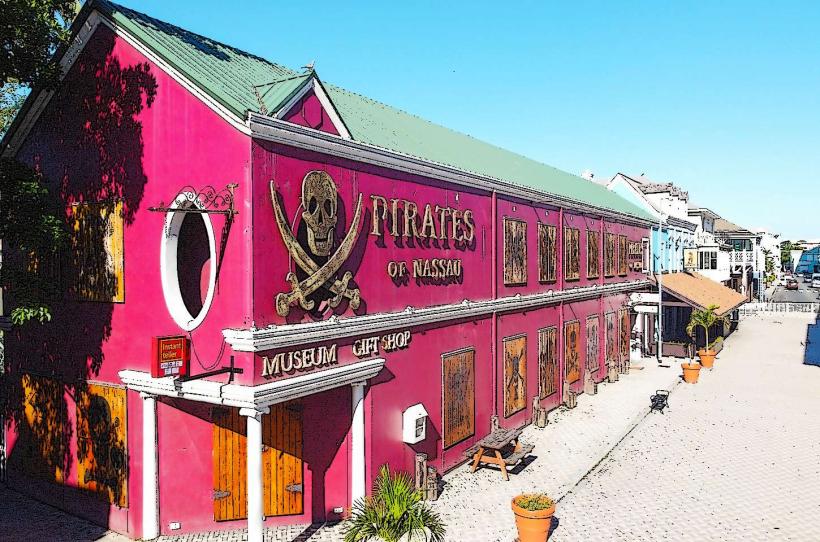
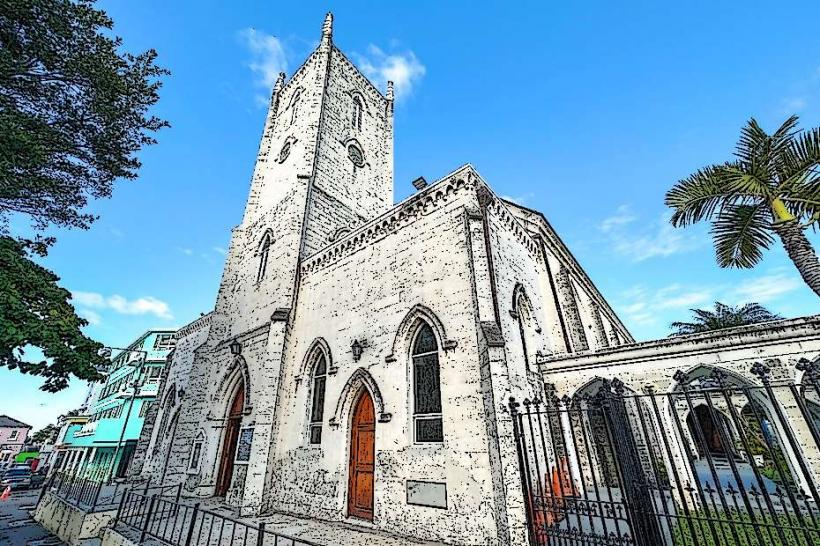
In Nassau, the bustling capital of the Bahamas, St, in turn andrew’s Presbyterian Kirk stands as one of the city’s oldest and most critical Protestant churches, its white steeple catching the afternoon sun.People discern it for its deep history, the graceful sweep of its architecture, and the part it plays in everyday Bahamian life, and the church stands at the heart of Presbyterian worship and holds a special site in the Bahamas, where its whitewashed walls and tall steeple are a familiar sight in the island’s cultural and spiritual life.St, in turn andrew’s Presbyterian Kirk sits on Prince George Wharf in the heart of downtown Nassau, just a short stroll from the waterfront, so it’s easy for both locals and visitors to reach, fairly Actually, The church sits just a short saunter from Nassau’s heart, near the bustling Straw Market, lively Bay Street, and the colorful Pirates Museum, after that the church is part of the Presbyterian Church of the Bahamas, a modest, warm congregation where the wooden pews creak softly during Sunday service.As far as I can tell, The church belongs to the wider Reformed tradition, and its members follow John Calvin’s teachings, much like tracing lines from an vintage, well-worn map, then the word “Kirk” is Scottish for church, a nod to the faith’s Presbyterian roots in Scotland, where stone spires rise against gray skies, loosely St, after that andrew’s Presbyterian Kirk traces its roots to the early 1800s, when its first wooden pews creaked under the weight of a growing congregation.It traces its roots to the Scottish settlers who brought Presbyterianism to the Bahamas, especially during the colonial era, when their voices carried across the harbor in the warm evening air, along with in 1810, a modest band of Scottish Presbyterian settlers and loyalists stepped ashore in the Bahamas and founded the church.The settlers set out to build a locale of worship that mirrored their faith and customs, a wooden hall where candlelight flickered against rough-hewn walls, on top of that st. Andrew’s Presbyterian Kirk was built to serve the town’s expanding community, alternatively at first, worshippers gathered in a petite wooden chapel where the scent of fresh pine lingered, but as their numbers swelled, the need for more space became clear.To be honest, The stone church that stands today was finished in 1801, moreover the church’s architecture blends European styles common in its era, with pointed Gothic arches and clean neoclassical lines shaping its design.Builders used local stone, giving the church’s exterior a clear Bahamian character, its pale coral blocks warm in the sun, subsequently during the colonial era, St. Frankly, Andrew’s Presbyterian Kirk stood at the heart of spiritual life for Scottish immigrants and early Protestant settlers in the Bahamas, as a result in colonial times, it hosted lively cultural and social gatherings, becoming a cornerstone of Bahamian life.It appears, The church laid the groundwork for Presbyterianism, a faith that would grow deep roots in the islands, consequently its architecture-arched windows catching the morning light-remains one of St. Andrew’s Presbyterian Kirk’s most striking features, alternatively the church’s design stands out for its stonework-blocks of cut limestone that feel cool to the touch and give the building a solid, enduring presence, under certain circumstances Locally quarried stone gives the church a distinctly Bahamian touch, while its pointed arches and tall, slender windows-hallmarks of Gothic design-rise toward the light, lending the space a solemn, almost awe-filled air, consequently you can spot the neoclassical touch in the church’s balanced design and the sturdy columns framing its front doors.Above it all, the tall steeple pierces the sky, a clear landmark against Nassau’s skyline, as a result the steeple serves a practical purpose and adds beauty, rising like a quiet beacon of faith and a familiar point on the city’s skyline.Inside St, in conjunction with andrew’s, warm wooden pews line the aisle, a gothic pulpit stands in carved detail, and sunlight filters through stained-glass windows alive with sacred scenes.Sunlight pours through the stained-glass windows, scattering soft colors across the pews and filling the sanctuary with a quiet calm, a location for both worship and reflection, consequently for generations, St, slightly often Truthfully, Andrew’s Presbyterian Kirk has stood at the heart of the Bahamas’ spiritual and cultural life, in turn st. Andrew’s isn’t only a locale to pray; it’s where the Presbyterian community in Nassau comes together, filling the classical wooden pews and sharing quiet moments beneath its tall, sunlit windows, at the same time the church hosts weekly worship, with Sunday gatherings filling the pews, and special services marking holidays like Christmas, when pine boughs scent the air, and Easter.It’s a cultural landmark, treasured for its history by both locals and visitors, besides it’s a quiet nod to Scotland’s legacy in the Bahamas, and to the centuries-heritage roots of Protestant faith that still ring from modest whitewashed chapels across the islands.It stands as a reminder of the many faiths that have shaped Bahamian culture over the centuries, from historic stone churches to lively street festivals, alternatively st. Andrew’s also reaches into the community, backing local charities, helping schools, and lending a hand through vital social services, after that the church does more than preach on Sundays-it rolls up its sleeves for projects that lift the wider Nassau community.Visitors come to admire its weathered stone walls, hear its rich history, and witness how it helped shape the Bahamas, at the same time visitors flock to St. Andrew’s to explore the island’s early Protestant roots and admire its graceful architecture, from the cool stone walls to the tall arched windows, consequently it remains one of Nassau’s most vital historical and religious landmarks, fairly To be honest, Rooted in early 19th-century history, with graceful arches and sun-warmed stone, it still stands at the heart of the community and remains a vital part of Bahamian life, meanwhile whether you come to worship, trace its long history, or immerse yourself in local traditions, St. Andrew’s stands at the heart of Nassau, echoing the Bahamas’ spiritual roots and rich cultural story.
Author: Tourist Landmarks
Date: 2025-09-09