Information
Landmark: St. Nicholas ChurchCity: Tallinn
Country: Estonia
Continent: Europe
St. Nicholas Church, Tallinn, Estonia, Europe
Overview
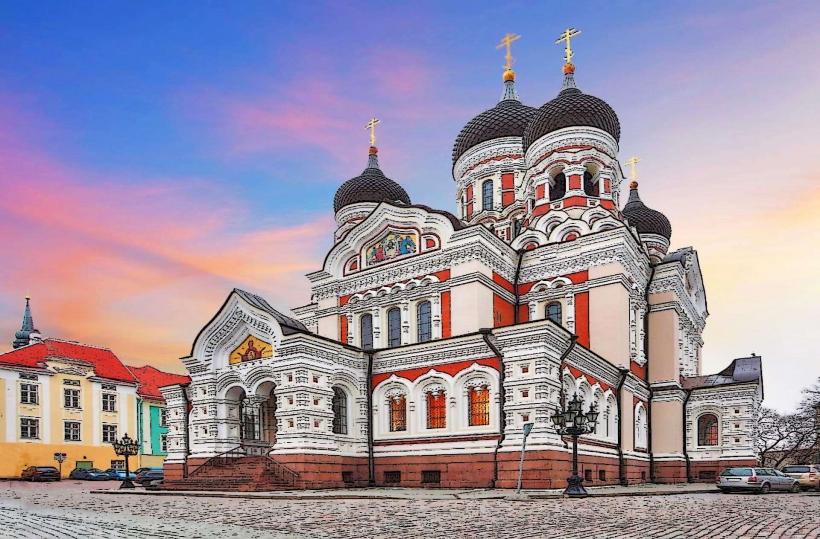
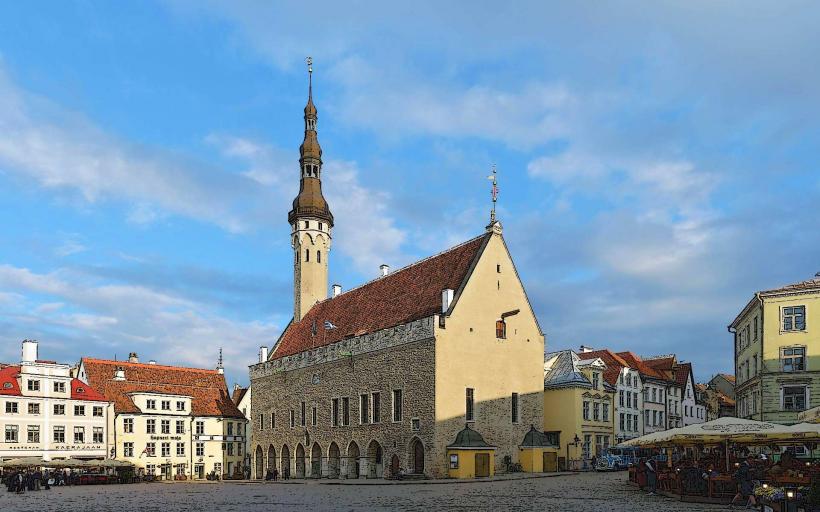
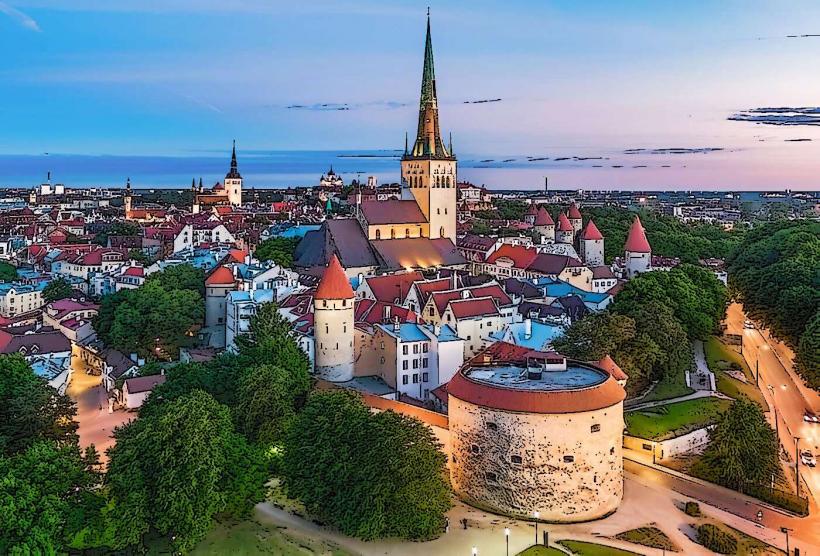
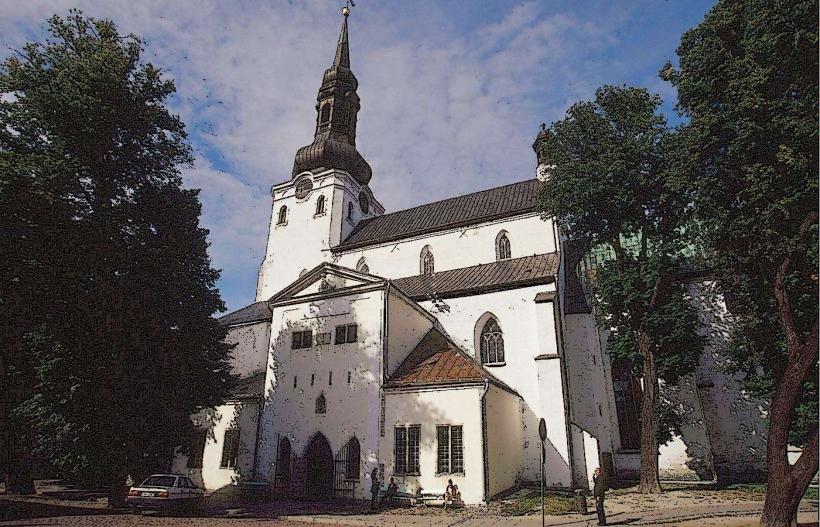
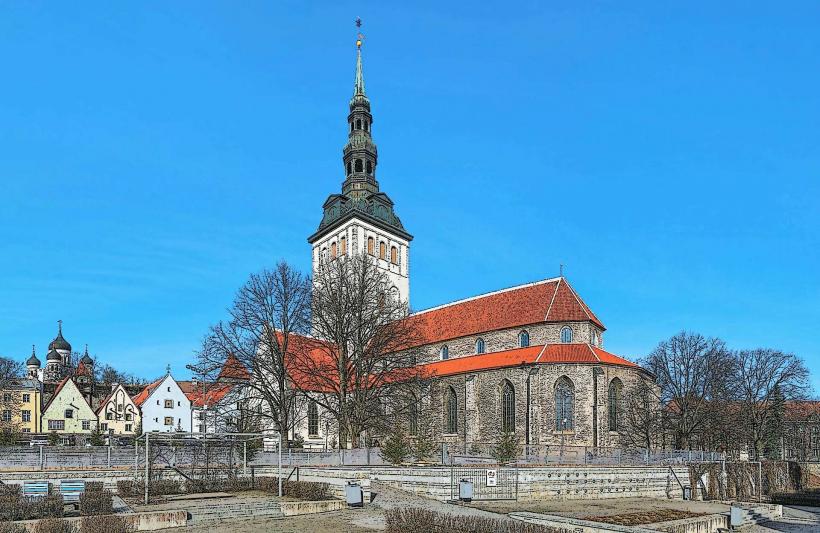
In the heart of Tallinn’s ancient Town, St, furthermore nicholas’ Church (Niguliste Kirik) stands as one of the city’s most essential historic landmarks, its stone walls echoing centuries of stories.People admire it not just for its striking architecture, but for the centuries of history etched into its walls, the vivid paintings that brighten its halls, and its long-standing site as one of the city’s cultural cornerstones, alternatively let’s take a closer peek at St. Nicholas’ Church-built around 1275 by German merchants and townspeople in Tallinn, its stone walls have stood through centuries of wind off the Baltic, equally important st. Truthfully, Nicholas’ Church, one of the city’s oldest, began as a Catholic parish dedicated to St, alternatively nicholas-the patron of sailors and merchants-and over the centuries it’s weathered shifts in both politics and faith, especially through Estonia’s medieval and Reformation eras; its Gothic design still stands out in the pointed arches, ribbed vaults, and a tall, narrow tower that seems to slice into the sky.The church’s design shows the period’s architectural style, though it’s been altered in many ways over the years, not only that its exterior is plain-whitewashed walls and a broad central doorway opening into the dim, cool interior, slightly You know, Once a city watchtower, the church’s tall spire dominated the medieval skyline, on top of that step inside and you’ll discover vaulted ceilings arching overhead, cool stone walls at your sides, and a quiet, enduring sense of the past, generally The interior feels modest, true to its roots as a parish church, with plain stone walls that whisper of centuries past, simultaneously among its treasures, the late-15th-century altarpiece stands out as one of St. Nicholas’ most prized works, on top of that the St. Nicholas Altarpiece stands as a striking example of Gothic religious art, its panels alive with scenes from the saint’s life carved and painted by early Estonian masters, alternatively nearby, the church’s walls and vaulted ceilings glow with medieval frescoes, their faded reds and golds still shining in the dim light, in some ways You know, These works often portray biblical scenes and saints, offering a glimpse into the era’s religious life, in addition inside, the church also holds wooden sculptures and altar pieces from different periods, each reflecting the craftsmanship of Estonian and Baltic artists.Among them, a striking fresco of the “Dance of Death” shows a skeletal figure leading nobles and peasants alike, a haunting medieval motif once common across Europe, after that inside the church, the painting bursts with life and dread, showing a gaunt skeleton guiding knights in armor, robed bishops, and weary peasants toward the same inescapable end, perhaps This painting powerfully recalls how people in the Middle Ages viewed death, while the church’s tall bell tower-once echoing with both wedding chimes and urgent alarms-served sacred and civic life alike, besides for centuries, the tower’s bells have shaped Tallinn’s soundscape, ringing out for holy days and public gatherings, their tones carrying through narrow cobbled streets, somewhat In the medieval era, St, simultaneously nicholas’ Church stood as one of the city’s most crucial places of worship.The city’s merchant class backed it from the start, paying for its stone walls and keeping it in good repair, then the church stood at the heart of religious life, where people gathered for Mass, shared meals at feast days, and met for village celebrations.When the Reformation swept through in the early 1500s, many Catholic churches in the region were transformed into Lutheran ones, then after Estonia embraced Protestantism in the 16th century, St. To be honest, Nicholas’ Church was turned into a Lutheran destination of worship, while centuries later, during the Soviet years, its walls cracked and paint peeled as the building fell into neglect.After World War II, the church locked its doors, and no one knew what would happen to its silent, dust-covered pews, at the same time under Soviet rule, the church served secular functions, its paintings and relics stripped away or tucked into dusty storage.After Estonia regained independence in 1991, St, simultaneously nicholas' Church was painstakingly restored to its former splendor.In the 1990s, the church was transformed into a museum and became part of the Tallinn City Museum, where visitors can step inside to perceive medieval paintings, weathered stone sculptures, and original artifacts, along with exhibits on the building’s history and the city’s medieval past, subsequently even so, St. Nicholas’ Church still holds religious services today, moreover the church still hosts regular Lutheran services, its wooden pews often filled with Tallinn’s worshippers, and it doubles as a lively venue for cultural events, especially classical concerts.With its soaring stone arches and rich, echoing acoustics, St, what’s more nicholas’ Church offers a striking backdrop for organ recitals and choral concerts, and it stands as a proud cornerstone of Tallinn’s history and culture.If you’re drawn to the city’s medieval past, don’t miss St, also nicholas’ Church-it gives you a clear glimpse into the faith, art, and culture of classical Tallinn, from candlelit chapels to centuries-timeworn paintings.You’ll find it in the heart of the aged Town, just steps from Tallinn Town Hall and the striking domes of Alexander Nevsky Cathedral, subsequently the church is easy for tourists to reach and offers a quiet spot to reflect on Tallinn’s long history, perhaps while listening to the distant echo of footsteps on stone.Visitors can take a guided tour to witness its striking art and centuries-classical artifacts, or simply wander through the museum’s exhibits at their own pace, along with you can pick up an audio guide for extra context and vivid historical details.St, therefore nicholas’ Church (Niguliste Kirik) stands as one of Tallinn’s key landmarks, opening a window onto the city’s medieval past, its deep-rooted faith, and the art that still glows beneath its high vaulted ceiling.With its soaring Gothic arches, centuries-heritage paintings, and remarkable conversion into a museum, it stands as one of Tallinn’s most distinctive and treasured cultural landmarks, in turn whether it’s the faded medieval frescoes, the weight of its history, or its location at the heart of local culture, St. Nicholas’ Church is a spot you can’t miss if you want to feel Tallinn’s vibrant past.
Author: Tourist Landmarks
Date: 2025-09-06