Information
Landmark: Sultan Abdul Samad BuildingCity: Kuala Lumpur
Country: Malaysia
Continent: Asia
Sultan Abdul Samad Building, Kuala Lumpur, Malaysia, Asia
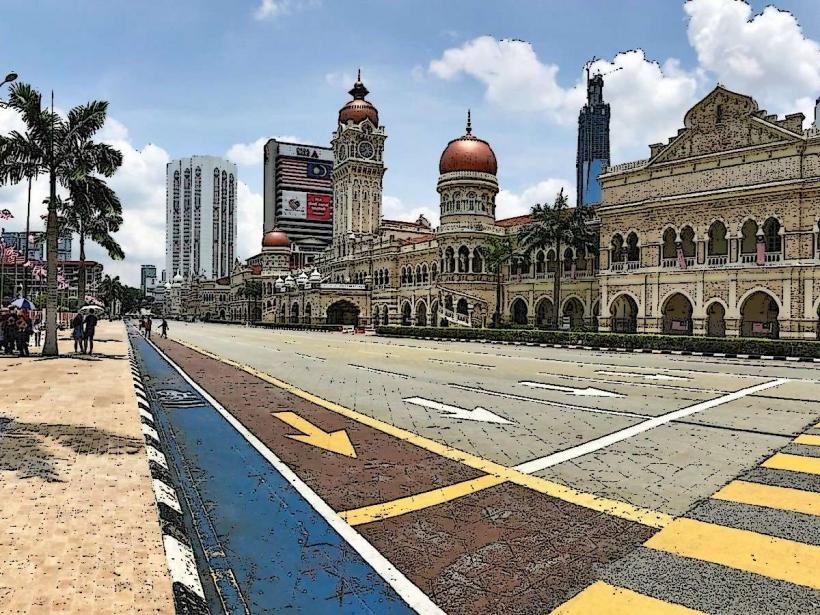
The Sultan Abdul Samad Building is one of Kuala Lumpur’s most iconic and historic landmarks, known for its beautiful architecture and significant role in Malaysia’s colonial and post-colonial history. Here’s a detailed look at this stunning structure:
1. Overview
- Location: Merdeka Square, Kuala Lumpur, Malaysia
- Built: Completed in 1897
- Architectural Style: Moorish, Islamic, and Indo-Saracenic
- Purpose: Originally served as the headquarters for the British colonial administration
- Current Use: Houses government offices, and part of it is used as the National History Museum
- Significance: A symbol of British colonial influence in Malaysia and a key historical site tied to the nation’s independence
2. Architecture and Design
Architectural Features
- The Sultan Abdul Samad Building was designed by British architect A.C. Norman in collaboration with the local architect Harry Charles S. M.
- The building showcases a striking blend of Moorish, Islamic, and Indo-Saracenic design elements, which were popular during the British colonial period.
Key Features of the Building
Clock Tower:
The most recognizable feature of the Sultan Abdul Samad Building is its clock tower, which stands at 40 meters (131 feet) tall. The clock tower has a distinct Moorish style with a copper dome and an onion-shaped minaret, inspired by traditional Islamic architecture.
Domes and Arches:
The building’s design includes elegant domes, arches, and intricate stonework that reflect the grandeur of colonial architecture in the region.
Facade:
The facade of the building features red bricks, which contrast with the white stone elements and are complemented by decorative columns. The Arabesque arches and the intricate window designs are also standout features.
Gallery:
The Sultan Abdul Samad Building houses the National History Museum, where exhibits highlight Malaysia’s history, especially the colonial era, the struggle for independence, and the early years of the nation’s development.
3. Historical Significance
Colonial Era
- The Sultan Abdul Samad Building was completed during the height of British colonial rule in Malaya (now part of Malaysia).
- It initially served as the headquarters for the British colonial administration, housing the High Court, the Federal Secretariat, and other important government offices.
Independence Era
- The building played a significant role in Malaysia’s journey to independence. On August 31, 1957, the Malayan flag was raised here to mark the country's independence from British rule.
- The site is located at Merdeka Square, where the Tunku Abdul Rahman, the first Prime Minister of Malaysia, famously declared Malaya’s independence. The square and the Sultan Abdul Samad Building are central to the nation’s independence celebrations.
Post-Independence
- After independence, the building continued to serve as a government building. It is now home to several government offices, including the Ministry of Information, and also houses the National History Museum on its premises.
National Symbol
- The Sultan Abdul Samad Building remains a symbol of Malaysia’s rich historical and cultural heritage. It has been featured in numerous national events and continues to play an important role in national celebrations, particularly those that commemorate the country’s independence.
4. Role in National Celebrations
- The Sultan Abdul Samad Building and the surrounding Merdeka Square are at the heart of Malaysia’s Independence Day celebrations every year.
- The flag-raising ceremony and national parades take place here, drawing large crowds of locals and tourists.
- The Malaysia Day celebrations (celebrating the formation of Malaysia in 1963) are also often held in this area, making the building a focal point of national pride.
5. Nearby Attractions
Merdeka Square (Dataran Merdeka)
- The Sultan Abdul Samad Building is located right on Merdeka Square, a historic site where Malaysia declared its independence from Britain on August 31, 1957.
- The square remains a popular venue for national celebrations and public events.
Kuala Lumpur City Gallery
- Just a short walk from the Sultan Abdul Samad Building, the Kuala Lumpur City Gallery showcases exhibits on the city's history and development. It also has a miniature model of Kuala Lumpur, offering a great perspective on how the city has evolved.
Masjid Jamek
- The Masjid Jamek (Jamek Mosque) is located nearby and is one of the oldest mosques in Kuala Lumpur. Built in 1909, it features beautiful Moorish and Islamic architecture.
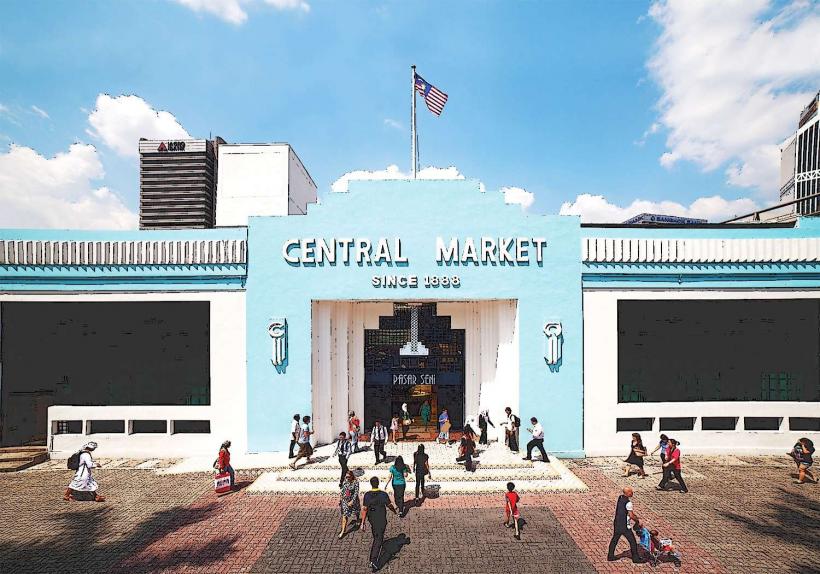
Central Market
- Central Market (Pasar Seni) is another nearby attraction, known for its wide variety of arts, crafts, and souvenirs. It is a great place to explore local culture and buy unique handicrafts.
6. Accessibility
Public Transport
- The Sultan Abdul Samad Building is easily accessible via Kuala Lumpur’s public transport network. The Merdeka MRT Station is just a short walk from the building, connecting the site to the rest of the city.
- The KL Hop-On Hop-Off Bus service also stops near the building, making it convenient for tourists to visit.
By Car
- There are parking spaces around Merdeka Square, but they can be limited, especially during national celebrations and events. It is often more convenient to use public transport to reach the site.
Opening Hours
- The Sultan Abdul Samad Building itself is an open public area, and the National History Museum located inside has regular opening hours (typically 9:00 AM to 6:00 PM).
- The building and square are accessible to visitors throughout the day, though official events may affect accessibility during certain times.
Ticket Information
- Public Access: The building is free to visit for photographs and exploration from the outside.
- Museum Admission: The National History Museum inside the Sultan Abdul Samad Building typically charges an entrance fee of around RM 5 to RM 10 for adults, with discounts for children and students.
7. Interesting Facts
Clock Tower:
The clock tower of the Sultan Abdul Samad Building is one of the tallest in Malaysia and is still operational, ringing every hour. The tower is a significant part of the building’s appeal.
Architectural Inspiration:
The building’s design was influenced by the Alhambra Palace in Spain, and its Moorish and Islamic elements reflect the multicultural history of the region.
Historical Site:
The building’s clock tower was a notable landmark during the British colonial era. It signified the presence of British rule, and the site was the administrative center for the colonial government.
Restoration:
The Sultan Abdul Samad Building underwent extensive restoration in the 1980s to preserve its architectural integrity and enhance its historical significance.
8. Nearby Dining and Shopping
- Old China Cafe: Located nearby, this traditional café offers a variety of local dishes in a charming colonial-style setting.
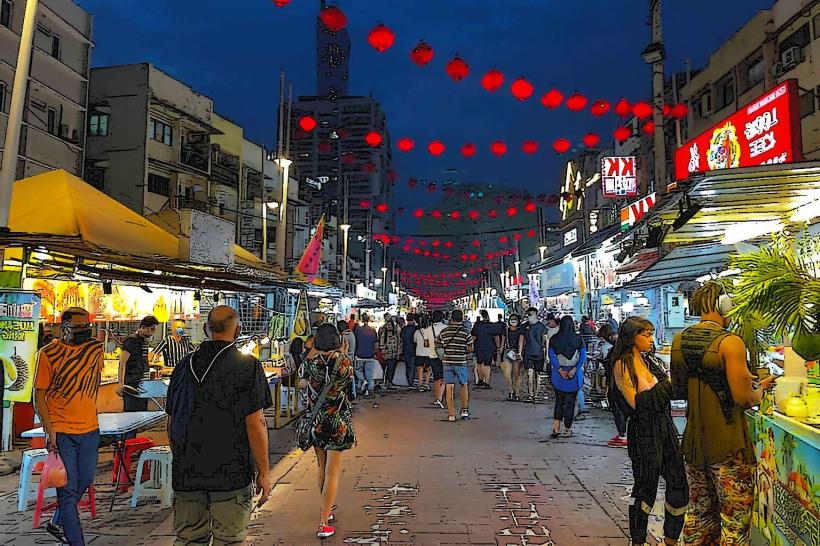
- Petaling Street Market: A bustling market filled with food stalls, selling everything from local Chinese delicacies to Malaysian street snacks.
- Central Market: A great place to find souvenirs, local crafts, and traditional Malaysian snacks.
The Sultan Abdul Samad Building is an architectural masterpiece and a key historical site in Kuala Lumpur. Whether you are interested in its colonial past, its role in Malaysia’s independence, or its stunning design, the building is a must-visit for those exploring the city’s rich heritage.