Information
Landmark: Széchenyi Chain BridgeCity: Budapest
Country: Hungary
Continent: Europe
Széchenyi Chain Bridge, Budapest, Hungary, Europe
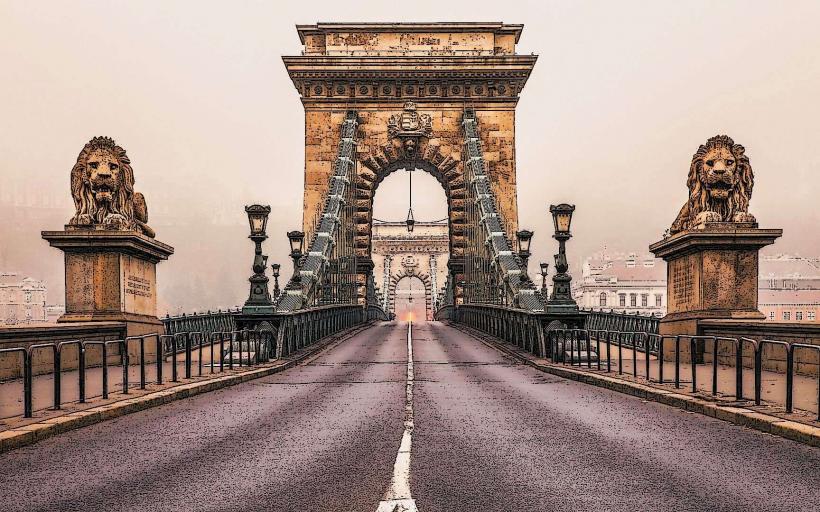
The Széchenyi Chain Bridge is the first permanent stone bridge to span the Danube River, serving as the definitive physical and symbolic link between the western (Buda) and eastern (Pest) halves of Budapest. Completed in 1849, it remains the city's most iconic engineering landmark.
Visual Characteristics
The bridge is a classic suspension structure featuring two massive, triumphal-arch-style stone pillars through which heavy iron chains pass. It is 375 meters long and 16 meters wide. The most striking features are the four colossal stone lions-sculpted by János Marschalkó-that guard the abutments at each end. At night, the bridge is illuminated with thousands of LED bulbs, highlighting its iron silhouette against the river.
Location & Access Logistics
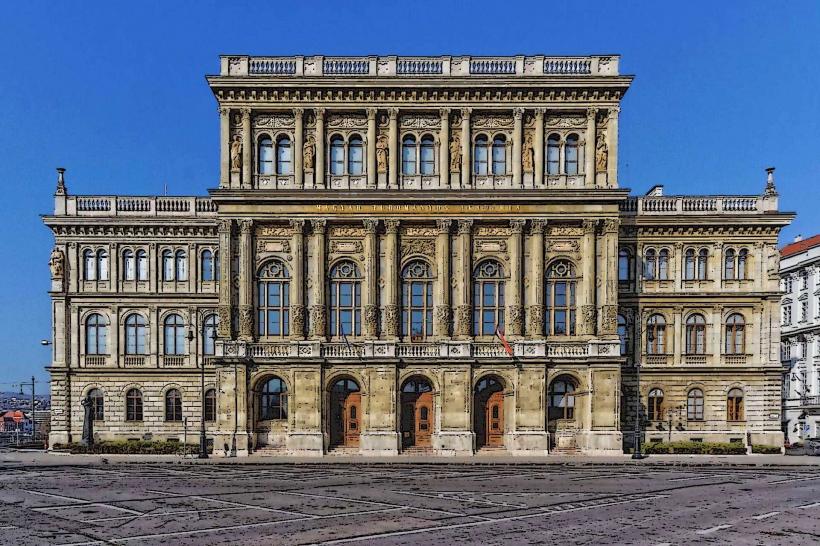
Pest Side (East): Anchored at Széchenyi István Square, adjacent to the Gresham Palace and the Hungarian Academy of Sciences.
Buda Side (West): Ends at Adam Clark Square, located at the foot of the Castle Hill Funicular and the entrance to the Castle Hill Tunnel.
Public Transport: Metro line M1 (Vörösmarty tér) is a 5-minute walk away. Trams 2 and 2B serve the Pest riverbank, while Trams 19 and 41 serve the Buda side at Clark Ádám tér.
Traffic Status: Since the 2023 renovation, private cars are prohibited; the bridge is reserved for pedestrians, cyclists, buses, and taxis.
Historical & Ecological Origin
Proposed by reformer Count István Széchenyi after he was stranded by ice in 1820, the bridge was designed by English engineer William Tierney Clark and built by Scottish engineer Adam Clark. It was a marvel of 19th-century engineering, with its 202-meter center span once being one of the largest in the world. During World War II, retreating German forces blew up the bridge in January 1945; it was rebuilt and reopened exactly 100 years after its original inauguration, in 1949.
Key Highlights & Activities
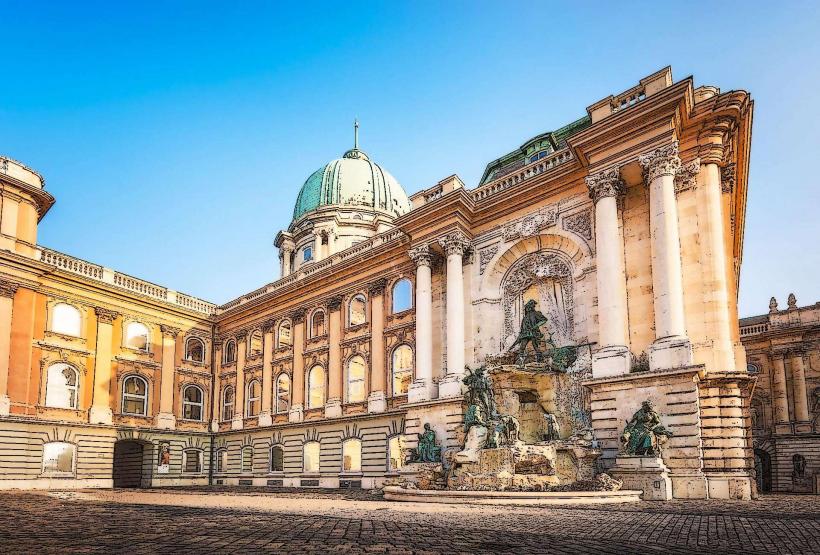
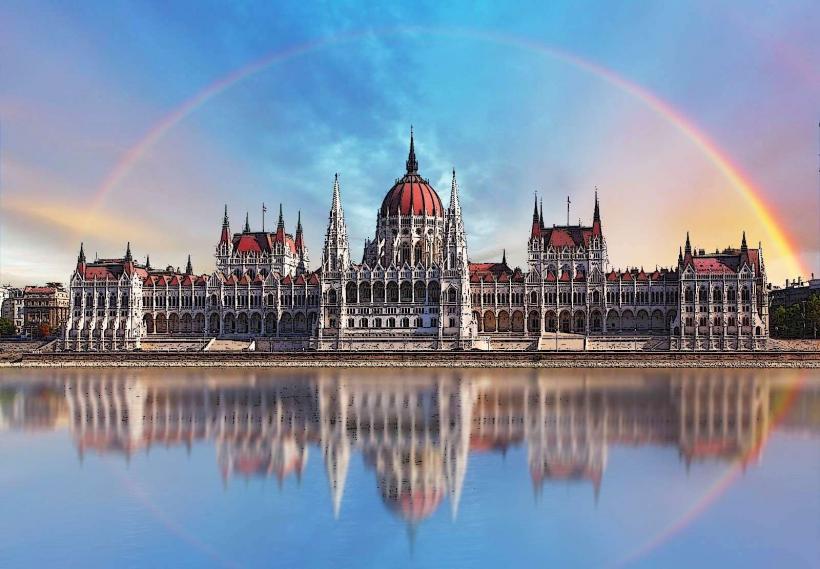
Walking across the bridge is a primary tourist activity, offering panoramic views of the Hungarian Parliament and Buda Castle. Photography is most popular at sunrise or sunset from the pedestrian walkways. On the Buda side, the "Zero Kilometer Stone" marks the reference point from which all road distances in Hungary are measured.
Infrastructure & Amenities
The bridge features wide, dedicated pedestrian walkways on both sides. While there are no facilities directly on the bridge, the immediate squares at both ends are populated with high-end cafes, public restrooms, and information kiosks. The entire span is wheelchair accessible, though visitors should note the slight incline towards the center.
Best Time to Visit
Evening is the optimal time for visiting to view the "chandelier" lighting effect. The bridge is most pleasant during spring and autumn; during summer, mid-day heat on the exposed span can be intense. The annual "Chain Bridge Festival" often sees the bridge closed to all but pedestrian traffic for street performances.
Facts & Legends
A persistent urban legend claims the sculptor János Marschalkó committed suicide by jumping into the Danube because he forgot to carve tongues for the lions; in reality, the tongues are present but only visible from a specific elevated angle. Another historical fact: until 1918, every person-including the nobility-was required to pay a toll to cross, a revolutionary concept of social equality at the time.
Nearby Landmarks
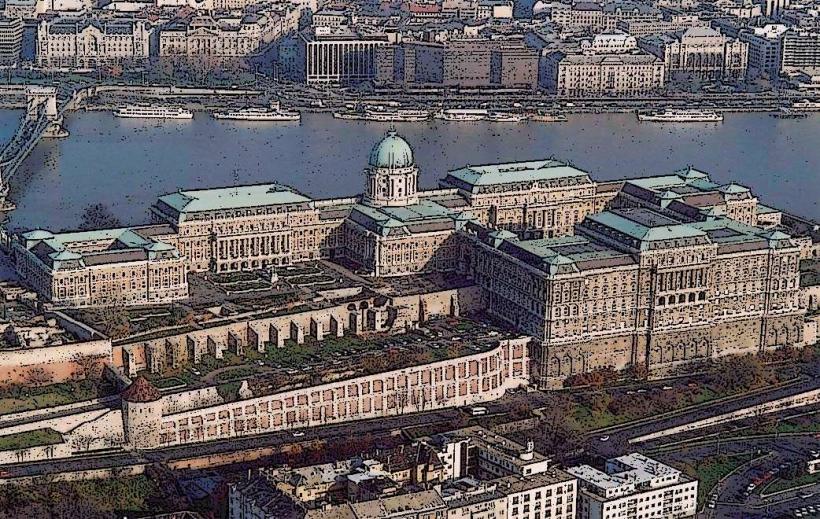
Buda Castle: 0.5km West (via Funicular)
Hungarian Parliament Building: 1.1km North-East
St. Stephen’s Basilica: 0.8km East
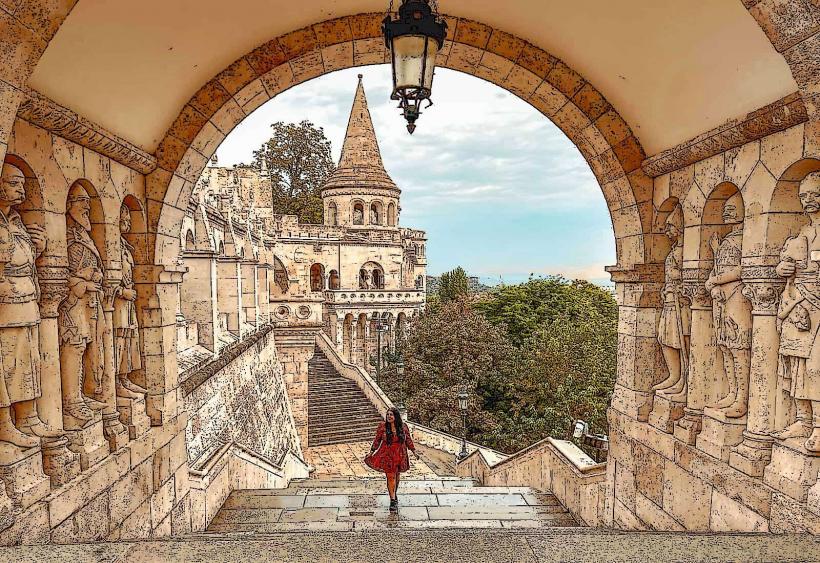
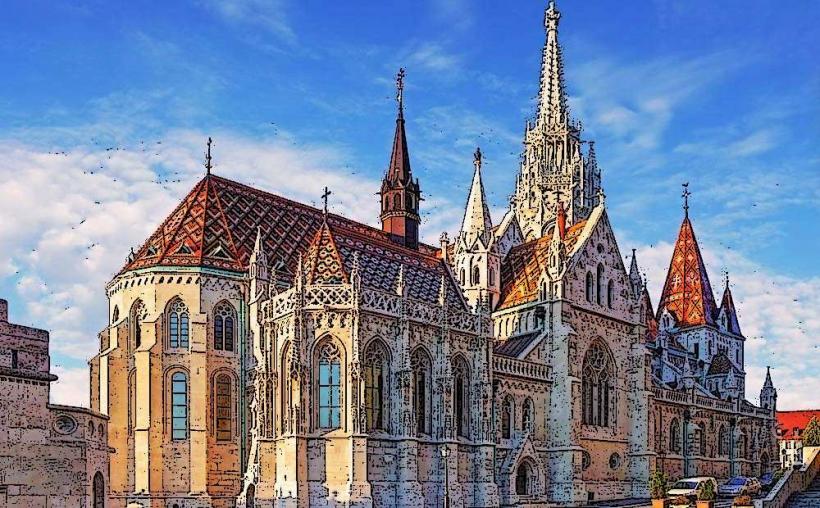
Fisherman’s Bastion: 0.7km North-West
Gresham Palace: 0.1km East