Information
Landmark: Tallinn Botanic GardenCity: Tallinn
Country: Estonia
Continent: Europe
Tallinn Botanic Garden, Tallinn, Estonia, Europe
The Tallinn Botanic Garden is a scientific research institution and public park dedicated to plant collections and conservation, situated in the Pirita district of Tallinn, Estonia. It functions as a center for botanical study, environmental education, and recreational green space.
Visual Characteristics
The garden spans approximately 86 hectares, featuring diverse plant collections arranged into thematic sections. Key areas include an extensive arboretum with deciduous and coniferous trees, a rose garden, and a rock garden. Several greenhouses house tropical and subtropical plants, including a prominent palm house, characterized by its glass and metal construction. Outdoor areas are defined by varied topography, including forested sections, open lawns, and cultivated beds, with pathways traversing the landscape.
Location & Access Logistics
The Tallinn Botanic Garden is located at Kloostrimetsa tee 52, approximately 8 kilometers northeast of Tallinn city center. Access by car is via Pirita tee, turning onto Kloostrimetsa tee. On-site parking is available for visitors. Public transport options include bus lines 34A, 38, and 49, with a designated stop directly adjacent to the garden entrance.
Historical & Ecological Origin
The Tallinn Botanic Garden was established in 1961 by the Estonian Academy of Sciences. Its original purpose was to conduct scientific research on plant introduction and acclimatization, as well as to serve as a center for botanical education and conservation. The site was chosen for its varied terrain and existing forest cover, providing suitable conditions for diverse plant collections.
Key Highlights & Activities
Visitors can engage in walking along designated trails through the arboretum and various outdoor collections. Specific activities include exploring the Rose Garden, observing tropical flora within the Palm House and other greenhouses, and visiting the Rock Garden. Educational programs and guided tours are available by prior arrangement, focusing on plant identification and ecological principles.
Infrastructure & Amenities
The garden provides public restrooms located near the main entrance and within the greenhouse complex. Benches are positioned throughout the grounds, offering resting points. Shaded areas are present within the arboretum and under specific tree canopies. Cell phone signal (4G/5G) is generally available across the entire property. A small cafe or kiosk operates seasonally near the main entrance, offering light refreshments.
Best Time to Visit
The optimal period for visiting the Tallinn Botanic Garden is from late spring to early autumn (May to September), when outdoor collections are in bloom and weather conditions are favorable. The Rose Garden is typically at its peak in July. For photography, early morning or late afternoon light provides softer illumination for outdoor landscapes. Greenhouses are accessible year-round, offering a consistent climate regardless of external weather.
Facts & Legends
The Tallinn Botanic Garden holds the largest collection of rhododendrons in Estonia, with numerous species and cultivars adapted to the local climate. A verified historical fact is its significant role during the Soviet era in introducing and testing plant species from various climatic zones for their suitability in the Baltic region, contributing substantially to local horticulture and forestry.
Nearby Landmarks
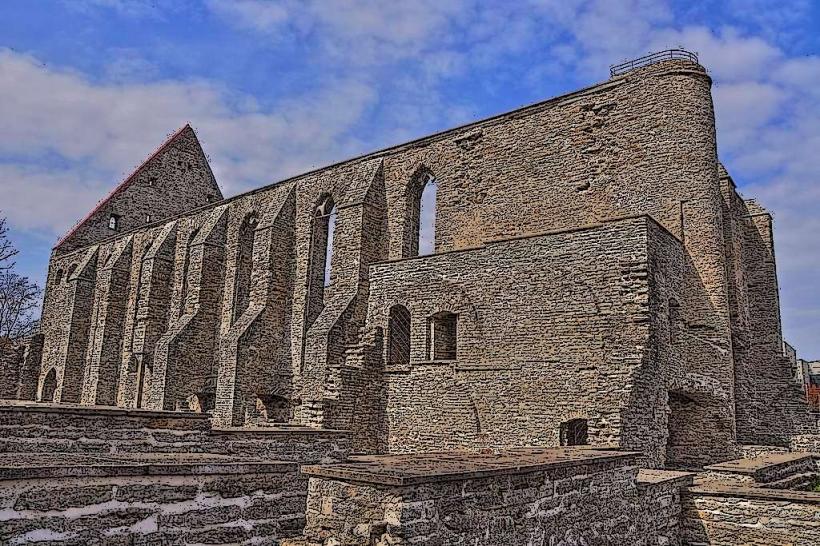
- Pirita Convent: 0.5km West
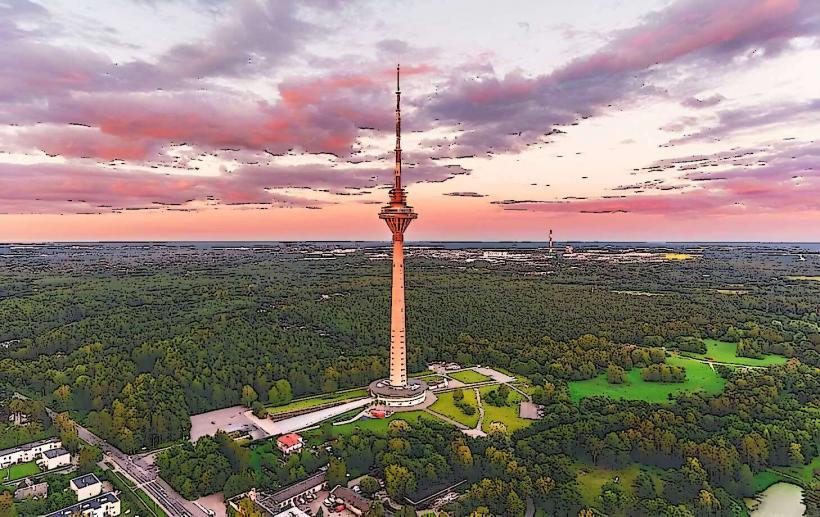
- Tallinn TV Tower: 2km East
- Pirita Beach: 2.5km West
- Maarjamäe Palace: 3.5km Southwest