Information
Landmark: Toji TempleCity: Kyoto
Country: Japan
Continent: Asia
Toji Temple, Kyoto, Japan, Asia
Tō-ji Temple (東寺), also known as Kōbō Daishi Temple, is a historic and culturally significant Buddhist temple located in Kyoto, Japan. It is one of the city's most famous temples and holds great importance in Japanese religious history. It was founded in the early 9th century and is famous for its architectural beauty, historical significance, and its connection to the founder of the Shingon sect of Buddhism, Kōbō Daishi (Kōbō Daishi, also known as Kōbō Daishi, is credited with spreading Shingon Buddhism across Japan).
1. History and Significance
Foundation: Tō-ji was founded in the year 794 by Kōbō Daishi (also known as Kōbō Daishi), the founder of the Shingon sect of Japanese esoteric Buddhism. The temple was originally established as part of a larger plan to protect the capital city, Heian-kyō (modern-day Kyoto). Kōbō Daishi's influence and teachings had a profound impact on the development of Japanese Buddhism, and he is venerated as a major religious figure.
Cultural Importance: Tō-ji is one of Kyoto's oldest and most important temples and has been an active center of Buddhist practice for over a millennium. The temple is listed as a UNESCO World Heritage site, as part of the Historic Monuments of Ancient Kyoto. It is a significant example of traditional Japanese temple architecture and religious practices.
Role in Buddhism: The temple is associated with the Shingon sect, which emphasizes esoteric rituals, meditation, and the use of mantras and mandalas to achieve enlightenment. Kōbō Daishi's teachings on the nature of the universe, Buddha nature, and sacred symbols are central to the temple's practices.
2. Architectural Highlights
The Five-Story Pagoda (Go-jū-no-tō): Tō-ji's most iconic feature is its Five-Story Pagoda, which stands as one of the tallest wooden structures in Japan, at 57 meters (187 feet) in height. It is the tallest pagoda in Japan and is a symbol of the temple and the city of Kyoto. The pagoda represents the five elements of Buddhism: earth, water, fire, wind, and void. The pagoda’s graceful design and majestic stature make it one of Kyoto's most recognizable landmarks.
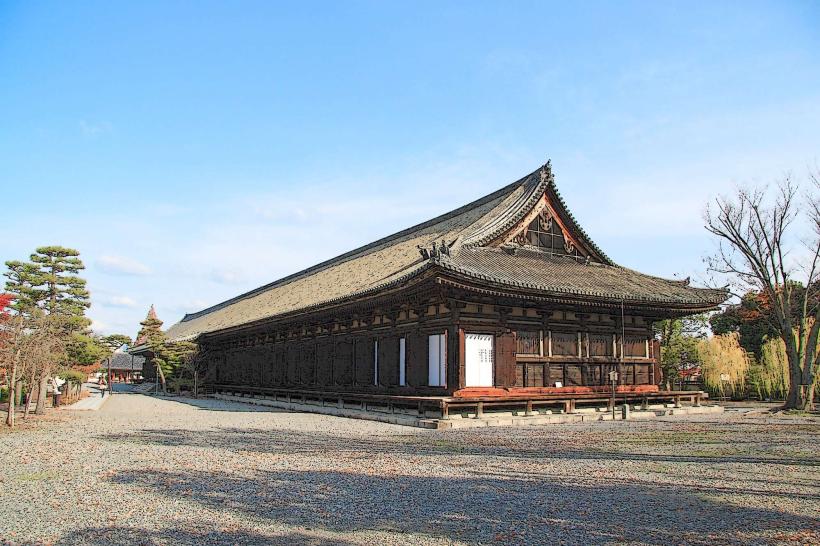
Main Hall (Kondō): The Kondō, or Main Hall, houses a number of important statues, including a large statue of Kōbō Daishi (the temple's founder), who is venerated as a spiritual protector. The hall is a place for rituals and ceremonies, and it features beautiful decorations and Buddhist imagery. The central statue in the hall is often the focus of worship and prayer.
The Lecture Hall (Kōdō): Another significant building within the temple complex is the Kōdō, or Lecture Hall, where Buddhist teachings are given and important ceremonies are held. The hall also contains several important statues and is an essential part of Tō-ji’s role as a center for Shingon practice.
Precious Art and Relics: The temple houses a number of Buddhist relics, artifacts, and ancient scriptures that have been preserved for centuries. Many of the temple's statues are exquisite examples of Japanese Buddhist art, with detailed craftsmanship and beautiful, serene expressions.
3. Kōbō Daishi and His Legacy
Kōbō Daishi, also known as Kōbō Daishi, was a great religious leader and the founder of the Shingon school of Esoteric Buddhism. Born as Kōbō Daishi, his life’s work had a profound impact on Japanese Buddhism. He was responsible for spreading esoteric teachings across Japan and establishing many temples, including Tō-ji.
Kōbō Daishi’s Teachings: His teachings emphasized the power of mantras, meditation, and the use of sacred symbols to attain enlightenment. He is also credited with introducing the Shingon school of esoteric Buddhism to Japan, which focuses on the use of rituals, spells, and mystical symbols to connect with the divine and reach spiritual liberation.
His Influence: Kōbō Daishi is venerated not only as a teacher but also as a spiritual protector. His legacy is alive at Tō-ji, where devotees continue to pay tribute to him. His death is believed to have been a mystical event, and he is often depicted in the temple as the eternal protector, continuing to offer guidance and protection to those who seek it.
4. The Temple Grounds and Surroundings
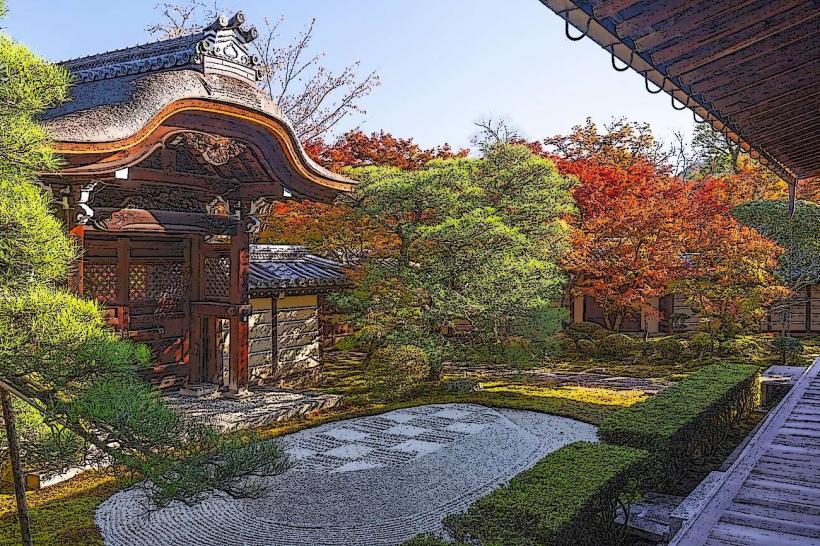
Temple Gardens: Tō-ji is also known for its beautiful gardens, which provide a peaceful and contemplative environment. Visitors can stroll through the tranquil pathways, admire the carefully designed landscapes, and take in the serene atmosphere of the temple grounds.
Kōbō Daishi's Grave: On the temple grounds, there is also the grave of Kōbō Daishi, which is a place of reverence and pilgrimage. Devotees often come to pay their respects to the founder, offering prayers and seeking his spiritual guidance.
Pagoda Courtyard: The area surrounding the Five-Story Pagoda is a picturesque courtyard where visitors can take in the full view of the iconic structure. The pagoda serves as the focal point of the temple and is considered a symbol of the Shingon sect’s connection to the divine.
5. Tō-ji Temple’s Cultural and Religious Role
Shingon Buddhism: As one of the main centers for Shingon Buddhism in Japan, Tō-ji continues to be a place for the practice of esoteric rituals, including mantras, meditations, and ceremonies. The teachings of Kōbō Daishi remain central to the temple's practices, and it is still an active site for worship and spiritual learning.
Pilgrimages and Festivals: Tō-ji is an important stop for pilgrims visiting the 88-temple pilgrimage in Shikoku, as well as for those following the Shingon Buddhist path. It is also the site of several important festivals and events throughout the year, including the Kōbō Daishi’s Memorial Day on April 21, where people gather to honor the founder of the Shingon sect.
Kōbō Daishi's Sacred Flame: There is a sacred flame at the temple believed to have been started by Kōbō Daishi himself. The flame is said to burn continuously and represents the eternal wisdom and protection of Kōbō Daishi. The flame is often used in various rituals and ceremonies at the temple.
6. Visiting Tō-ji
Access: Tō-ji is located in southern Kyoto, near the Kyoto Station (approximately 10 minutes by bus or a short walk). The temple is easy to reach from most parts of the city and is a popular destination for tourists and pilgrims alike.
Opening Hours: The temple is typically open from 9:00 AM to 5:00 PM. However, the hours may vary for special events and festivals, so it's always a good idea to check before visiting.
Admission Fees: The temple charges an admission fee, generally around ¥500 for general access to the main grounds and buildings. Special fees may apply for certain events, such as the annual Kōbō Daishi Memorial Day.
Conclusion
Tō-ji Temple is a must-visit site in Kyoto, offering a deep insight into the history and teachings of Shingon Buddhism and the legacy of Kōbō Daishi. Its towering Five-Story Pagoda, beautiful gardens, and sacred statues create a serene and awe-inspiring atmosphere. Whether you're interested in architecture, Japanese Buddhism, or spiritual history, Tō-ji provides a rich and meaningful experience. It remains a living, active temple that continues to be a spiritual hub, where visitors can connect with Japan's profound religious traditions.