Information
Landmark: Traditional VillagesCity: Dassa Zoume
Country: Benin
Continent: Africa
Traditional Villages, Dassa Zoume, Benin, Africa
The Traditional Villages of Dassa Zoume are a collection of historical settlements located in the central region of Benin, West Africa.
These villages preserve the architectural and cultural heritage of the local Tofinu people.
Visual Characteristics
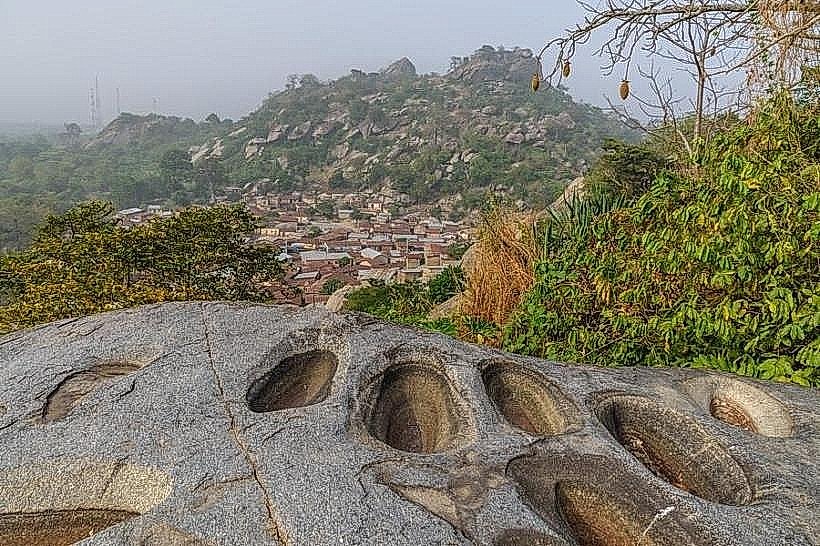
Structures are primarily constructed from earth, mud brick, and thatch. Dwellings are typically single-story, with rounded or rectangular layouts. Roofs are steeply pitched and covered with dried grass or palm fronds. Village layouts are organic, following the terrain, with narrow, unpaved pathways between homes.
Location & Access Logistics
The villages are situated approximately 3 kilometers west of the Dassa-Zoume city center. Access is via the Route Nationale 1 (RN1). Turn off the RN1 onto local unpaved roads leading to the specific hamlets. Parking is informal, available on the periphery of the villages. Public transport to Dassa-Zoume city center is available via intercity buses; local taxis or motorcycles are required for the final approach to the villages.
Historical & Ecological Origin
These villages represent a continuation of traditional Tofinu settlement patterns, dating back centuries. The Tofinu people historically settled in areas prone to flooding, developing unique architectural techniques to adapt. The ecological context is savanna grassland with scattered trees, situated on laterite soil.
Key Highlights & Activities
Observation of traditional housing construction techniques. Interaction with local artisans producing pottery and woven goods. Participation in guided walking tours focusing on daily life and cultural practices. Photography of village architecture and community activities.
Infrastructure & Amenities
Restrooms are generally not available within the villages. Shade is provided by trees and the thatched roofs of dwellings. Cell phone signal (2G/3G) is intermittent. Food vendors are not present within the villages; provisions should be made in Dassa-Zoume city.
Best Time to Visit
The best time of day for photography is during the morning (08:00-11:00) and late afternoon (16:00-18:00) for optimal natural light. The dry season, from November to April, offers the most favorable weather conditions, avoiding heavy rainfall.
Facts & Legends
A local belief states that the specific orientation of certain dwellings is intended to appease ancestral spirits and ensure good harvests. Visitors are advised to seek permission before photographing individuals.
Nearby Landmarks
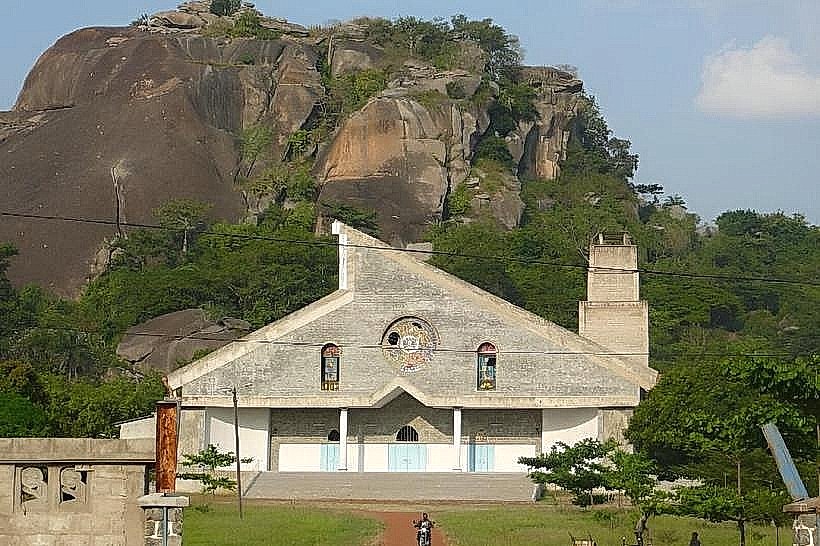
- Dassa-Zoume Cathedral (1.5km East)
- The Royal Palace of King Toffa (4.2km Northeast)
- Lake Ahémé (18km Southwest - outside 5km radius, but significant regional landmark)
- Parc National de la Pendjari (Further North - outside 5km radius)