Information
Landmark: TribecaCity: Manhattan
Country: USA New York
Continent: North America
Tribeca, Manhattan, USA New York, North America
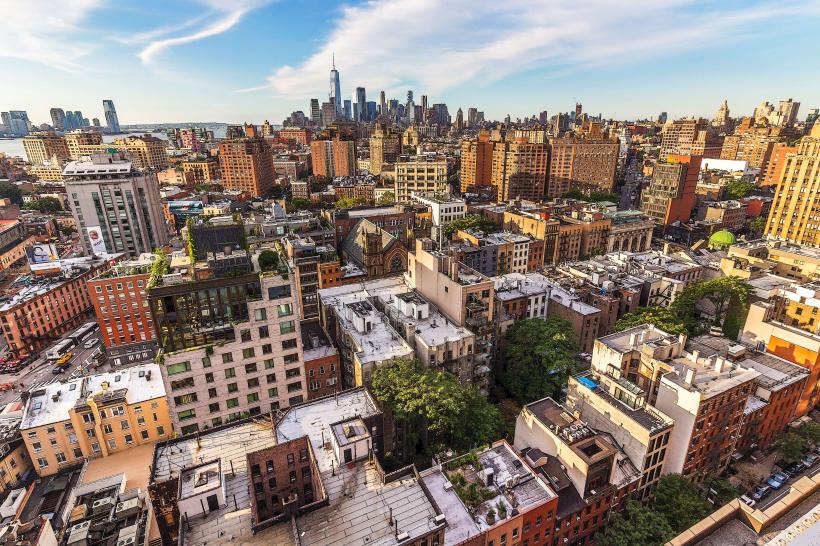
Tribeca is a neighborhood in Lower Manhattan, New York City. It is known for its cast-iron architecture and former industrial buildings.
Visual Characteristics
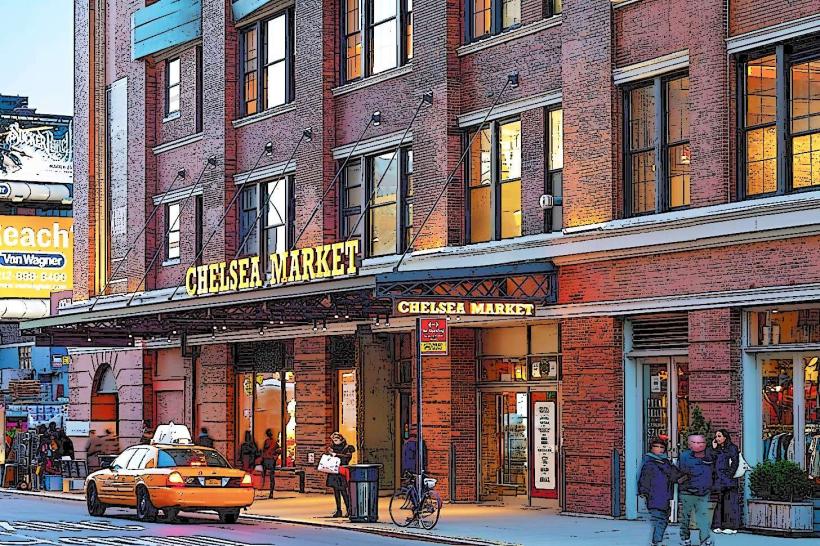
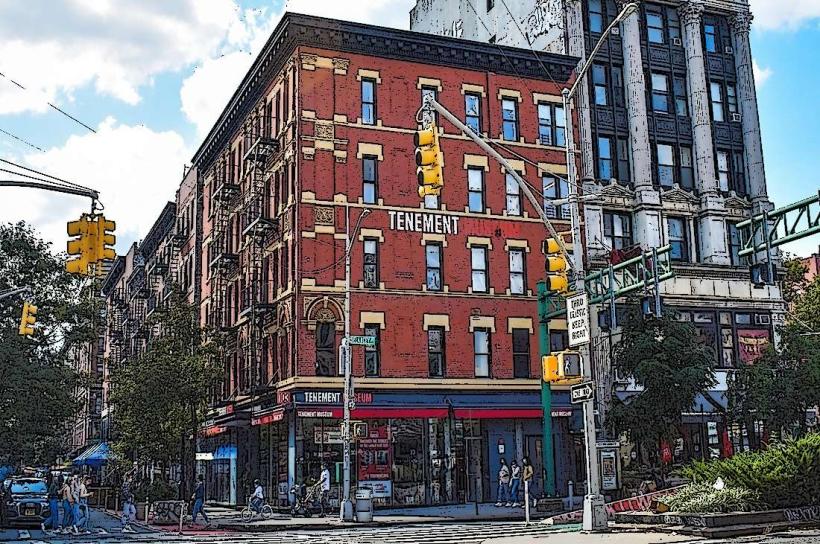
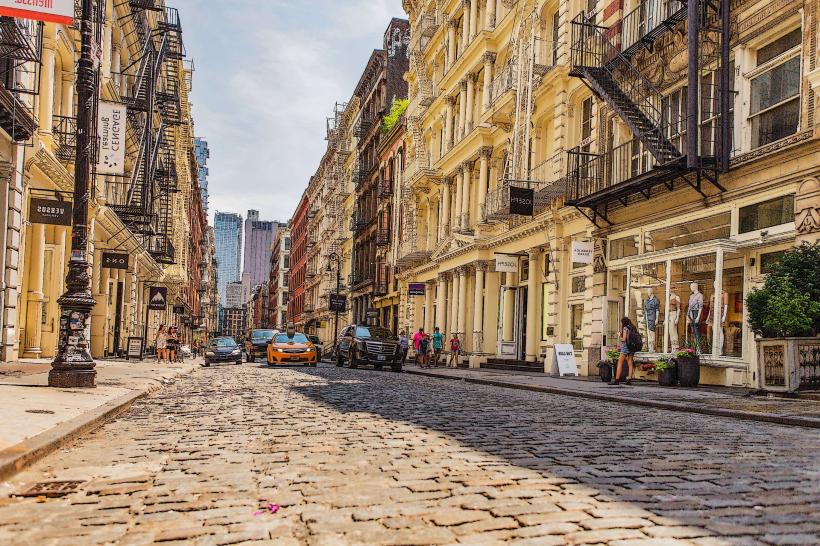
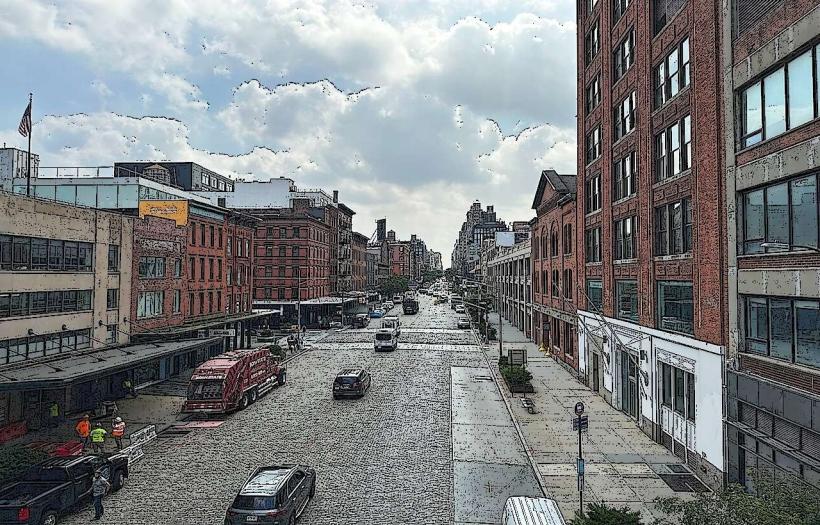
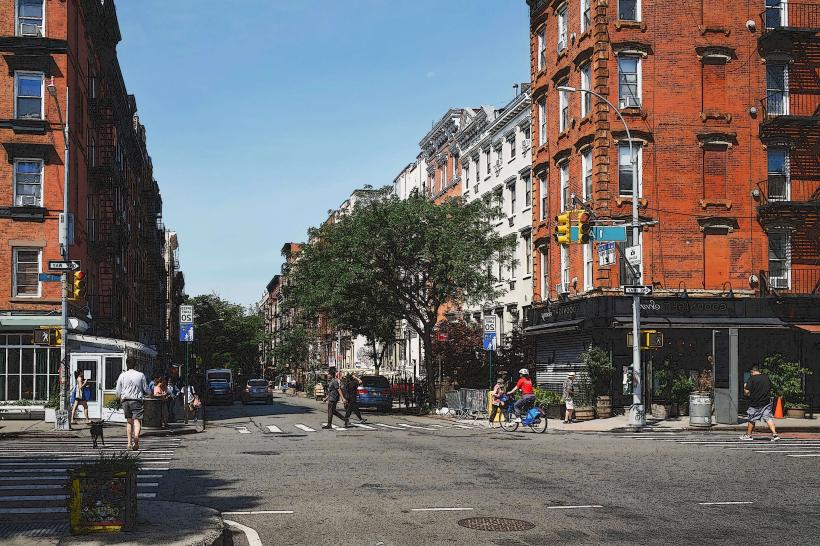
Buildings in Tribeca are predominantly constructed from cast-iron and brick, with many featuring large, multi-paned windows. The architectural style is largely late 19th and early 20th-century industrial loft buildings. Colors range from deep red brick to weathered grey cast-iron. Building heights typically range from 5 to 12 stories.
Location & Access Logistics
Tribeca is situated in Lower Manhattan, bordered by Chambers Street to the north, Canal Street to the south, Broadway to the east, and the Hudson River to the west. Access from Manhattan's core is via the Holland Tunnel (if driving from New Jersey) or by numerous subway lines. The 1, 2, 3, A, C, E, N, Q, R, W, J, and Z trains all have stops within or adjacent to the neighborhood. Parking is primarily available in commercial garages, with street parking being highly restricted and metered. Several bus routes, including the M20 and M22, serve the area.
Historical & Ecological Origin
Tribeca's origins trace back to the mid-19th century when it developed as a manufacturing and warehousing district. The name "Tribeca" is an acronym for "Triangle Below Canal Street." The area's characteristic cast-iron buildings were constructed between the 1840s and 1920s, serving the needs of industries like textiles and shipping. The district's industrial function declined in the mid-20th century, leading to a period of revitalization and conversion of these buildings into residential lofts and commercial spaces.
Key Highlights & Activities
Exploration of the neighborhood's architectural streetscapes is a primary activity. Visits to art galleries, such as the New York City Fire Museum, are possible. Dining at restaurants and cafes is a common pursuit. Walking tours focusing on architecture or history are available through various local operators.
Infrastructure & Amenities
Restrooms are available within most commercial establishments (restaurants, cafes, museums). Shade is provided by building overhangs and street trees. Cell phone signal (4G/5G) is generally strong throughout the neighborhood. Numerous food vendors and restaurants are located within Tribeca and its immediate surroundings.
Best Time to Visit
For photography, early morning or late afternoon light offers optimal illumination of the building facades. Weekday mornings and afternoons are generally less crowded than weekends. There are no specific tidal requirements for visiting Tribeca.
Facts & Legends
A notable historical oddity is the presence of the New York City Fire Museum, housed in a former 1906 firehouse, which preserves the history of firefighting in the city. The area's loft conversions have made it a sought-after residential location, with many former industrial spaces now commanding high property values.
Nearby Landmarks
- 0.3km North: City Hall Park
- 0.5km East: Chinatown
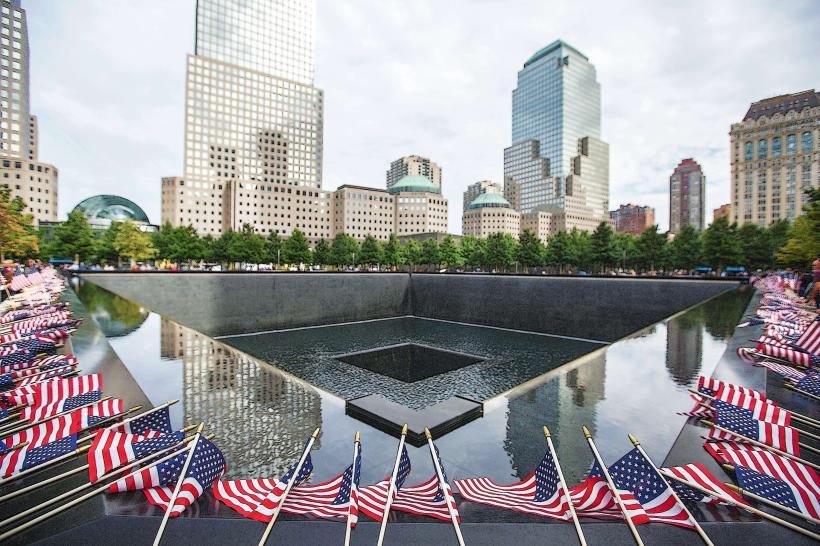
- 0.7km South: World Trade Center Site
- 1.2km West: Hudson River Park
- 1.5km Northeast: SoHo