Information
Landmark: Ulus SquareCity: Ankara
Country: Turkey
Continent: Asia
Ulus Square, Ankara, Turkey, Asia
Ulus Square (Ulus Meydanı) is one of the most historically significant and iconic locations in Ankara, Turkey. As a major city square, it serves as a central point for both tourism and local life. Its location at the heart of the city makes it a hub of activity and a key landmark for anyone visiting or residing in Ankara.
History and Background
Historical Significance: Ulus Square has deep roots in the history of Ankara and Turkey, being one of the city's oldest areas. It has been a witness to major events in Turkey's history, especially during the period of the Turkish War of Independence and the foundation of the Turkish Republic. Ulus has long been a place of gathering for political and public events.
Urban Development: Ulus Square has undergone several transformations over the years. It was once a marketplace and commercial center before the rise of modern Ankara, especially during the early 20th century. The square played a key role in the establishment of Ankara as the capital of the newly founded Republic of Turkey in 1923.
The Republic's Birthplace: Ulus Square is closely associated with the founding of the Turkish Republic under Mustafa Kemal Atatürk, the country’s first president. The area was a focal point during the early years of the Republic and is home to some important buildings that have historical relevance to Turkey's journey to independence.
Key Features and Landmarks
Ulus Square is not only a transportation hub but also home to several notable landmarks that attract both locals and tourists.
1. Atatürk's Statue
Monument to Atatürk: One of the most prominent features of Ulus Square is the statue of Mustafa Kemal Atatürk, the founder of modern Turkey. Erected in the center of the square, the statue stands as a symbol of the Republic's ideals and commemorates Atatürk’s leadership in the founding of Turkey.
Commemoration: The statue is a place where people gather to honor Atatürk, and it often serves as a focal point for national celebrations such as Republic Day (October 29) and other important events.
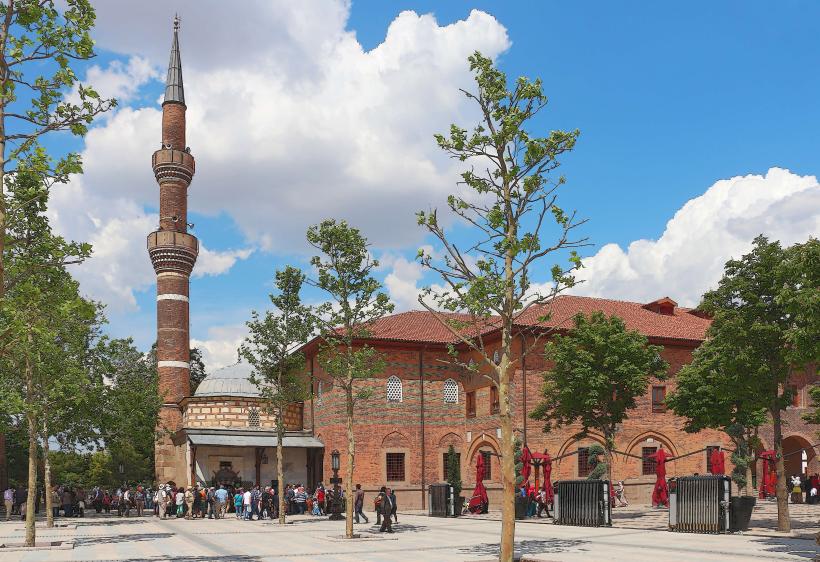
2. Hacı Bayram Mosque
Historical Mosque: Located close to Ulus Square, Hacı Bayram Mosque is one of the oldest and most significant mosques in Ankara. Built in the 15th century, it is named after the renowned Turkish Islamic scholar and poet Hacı Bayram Veli. The mosque is an important religious site and part of the cultural heritage of the area.
Architectural Beauty: The mosque features traditional Ottoman architecture, and it remains an important place of worship in the city. The surrounding Hacı Bayram Veli Complex also houses a tomb and a tekkesi (dervish lodge).
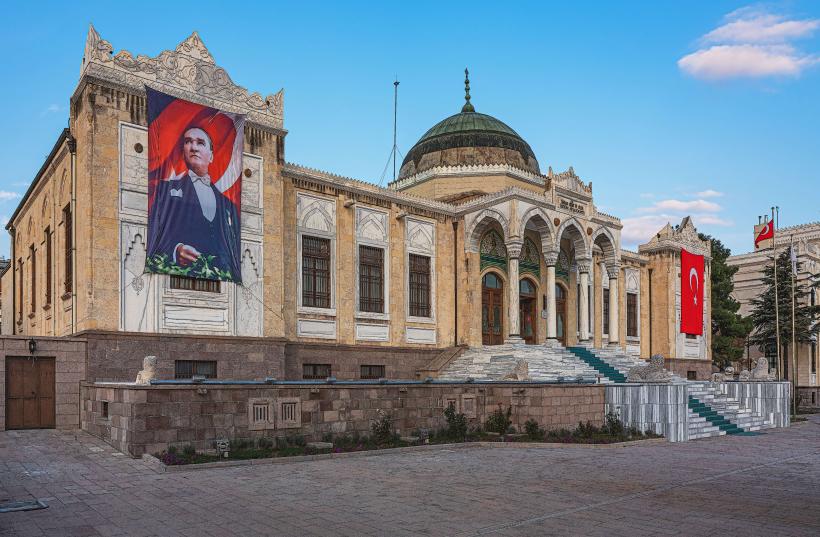
3. The Old Government Building (Eski Hükümet Konağı)
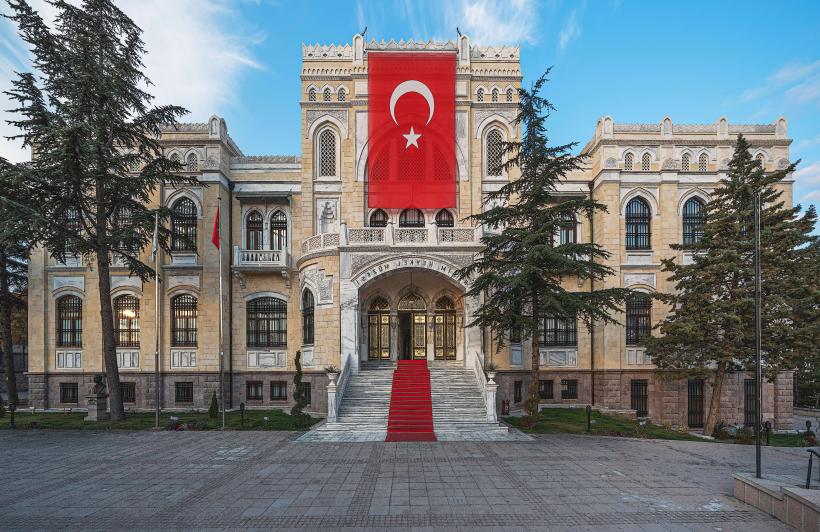
Historical Building: Situated on the edge of Ulus Square, the Old Government Building is an important piece of Ankara’s architectural heritage. It was used as the seat of the government during the early years of the Turkish Republic. Today, the building houses various governmental offices and cultural exhibitions.
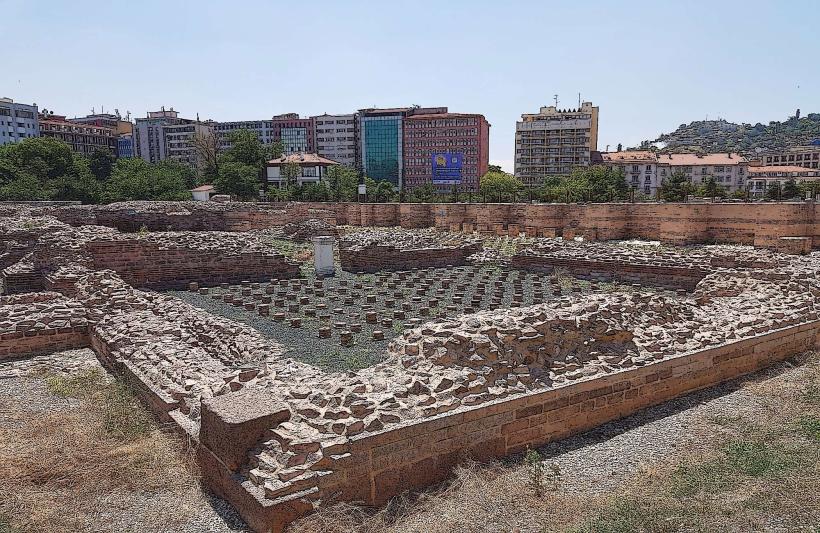
4. The Roman Baths
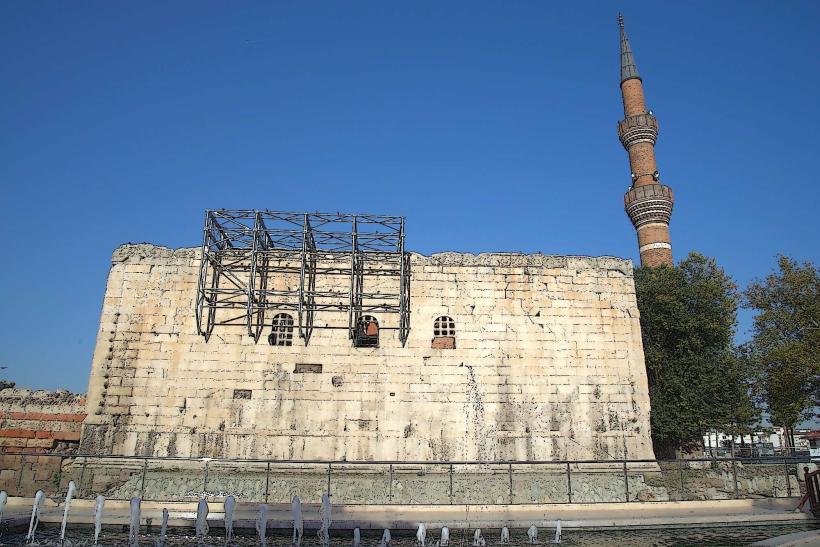
Ancient Ruins: Just a short walk from Ulus Square, visitors can explore the Roman Baths, which date back to the 2nd century AD. These baths are part of Ankara's Roman heritage and offer a glimpse into the ancient civilization that once thrived in the area.
5. Ankara Castle (Ankara Kalesi)
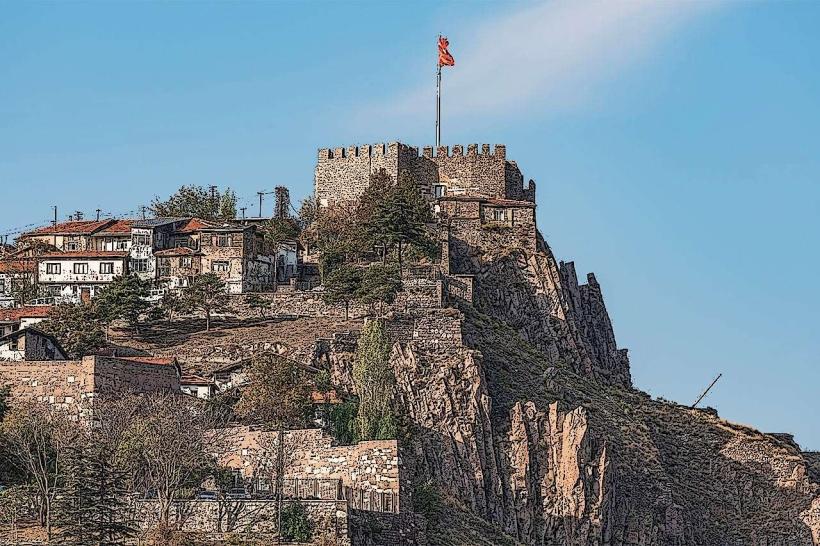
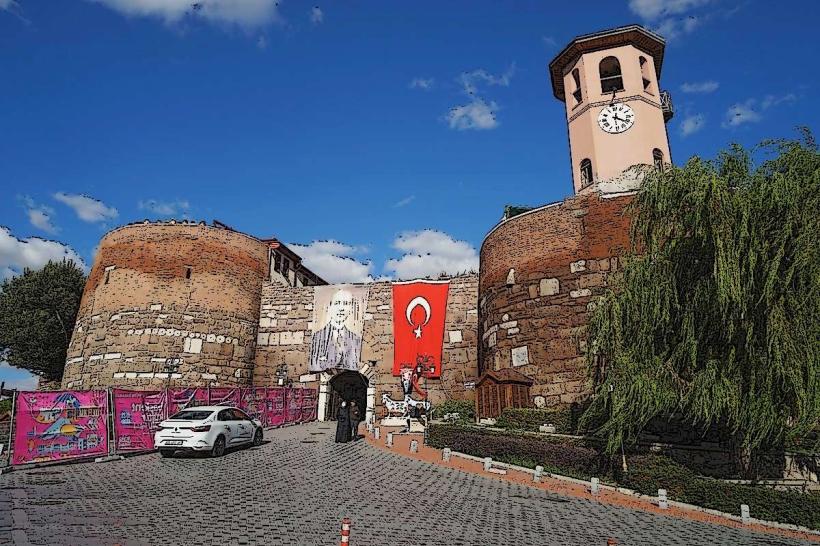
Nearby Landmark: Ulus Square is also located near Ankara Castle, a fortress that has stood for centuries. The castle offers spectacular views of the city and is a great spot for tourists looking to learn more about Ankara’s history.
Transportation Hub
Central Location: Ulus Square serves as an important transportation hub in the city. Several bus lines, metro stations, and taxi stands are located around the square, making it an easily accessible area from different parts of Ankara.
Metro Station: The Ulus Metro Station, which is part of Ankara's light rail network, connects the square to other districts in the city, including key areas like Kızılay and Sıhhiye.
Cultural and Social Life
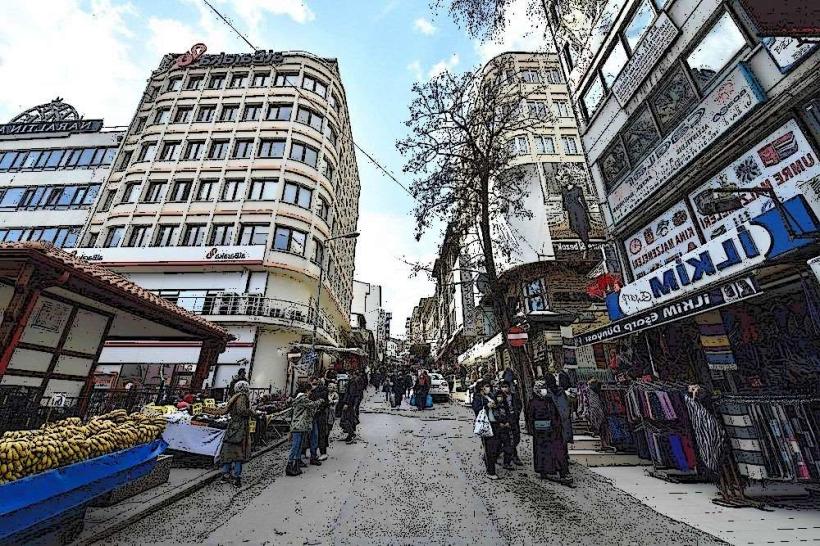
A Gathering Place: Ulus Square is a central meeting point for both locals and tourists. It is a lively area where people gather to socialize, shop, and explore the surrounding historical sites.
Shops and Markets: The square is surrounded by numerous shops, restaurants, and cafes, which cater to visitors who want to experience the local culture. The area is also home to traditional Turkish bazaars and markets, where visitors can purchase a variety of goods, from handmade crafts to local foods.
Public Events and Demonstrations
Political and Cultural Events: Ulus Square is frequently used for public events, protests, and cultural activities. Its central location and historical importance make it an ideal spot for national celebrations, ceremonies, and commemorations.
Republic Day Celebrations: On October 29th, Turkey’s Republic Day, Ulus Square becomes the center of the celebrations, with official ceremonies, parades, and cultural activities honoring the founding of the Turkish Republic.
Nearby Attractions
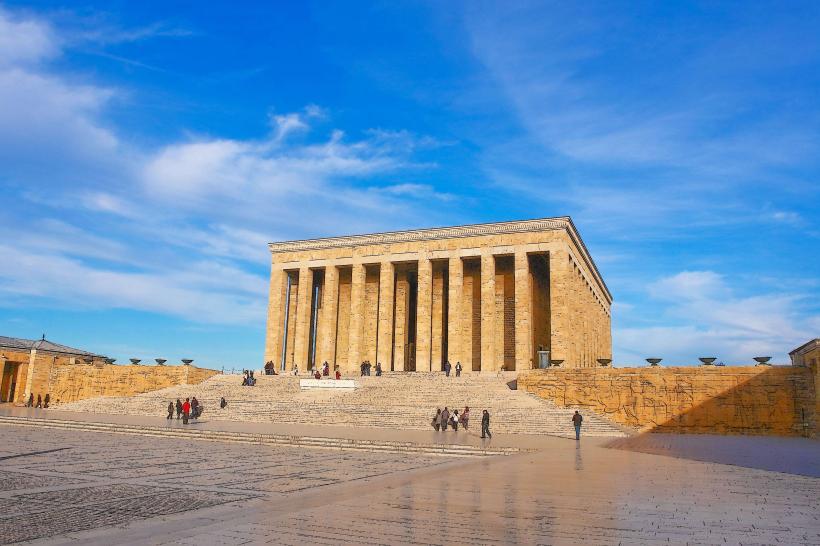
Atatürk's Mausoleum (Anıtkabir): Though not directly in Ulus Square, the mausoleum of Mustafa Kemal Atatürk is a short drive away and remains one of the most important landmarks in Ankara, attracting both Turkish citizens and international visitors.
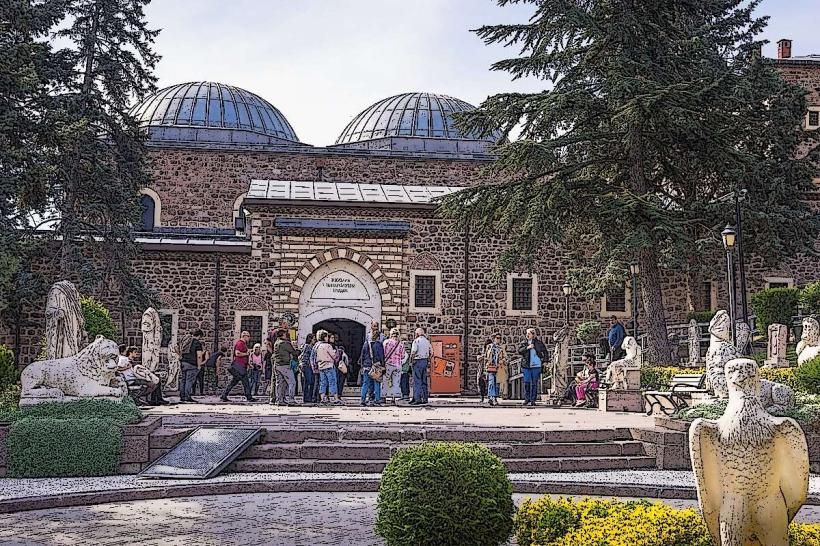
Museum of Anatolian Civilizations: Located nearby, this museum showcases ancient artifacts and is dedicated to the rich history of the Anatolian region, making it a great complement to a visit to Ulus Square.
Conclusion
Ulus Square is a central and historical part of Ankara, where the old and new merge. It is not only a transportation and commercial hub but also a space filled with historical landmarks, cultural significance, and public life. From the Atatürk statue to the Hacı Bayram Mosque and the Roman Baths, Ulus Square offers visitors a rich cultural experience. Whether you're exploring the city’s past, attending a national event, or simply enjoying a walk through the square, Ulus remains a must-visit destination in Ankara.