Information
Landmark: University of Central Oklahoma CampusCity: Edmond
Country: USA Oklahoma
Continent: North America
University of Central Oklahoma Campus, Edmond, USA Oklahoma, North America
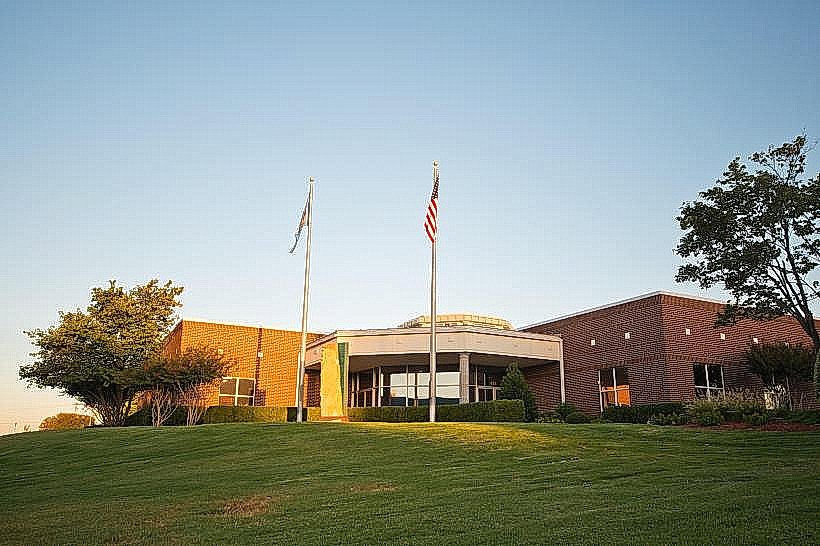
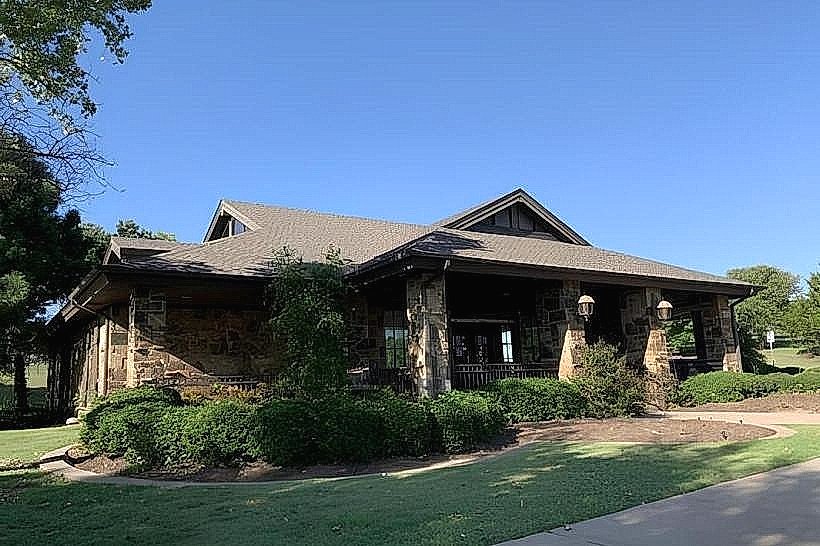
The University of Central Oklahoma (UCO) campus, located in Edmond, Oklahoma, is a historic and modern higher education environment blending academic facilities, cultural landmarks, green spaces, and student life amenities. Established in 1890 as the Territorial Normal School, UCO has grown into one of Oklahoma’s largest public universities, with a campus that reflects both its rich heritage and contemporary educational mission.
History and Development
The campus began as a teacher-training institution and evolved over the decades into a comprehensive university offering undergraduate, graduate, and professional programs. Key historical milestones include the construction of iconic buildings in the early 20th century and significant campus expansions in the late 20th and early 21st centuries to accommodate growing enrollment and modern academic needs. The campus maintains a balance between preserved historic structures and new facilities designed for technology, research, and student engagement.
Campus Layout
UCO’s campus spans approximately 300 acres in central Edmond and is organized into distinct zones:
Academic Core: Central area housing major academic buildings, including classrooms, lecture halls, administrative offices, and specialized facilities for arts, sciences, and professional studies.
Residential Areas: Dormitories, apartment-style housing, and student living communities are integrated throughout the campus, supporting both undergraduate and graduate students.
Cultural and Arts District: Home to the Max Chambers Library, University Theatre, Mitchell Hall, and art galleries, fostering arts education and community engagement.
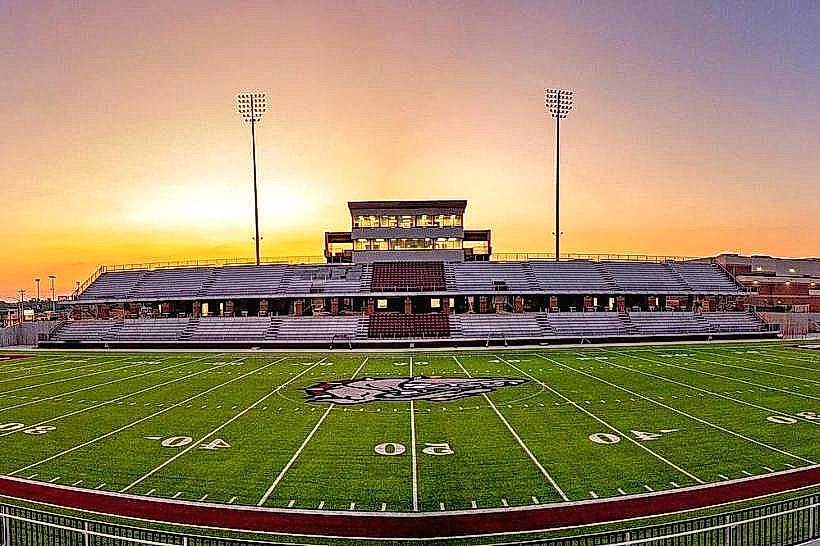
Athletic Facilities: Included are Broncho Stadium, the Wellness Center, intramural fields, and fitness facilities for student and community use.
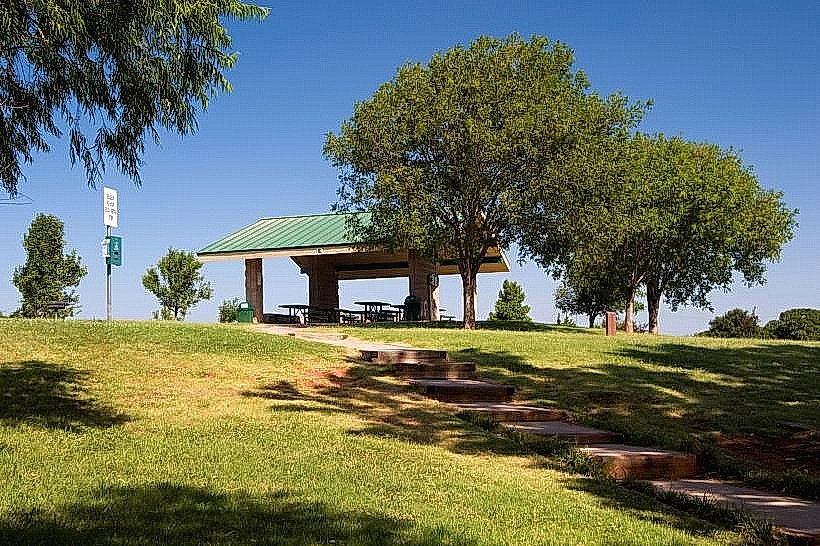
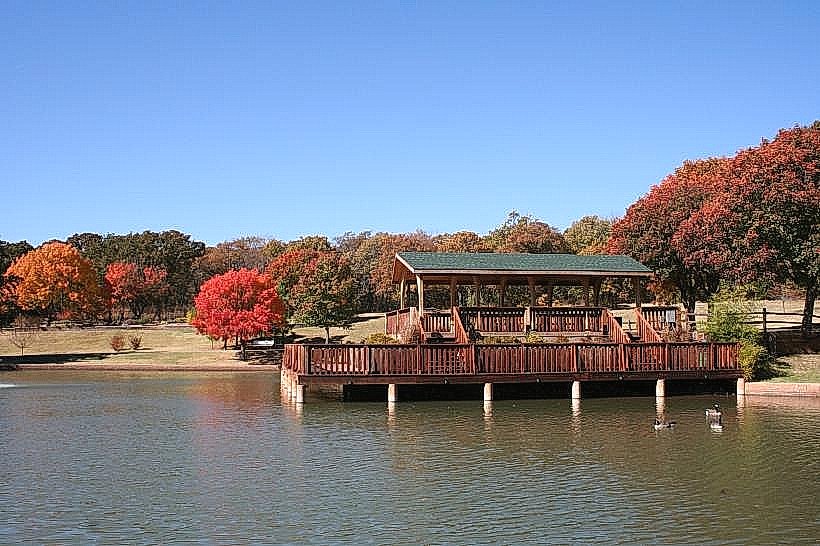
Green Spaces and Recreation: Lawns, courtyards, walking paths, and landscaped areas provide spaces for relaxation, study, and outdoor activities.
The campus design emphasizes pedestrian accessibility, with pathways, bike lanes, and open spaces linking academic, residential, and recreational areas.
Notable Buildings and Facilities
Max Chambers Library: The primary academic library offering extensive print and digital resources, study spaces, and research support services.
Broncho Stadium: Athletic venue for university sports and community events.
University Theatre and Art Galleries: Cultural hubs for performances, exhibitions, and student showcases.
Wellness Center: Modern fitness and recreation facilities, including gyms, courts, and group exercise spaces.
Education and Science Buildings: State-of-the-art classrooms and laboratories supporting UCO’s teacher education, sciences, and health programs.
Campus Life
UCO offers a vibrant student life environment, with numerous clubs, organizations, and leadership opportunities. The campus supports cultural, academic, and recreational programs, including lectures, performances, sports, and community service initiatives. Residential life programs foster engagement and provide students with social and academic support.
Visitor Tips
Parking and Transportation: Multiple visitor and student parking lots are available, with clear signage and accessible routes. Bicycle racks and pedestrian-friendly paths enhance mobility.
Accessibility: Buildings and pathways are designed to accommodate visitors with disabilities, including ramps, elevators, and accessible restrooms.
Guided Tours: Campus tours are offered for prospective students, families, and visitors, highlighting historical landmarks, academic facilities, and student life areas.
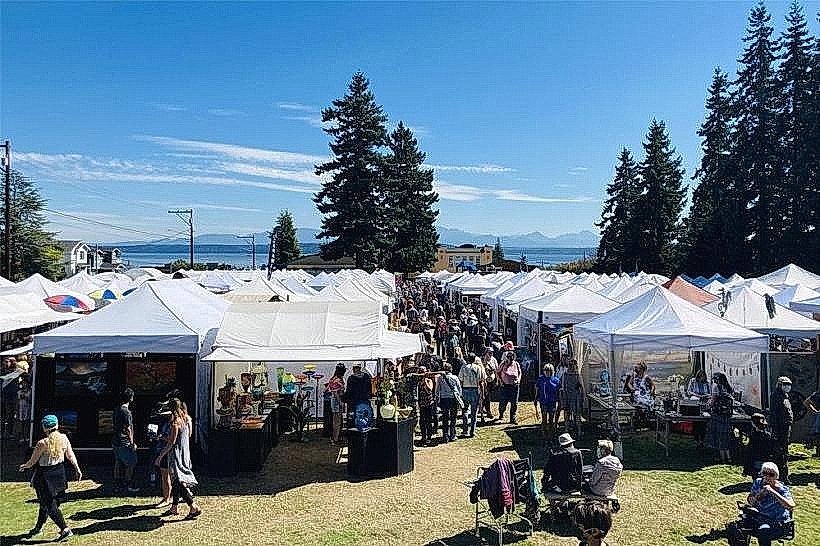
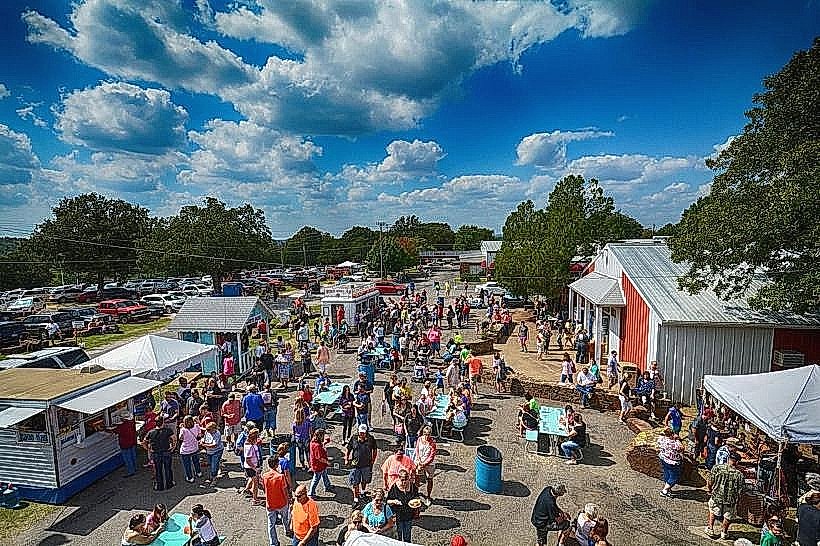
Events: UCO regularly hosts cultural events, performances, sports competitions, and public lectures open to the community.
The University of Central Oklahoma campus represents a balance of historical preservation, academic excellence, and modern amenities. Its thoughtfully organized layout, cultural institutions, athletic facilities, and green spaces create an engaging environment for learning, recreation, and community involvement.