Information
Landmark: Valle de RocasCity: Uyuni
Country: Bolivia
Continent: South America
Valle de Rocas, Uyuni, Bolivia, South America
Valle de Rocas (Rock Valley) is a striking and unique natural formation located in the Potosí Department of Bolivia, near the town of Atocha, not far from the famous Salar de Uyuni and the Eduardo Avaroa National Reserve. It is a breathtaking landscape characterized by towering rock formations, mysterious valleys, and cactus-filled plains. Valle de Rocas is often included as a stop on tours to the Salar de Uyuni, offering visitors a chance to explore an area that seems to come from another world due to its unusual geological features.
Key Features of Valle de Rocas:
Geological Formation:
- Valle de Rocas is primarily known for its oddly shaped rock formations that have been sculpted over millions of years by wind erosion and water activity. The result is a landscape full of jagged peaks, rock pillars, and rounded boulders that rise dramatically from the flat desert terrain, creating a surreal, almost otherworldly effect.
- The valley is often compared to other famous rock formations found in places like Monument Valley in the United States due to its striking resemblance in appearance, though the landscape is less visited and offers a more remote and tranquil experience.
Landscape and Natural Beauty:
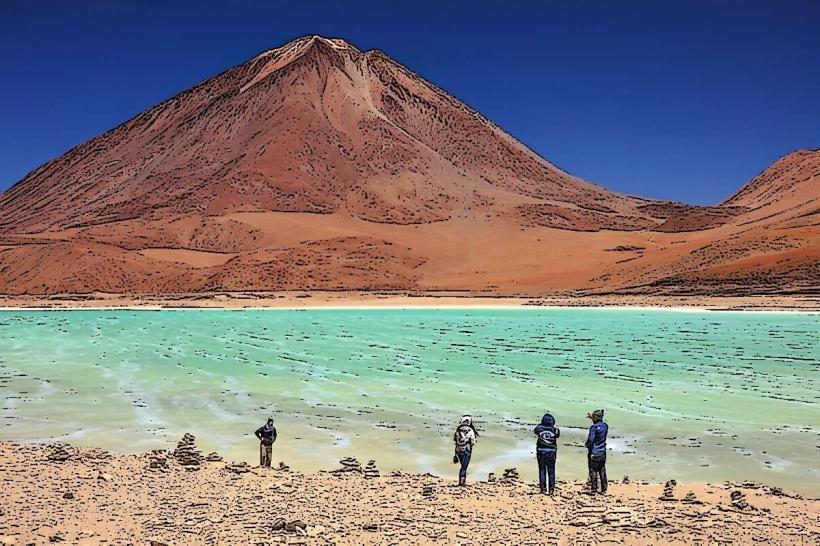
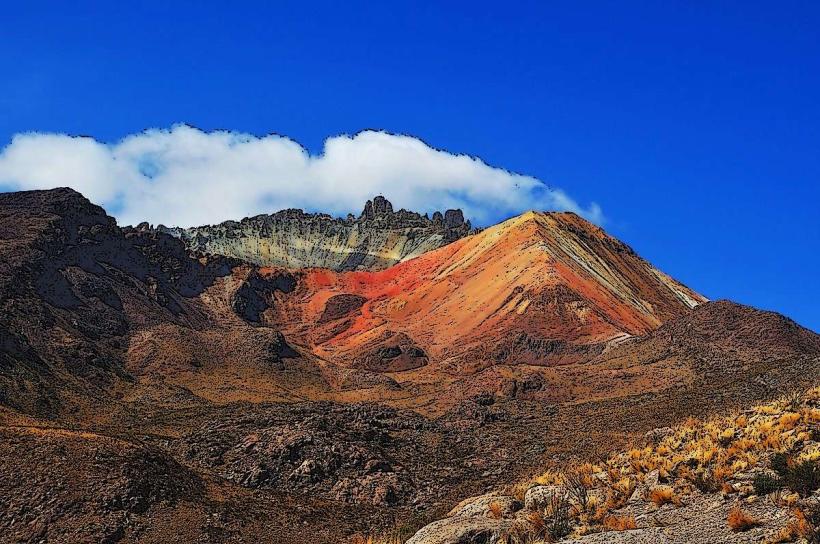
- The valley is set against the backdrop of distant mountain ranges, with towering, weathered rocks scattered across the plains. These rocks are often reddish-brown or yellow, and the combination of sunlight and shadows at different times of the day creates a dynamic landscape filled with color contrasts.
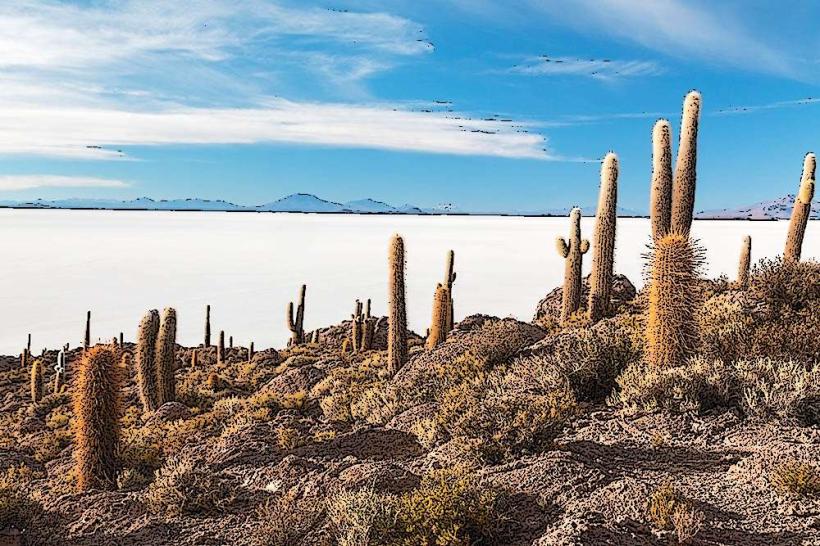
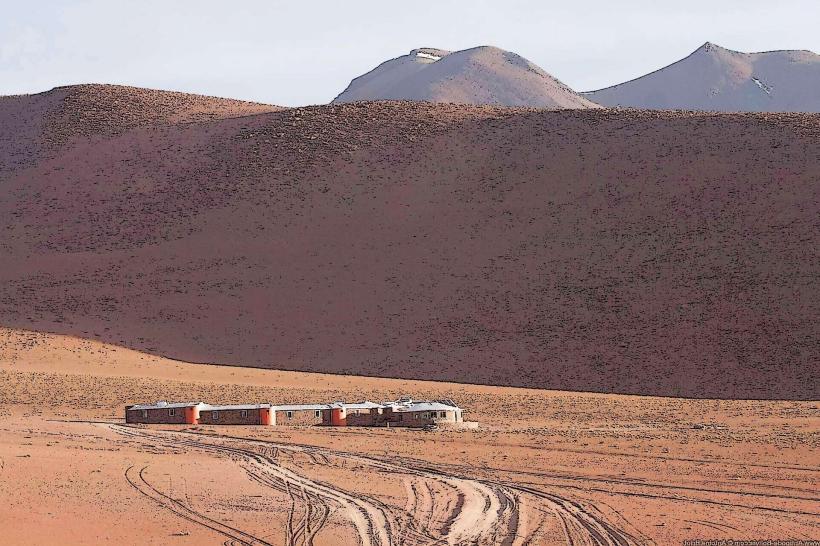
- The dry, desert-like conditions of the valley are typical of the Altiplano region, but the unique rock formations and cactus-filled fields make it a photogenic spot, especially for those with an interest in geological formations and dramatic landscapes.
Flora and Fauna:
- Valle de Rocas is part of a broader ecosystem that includes the high-altitude desert of southern Bolivia. While the valley itself is mostly barren, there are areas where cacti and low-lying bushes grow, adding green accents to the otherwise arid landscape.
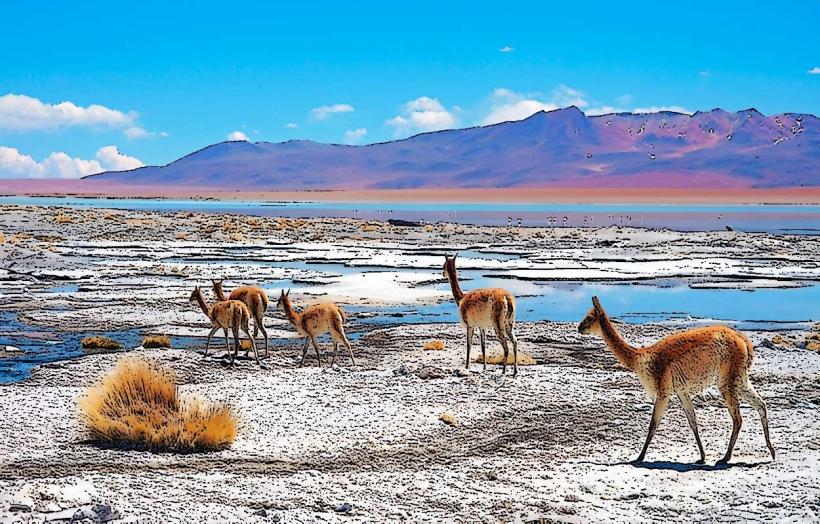
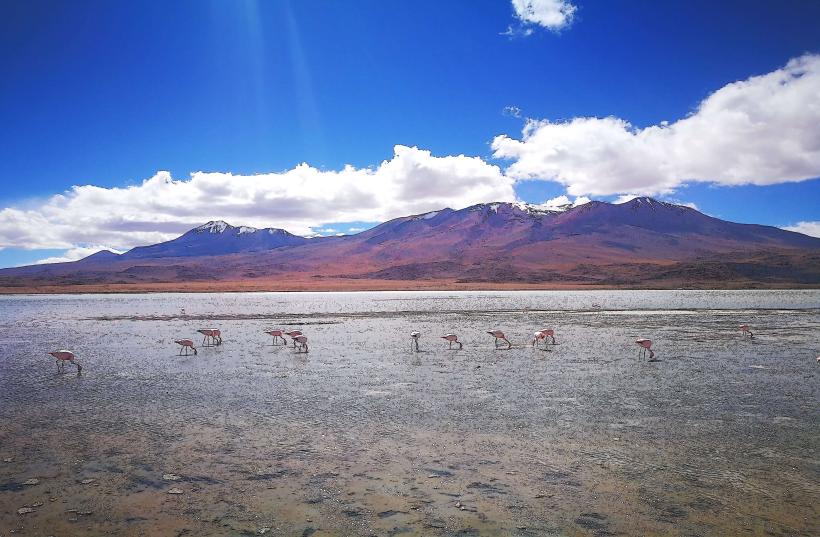
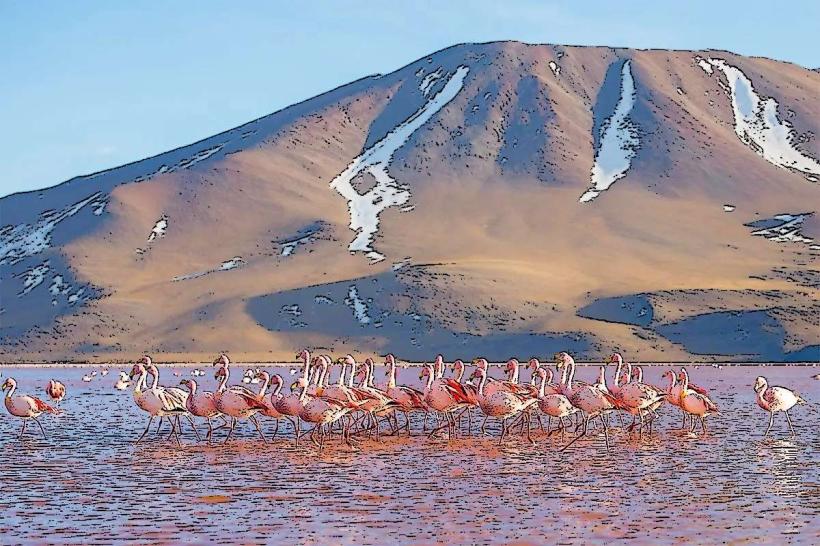
- The area is also home to a variety of Andean wildlife, including llamas, vicunas, and guanacos, which can often be seen grazing in the area. In addition, birds such as flamingos (who migrate to nearby lakes) and condors occasionally fly overhead, contributing to the diversity of life in this otherwise harsh environment.
Cultural Significance:
- Like many regions of Bolivia’s Altiplano, Valle de Rocas is of great cultural importance to the Aymara and Quechua peoples. While the valley itself is not a well-known site for ancient ruins or archaeological finds, the surrounding area is rich in cultural heritage, and the landscape is likely to have been of spiritual significance to local communities.
- The valley is not heavily populated, but there are small villages nearby where travelers can learn about the culture and traditions of the local communities. Many locals are involved in farming, herding, and handicrafts that reflect the deep connection between the land and the people.
Tourism:
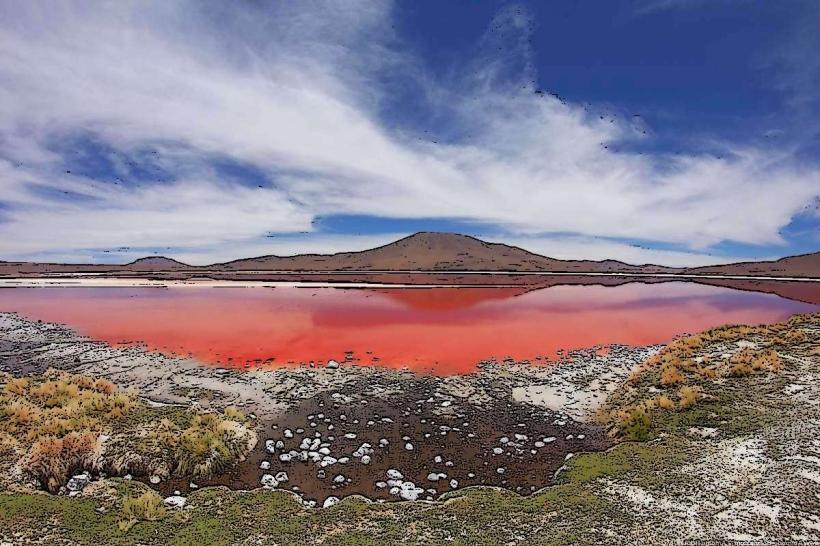
- Valle de Rocas is still somewhat off the beaten path compared to more famous Bolivian attractions like the Salar de Uyuni or the Laguna Colorada. However, it is a popular stop for tourists who are traveling to the Salar de Uyuni as part of multi-day 4x4 tours in the Eduardo Avaroa National Reserve or other regions of southern Bolivia.
- The valley offers a great opportunity for hiking and exploration, where visitors can wander through the rock formations, enjoy the silence of the area, and capture stunning photographs of the landscape. Its remoteness means that visitors can enjoy an experience that is less commercialized and closer to nature.
- It is not usually a primary destination for tourists, which makes it even more appealing for those seeking tranquility and a break from more popular locations.
Accessibility:
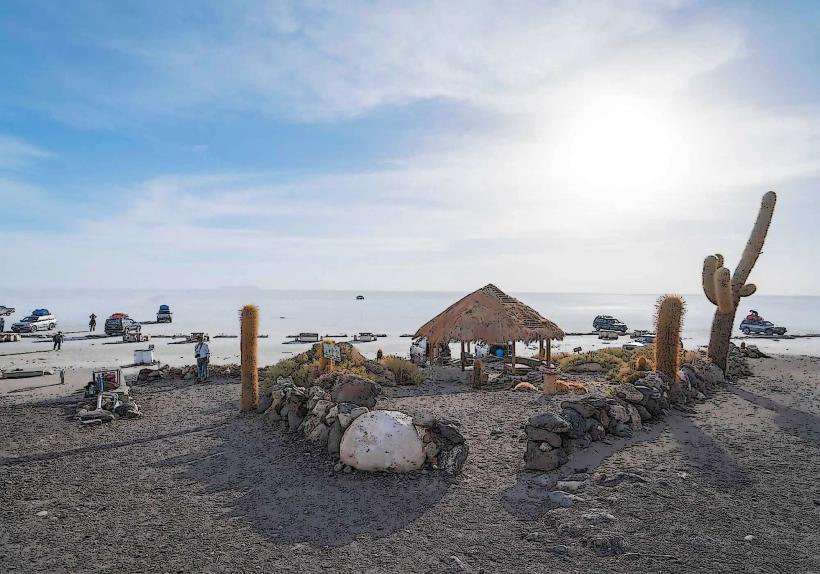
- Valle de Rocas is accessible primarily by 4x4 vehicle from Atocha or other nearby towns. The terrain is rugged, and the area is often reached as part of guided tours to other landmarks in southern Bolivia.
- It is situated in a remote area, and there are no major facilities or accommodations directly within the valley, so most visitors will need to stay in nearby towns like Atocha or Uyuni and travel by vehicle to the valley as a day trip or part of a longer itinerary.
Photographic and Recreational Opportunities:
- Photographers and nature enthusiasts find Valle de Rocas particularly appealing for the otherworldly landscapes it offers. The combination of towering rock spires, expansive desert vistas, and changing light conditions creates a dynamic environment perfect for both landscape photography and adventure photography.
- The unique geology of the region offers an opportunity for geological exploration, and the varied terrain is ideal for those interested in hiking and birdwatching.
Conclusion:
Valle de Rocas is a hidden gem in the Bolivian Altiplano, offering visitors a rare opportunity to witness striking rock formations in a desolate but beautiful landscape. The surreal, otherworldly scenery combined with its geological and ecological diversity makes it a unique stop for those exploring the Eduardo Avaroa National Reserve and Salar de Uyuni regions. Whether you're interested in photography, hiking, or simply taking in the beauty of this isolated corner of Bolivia, Valle de Rocas promises an unforgettable experience in one of the most remote and awe-inspiring landscapes in the world.