Information
Landmark: Whitefish Dunes State ParkCity: Green Bay
Country: USA Wisconsin
Continent: North America
Whitefish Dunes State Park, Green Bay, USA Wisconsin, North America
Whitefish Dunes State Park is a protected natural area located on the eastern shore of Wisconsin, adjacent to Lake Michigan.
This park preserves a significant portion of the Lake Michigan shoreline, featuring diverse habitats including sand dunes, forests, and wetlands.
Visual Characteristics
The park's primary visual feature is its extensive sand dune system, composed of fine, light-colored sand. Lake Michigan's water along the shoreline exhibits a range of blues and greens, varying with depth and light conditions. Inland, the vegetation transitions from sparse dune grasses to dense deciduous and coniferous forests, with mature trees such as maple, oak, and pine. The elevation changes are gradual, with dunes reaching heights of up to 50 feet above the lake level.
Location & Access Logistics
Whitefish Dunes State Park is situated approximately 15 miles northeast of Sturgeon Bay, Wisconsin. Access is via County Road TT, which connects to State Highway 57. The park entrance is clearly marked from County Road TT. Ample parking is available at designated lots near the beach, visitor center, and trailheads. Public transport options directly to the park are limited; visitors typically rely on private vehicles. The nearest major city with extensive public transport is Green Bay, approximately 50 miles to the southwest.
Historical & Ecological Origin
The sand dunes at Whitefish Dunes State Park are a result of aeolian processes, where prevailing winds from Lake Michigan have shaped and transported sand over millennia. The park's ecological origin is rooted in the post-glacial landscape of the Great Lakes region. The area was historically inhabited by Native American tribes before European settlement. The park was established in 1970 to protect its unique dune ecosystems and shoreline from development.
Key Highlights & Activities
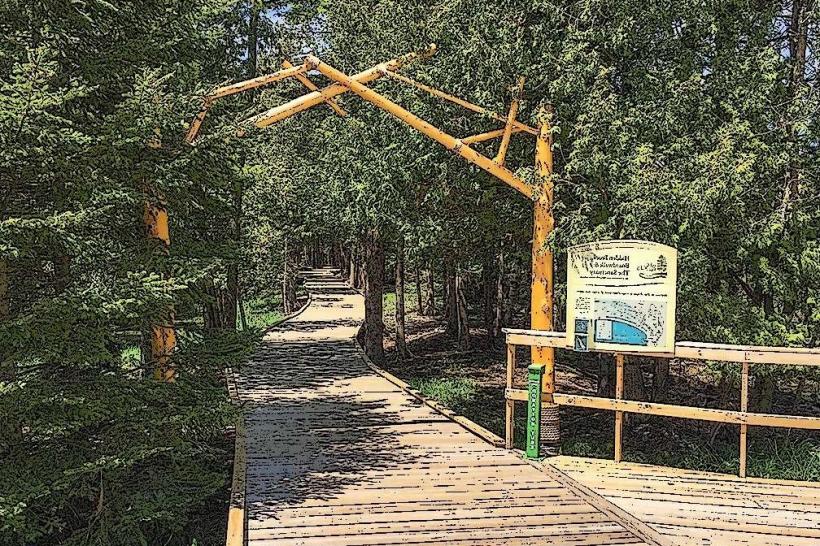
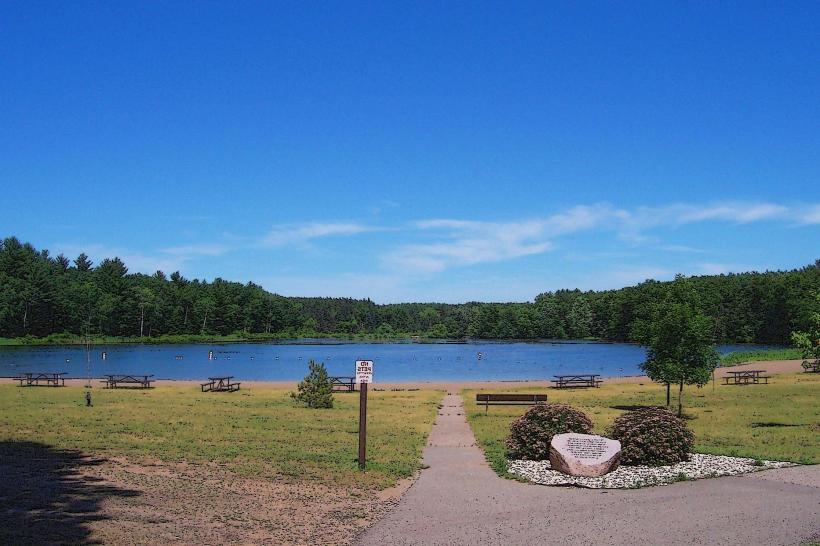
Activities include hiking on marked trails such as the 1.5-mile Red Trail through the forest and dunes, and the 0.5-mile boardwalk trail to the beach. Swimming and sunbathing are permitted on the designated beach area. Birdwatching is a common activity, particularly during migration seasons. Fishing is allowed in designated areas of Lake Michigan. Interpretive programs are offered seasonally at the visitor center.
Infrastructure & Amenities
Restrooms are available at the main beach parking area and the visitor center. Picnic tables and grills are located in several day-use areas. Shade is provided by the forest canopy in inland areas and by limited tree cover near the beach. Cell phone signal (4G/5G) is generally available within the park, though it may be intermittent in more remote sections. Food vendors are not present within the park; visitors should bring their own provisions or utilize facilities in nearby communities like Valmy or Jacksonport.
Best Time to Visit
For beach activities and swimming, the optimal months are June through August, when water temperatures are highest. For hiking and wildlife observation, late spring (May) and early autumn (September-October) offer cooler temperatures and fewer crowds. The best time of day for photography, particularly of the dunes and lake, is during the early morning or late afternoon when the sun angle creates longer shadows and warmer light. High tide can affect beach accessibility in some areas.
Facts & Legends
A notable geological feature is the "Old Baldy" dune, one of the largest active dunes in Wisconsin, which has been observed to migrate inland over time. Local folklore sometimes refers to the "singing sands" phenomenon, where dry sand underfoot can produce a squeaking sound due to the friction of uniformly rounded quartz grains.
Nearby Landmarks
- Cave Point County Park - 3km Northeast
- Potawatomi State Park - 12km Southwest
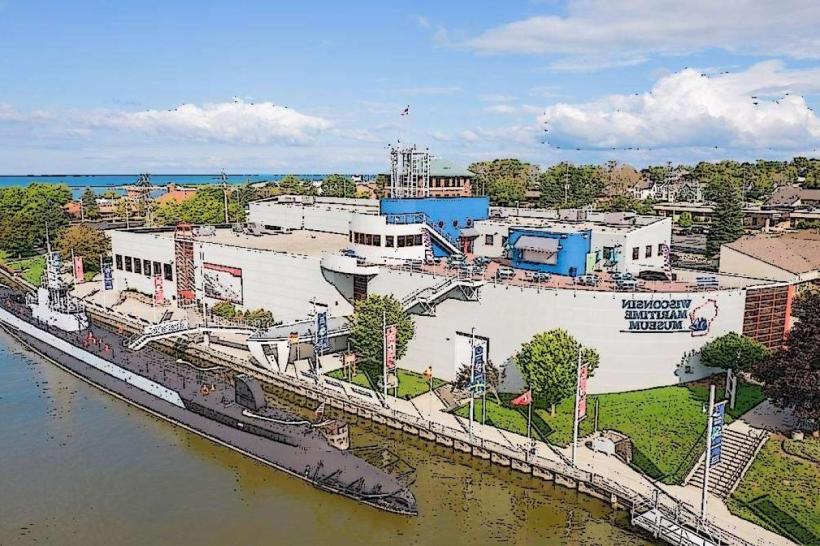
- Door County Maritime Museum - 14km Southwest
- Jacksonport - 4km North
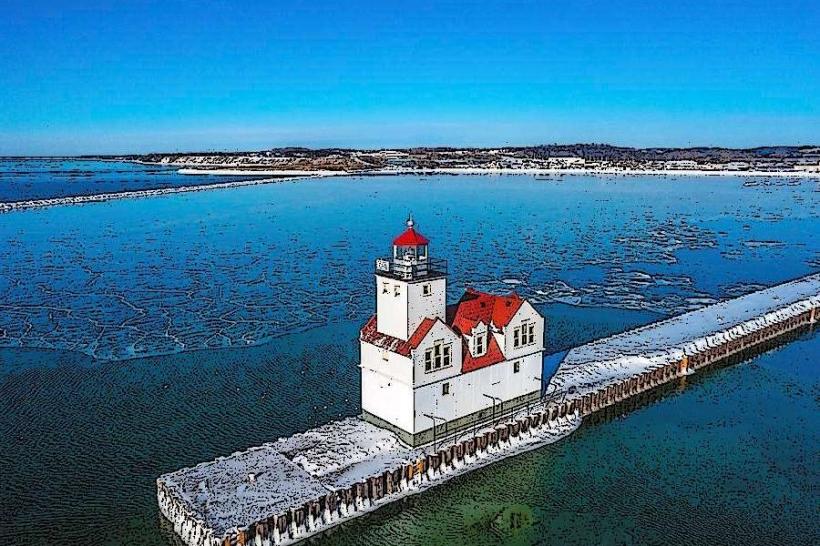
- Sturgeon Bay Ship Canal Pierhead Lighthouse - 15km Southwest