Information
Landmark: Zemun Old TownCity: Belgrade
Country: Serbia
Continent: Europe
Zemun Old Town, Belgrade, Serbia, Europe
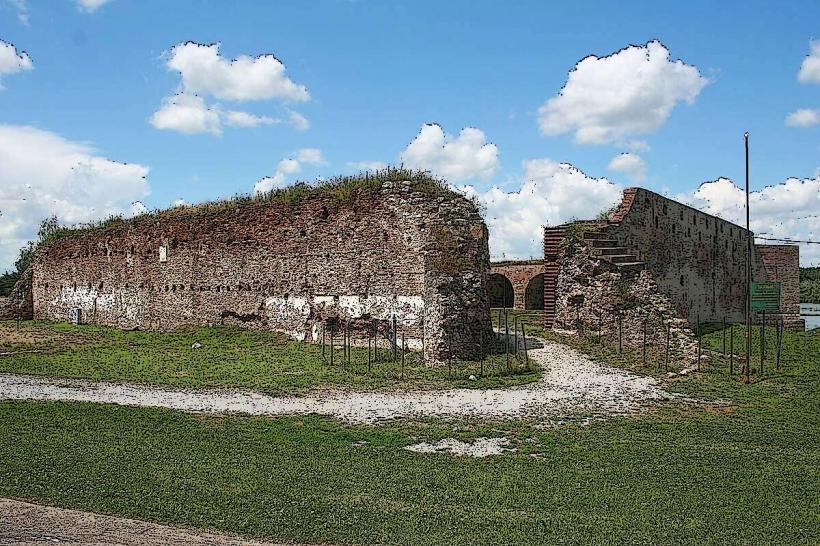
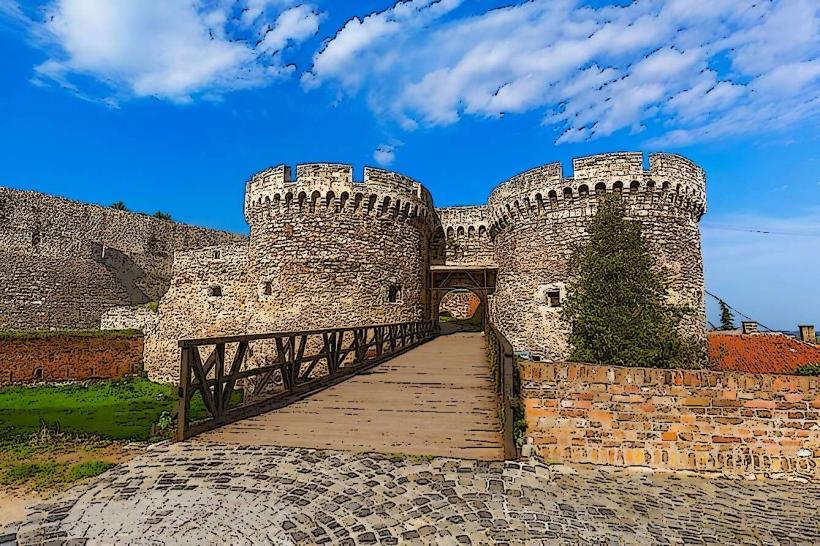
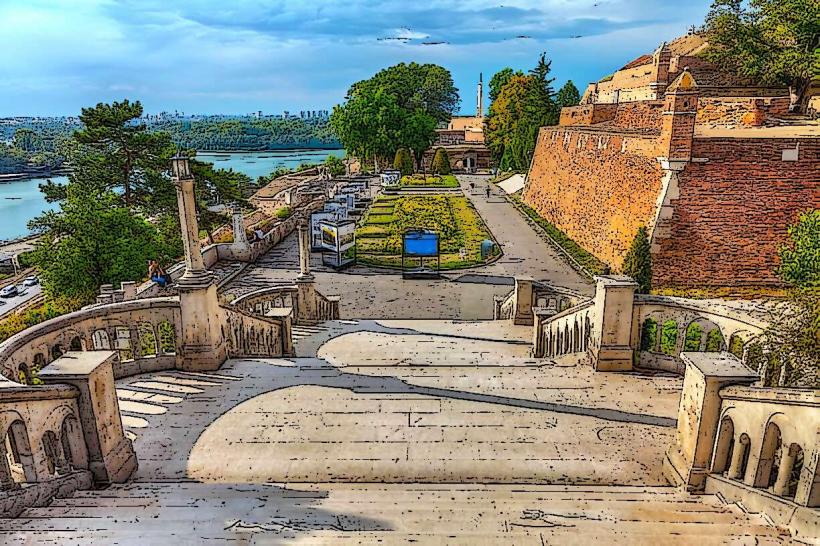
Zemun Old Town is one of the most charming and historic areas in Belgrade, Serbia. Located on the banks of the Danube River, Zemun was once a separate town, with a distinct cultural and architectural identity, before it was incorporated into Belgrade in the 1930s. Today, Zemun retains much of its unique character, making it a popular destination for both locals and visitors seeking to explore its historical streets, quaint atmosphere, and picturesque riverfront.
Historical Overview:
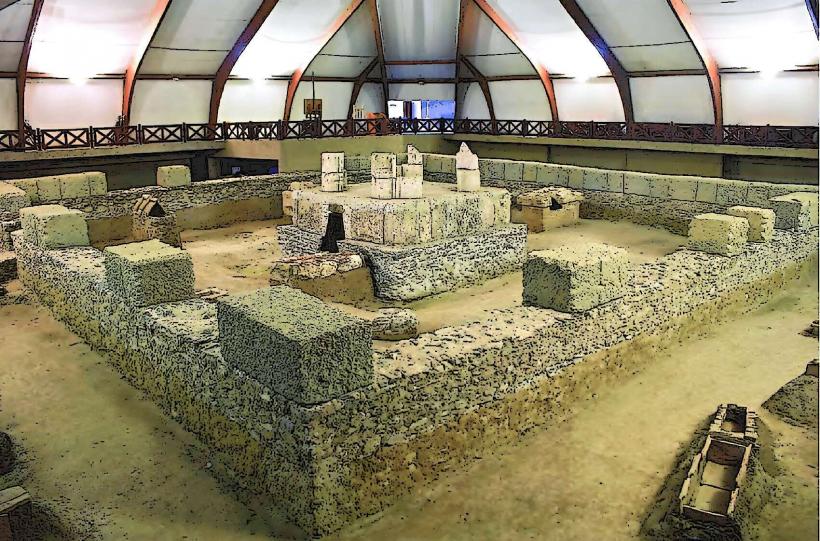
Zemun's history dates back to Roman times, when it was known as Sirmium and served as a major center of the Roman Empire. Over the centuries, Zemun has been ruled by various powers, including the Ottomans, Austrians, and Hungarians, which has left a rich cultural heritage reflected in its architecture and traditions.
Roman and Medieval History:
Zemun was founded in Roman times as part of the province of Pannonia, and it later became an important settlement during the Middle Ages. The town has been known by various names throughout history, including Sirmium during the Roman period, and Zemun under later rulers.
Ottoman and Austrian Rule:
Zemun was under Ottoman control from the 16th century until the late 17th century. After the Treaty of Karlowitz in 1699, it came under Austrian rule, and its architectural style began to reflect this new influence. The Baroque architecture that emerged during this time is still visible in the area today.
20th Century and Beyond:
In the 20th century, Zemun was integrated into the expanding city of Belgrade. Despite being absorbed into the capital, Zemun has managed to retain its historical charm, with its narrow cobblestone streets, baroque-style buildings, and the distinct atmosphere of a small town within a larger urban area.
Key Attractions in Zemun Old Town:
Gardos Tower (Millennium Tower):
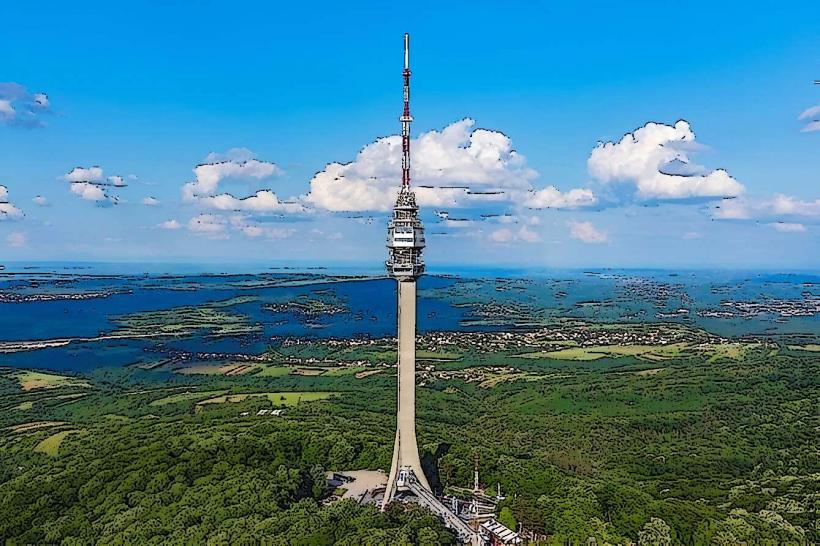
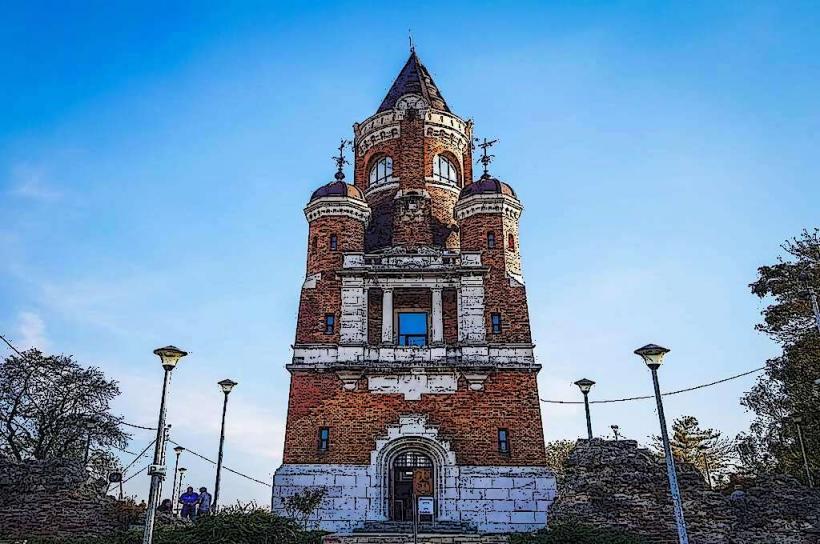
One of the most recognizable landmarks of Zemun, the Gardos Tower (also known as Millennium Tower) stands on Gardos Hill, offering a panoramic view of Zemun and the surrounding area. The tower was built in 1896 to commemorate the 1,000th anniversary of the arrival of the Magyars in the region. Visitors can climb the tower for spectacular views of the Danube River, Belgrade, and the surrounding countryside.
Zemun Quay (Zemunska Rijeka):
The Danube River plays a central role in Zemun’s identity, and the Zemun Quay is one of the most picturesque places in the area. It is a popular spot for strolling, cycling, or relaxing at one of the many cafés and restaurants that line the river. The riverfront offers stunning views of Belgrade, and it’s a favorite location for locals, especially in the warmer months.
Main Square and Zemun Market:
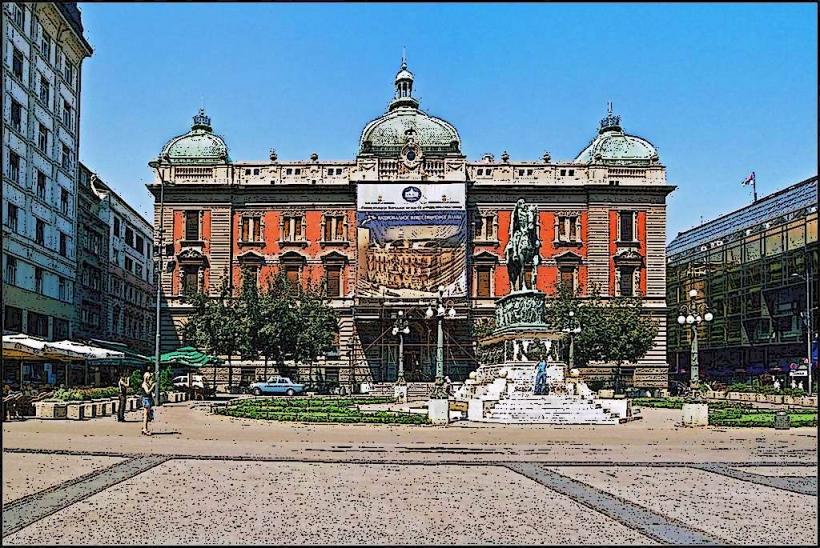
Zemun’s main square is home to the old town hall and is surrounded by historic buildings. The square is often bustling with activity, particularly around the Zemun Market (Zemunska Pijaca), where visitors can buy local produce, fresh fish, and other regional specialties. The market has a vibrant atmosphere and is an excellent place to experience the daily life of Zemun.
St. Nicholas Church:
The Church of St. Nicholas (Crkva Svetog Nikole) is one of the oldest churches in Zemun, dating back to the 18th century. The church is notable for its baroque architecture, beautiful interior, and historical significance. It has served as an important place of worship for the local population for centuries and is a peaceful spot to visit.
The Blue Fountain (Plavi Potočić):
Located near the river, the Blue Fountain is a small, picturesque fountain that is a popular landmark in Zemun. The fountain is surrounded by greenery and offers a lovely place to sit and relax, taking in the beauty of the area.
Zemun Synagogue:
The Zemun Synagogue, which dates back to the 19th century, was one of the most important Jewish structures in the area. Although it is no longer used for worship, the synagogue remains a symbol of the once-thriving Jewish community in Zemun, and visitors can admire its historic architecture.
Vasilije Ostroški Monastery:
The Vasilije Ostroški Monastery is a Serbian Orthodox monastery located near Zemun. It is dedicated to Saint Vasilije Ostroški, and it is a place of pilgrimage for many believers in the region. The monastery’s peaceful atmosphere and beautiful surroundings make it a serene retreat from the bustling town.
Architecture and Atmosphere:
Zemun Old Town is famous for its well-preserved baroque and Austrian-style buildings. The streets are narrow, winding, and cobblestone-paved, creating a nostalgic feel reminiscent of a small European town. The area has a Mediterranean flair, with many charming houses, boutiques, and restaurants that preserve the unique atmosphere of this historical part of Belgrade.
The architecture of Zemun is particularly notable for its blend of Austrian, Ottoman, and Serbian Orthodox styles. Many of the older homes feature intricate facades, wooden shutters, and decorative elements that reflect the town’s rich cultural heritage.
Cuisine and Local Flavor:
Zemun is known for its culinary delights, with a variety of restaurants offering both Serbian and Austrian influenced cuisine. The proximity to the Danube River means that fish dishes, especially carp and fish stew, are particularly popular. There are many riverfront taverns (called salaši) that serve traditional local dishes in a rustic, charming environment.
Visitors can also enjoy local wines, as the area around Zemun is known for producing excellent wines from nearby vineyards. Rakija, the traditional Serbian brandy, is another popular local drink.
Culture and Festivals:
Zemun is also home to several cultural events and festivals throughout the year. The Zemun Summer Festival is one of the most important, featuring live music, theater performances, and art exhibitions. There are also traditional events celebrating the town’s heritage, such as folk dances and craft fairs.
Conclusion:
Zemun Old Town offers a fascinating glimpse into Belgrade’s past, with its historic architecture, charming streets, and rich cultural heritage. Whether you’re exploring the narrow alleys, enjoying the view from Gardos Tower, or relaxing by the Danube River, Zemun offers a peaceful and scenic retreat from the hustle and bustle of central Belgrade. Its unique blend of Austrian, Ottoman, and Serbian influences makes Zemun an essential part of any visit to Belgrade, offering an unforgettable experience of the city's rich and diverse history.