Information
City: ChittorgarhCountry: India
Continent: Asia
Chittorgarh, India, Asia
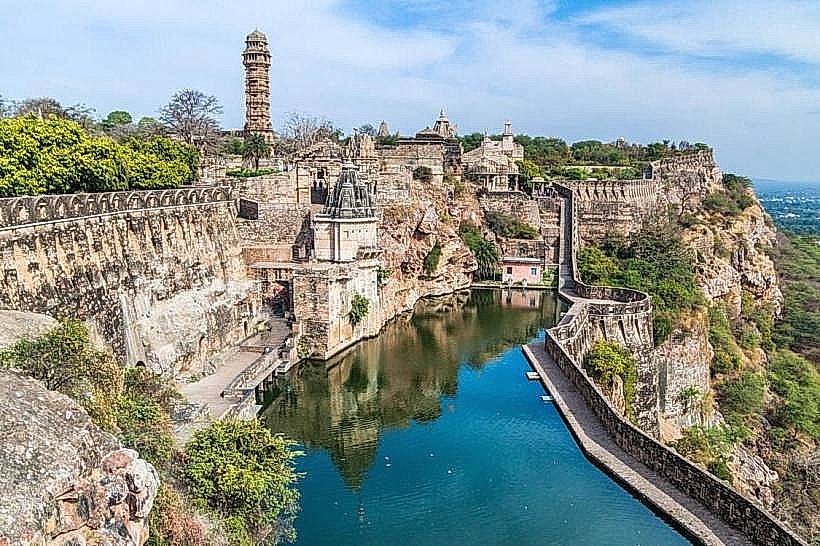
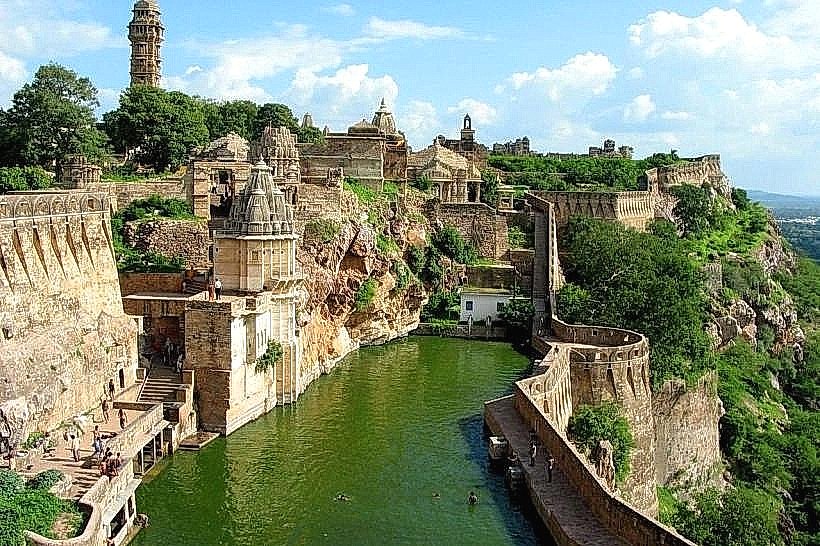
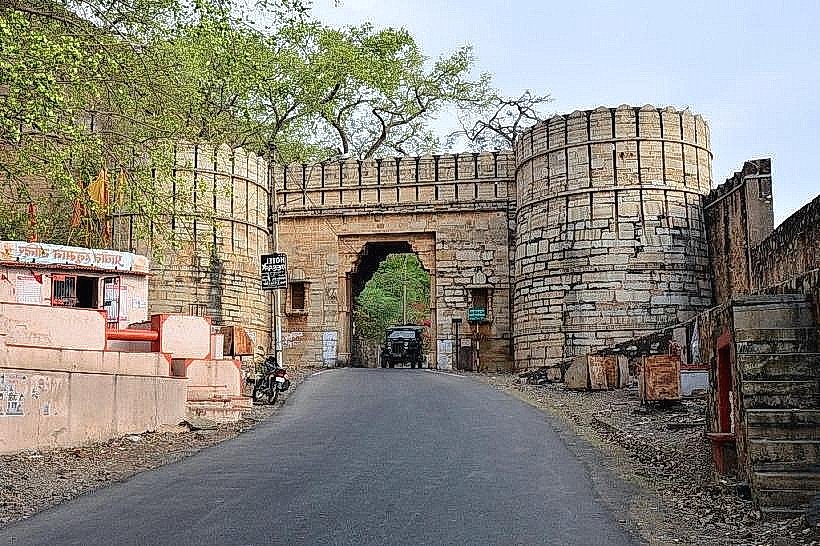
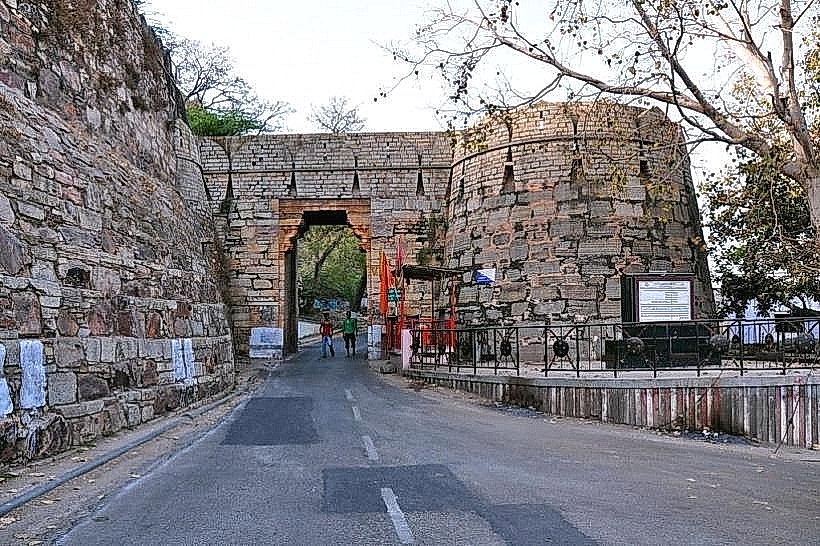
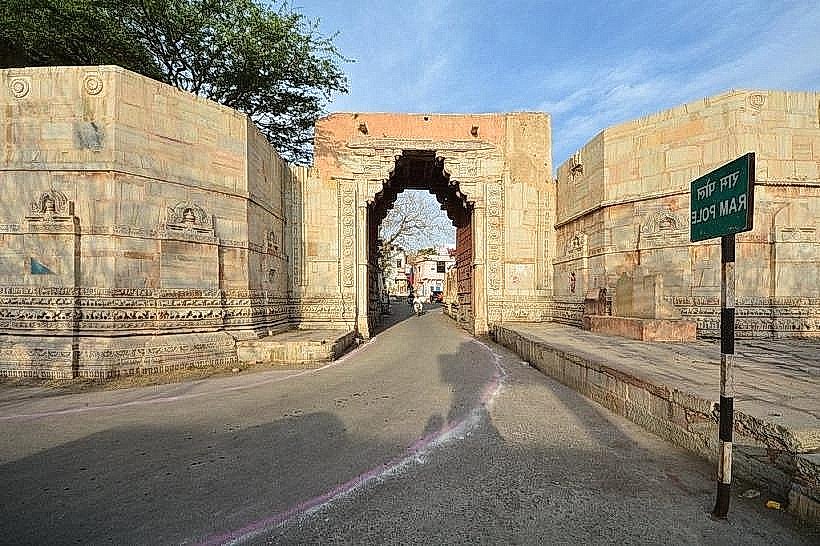
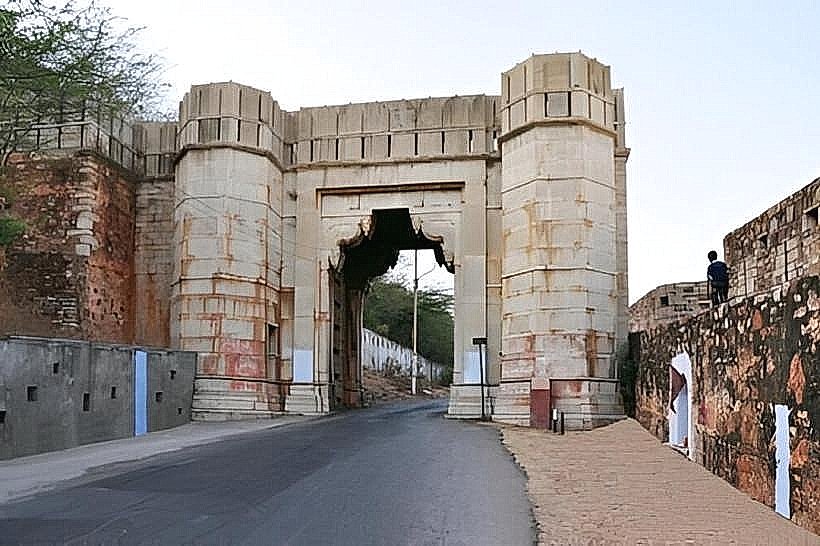
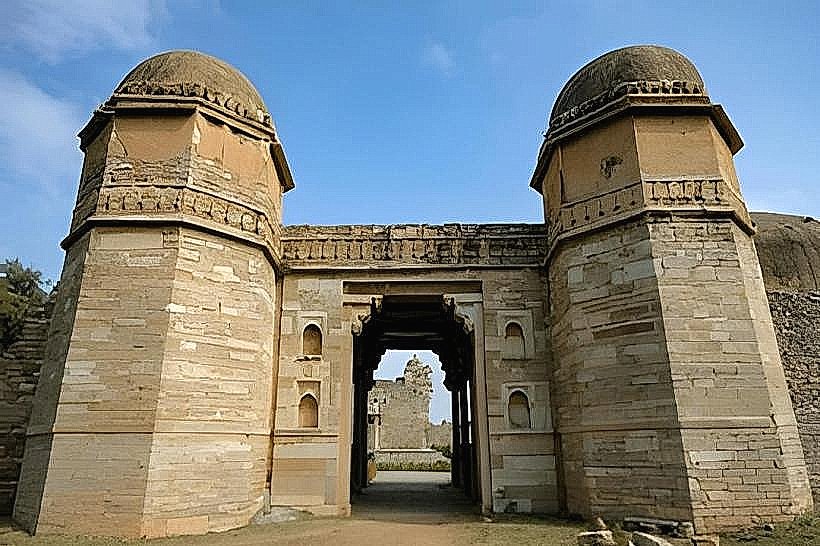
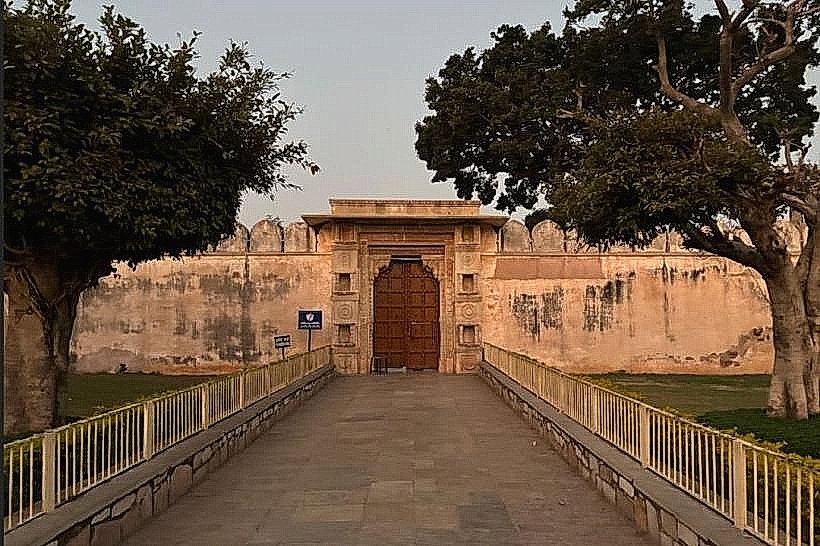
Chittorgarh is an incorporated city in the Mewar region of Rajasthan, situated on the banks of the Gambhiri and Berach rivers. It is defined by the Chittorgarh Fort, the largest fort in India and a UNESCO World Heritage site, which serves as the ultimate symbol of Rajput resistance, chivalry, and the historical practice of Jauhar.
Historical Timeline
Founded according to legend by the Pandava Bhima; historically controlled by the Mori Rajputs before being captured by Bappa Rawal, the founder of the Mewar Dynasty, in the 8th century. A critical historical event occurred in 1303 when Alauddin Khalji besieged the fort, leading to the first recorded Jauhar led by Rani Padmini. The fort faced two subsequent major sieges: in 1335 by Bahadur Shah of Gujarat and in 1567 by Mughal Emperor Akbar. Following Akbar's victory, Maharana Udai Singh II moved the capital to the more defensible Udaipur. In 2026, Chittorgarh is a major industrial hub for cement production and marble processing.
Demographics & Population
The 2026 metro population is approximately 145,000. The demographics are predominantly Hindu (80%), with a significant Muslim minority (18%). The economy is driven by Cement Manufacturing (home to Birla Cement and Wonder Cement), Marble and Granite Mining, Agriculture, and Heritage Tourism.
Urban Layout & Key Districts
The city is divided into the plateau-top fortress and the modern lower town.
The Fort (Upper City): A 700-acre fish-shaped plateau containing 65 historic structures, including palaces, temples, and memorial towers.
Lower Town: The modern commercial and residential expanse at the base of the fort, characterized by bustling markets like Sadar Bazar.
Chanderiya: The industrial outskirts housing large-scale lead-zinc smelters and cement plants.
Top City Landmarks
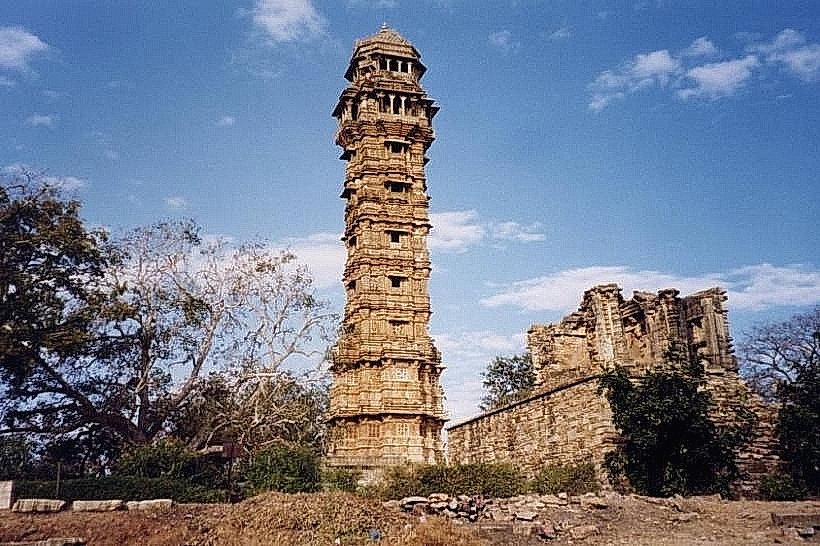
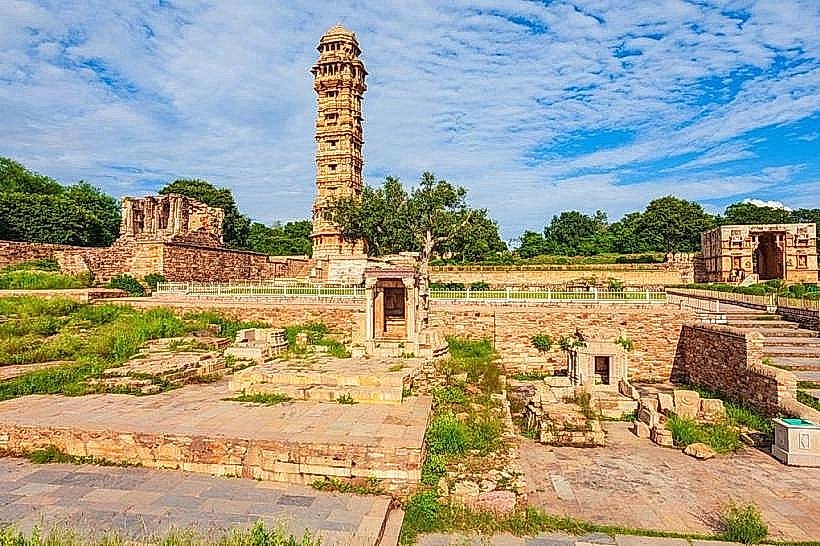
Vijay Stambha (Tower of Victory): A nine-story, 37-meter sandstone tower built by Rana Kumbha in 1448 to commemorate his victory over the Sultan of Malwa.
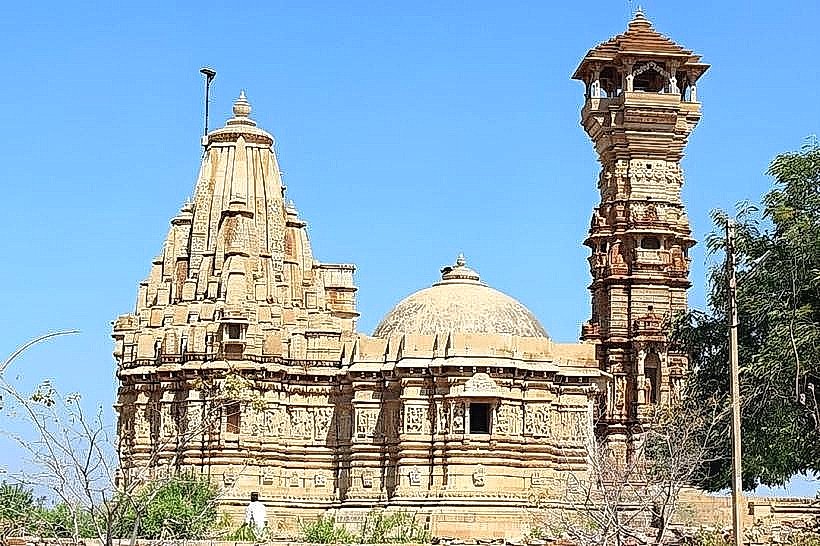
Kirti Stambha (Tower of Fame): A 22-meter tower dedicated to Adinatha, the first Jain Tirthankara, decorated with intricate Jain sculptures.
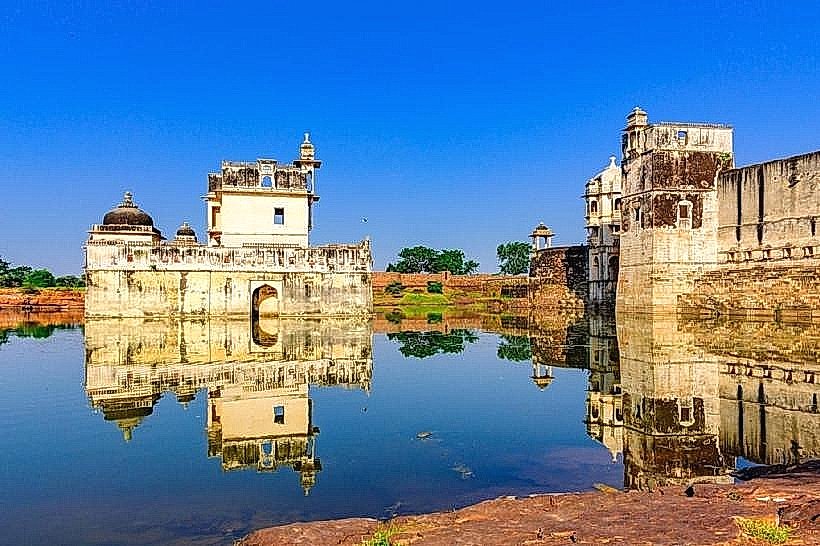
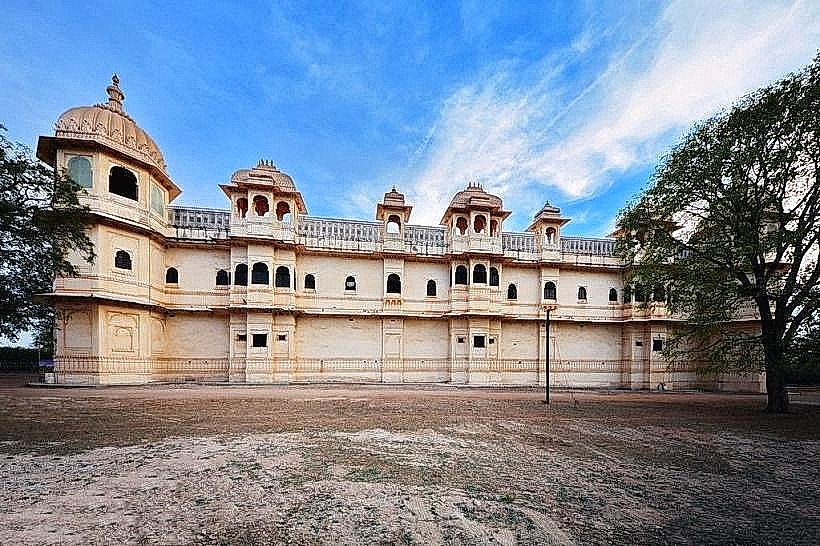
Padmini’s Palace: A white, three-story structure situated amidst a lotus pool, historically associated with the legend of the Queen's reflection shown to Alauddin Khalji.
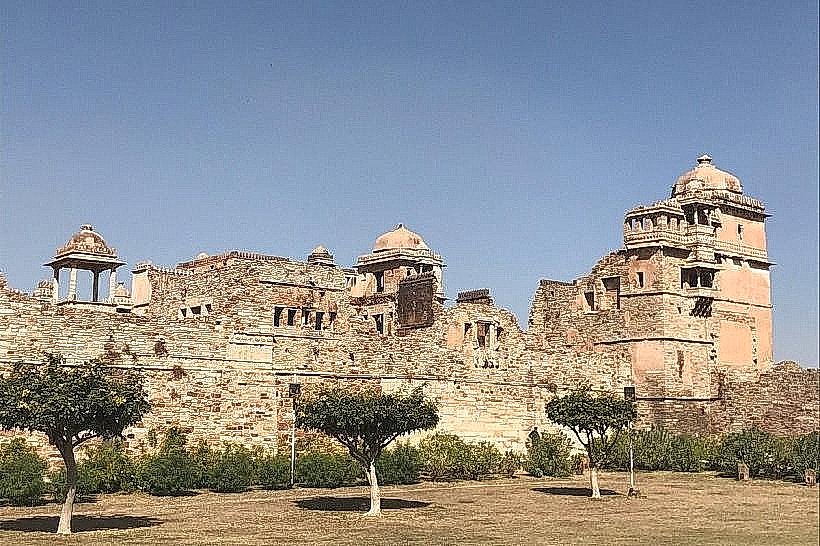
Rana Kumbha Palace: The oldest structure in the fort, believed to be the site where Rani Padmini committed Jauhar.
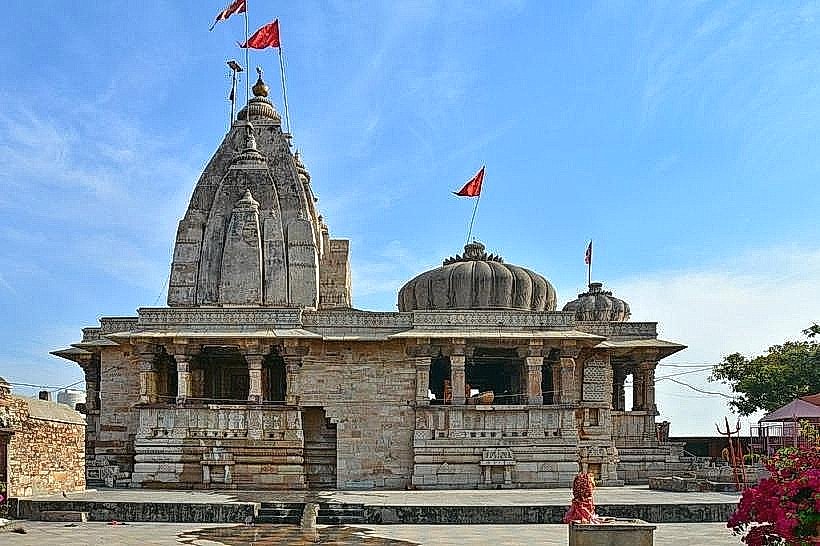
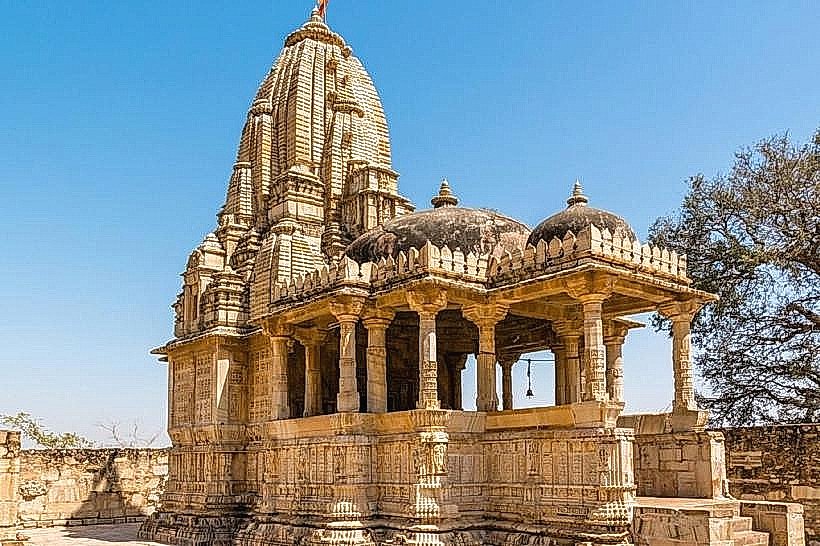
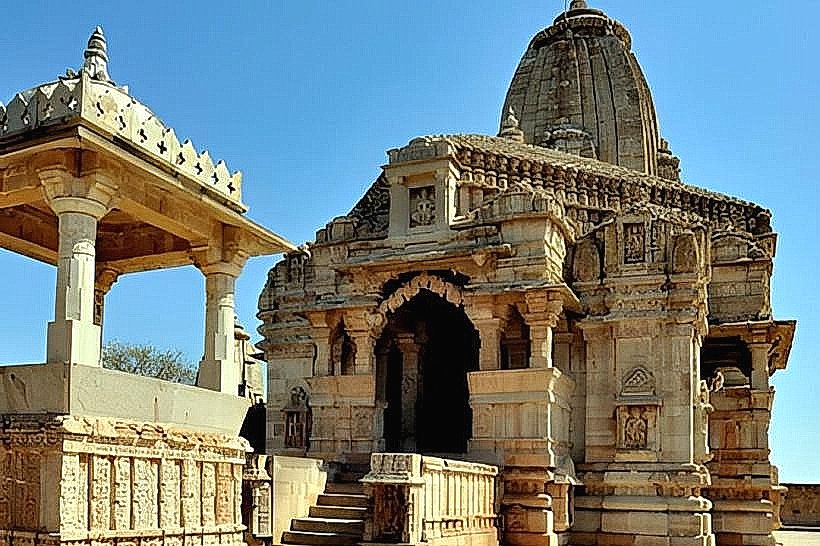
Meera Temple: A temple dedicated to the mystic poetess-saint Meera Bai, known for its distinct North Indian architectural style.
Gaumukh Reservoir: A deep tank fed by a spring shaped like a cow's mouth; it remains the primary water source for the fort.
Transportation Network
Movement is facilitated by auto-rickshaws and private taxis. Chittorgarh Junction is a major rail hub connecting the city to Jaipur, Delhi, and Mumbai. The nearest air link is Maharana Pratap Airport (UDR) in Udaipur (95 km west). In 2026, the city is a critical node on the Golden Quadrilateral highway network.
Safety & "Red Zones"
General safety is high. Standard awareness is advised near the industrial belts of Chanderiya due to heavy truck traffic. Environmental hazards include extreme heatwaves in summer and steep, unprotected cliffs within the fort complex.
Digital & Financial Infrastructure
5G connectivity is robust throughout the city and fort plateau. UPI payments are universal. The city is a significant center for industrial finance due to the concentration of cement giants. Rajasthan state taxes apply.
Climate & Air Quality
Temperatures range from 7°C to 26°C in winter and 30°C to 45°C in summer. Air quality is often "Moderate" but can be affected by particulate matter from cement factories in the industrial outskirts.
Culture & Social Norms
The standard tipping percentage is 10%. A "Prideful-Hospitable" greeting is standard. Dress codes are "Conservative"; modest clothing is required for the numerous active temples within the fort. The culture is defined by Mewari Bravery, Heroic Ballads, and Opium traditions (ritualistic use in rural areas).
Local Cost Index
1 Espresso: ₹110 ($1.30 USD)
1 Standard Lunch: ₹220 ($2.65 USD)
1 Fort Entry: ₹40 (Indians) / ₹600 (Foreigners).
Nearby Day Trips
Bassi Wildlife Sanctuary: (25 km east; home to panthers and wild boars).
Menal: (80 km east; featuring a 12th-century temple complex and a massive waterfall).
Sanwariya Seth Temple: (40 km west; a major Krishna pilgrimage site famous for its massive donations).
Facts & Legends
Chittorgarh is the only fort in India that contains 84 distinct water bodies, though only about 22 are functional today. Historically, it was the birthplace of Meera Bai and the site of three separate mass Jauhars. A local legend claims the fort's construction was completed in a single night by the Pandava Bhima, who struck the ground so hard he created the Bhimlat Tank. Another legend concerns the "Mirror Illusion" of Padmini, though many modern historians contest the mirror narrative as a later literary invention.