Information
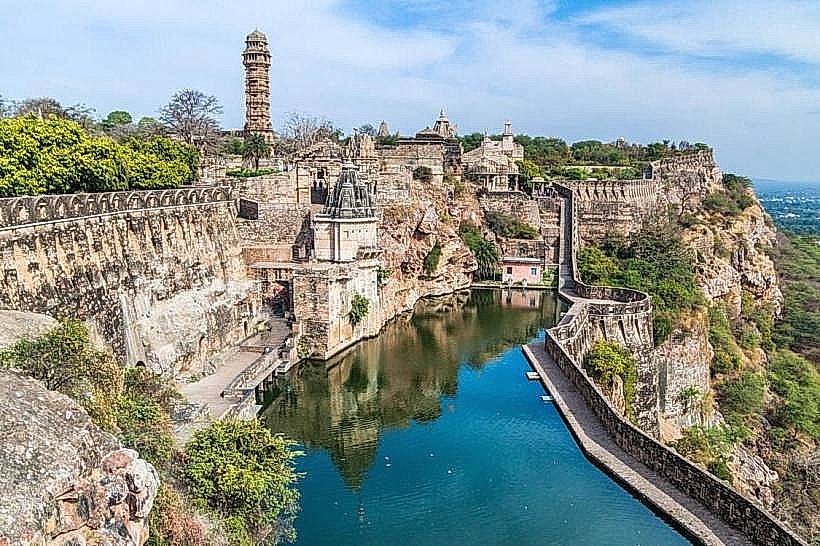
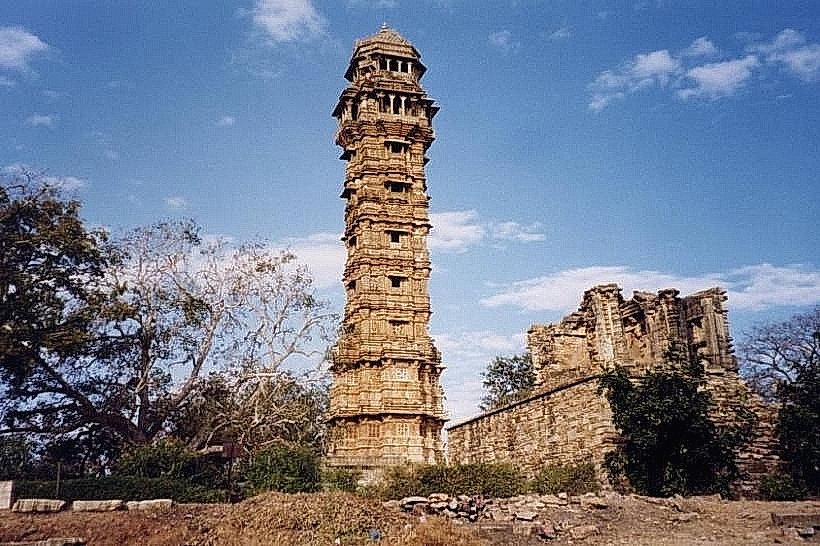
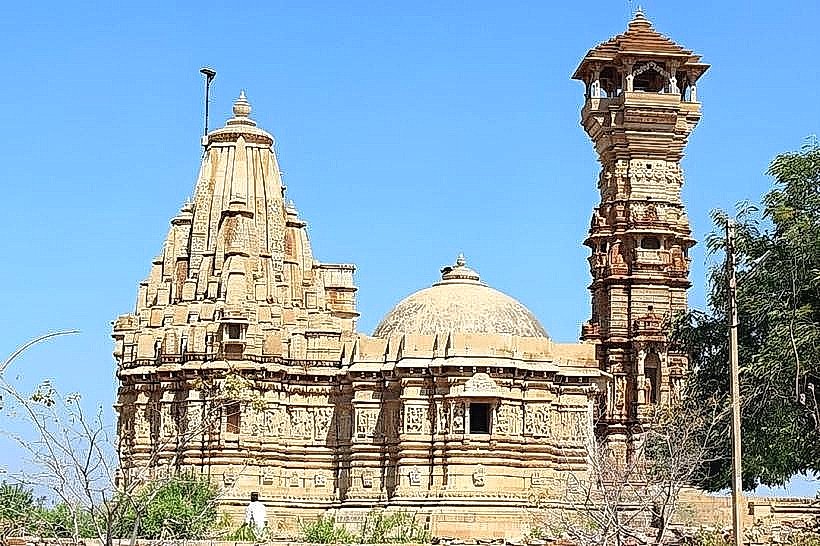
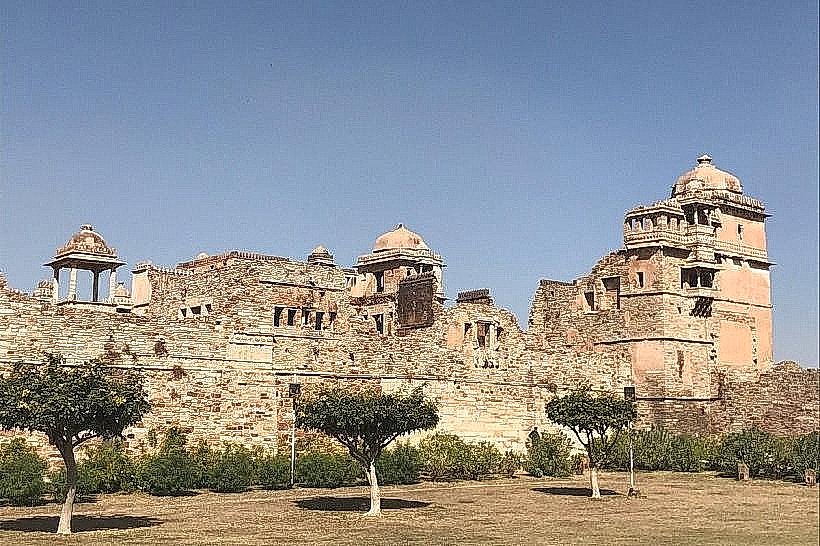
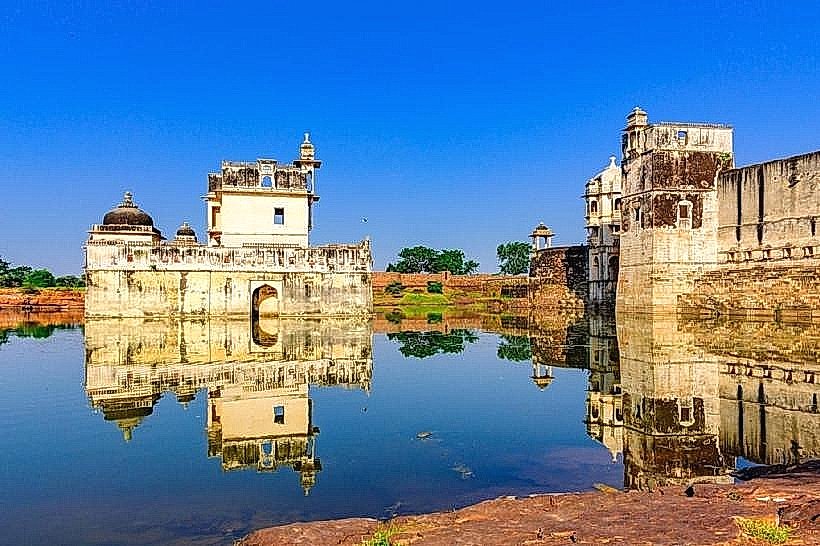
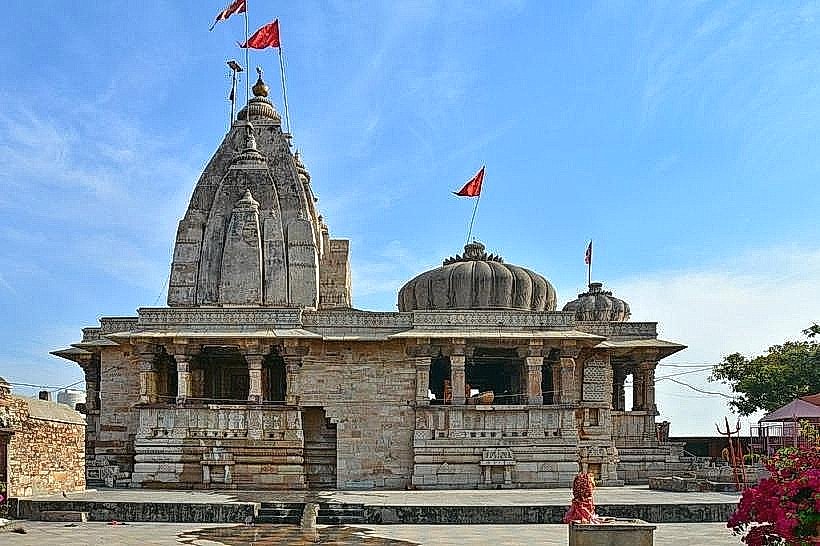
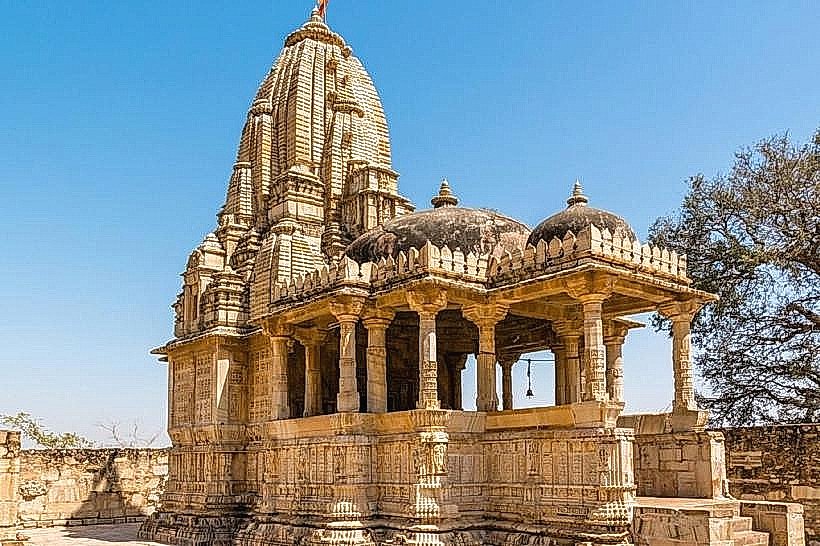
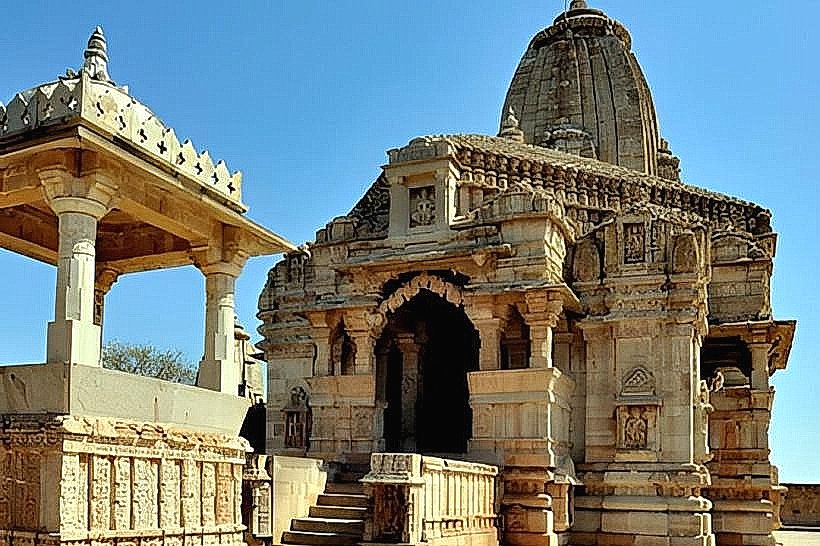
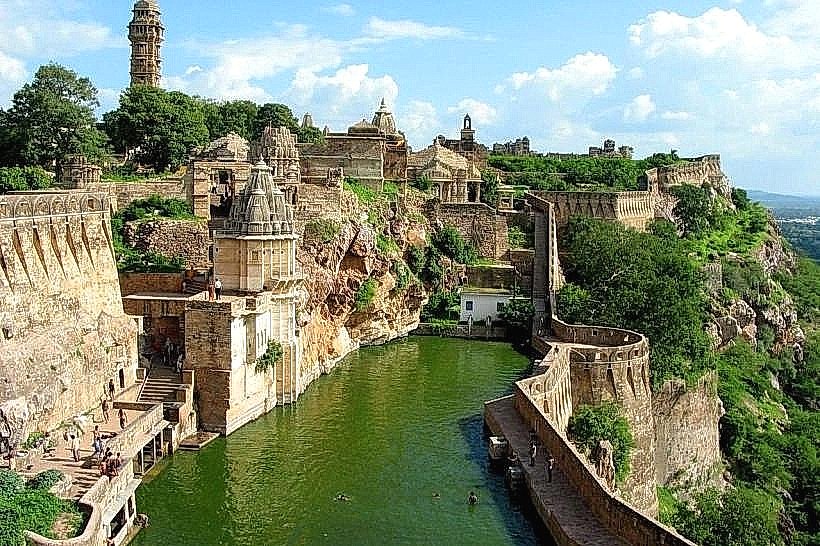
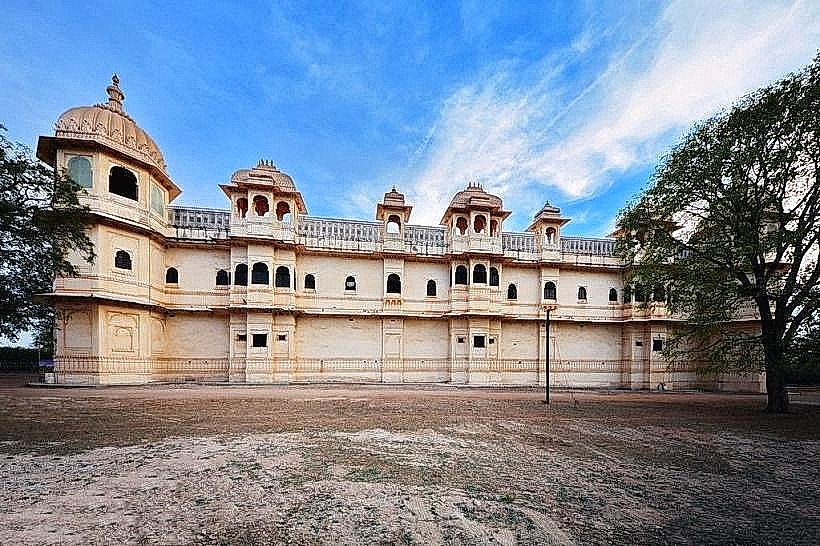
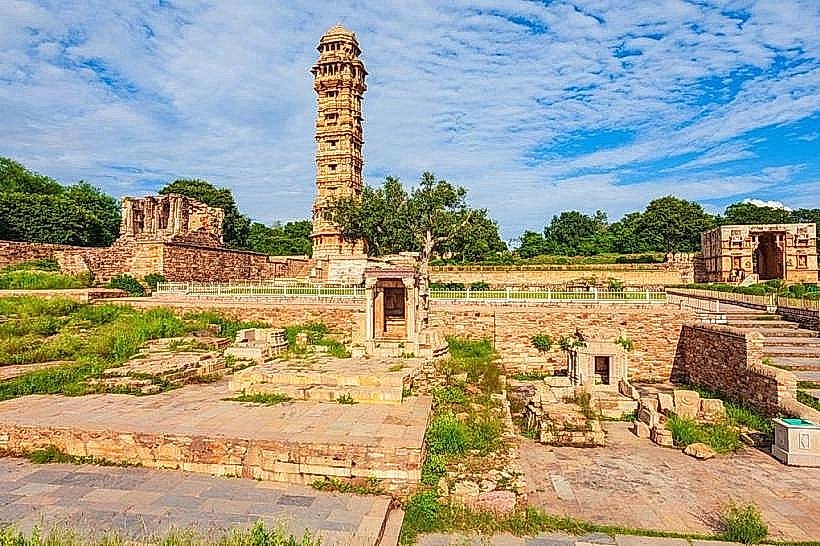
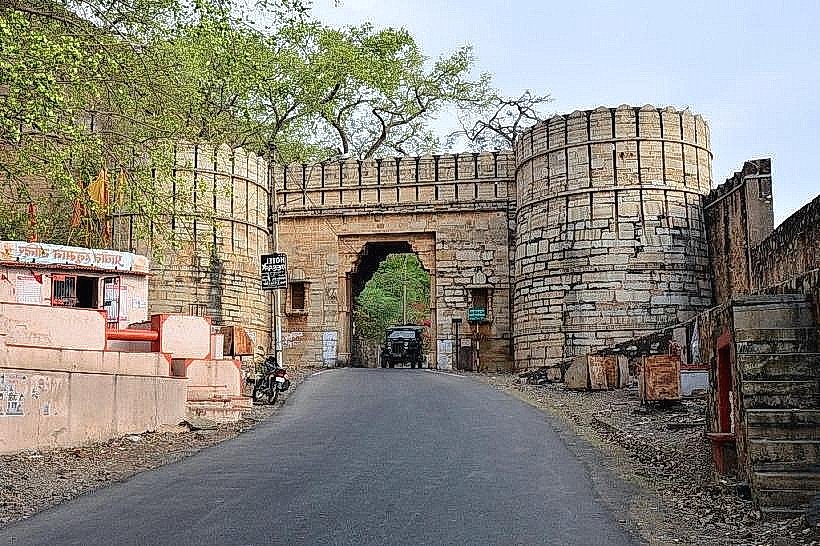
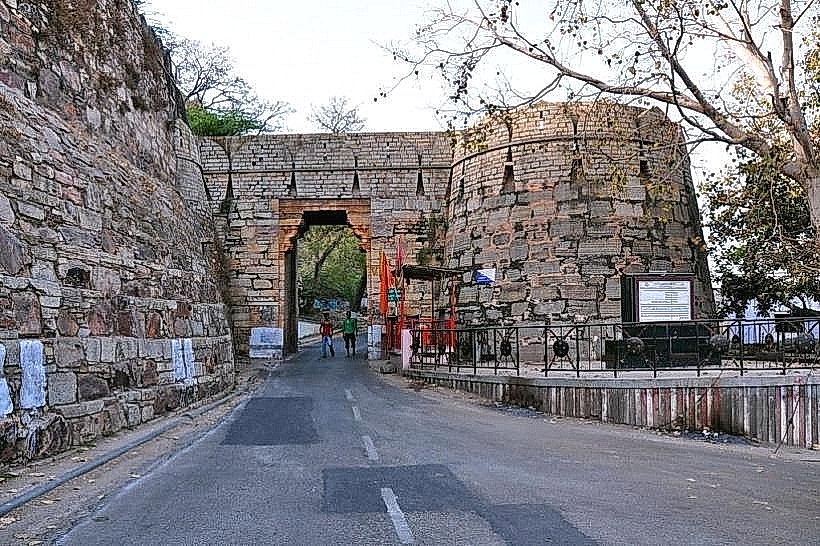
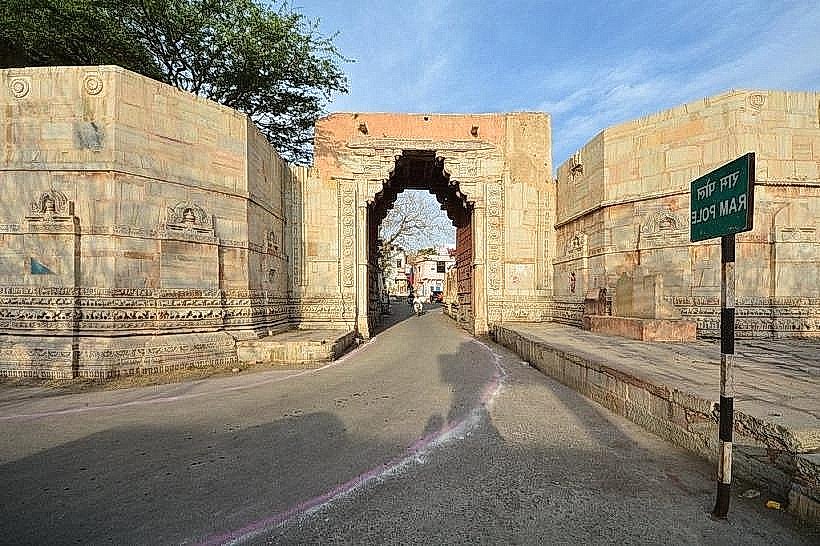
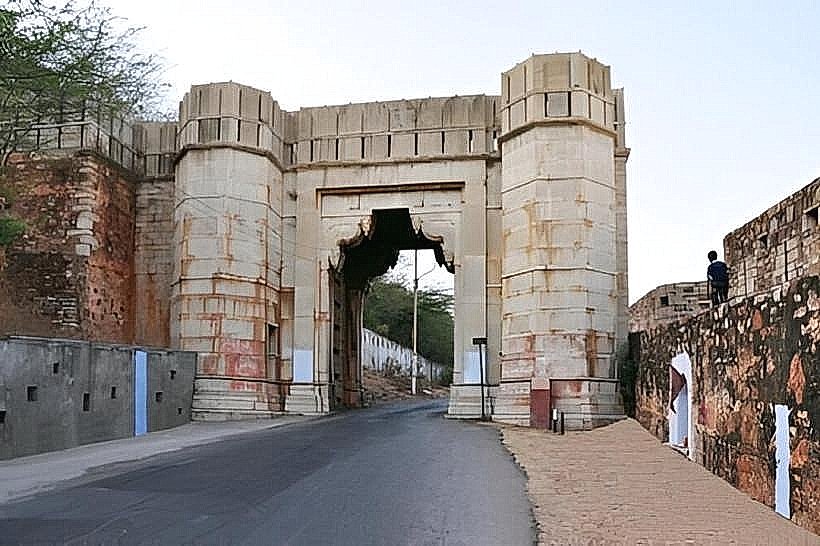
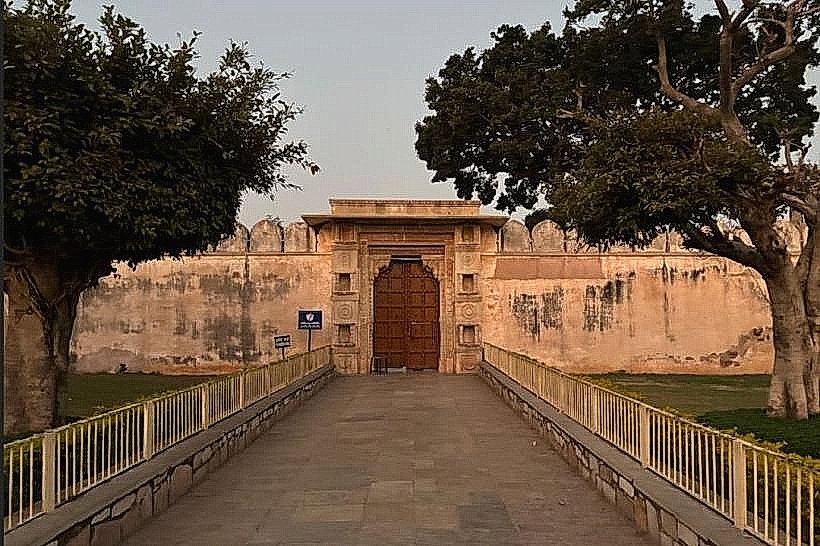
Landmark: Rana Kumbha’s GateCity: Chittorgarh
Country: India
Continent: Asia
Rana Kumbha’s Gate, Chittorgarh, India, Asia
The Castelvecchio Bridge, also known as Ponte Scaligero, is a fortified bridge spanning the Adige River in Verona, Italy.
Visual Characteristics
Constructed from red brick and stone, the bridge features five arches of varying widths. Its defensive nature is evident in the crenellated battlements and the imposing towers at either end. The total length is approximately 120 meters.
Location & Access Logistics
The bridge is situated on the western edge of Verona's historic center. It is accessible via Corso Castelvecchio. Parking is available in the nearby Piazza Arsenale, approximately 200 meters from the bridge's eastern entrance. Public transport options include bus lines 70 and 72, which stop at the Castelvecchio Museum entrance, a short walk from the bridge.
Historical & Ecological Origin
Construction of the bridge began in 1354 under the direction of Cangrande II della Scala, as part of the Scaliger Castle complex. Its primary purpose was to provide a secure escape route for the Scaliger family from the castle to the northern territories, and to facilitate military movements.
Key Highlights & Activities
Walking across the bridge offers views of the Adige River and the city. Visitors can examine the architectural details of the fortifications. Access to the Castelvecchio Museum, located adjacent to the bridge, is also a primary activity.
Infrastructure & Amenities
Restrooms are available within the Castelvecchio Museum. Limited shade is provided by the bridge's structure itself. Cell phone signal (4G/5G) is generally good. Food vendors are not directly on the bridge but are present in the vicinity of Piazza Arsenale.
Best Time to Visit
For photography, early morning or late afternoon provides optimal lighting conditions on the brickwork. The months of April to June and September to October offer pleasant weather for outdoor exploration. There are no tide-dependent restrictions for crossing the bridge.
Facts & Legends
During World War II, the bridge was partially destroyed by retreating German forces in 1945. It was meticulously reconstructed using original materials salvaged from the riverbed, a testament to its historical significance.
Nearby Landmarks
- Castelvecchio Museum (0.1km East)
- Piazza Arsenale (0.2km East)
- Roman Theatre of Verona (0.8km Northeast)
- Giardino Giusti (1.2km Southeast)
- Verona Cathedral (Duomo) (1.3km East)