Information
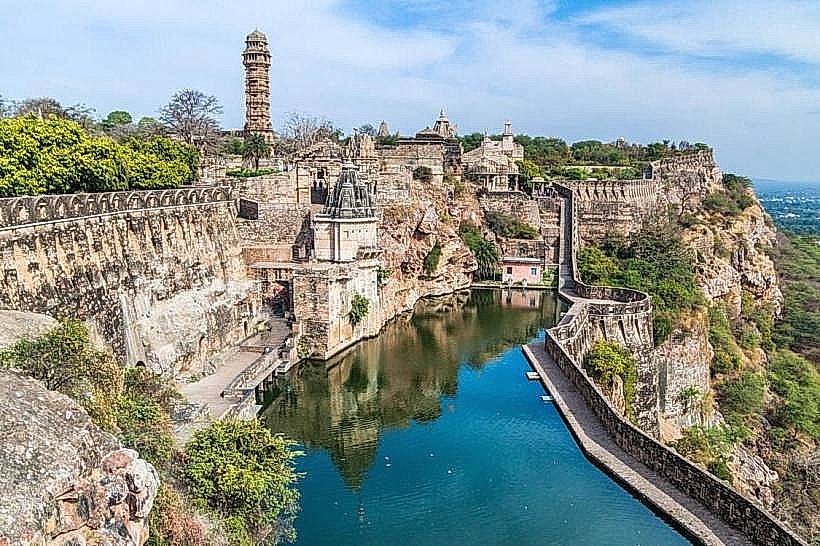
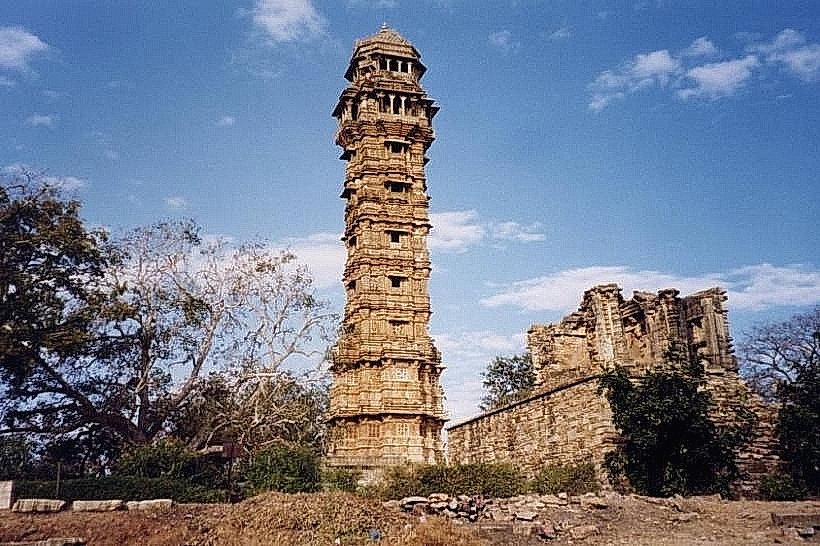
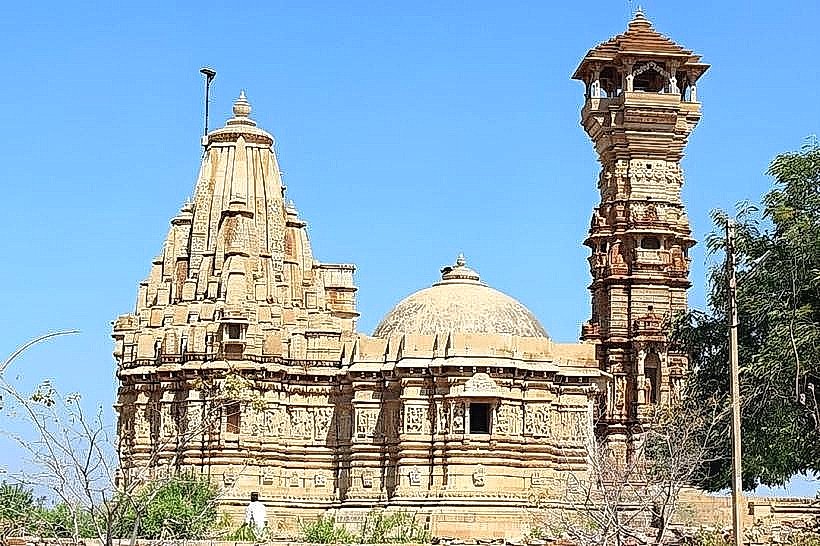
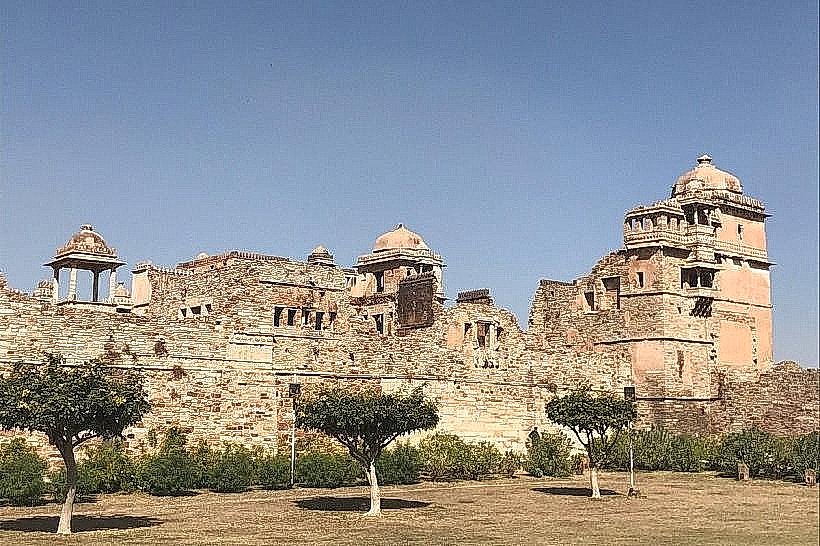
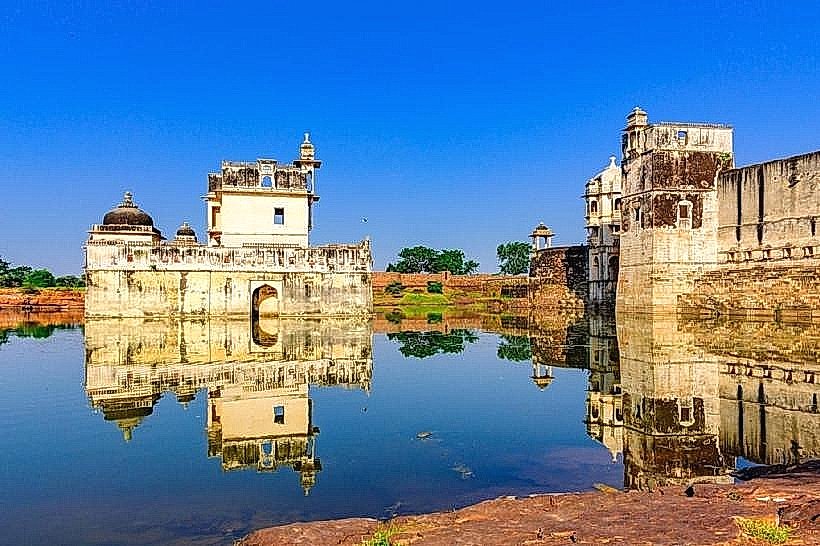
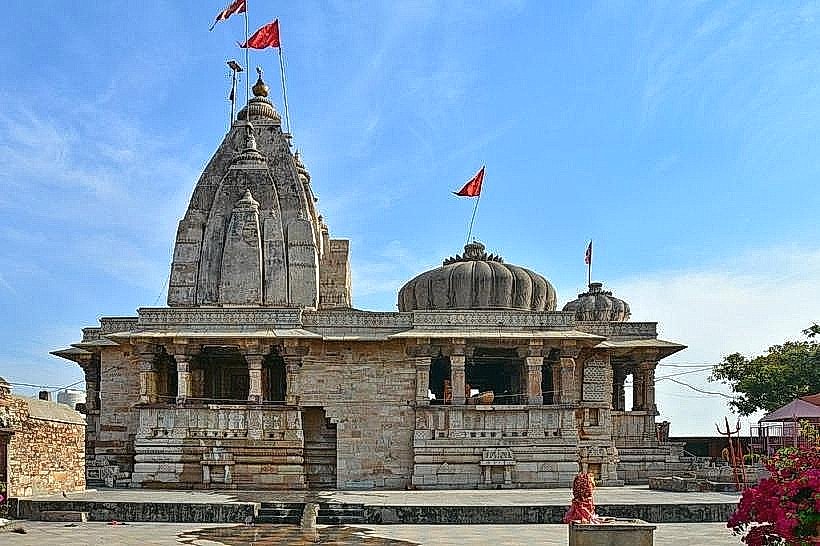
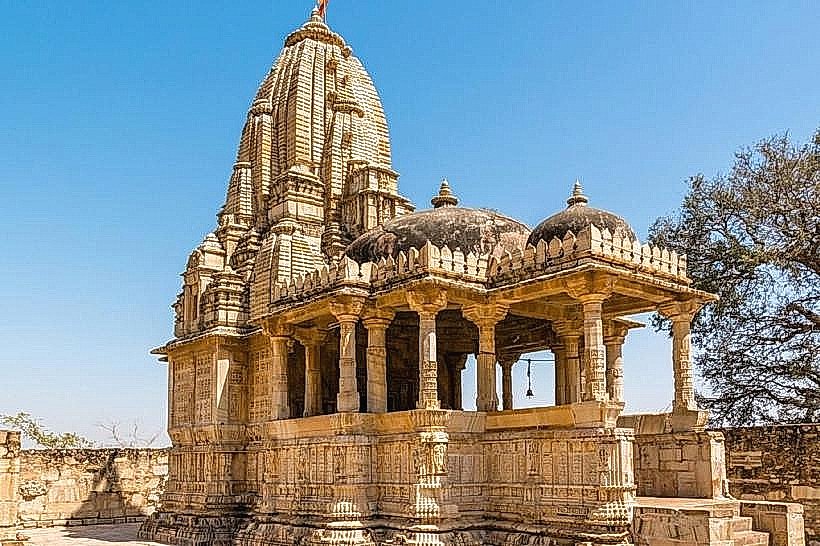
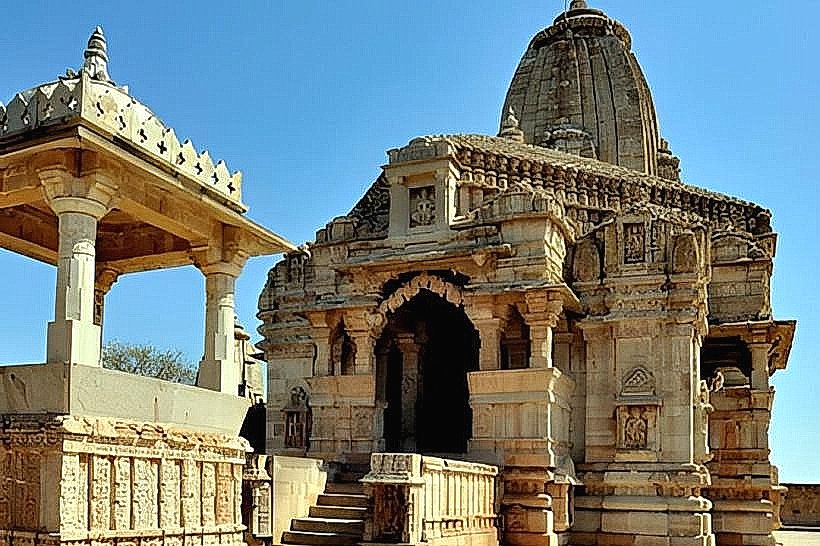
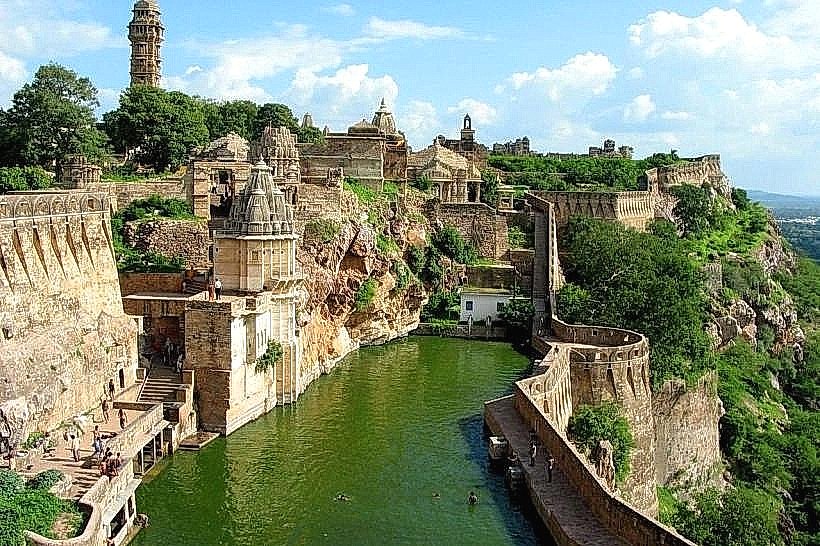
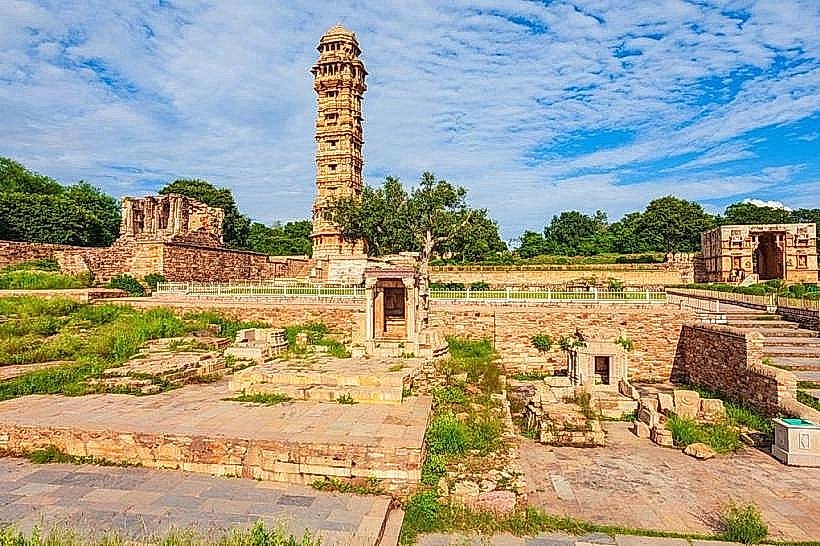
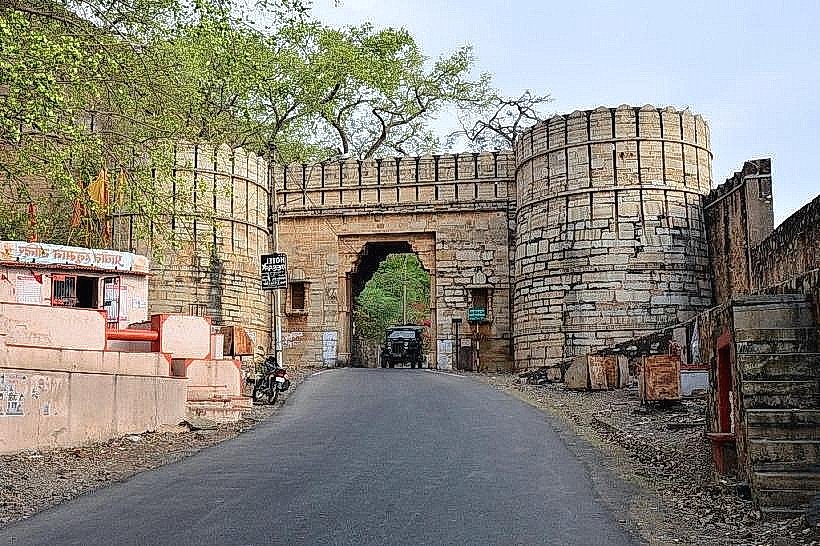
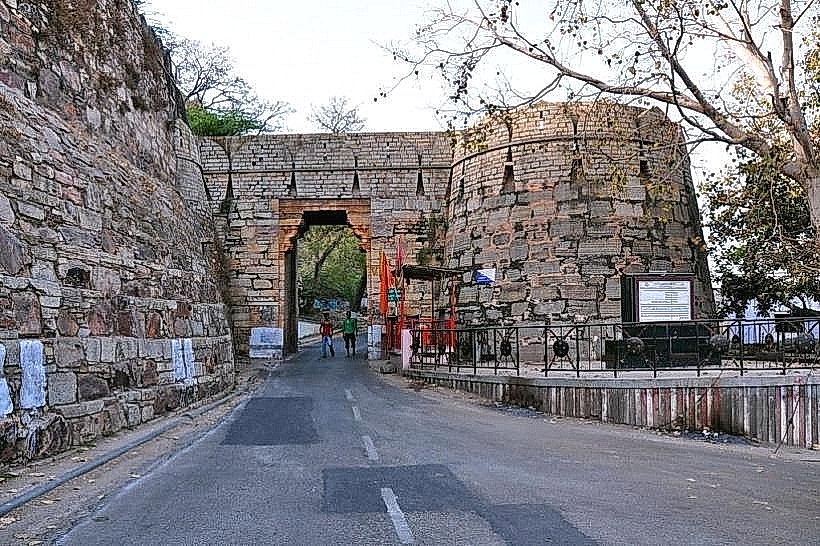
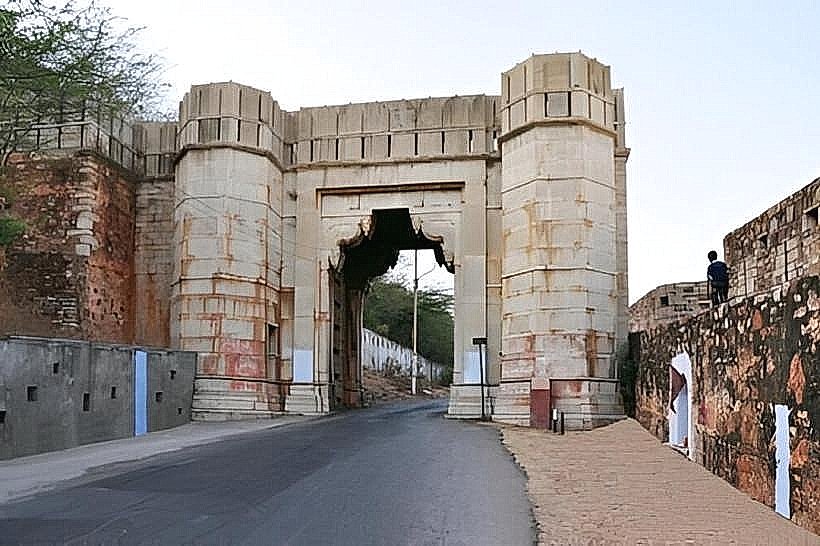
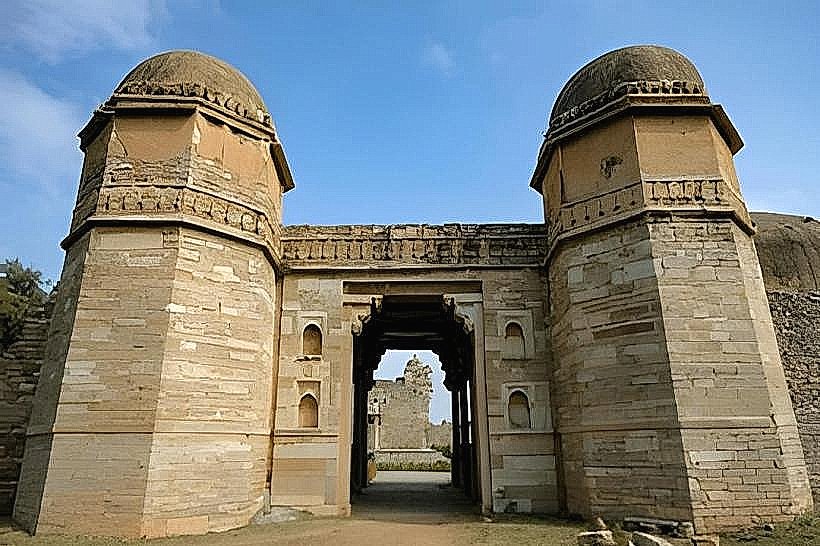
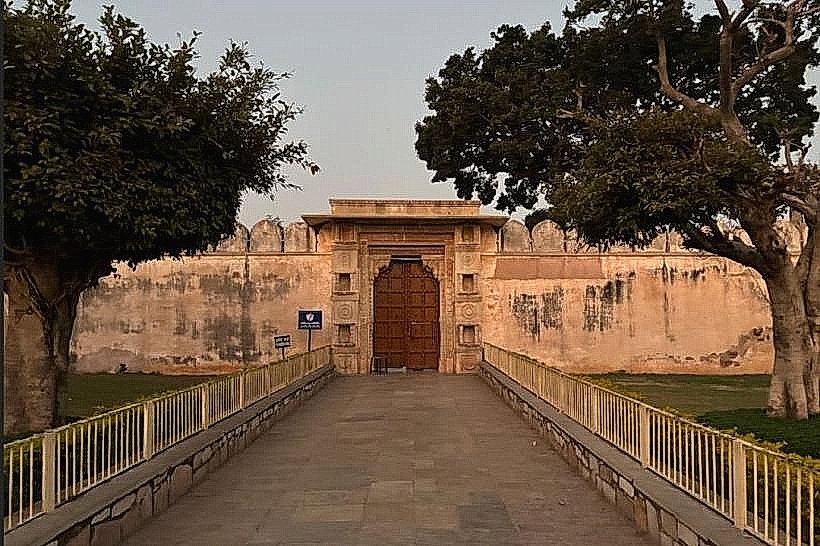
Landmark: Ram PolCity: Chittorgarh
Country: India
Continent: Asia
Ram Pol, Chittorgarh, India, Asia
The Battenkill River is a waterway flowing through southwestern Vermont, originating in the Green Mountains and extending into New York State.
Visual Characteristics
The riverbed consists of gravel and cobble. Water clarity varies, often appearing clear to slightly turbid depending on recent rainfall. Banks are typically lined with deciduous trees and mixed forest. Average width is approximately 20-30 meters.
Location & Access Logistics
The Battenkill River is accessible from multiple points in and around Manchester, VT. Route 7A runs parallel to sections of the river. Parking is available at designated access points, such as the Route 30 bridge crossing and the Route 11/30 bridge. Public transport options are limited; the Green Mountain Transit bus service operates in Manchester but does not directly serve river access points.
Historical & Ecological Origin
The Battenkill River is a natural fluvial system, carved by glacial meltwater and subsequent erosion over millennia. It is classified as a cold-water fishery, supporting native trout populations.
Key Highlights & Activities
Fishing for trout is a primary activity. Kayaking and canoeing are possible during periods of sufficient water flow. Hiking trails follow sections of the riverbank in certain areas.
Infrastructure & Amenities
Restrooms are not consistently available at all access points. Shade is provided by the surrounding tree cover. Cell phone signal strength varies significantly along the river. Food vendors are located in the town of Manchester, approximately 2-5 km from most access points.
Best Time to Visit
For fishing, the optimal months are April through October. Early morning and late afternoon offer the best light for photography. Water levels can fluctuate significantly; consult local conditions before planning water-based activities.
Facts & Legends
The Battenkill River is known for its challenging fly-fishing conditions, often referred to as a "fisherman's river." A local anecdote suggests that the river's name originates from a Native American word for "place of the swift water."
Nearby Landmarks
- Equinox Mountain (4km West)
- Hildene, The Lincoln Family Home (3km South)
- Manchester Designer Outlets (2km South)
- Bromley Mountain (12km East)