Information
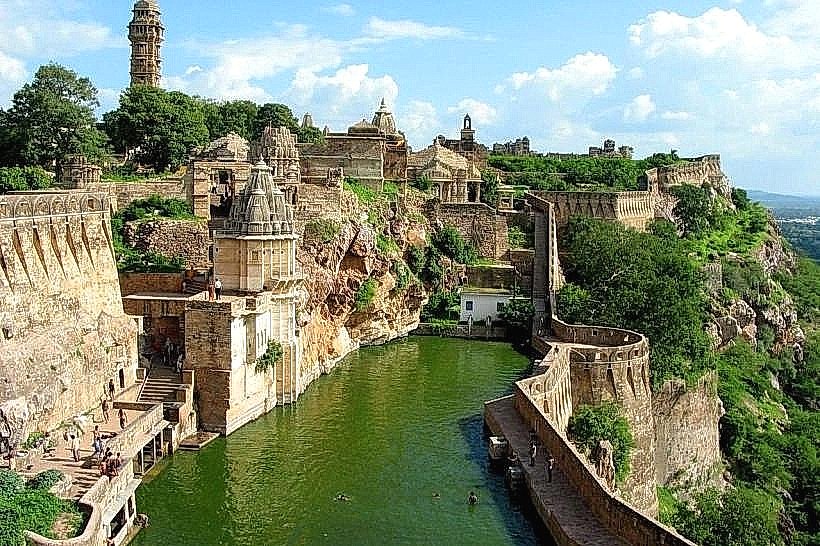
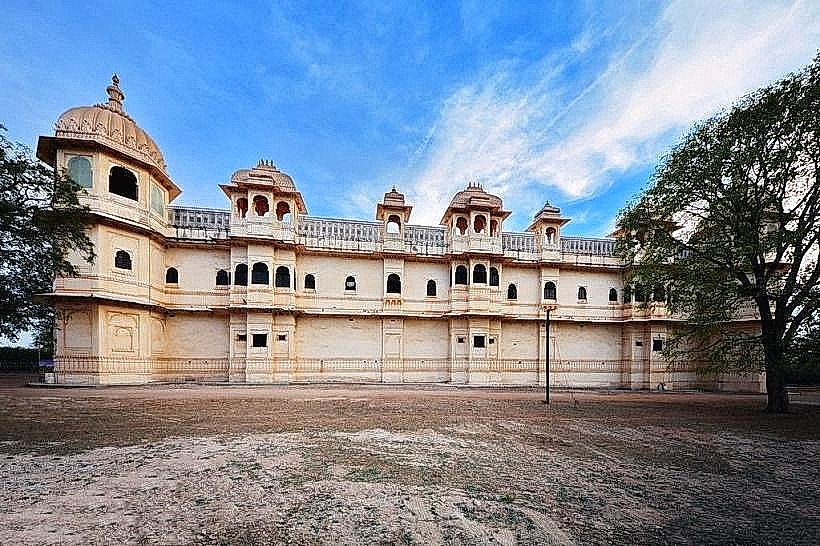
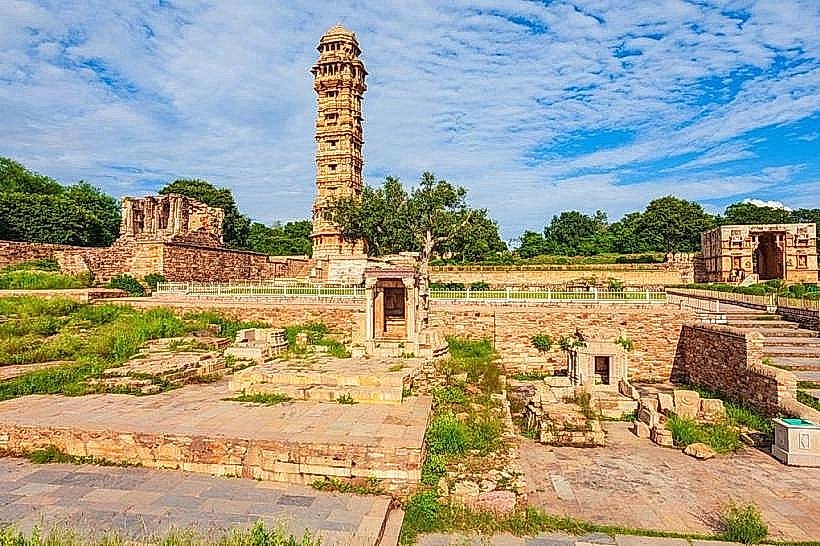
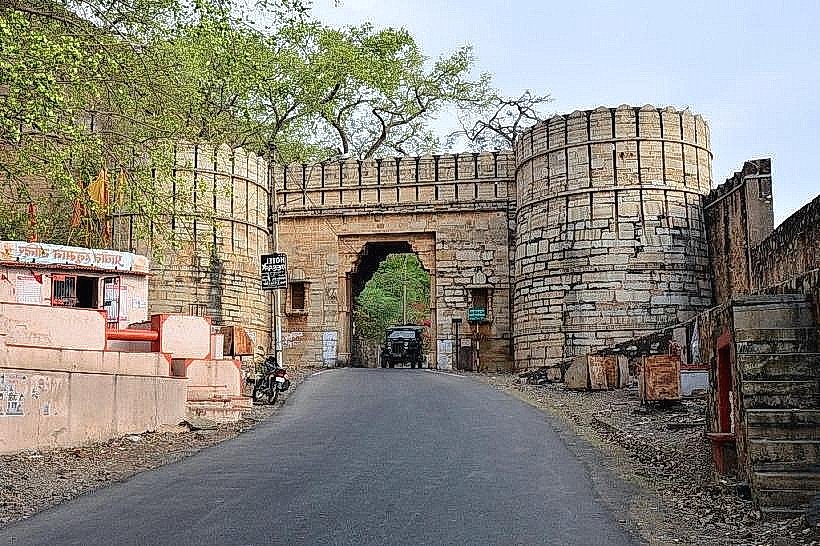
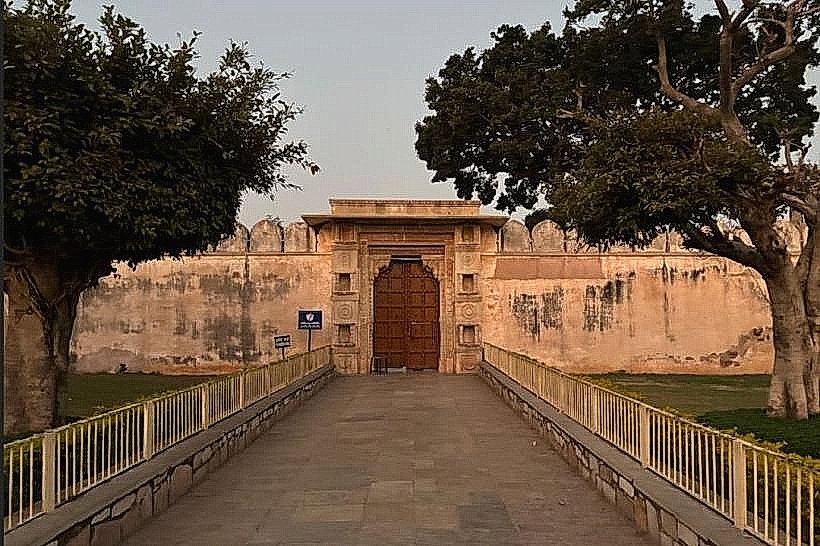
Landmark: Sisodia Rani GardenCity: Chittorgarh
Country: India
Continent: Asia
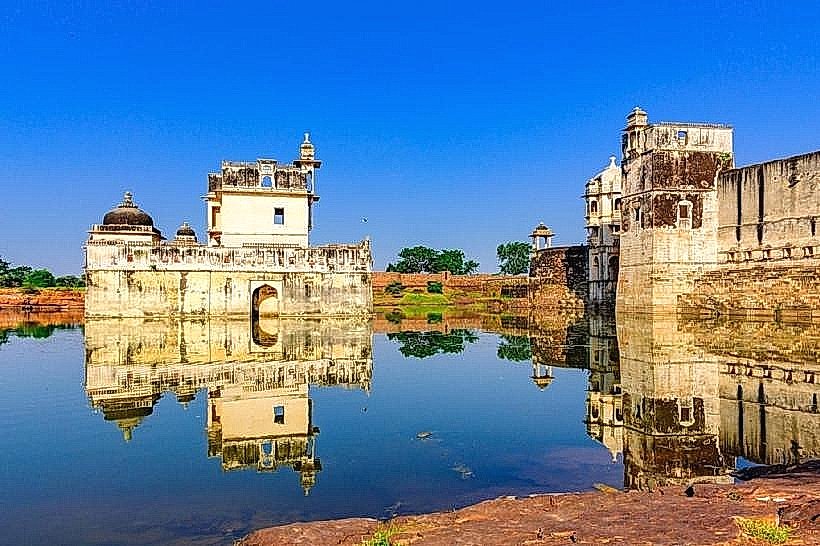
Sisodia Rani Garden, Chittorgarh, India, Asia
The Scaliger Tombs, also known as Arche Scaligere, are a monumental Gothic funerary complex located in Verona, Italy.
Visual Characteristics
The complex consists of five elaborate Gothic tombs, each enclosed by ornate wrought-iron railings. The tombs are constructed primarily from marble and stone, featuring intricate sculptural details, pinnacles, and statues. The main sarcophagi are elevated on pedestals and topped with effigies of the deceased. The architectural style is distinctly Gothic, characterized by pointed arches, ribbed vaults, and decorative tracery.
Location & Access Logistics
The Scaliger Tombs are situated in the historic center of Verona, adjacent to the Church of Santa Anastasia. They are located approximately 300 meters east of Piazza Bra. Access is on foot from the city center. There is no dedicated parking for the tombs; visitors typically use public parking garages in the vicinity, such as the Parcheggio Cittadella, located about 500 meters to the southwest. Public transport routes serving Piazza Bra are numerous, with bus stops for lines 11, 12, 13, 21, 22, 23, 24, 41, 51, 52, 61, 62, 70, 72, 90, 92, 94, 96, and 98.
Historical & Ecological Origin
The Scaliger Tombs were constructed between the 13th and 14th centuries as the burial place for members of the Scaliger family, who ruled Verona during that period. The primary architect is not definitively known, but the work is attributed to various sculptors and architects of the era. Their original purpose was to serve as a grand and visible testament to the power and prestige of the Scaliger dynasty.
Key Highlights & Activities
Observation of the tomb architecture and sculptural details. Photography of the exterior. Reading of the inscriptions on the sarcophagi. Understanding the historical context of the Scaliger family's rule in Verona.
Infrastructure & Amenities
The tombs are an open-air monument. There are no restrooms or food vendors directly at the site. Shade is limited. Cell phone signal (4G/5G) is generally available in this central urban area.
Best Time to Visit
The best time of day for photography is generally in the late morning or early afternoon when sunlight illuminates the marble surfaces. The best months for visiting are April through October, avoiding the colder, wetter winter months. There are no tide requirements as this is a terrestrial monument.
Facts & Legends
A specific detail often overlooked is the presence of the tomb of Mastino II della Scala, which features a sarcophagus topped by a dog, a symbol of loyalty, and a knight in armor. Local lore suggests that the dog guards the tomb eternally.
Nearby Landmarks
- Church of Santa Anastasia (0.05km West)
- Piazza dei Signori (0.2km West)
- Lamberti Tower (0.3km West)
- Verona Arena (0.5km Southwest)
- Casa di Giulietta (0.4km Northwest)