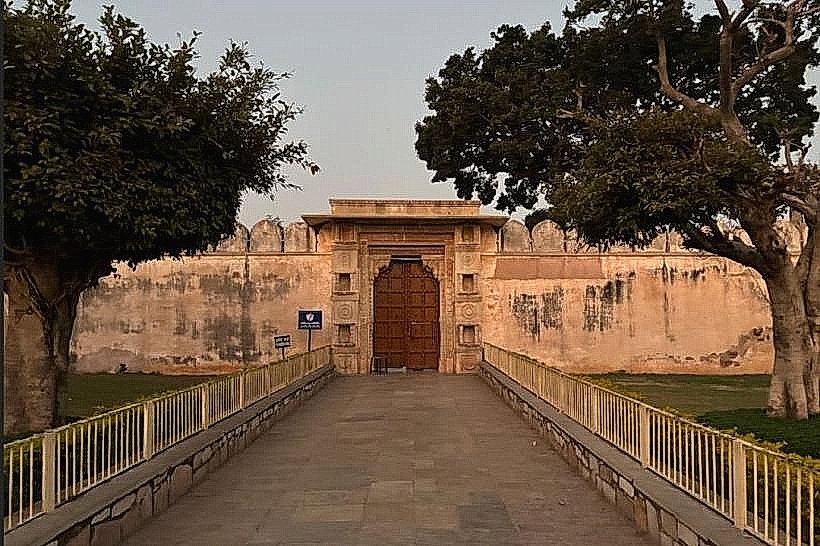
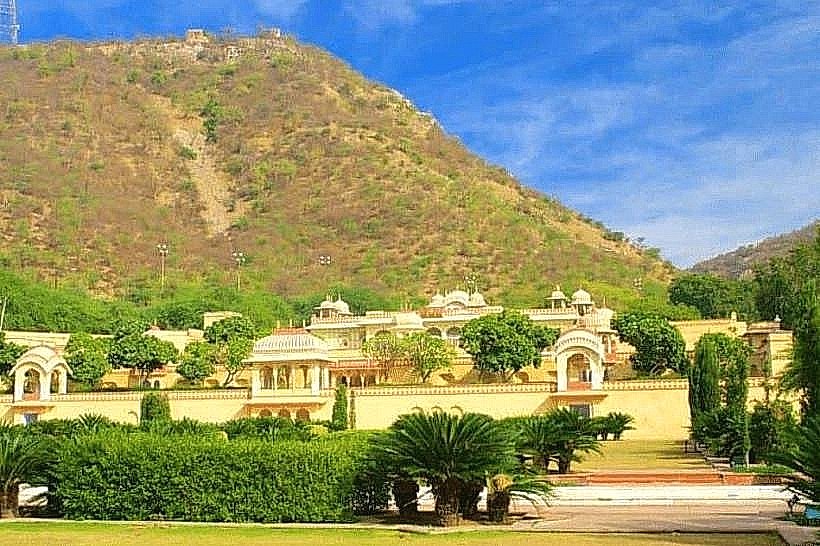
Information
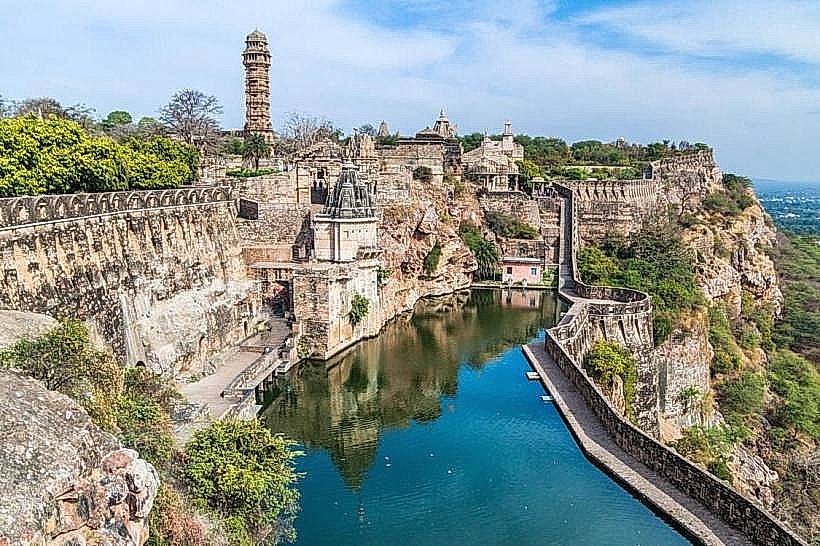
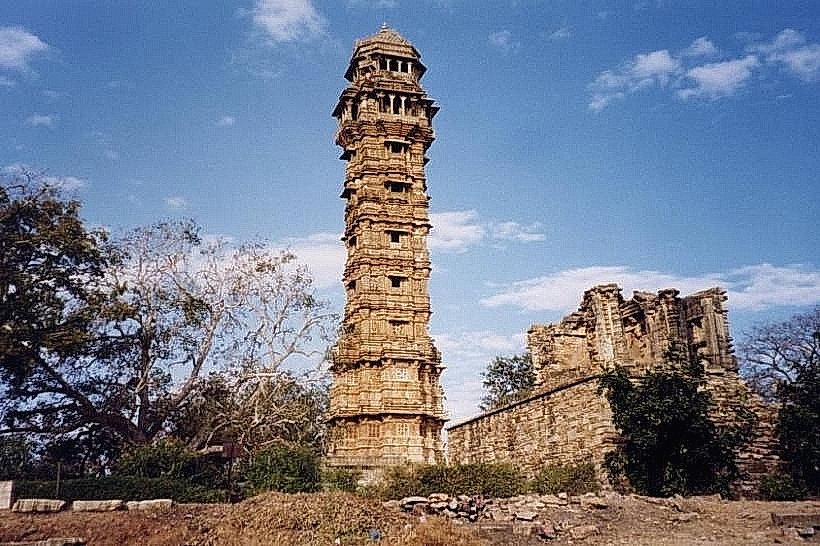
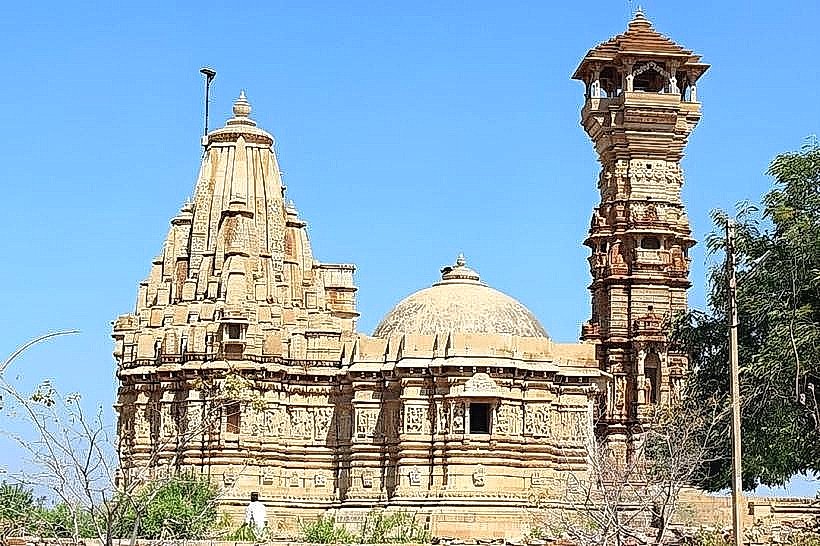
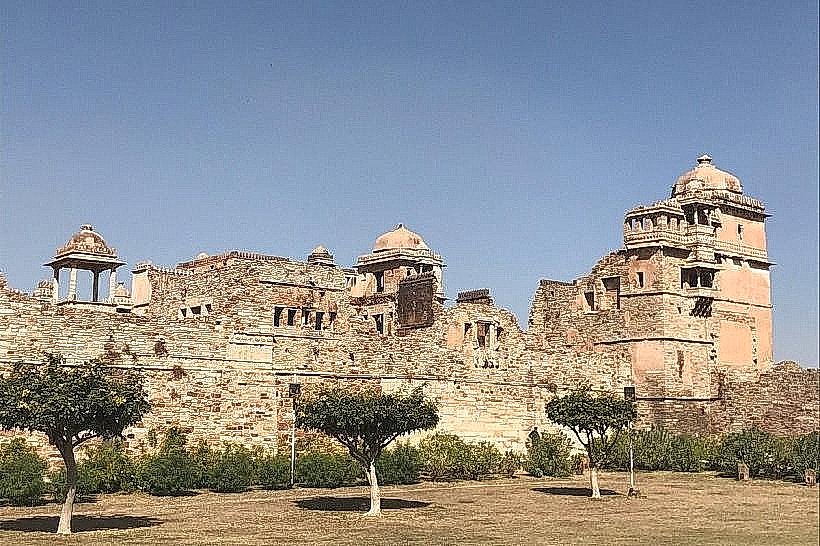
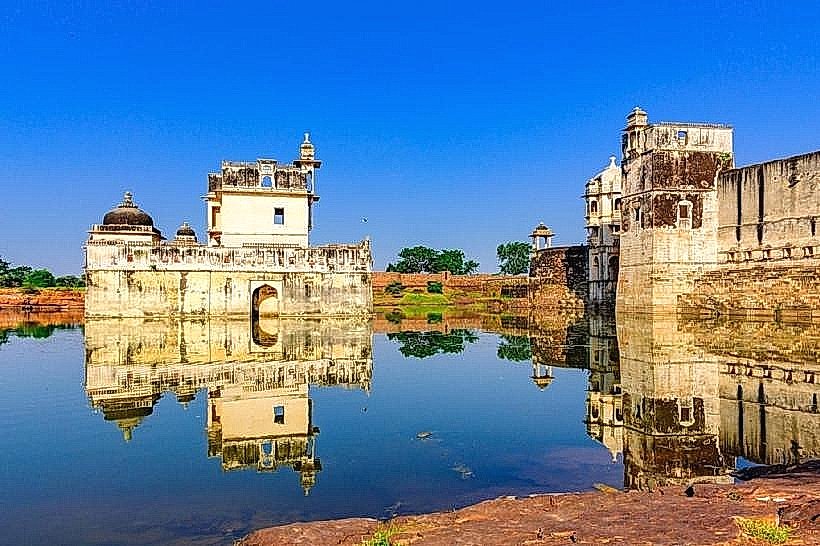
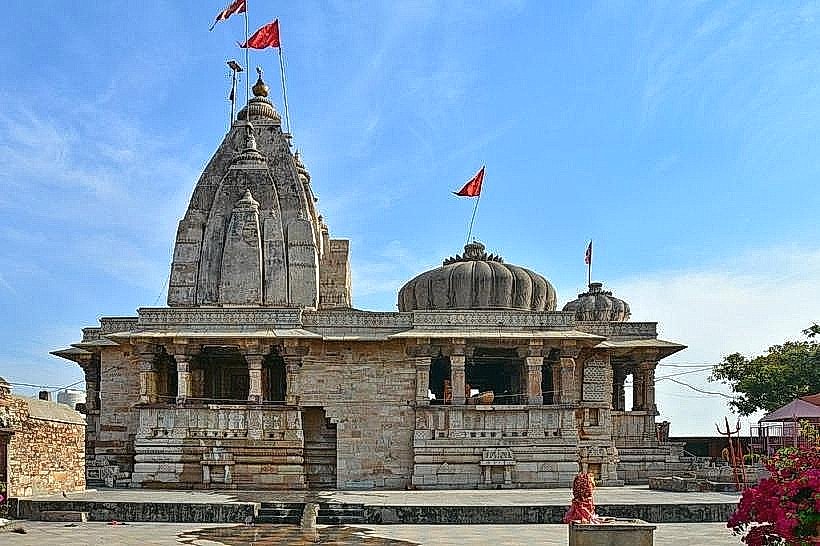
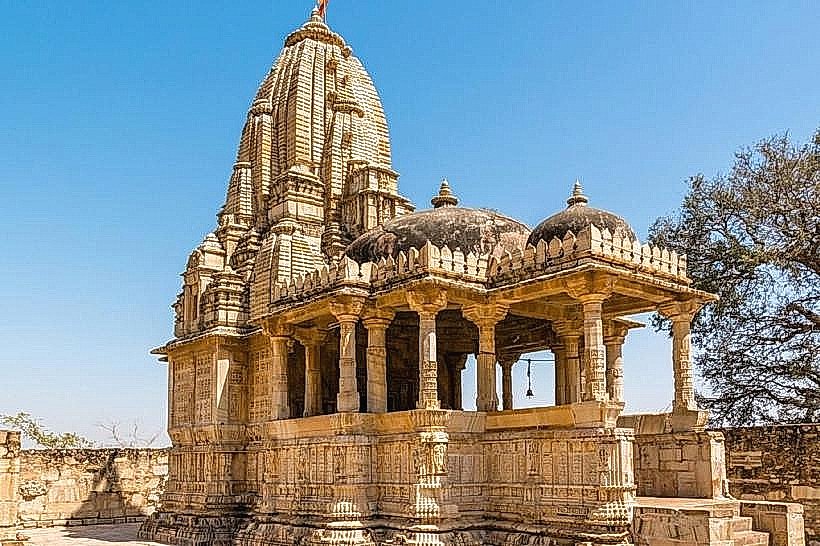
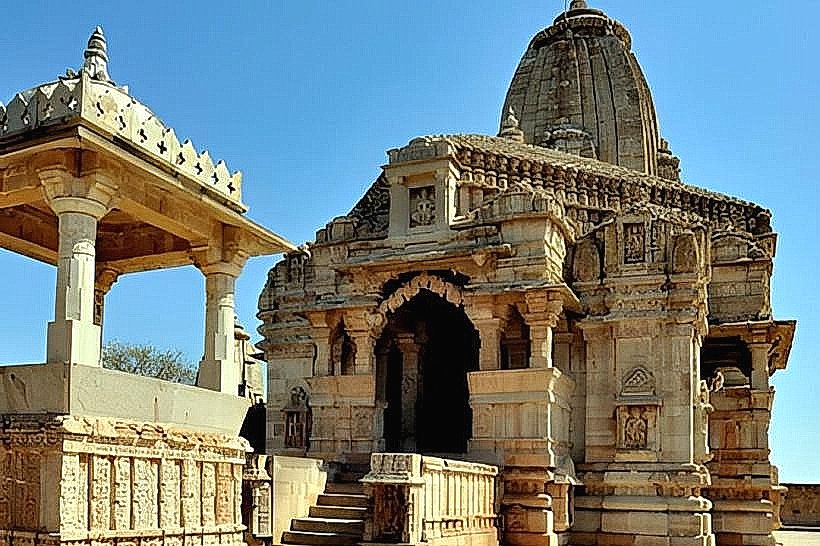
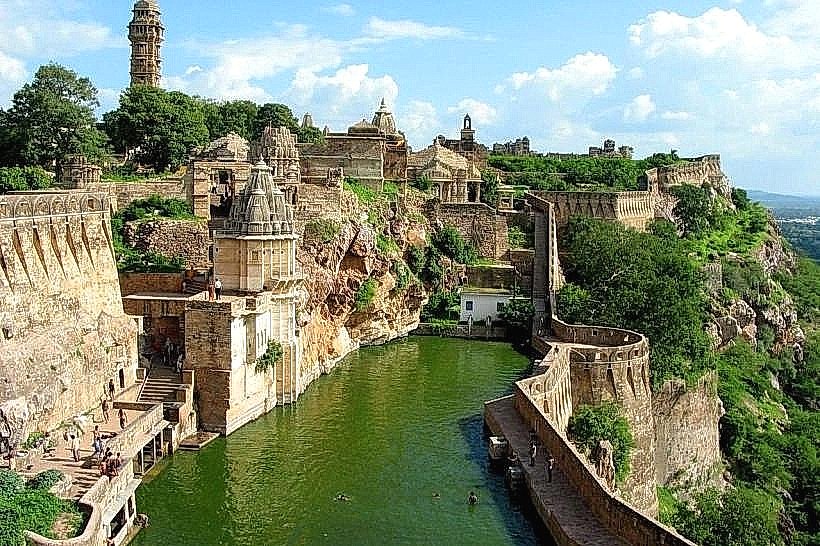
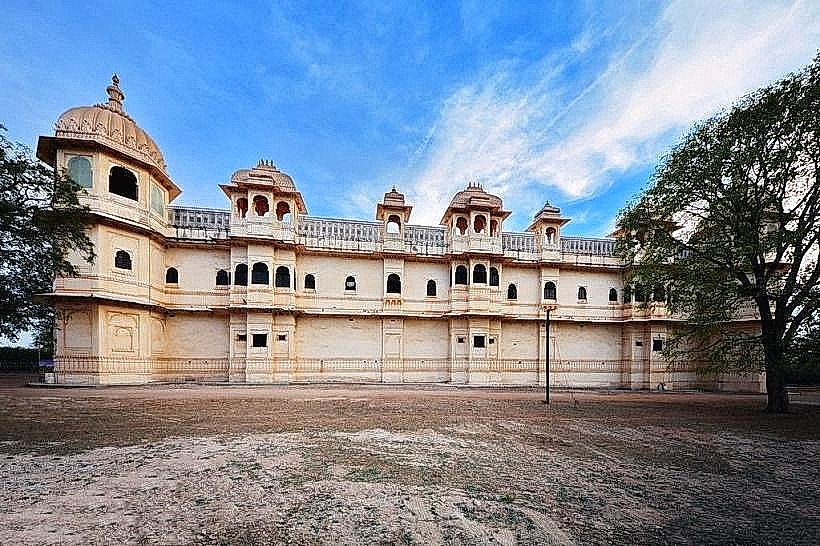
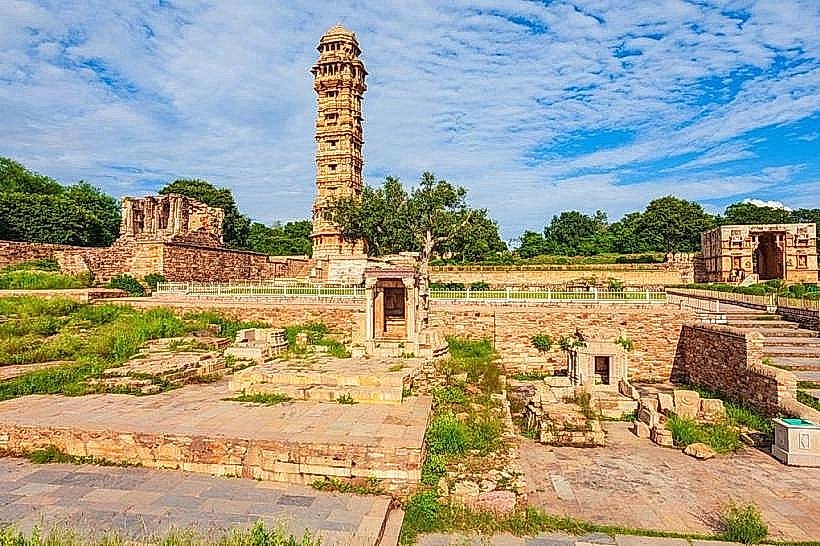
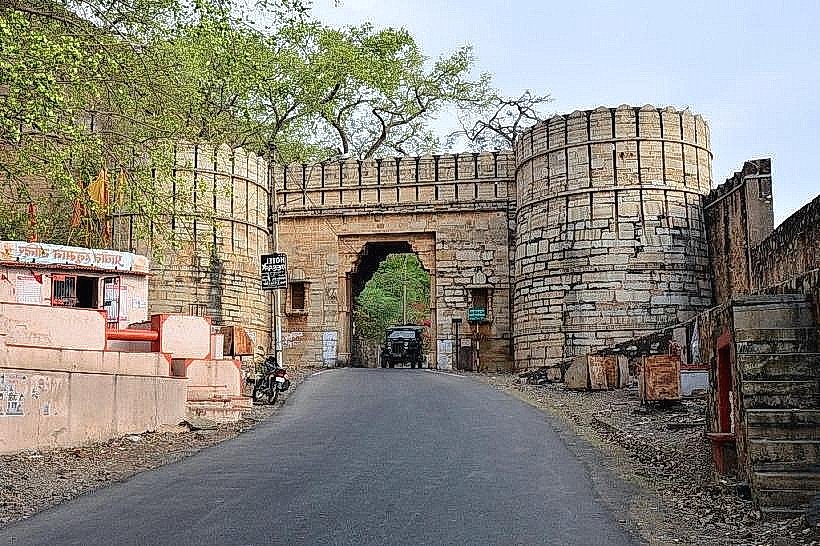
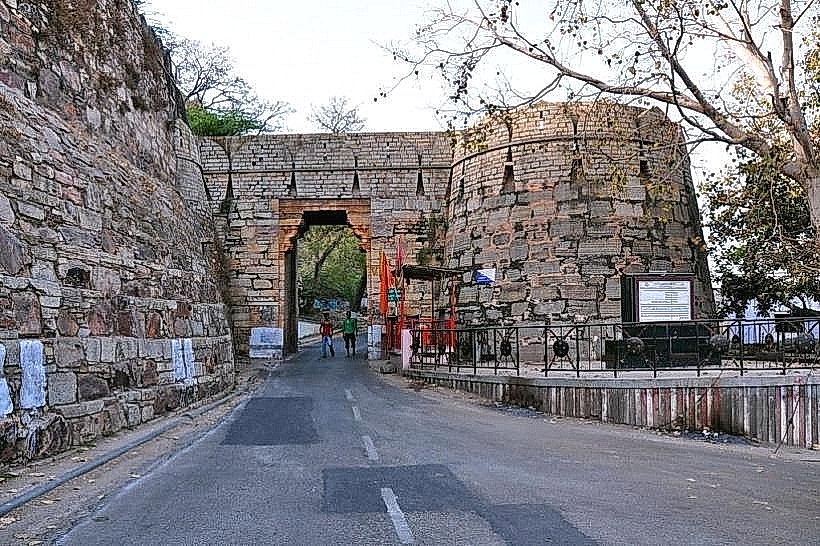
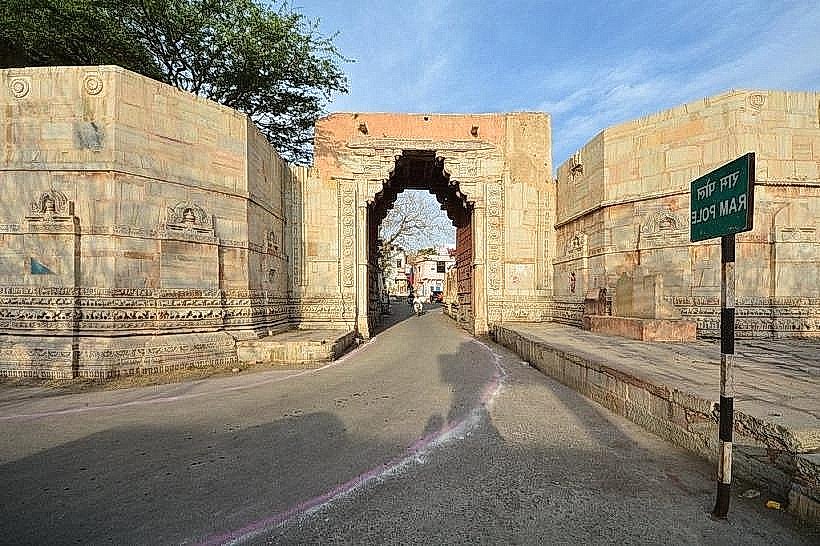
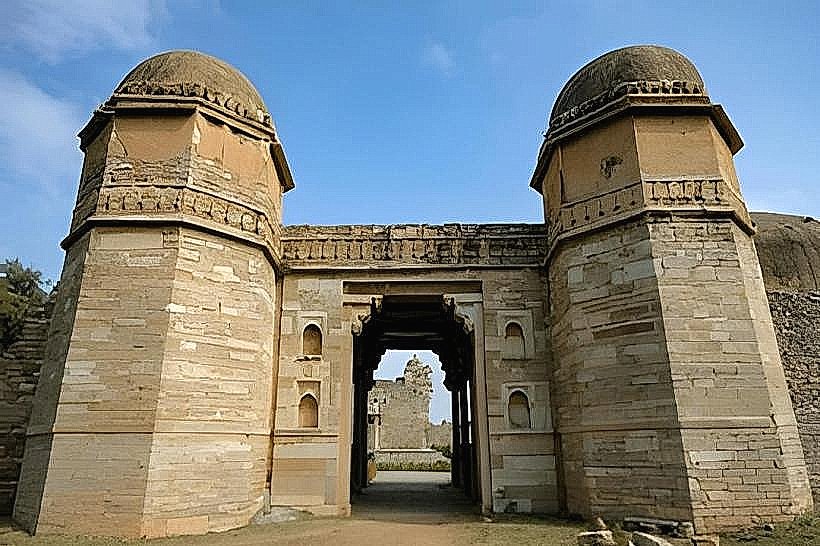
Landmark: Bhairon PolCity: Chittorgarh
Country: India
Continent: Asia
Bhairon Pol, Chittorgarh, India, Asia
The Brattleboro Museum & Art Center is an art museum located in Brattleboro, Vermont, USA.
Visual Characteristics
The museum is housed in a former railroad station constructed of red brick. The building features a prominent clock tower and large arched windows. Its architectural style is indicative of early 20th-century public transportation buildings.
Location & Access Logistics
The museum is situated at 10 Vernon Street in Brattleboro, Vermont. It is approximately 0.5km South of the downtown area. Parking is available in a dedicated lot adjacent to the building. Brattleboro's Amtrak station is located directly across the street, providing rail access. Local bus routes also serve the downtown area, with stops within a 0.2km walk.
Historical & Ecological Origin
The building was originally constructed in 1915 as the Union Station for the Boston & Maine Railroad. It served as a passenger and freight hub for the region until passenger service ceased in the 1960s. The building was repurposed as an art center in 1972.
Key Highlights & Activities
Exhibitions rotate regularly, featuring contemporary art from regional and national artists. The museum hosts artist talks, workshops, and educational programs. Visitors can explore the permanent collection which includes works on paper and sculpture.
Infrastructure & Amenities
Restrooms are available on-site. Limited seating is provided within exhibition spaces. Cell phone signal (4G/5G) is generally reliable within the building. Food vendors and restaurants are located in the nearby downtown area.
Best Time to Visit
The museum is open year-round, Tuesday through Sunday. Mid-morning (10:00 AM - 12:00 PM) and mid-afternoon (2:00 PM - 4:00 PM) typically offer fewer crowds. Lighting conditions are consistent due to indoor exhibition spaces.
Facts & Legends
A local anecdote suggests that during its operational days as a train station, a particular steam whistle sound was said to predict incoming weather changes, though this is unverified.
Nearby Landmarks
- Brattleboro Food Co-op (0.3km North)
- Latchis Theatre (0.4km North)
- Brattleboro Common (0.5km North)
- Vermont Museum of Fine Arts (0.8km West)