Information
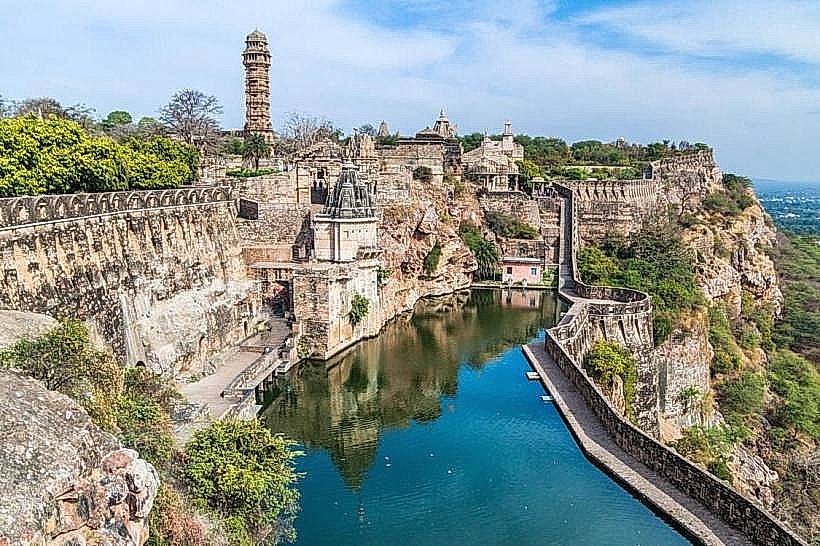
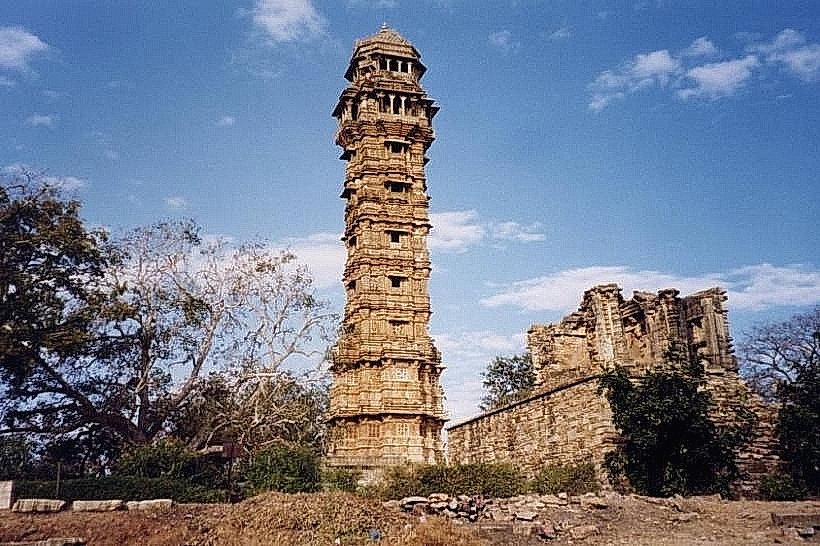
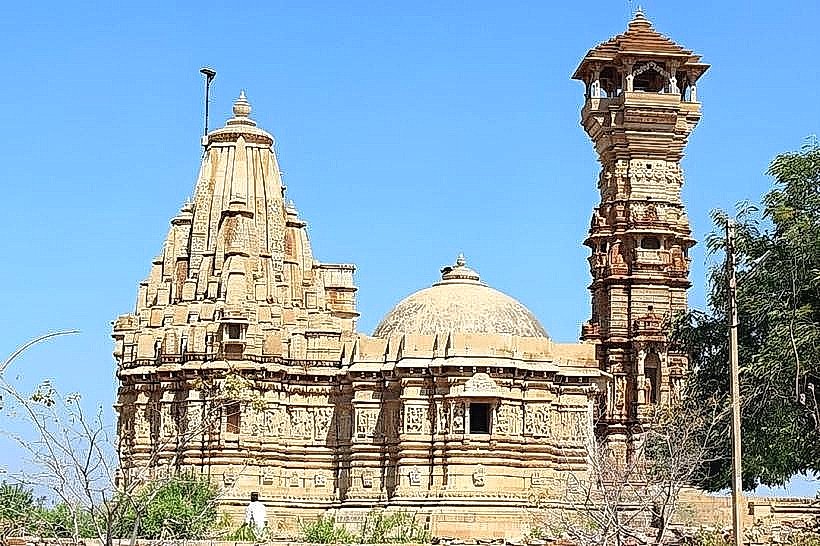
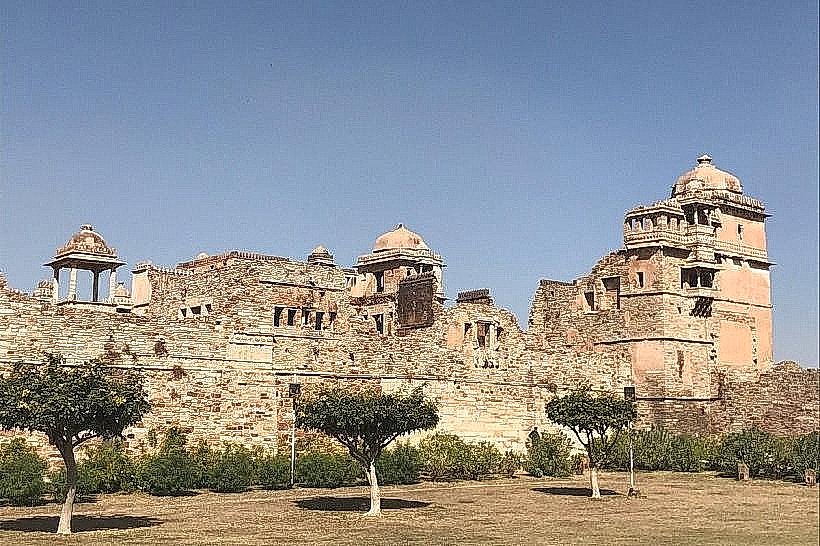
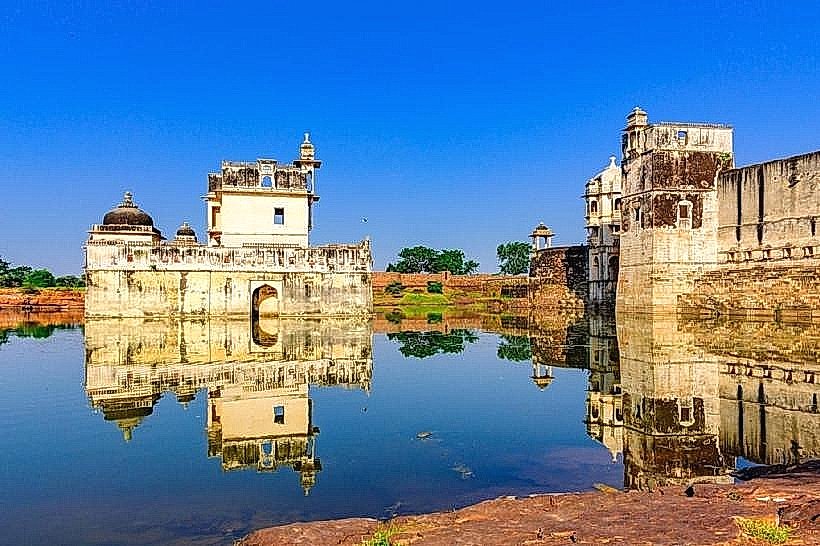
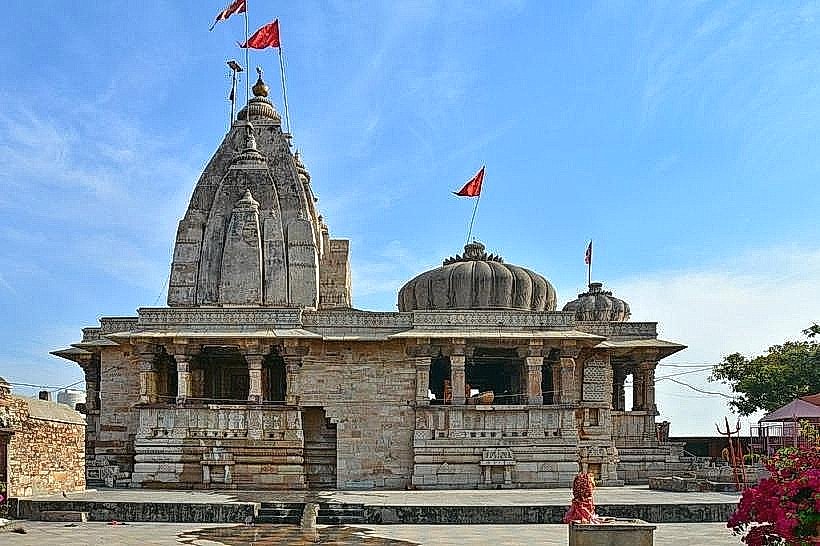
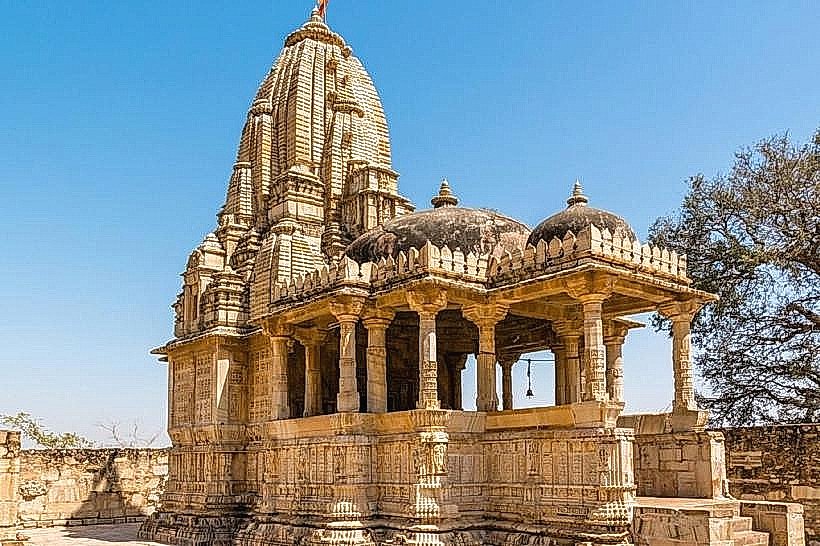
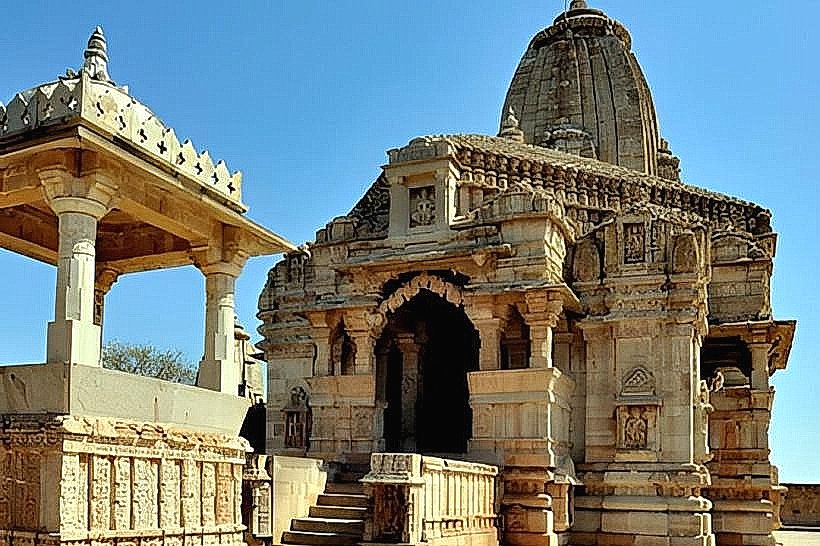
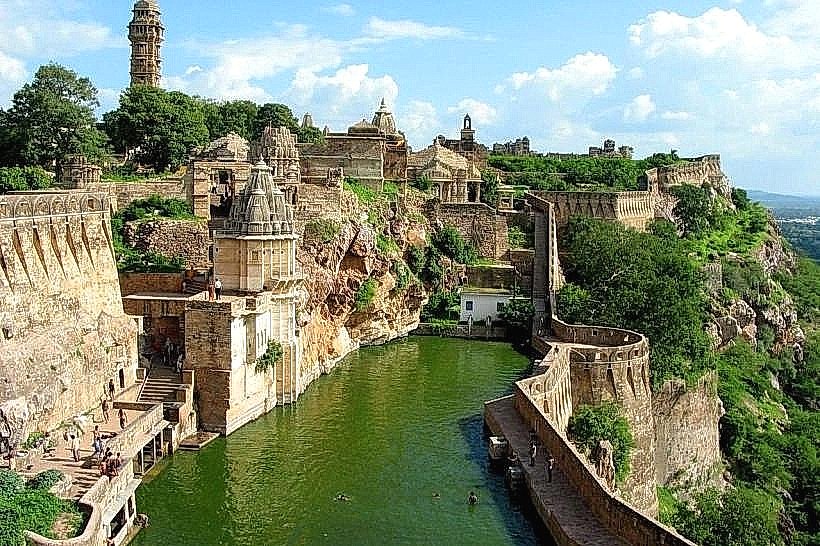
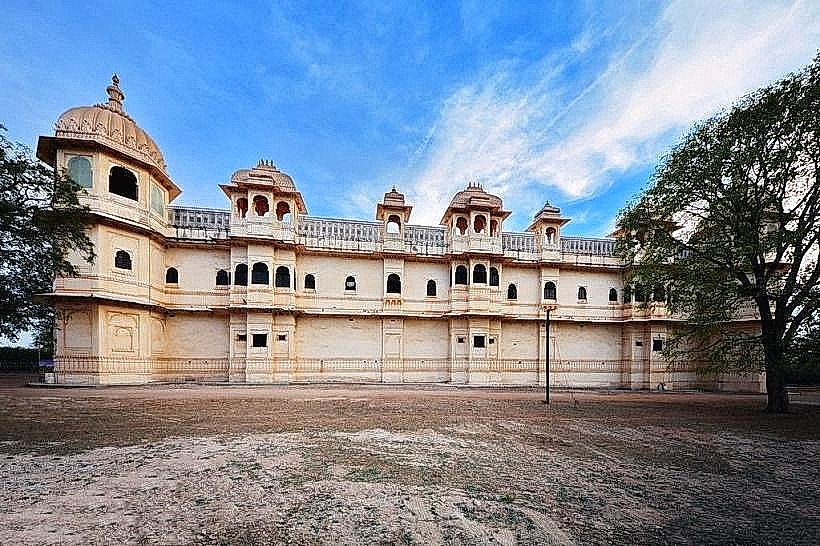
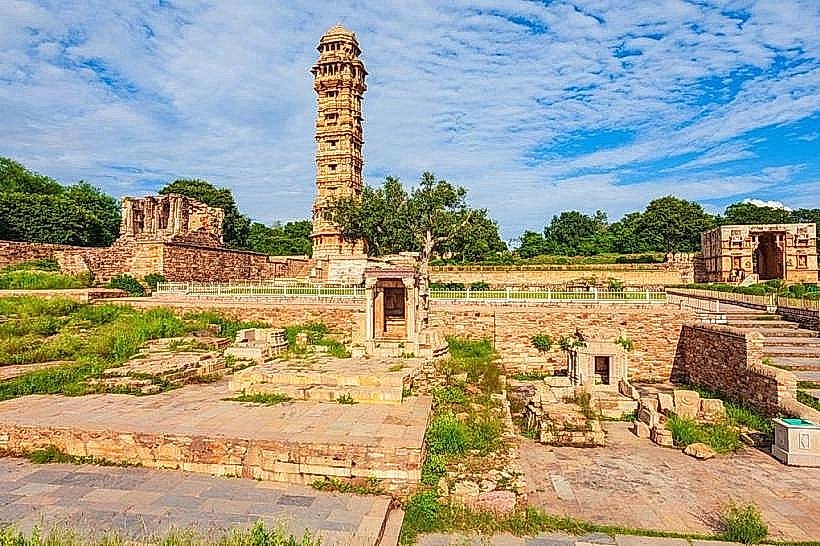
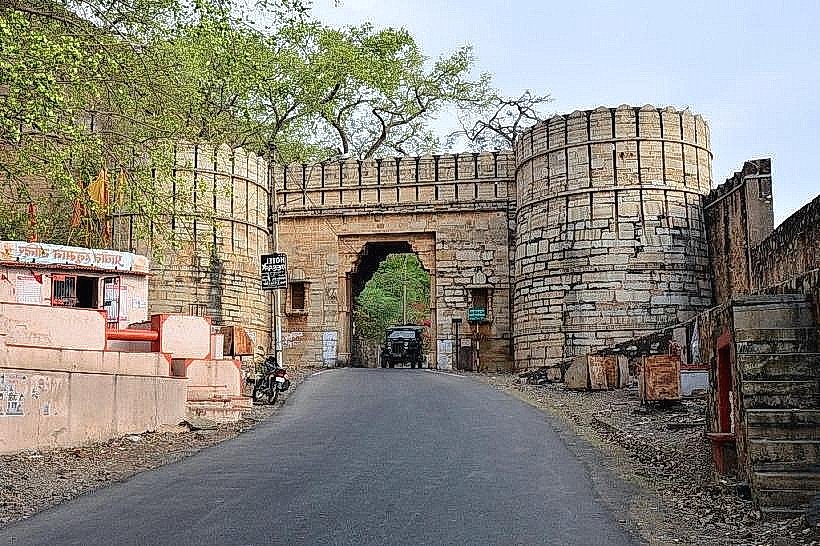
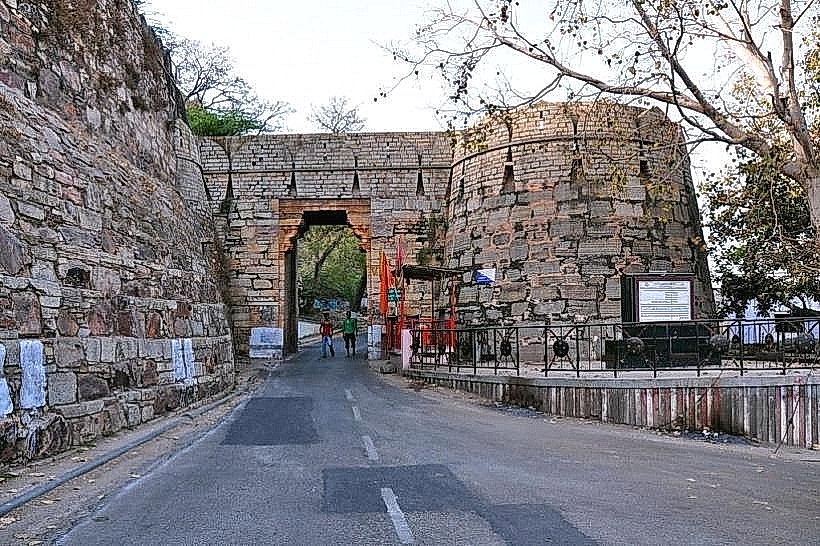
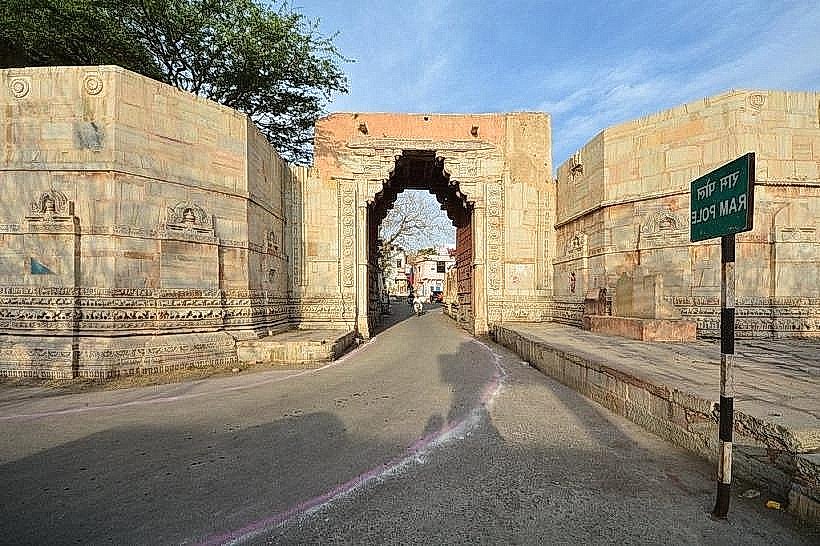
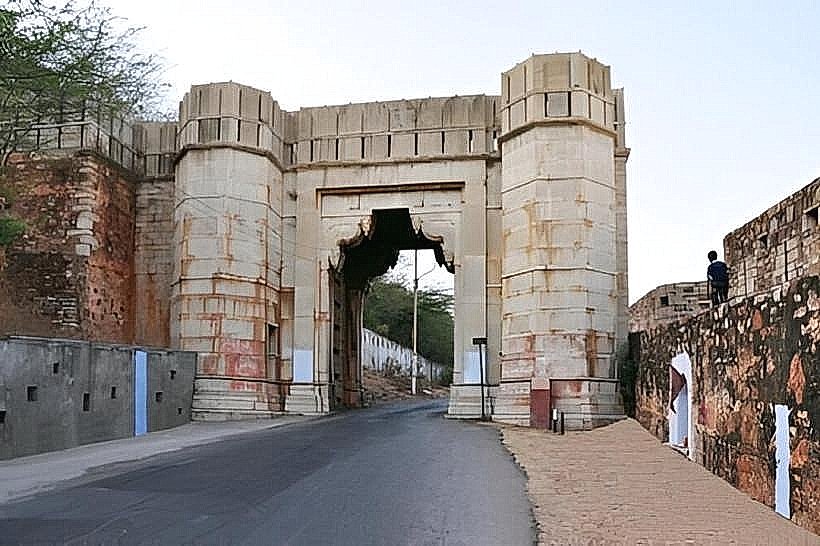
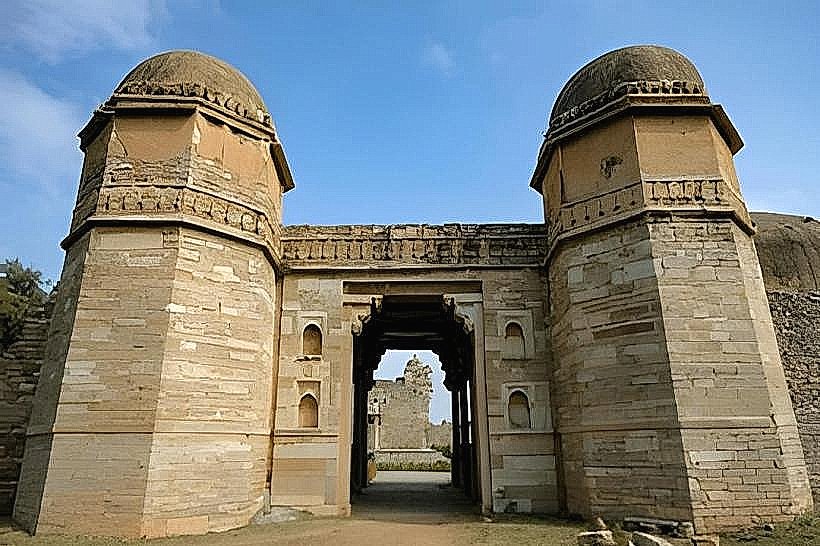
Landmark: Rani Padmini’s GateCity: Chittorgarh
Country: India
Continent: Asia
Rani Padmini’s Gate, Chittorgarh, India, Asia
The Archaeological Museum is situated within the Roman Theatre complex in Verona, Italy.
Visual Characteristics
The museum is housed in a series of interconnected structures, including a former convent and excavated Roman ruins. The primary building exhibits a facade of weathered stone and stucco, with arched windows and terracotta roof tiles. Interior spaces feature exposed brickwork, stone floors, and vaulted ceilings in older sections, contrasting with modern exhibition halls that utilize neutral wall colors and controlled lighting.
Location & Access Logistics
The museum is located at Largo di Via Madonna del Monte, 1, approximately 1.5 kilometers east of Verona's city center. Access is via Via Madonna del Monte, a pedestrianized street leading up to the Roman Theatre. Limited public parking is available at the base of the hill near the Adige River. Bus line 70 stops at Largo San Tommaso, a 5-minute walk from the museum entrance.
Historical & Ecological Origin
The museum's collection is derived from archaeological findings within Verona and its surrounding territories, spanning from the Paleolithic era to the early Middle Ages. The site itself incorporates elements of the Roman Theatre, constructed in the 1st century AD, and the adjacent convent of San Girolamo, dating back to the 16th century. The museum was established to consolidate and display these historical artifacts.
Key Highlights & Activities
Exhibits include Roman mosaics, sculptures, inscriptions, and artifacts from daily life. Visitors can explore the excavated Roman Theatre and its adjacent museum sections. Guided tours focusing on Roman Verona are available daily at 10:00 AM and 2:00 PM.
Infrastructure & Amenities
Restrooms are available on-site. Limited shaded areas are present within the Roman Theatre complex. Cell phone signal (4G) is generally consistent. No on-site food vendors; however, cafes and restaurants are located within a 10-minute walk in the city center.
Best Time to Visit
The best time for photography of the Roman Theatre is late afternoon when the sun illuminates the stone structures. For comfortable exploration of the museum and theatre, weekdays during spring (April-May) or autumn (September-October) are recommended to avoid peak tourist crowds. The museum is accessible year-round.
Facts & Legends
A notable artifact is the "Mosaico del Buon Pastore," a well-preserved Roman mosaic depicting a biblical scene. Local lore suggests that during Roman times, the theatre was used not only for performances but also for public assemblies and even gladiatorial contests, though definitive evidence for the latter is scarce.
Nearby Landmarks
- Roman Theatre (0km)
- Castel San Pietro (0.3km North)
- Ponte Pietra (0.4km West)
- Duomo di Verona (0.8km Southwest)
- Piazza delle Erbe (1.2km Southwest)