Information
City: ConstantaCountry: Romania
Continent: Europe
Constanta, Romania, Europe
Constanța functions as Romania's primary maritime gateway, housing the largest port on the Black Sea and serving as a critical logistics hub for the European Union. It is situated on the Dobruja coast in southeastern Romania, bordering the Black Sea to the east.
Historical Timeline
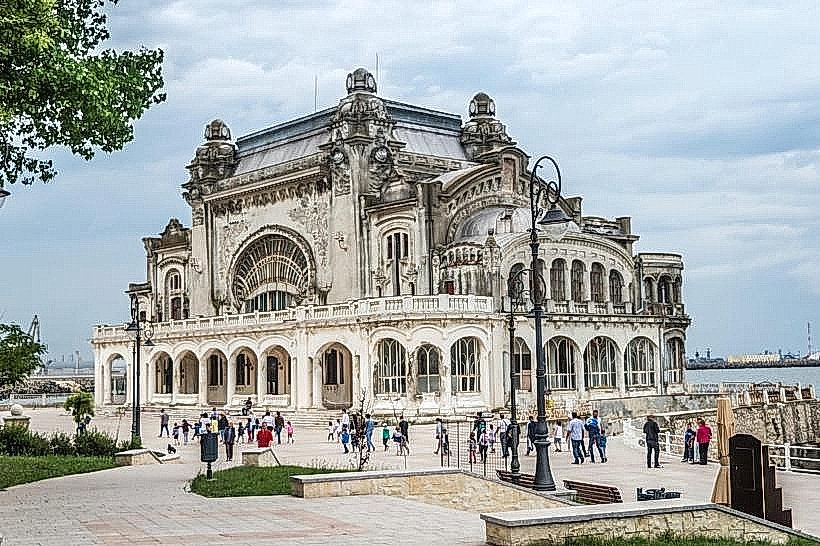
The city was founded as the Greek colony of Tomis in 657 BC. Primary eras of governance include Roman (from 29 BC, later renamed Constantiana), Ottoman (1419–1878), and modern Romanian rule following the Treaty of Berlin. Significant architectural reconstruction occurred during the late 19th-century "Carol I" era, which saw the development of the harbor and casino. The most significant event shaping the current urban form was the rapid industrialization of the port and socialist urban systematization in the 1960s and 70s.
Demographics & Population
The city limits contain approximately 268,757 residents, with a metropolitan area exceeding 650,000. Demographics consist of 83.1% Romanian, 3.1% Tatar, and 2.6% Turkish. The median age of the population is 43.5 years.
Urban Layout & Key Districts
The city is organized linearly along the coastline. The Peninsula Area (Peninsula) is the historic center, situated at the southern tip. Mamaia (North) is the primary tourist and resort district, while the Port Area (South) dominates the industrial landscape. The Central District (Centru) acts as the commercial bridge between the historic old town and the northern residential sectors.
Top City Landmarks
Constanța Casino (Cazinoul din Constanța)
Grand Mosque of Constanța (Carol I Mosque)
Cathedral of Saints Peter and Paul
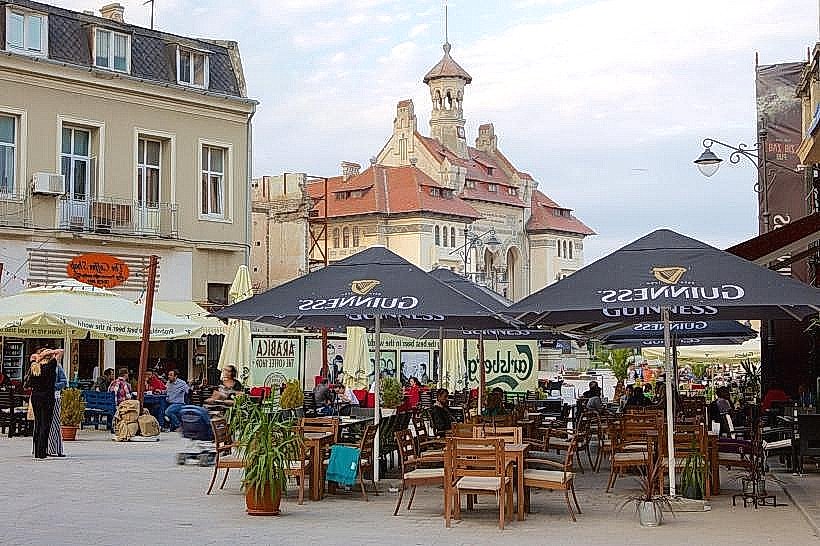
National History and Archaeology Museum (Piața Ovidiu)
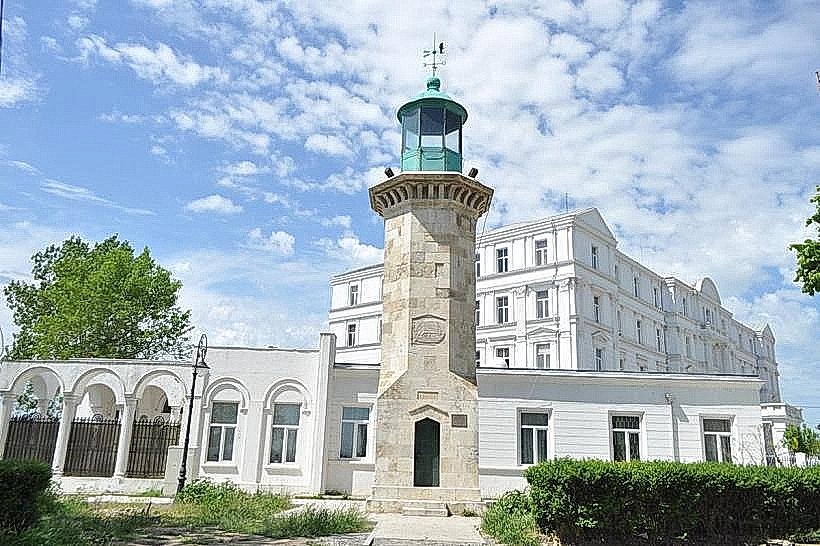
Genoese Lighthouse
Transportation Network
Internal movement is managed by CT Bus; tickets are purchased via card, SMS, or at kiosks. There is no metro or tram system. Ride-sharing through Uber and Bolt is the standard for private transit. Official taxis are typically yellow; ensure the meter is started, especially at the Railway Station or Mamaia. Traffic density is extreme in the northern corridor (Bulevardul Mamaia) during the summer season (June–August).
Safety & "Red Zones"
The general safety level is moderate to high. Exercise caution in the Henri Coandă social housing area and the periphery of the Poarta 6 neighborhood at night. Scams involve "phantom" taxi drivers at the Gara (train station) charging inflated flat rates and beach-side pickpocketing in crowded areas of Mamaia.
Digital & Financial Infrastructure
Average internet speed is 160 Mbps. Main mobile carriers are Orange, Vodafone, and Digi. Card acceptance is high in the city center, malls, and modern beach clubs, though small beach kiosks may remain cash-only. ATMs are widely available, particularly near Piața Ovidiu and City Park Mall.
Climate & Air Quality
Temperatures range from -1°C to 5°C in winter and 18°C to 28°C in summer. Sea breezes generally maintain better air quality than inland cities, but humidity is high year-round. Weather risks include severe winter blizzards (viscol) that can isolate the city and sudden summer thunderstorms.
Culture & Social Norms
Tipping is standard at 10% in restaurants. Handshakes are the standard greeting. Dress code is casual, but swimwear is strictly prohibited outside of beach areas and the immediate promenade. Smoking is banned in all indoor public spaces. Alcohol consumption is common in beach bars but technically illegal in public parks.
Accommodation Zones
Stay in the Peninsula (Old Town) for walking access to museums, the Casino, and the harbor. Stay in Northern Constanța/Mamaia for direct beach access and high-density dining and nightlife options.
Local Cost Index
1 Espresso: 12 RON ($2.60)
1 Standard Lunch: 45 RON ($9.80)
1 Bus Ticket: 2.5 RON ($0.55)
Nearby Day Trips
Mamaia Resort: 10 km (15 min)
Histria Citadel (Ancient Ruins): 65 km (1 hour)
Murfatlar Vineyards: 20 km (25 min)
Cape Kaliakra (Bulgaria): 110 km (1.5 hours)
Enisala Fortress: 100 km (1.5 hours)
Facts & Legends
The Roman poet Ovid was exiled to Tomis (modern Constanța) in 8 AD by Emperor Augustus for "a poem and a mistake," where he eventually died and was buried; his statue remains the centerpiece of the historic square. A persistent urban legend claims that a series of underwater tunnels exists beneath the Constanța Casino, allegedly used for smuggling goods or facilitating secret escapes during the various 20th-century regime changes.