Information
Landmark: National History and Archaeology MuseumCity: Constanta
Country: Romania
Continent: Europe
National History and Archaeology Museum, Constanta, Romania, Europe
The National History and Archaeology Museum in Constanta, Romania, is a repository of artifacts detailing the region's past. It is situated in the city of Constanta, on the Black Sea coast.
Visual Characteristics
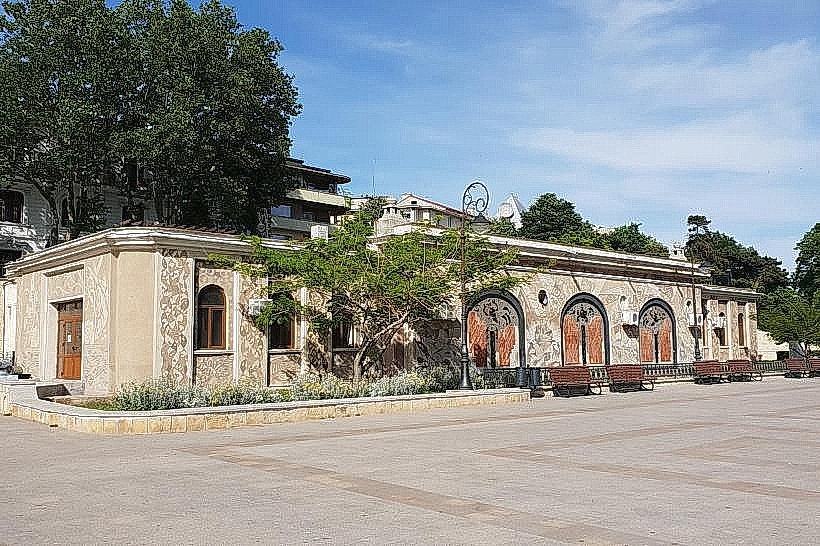
The museum is housed in a building constructed in the Neo-Romanian architectural style. Its facade features stone elements and decorative arches. The structure is approximately 20 meters in height and comprises three main floors.
Location & Access Logistics
The museum is located at 80 Tomis Boulevard, Constanta. This is approximately 1.5 kilometers west of the Constanta Port. Parking is available on adjacent streets, though capacity is limited. Public transport options include bus lines 101 and 102, which stop within a 200-meter radius of the museum entrance.
Historical & Ecological Origin
The building was constructed between 1912 and 1921, designed by architect Ion N. Antonescu. Its original purpose was to serve as the Constanta City Hall. The museum's collection focuses on archaeological finds from the ancient city of Tomis and subsequent historical periods of the Dobrogea region.
Key Highlights & Activities
Visitors can view exhibits on prehistoric, ancient, and medieval periods. Specific displays include Roman Mosaics, Greek pottery, and Dacian artifacts. The museum offers guided tours on weekdays at 10:00 AM and 2:00 PM.
Infrastructure & Amenities
Restrooms are available on each floor. Limited seating is provided within exhibition halls. Cell phone signal (4G/5G) is generally consistent within the building. No food vendors are located on-site; however, several cafes and restaurants are situated within a 500-meter radius.
Best Time to Visit
For optimal lighting on exhibits, the morning hours (9:00 AM - 11:00 AM) are recommended. The museum is open year-round. Weekday afternoons, particularly between 1:00 PM and 3:00 PM, tend to have lower visitor numbers.
Facts & Legends
A notable artifact is a statue of Ovid, the Roman poet exiled to Tomis. Local lore suggests that the statue sometimes weeps when significant historical events are about to occur in the region.
Nearby Landmarks
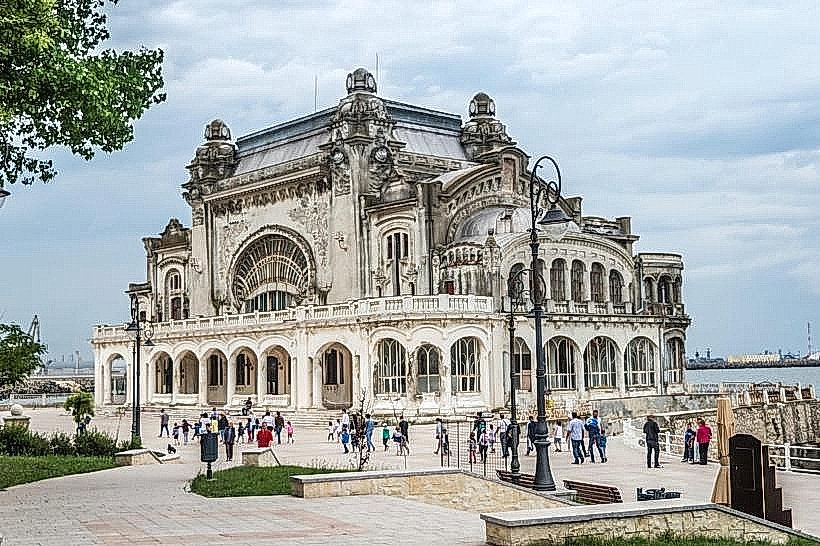
- Constanta Casino (0.8km East)
- Constanta Aquarium (0.9km East)
- Ovidius Square (0.3km West)
- Saint Peter and Paul Cathedral (0.6km Southwest)
- Archaeology Park (0.4km South)