Information
Landmark: Ovid SquareCity: Constanta
Country: Romania
Continent: Europe
Ovid Square, Constanta, Romania, Europe
Ovid Square is a public plaza located in the central district of Constanta, Romania. It serves as a focal point for the city's historic core.
Visual Characteristics
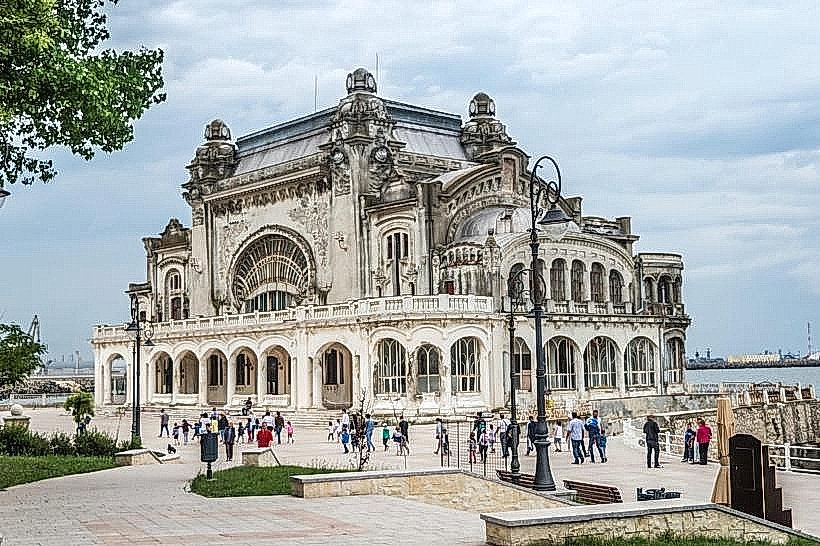
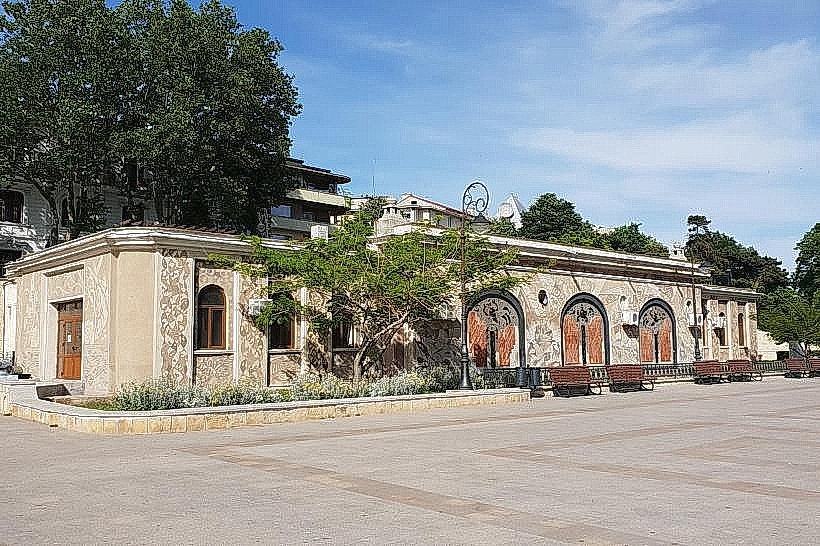
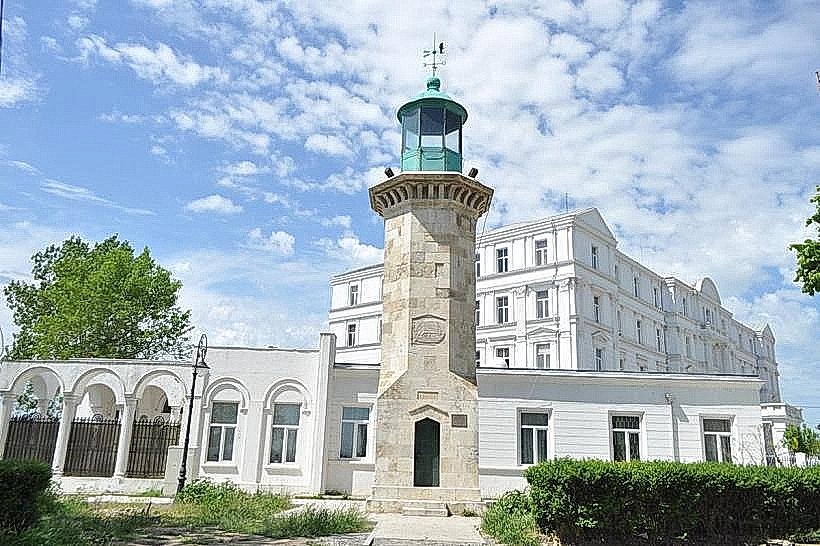
The square is paved with stone. At its center stands a bronze statue of the Roman poet Ovid, mounted on a granite pedestal. The surrounding buildings are primarily constructed from brick and stone, exhibiting architectural styles from the late 19th and early 20th centuries, with facades often painted in muted earth tones.
Location & Access Logistics
Ovid Square is situated approximately 0.2km west of the Constanta Port. Access is via Strada Mircea cel Bătrân, a main thoroughfare. Limited on-street parking is available on adjacent streets, often metered. Public transport options include bus lines 101, 102, and 43, which stop at the nearby Constanta Museum of National History, a 50-meter walk from the square.
Historical & Ecological Origin
The square was established in the late 19th century as part of the urban development of Constanta. The statue of Ovid was erected in 1887, commemorating the poet's exile to Tomis (ancient Constanta). The area is built on coastal plain geology.
Key Highlights & Activities
Visitors can observe the statue of Ovid. The square is a point of pedestrian transit. Cafes and shops line the perimeter, offering seating areas.
Infrastructure & Amenities
Public restrooms are located within the Constanta Museum of National History. Shade is provided by trees planted around the square's perimeter. Cell phone signal (4G/5G) is generally strong. Food vendors and cafes are present directly on the square.
Best Time to Visit
For photography, early morning or late afternoon light provides optimal illumination of the statue and surrounding architecture. Weather is most favorable during spring (April-May) and autumn (September-October), with average temperatures ranging from 15-25 degrees Celsius. Summer months can be hot.
Facts & Legends
A local anecdote suggests that Ovid, in his exile, would often walk the very ground where the square now stands, contemplating his fate. The granite pedestal of the statue is said to be sourced from the nearby Capidava fortress ruins.
Nearby Landmarks
- Constanta Museum of National History (0.05km East)
- Constanta Casino (0.4km Southeast)
- Carol I Mosque (0.3km South)
- Tomis Yacht Club (0.6km East)
- Archaeology Park (0.7km Southwest)