Information
Landmark: Genovese LighthouseCity: Constanta
Country: Romania
Continent: Europe
Genovese Lighthouse, Constanta, Romania, Europe
The Genovese Lighthouse is a historical maritime structure situated on the Constanta waterfront in Romania.
It functions as a navigational aid for vessels entering and exiting the Port of Constanta.
Visual Characteristics
The lighthouse is an octagonal tower constructed from stone blocks. It stands approximately 50 meters (164 feet) in height. The exterior is painted white, with a red band encircling the lantern room. The lantern room itself features a series of glass panes.
Location & Access Logistics
The lighthouse is located at the end of the Constanta breakwater, accessible from the Constanta Old Town. It is approximately 1 kilometer (0.6 miles) east of the city center. Access to the breakwater is generally permitted for pedestrians. There is no dedicated parking at the lighthouse itself; parking is available in the city center. Public transport, such as city bus lines 101 and 102, stop near the port entrance.
Historical & Ecological Origin
The current structure was built in 1860 by the Ottoman Empire, though a previous lighthouse existed on the site since the 12th century, built by Genoese merchants. Its original purpose was to guide ships into the ancient port of Tomis, later Constanta.
Key Highlights & Activities
Observation of the lighthouse structure from the breakwater. Photography of the lighthouse and surrounding port area. Viewing of maritime traffic entering and exiting the port.
Infrastructure & Amenities
There are no public restrooms or food vendors directly at the lighthouse. Cell phone signal (4G/5G) is generally available on the breakwater. Shade is minimal on the breakwater.
Best Time to Visit
For photography, the late afternoon provides favorable lighting conditions as the sun sets behind the city. The months of May through September offer the most stable weather patterns. High tide does not affect access to the breakwater.
Facts & Legends
The original Genoese lighthouse, predating the current structure, was a significant landmark for medieval trade routes in the Black Sea. Local lore suggests that during certain storms, the light from the lighthouse is said to flicker in response to the sea's intensity.
Nearby Landmarks
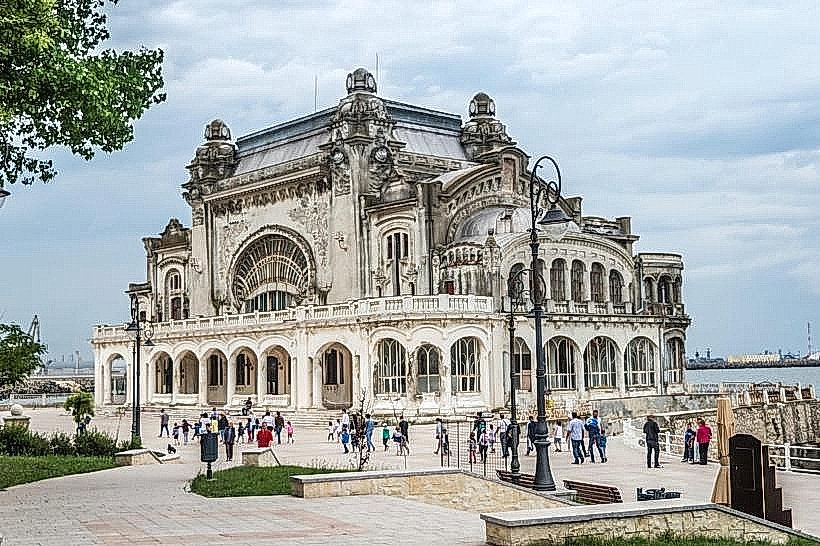
- Constanta Casino (0.8km West)
- Ovid's Square (1km West)
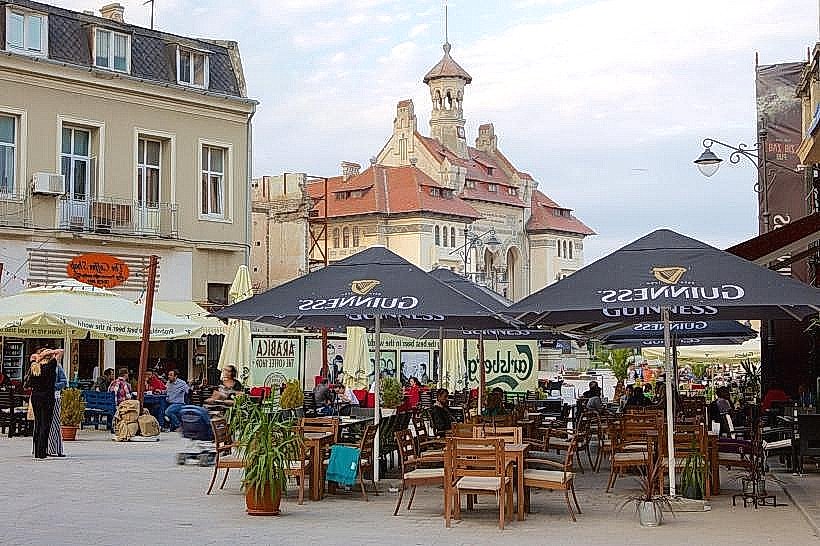
- Archaeology Museum (1.1km West)
- Mosque of Constanta (1.2km West)