Information
City: CreteCountry: Greece
Continent: Europe
Crete, Greece, Europe
Crete is the largest and most populous island in Greece and the fifth-largest in the Mediterranean Sea. It is situated at the southern edge of the Aegean Sea, acting as a physical barrier between Europe and Africa. The island is characterized by a high mountain range crossing from west to east, including the White Mountains (Lefka Ori), the Idi Range (Mount Psiloritis), and the Dikti Mountains.
Historical Timeline
Crete was the center of the Minoan civilization (c. 2700–1420 BC), the earliest advanced civilization in Europe. Following the mysterious collapse of the Minoans, the island was held by Mycenaean Greeks, Romans, Byzantines, and the Andalusian Arabs (Emirate of Crete). It was a vital colony of the Republic of Venice (Kingdom of Candia) from 1204 to 1669, followed by Ottoman rule. It gained independence in 1898 and joined Greece in 1913. During WWII, it was the site of the first major paratrooper invasion in history (Battle of Crete).
Demographics & Population
As of 2026, the population is approximately 635,000. The population is concentrated along the northern coast in the four regional capitals. The demographic is predominantly Greek, with a significant community of northern European retirees and agricultural workers from Albania and South Asia. The median age is 43.5 years.
Regional Layout & Major Cities
The island is divided into four regional units:
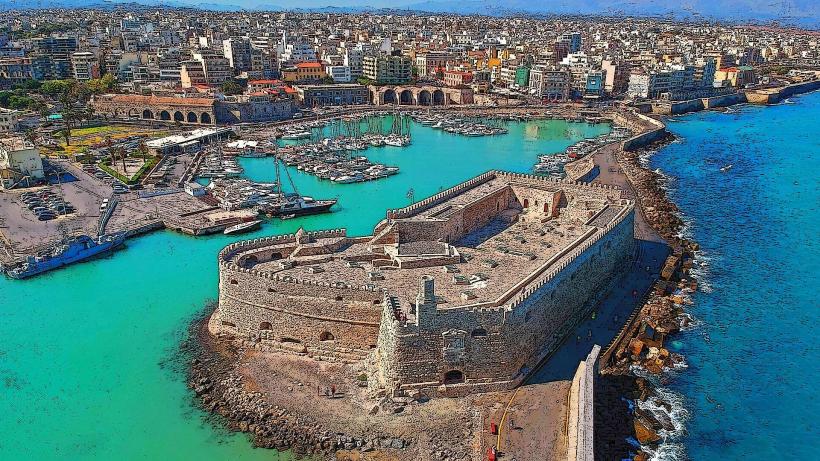
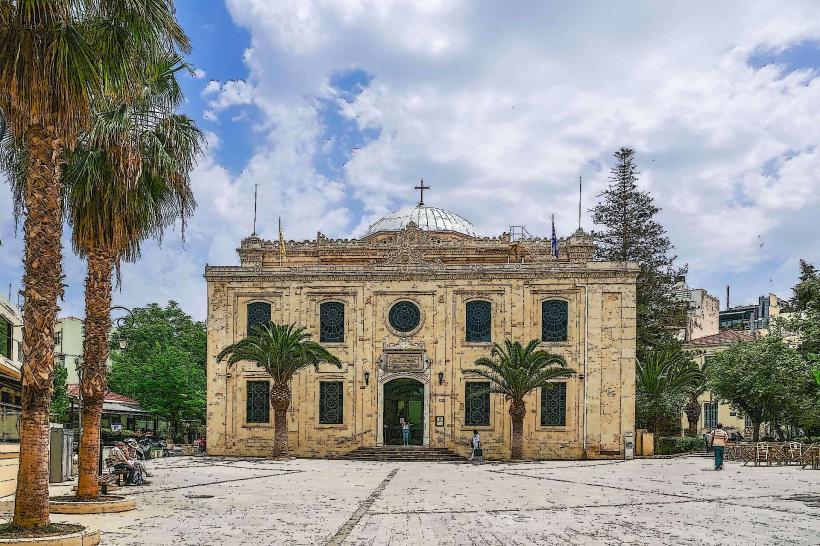
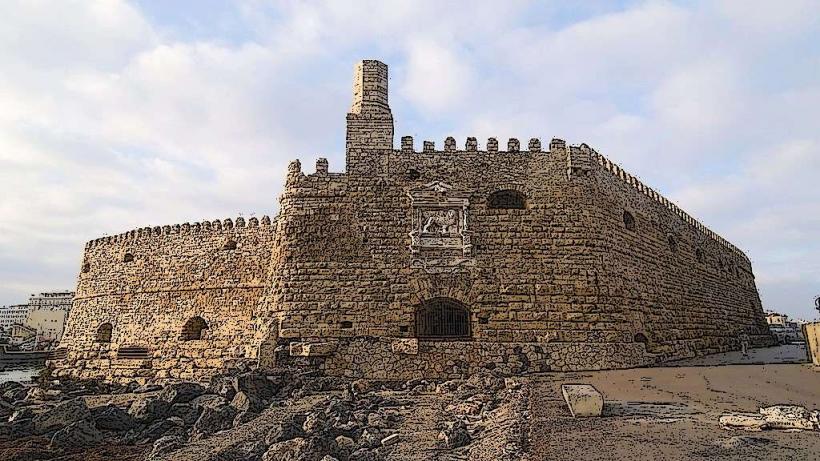
Heraklion: The largest city and administrative capital; the primary economic and entry hub.
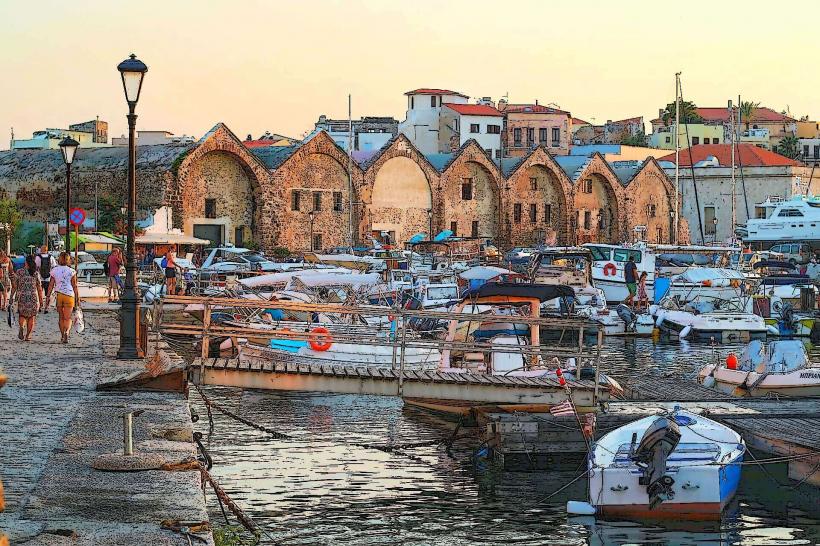
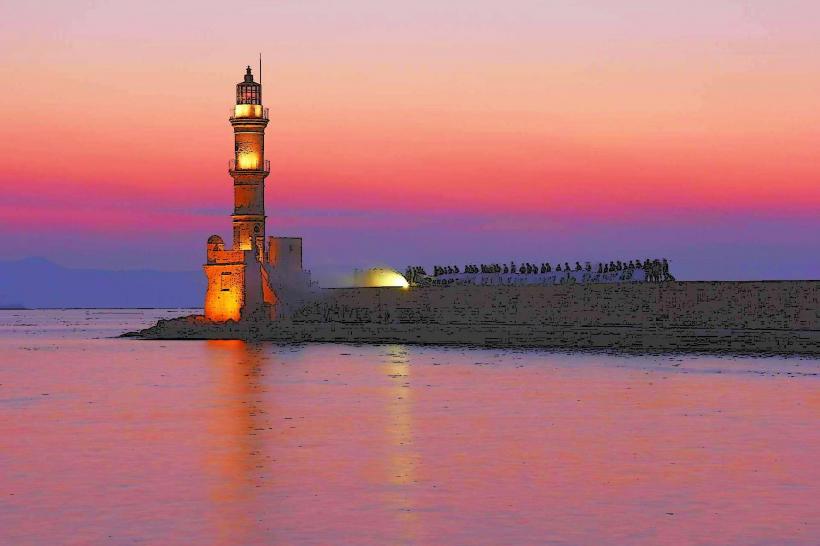
Chania: The former capital, known for its well-preserved Venetian harbor and lighthouse.
Rethymno: A university city featuring a blend of Venetian and Ottoman architecture.
Lassithi: The easternmost region, home to the luxury resorts of Elounda and the capital Agios Nikolaos.
Top Landmarks
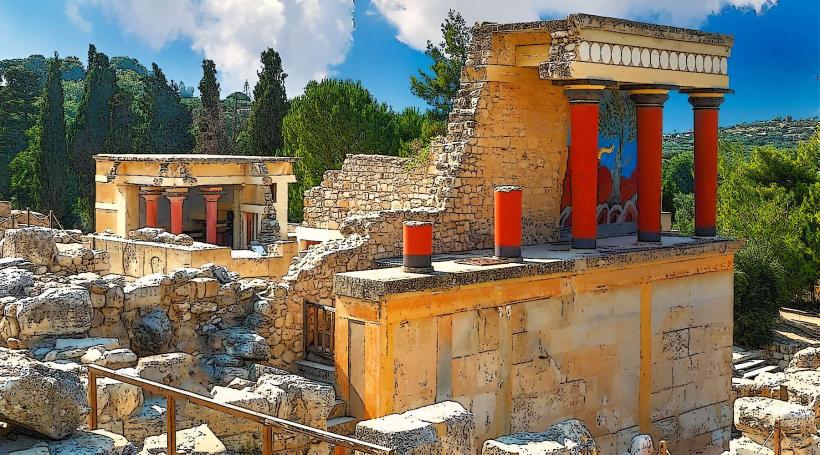
Palace of Knossos: The ceremonial and political center of Minoan civilization; partially reconstructed by Sir Arthur Evans.
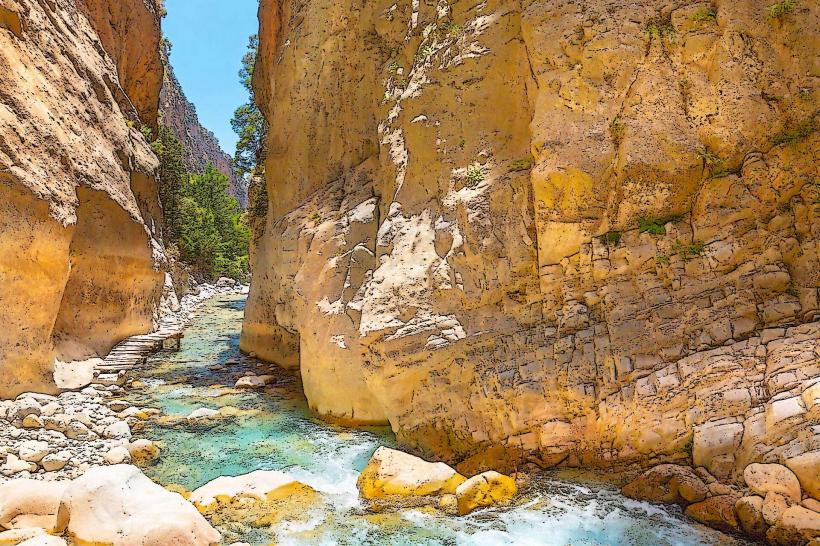
Samaria Gorge: One of the longest canyons in Europe (16 km), located in the White Mountains National Park.
Spinalonga: A fortress island and former leper colony located in the Gulf of Elounda.
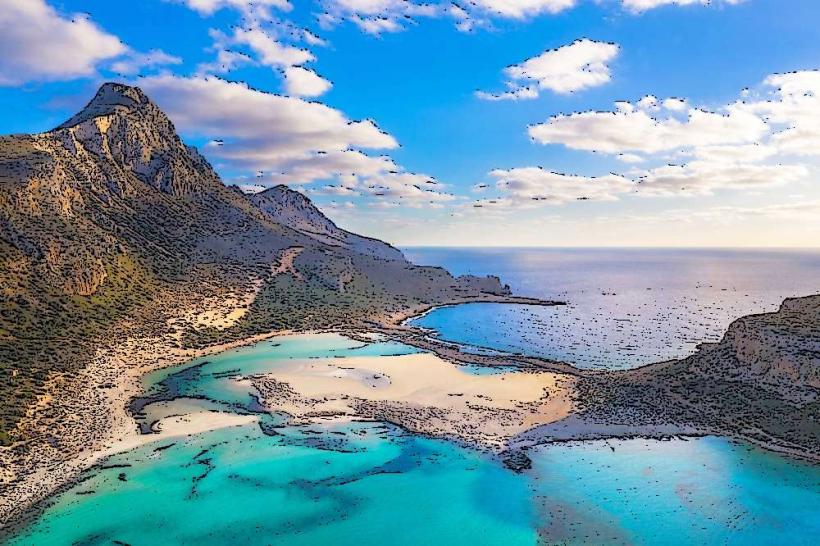
Balos Lagoon & Elafonisi: Globally recognized beaches known for turquoise waters and pink-tinted sand.
Psychro Cave (Diktaean Cave): According to mythology, the birthplace of Zeus.
Transportation Network
Air: Served by three airports: Heraklion (HER), Chania (CHQ), and the domestic airport at Sitia. The new Kastelli International Airport is currently the primary focus of regional infrastructure upgrades.
Sea: Daily ferry connections link Heraklion, Chania, and Kissamos to Piraeus (Athens).
Road: The Northern Road Axis of Crete (BOAK) is the primary highway. Public transit is managed by KTEL (green buses), providing comprehensive intercity coverage.
Rail: There is no railway system on the island.
Safety & Social Norms
Crete is one of the safest regions in Greece. Violent crime is extremely rare.
Firearms: Rural Crete, particularly in the mountainous regions of Sfakia and Anogeia, has a traditional culture of gun ownership; celebratory gunfire is common at weddings but is generally not a threat to public safety.
Driving: Mountain roads are narrow, steep, and often lack barriers. Livestock (goats/sheep) on roads is a constant hazard.
Digital & Financial Infrastructure
Average fixed broadband speed is 105 Mbps. 5G is universal in the northern coastal cities via Cosmote and Vodafone. Card acceptance is mandatory across all businesses. The currency is the Euro (€).
Climate & Agriculture
The climate is Mediterranean, but the island's size creates microclimates. The south coast is significantly warmer and drier.
Olive Oil: Crete produces some of the world's highest quality extra virgin olive oil; there are over 30 million olive trees on the island.
Wine: Home to indigenous grape varieties like Vidiano and Kotsifali.
Local Cost Index
1 Espresso (Freddo): €3.00–€4.50
1 Glass of Raki/Tsikoudia: €1.50–€3.00 (Often served free after dinner)
1 Standard Lunch: €15.00–€25.00
1 Car Rental (Daily): €35.00–€60.00
Facts & Legends
Legend states that Crete was the site where Icarus and Daedalus attempted flight and where the Minotaur was housed in the Labyrinth. A verified historical oddity: Crete remained a Venetian stronghold for 22 years during the Siege of Candia (1648–1669), the second-longest siege in history.