Information
City: FlorenceCountry: Italy
Continent: Europe
Florence, Italy, Europe
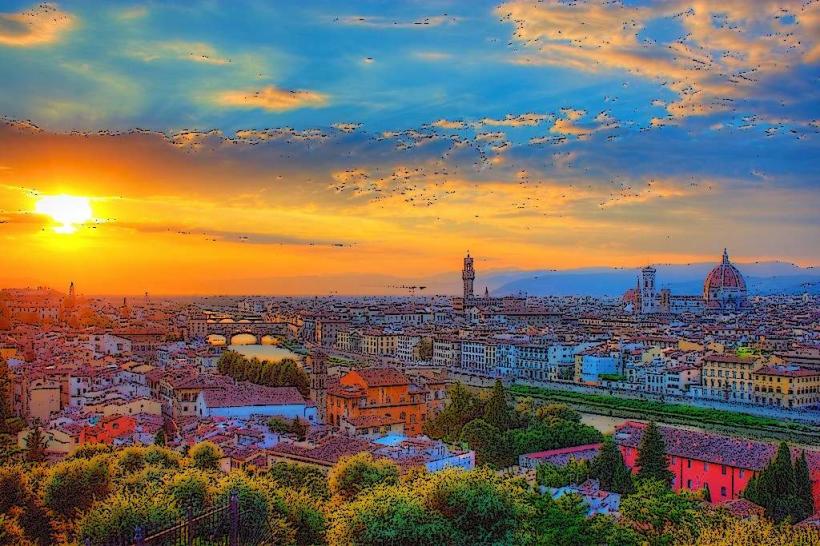
Florence serves as the capital of the Tuscany region and was the center of the European Renaissance. It is situated in a basin formed by the Arno River, surrounded by the Apennine foothills.
Historical Timeline
Founded as the Roman colony Florentia in 59 BC, it became a major commercial hub in the Middle Ages. Its most significant era was the 14th–16th centuries under the patronage of the Medici family, during which it became the birthplace of the Renaissance. The city served as the capital of the Kingdom of Italy from 1865 to 1871. Modern development is strictly regulated to preserve its 1982 UNESCO World Heritage status.
Demographics & Population
As of 2026, the city population is approximately 382,000, with a metropolitan area of 1.5 million. The demographic includes a high percentage of international residents (approx. 14%), primarily from China, Romania, and Albania. The median age is 48.1 years.
Urban Layout & Key Districts
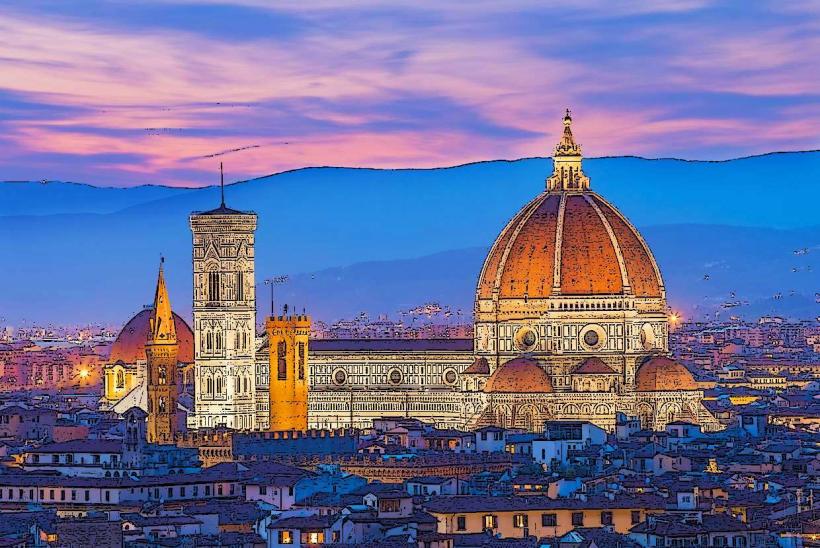
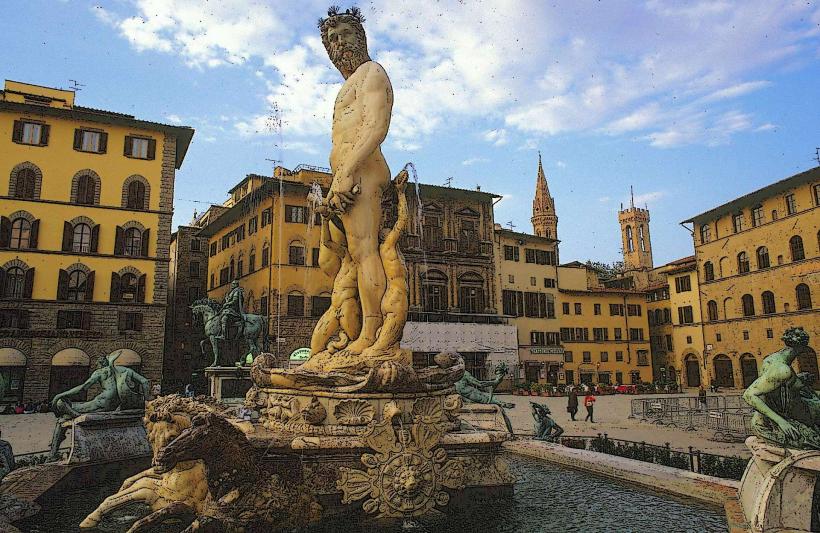
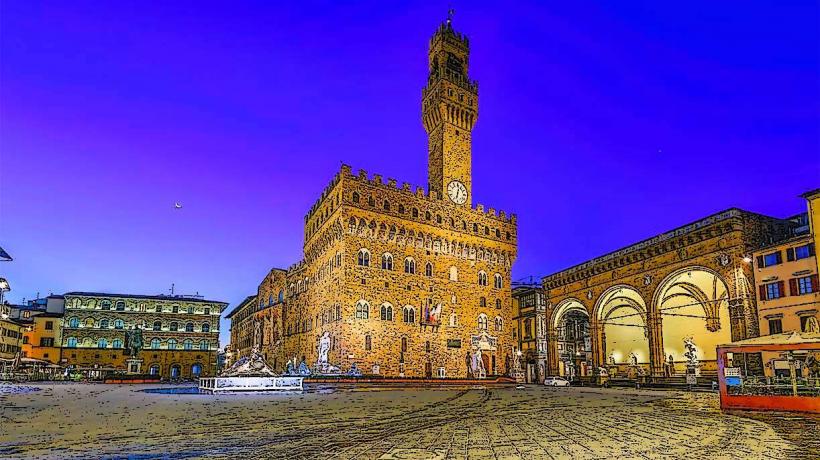
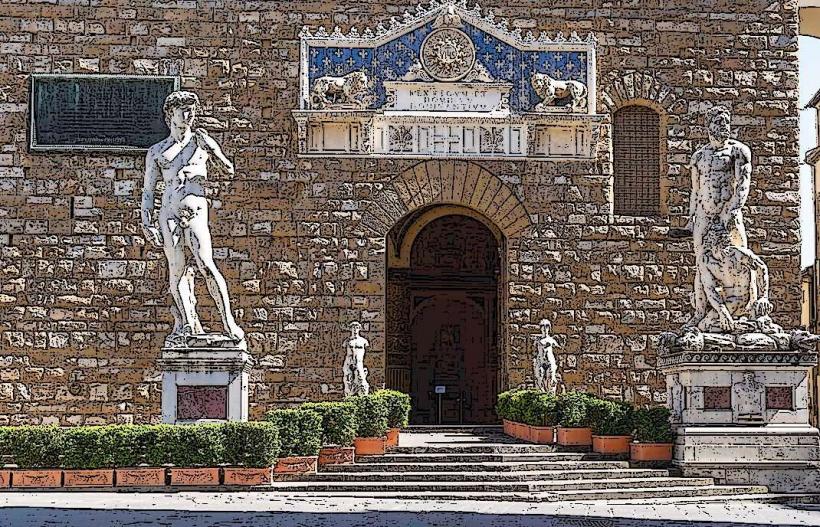
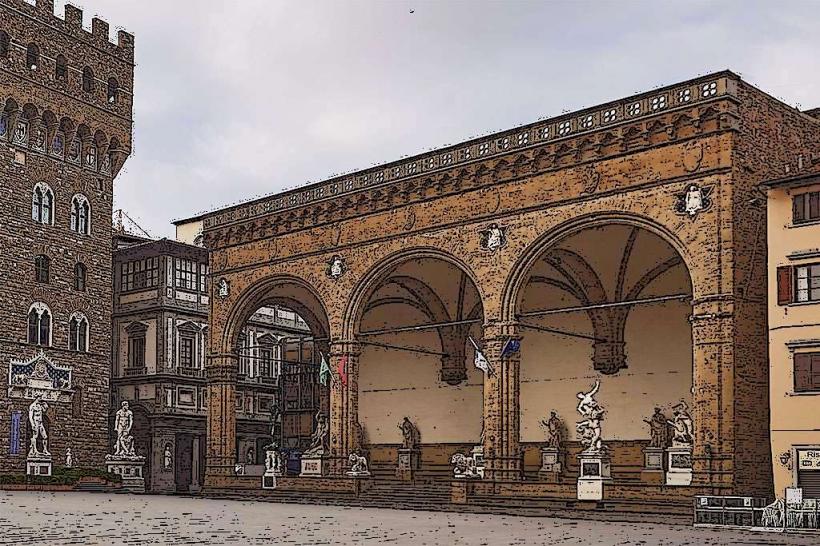
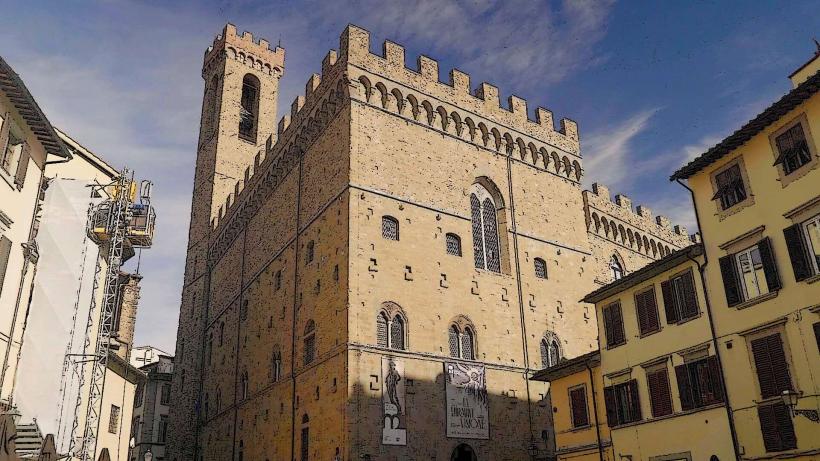
Centro Storico: The dense medieval core containing the Duomo, Palazzo Vecchio, and Uffizi.
Oltrarno: Located "across the Arno"; traditionally the artisans' quarter, now a center for boutiques and nightlife.
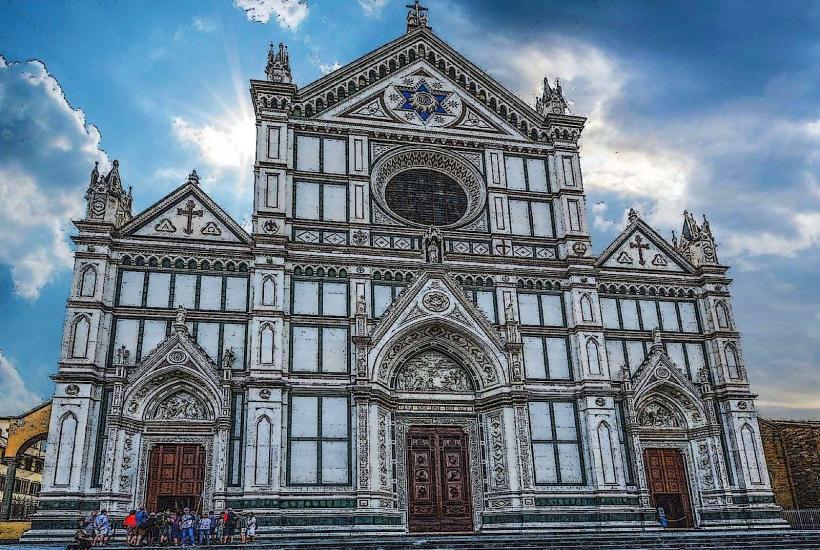
Santa Croce: A district focused around the Basilica, known for leather workshops and local restaurants.
Campo di Marte: The primary residential and sporting district, home to the Artemio Franchi Stadium.
Top City Landmarks
Florence Cathedral (Santa Maria del Fiore): Notable for Brunelleschi's dome, the largest masonry vault in the world.
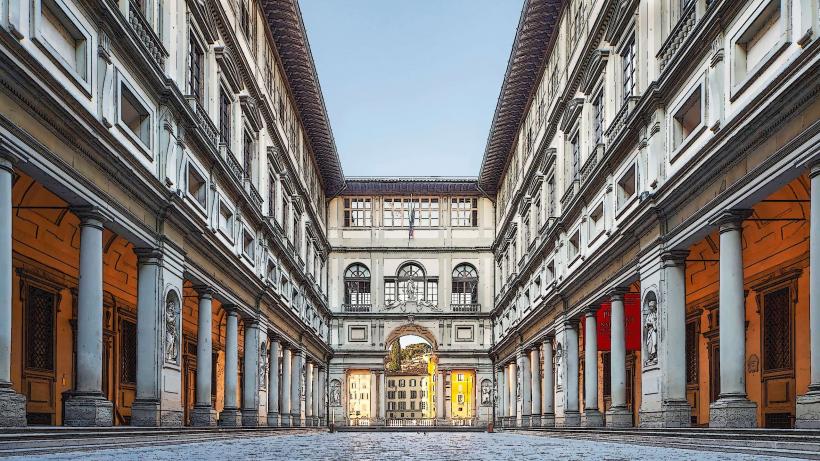
Uffizi Gallery: One of the world's premier art museums, housing works by Botticelli, Michelangelo, and Da Vinci.
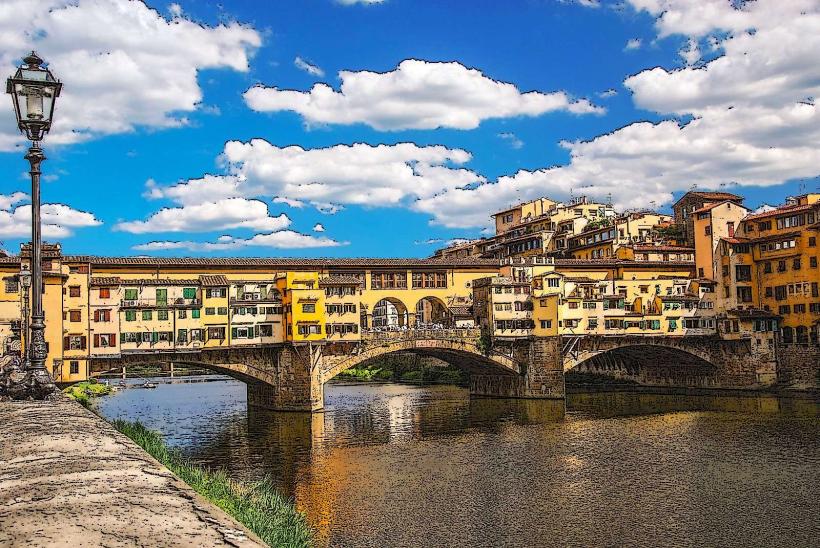
Ponte Vecchio: A medieval stone arch bridge noted for the shops (primarily jewelers) built along it.
Galleria dell'Accademia: Home to Michelangelo’s David.
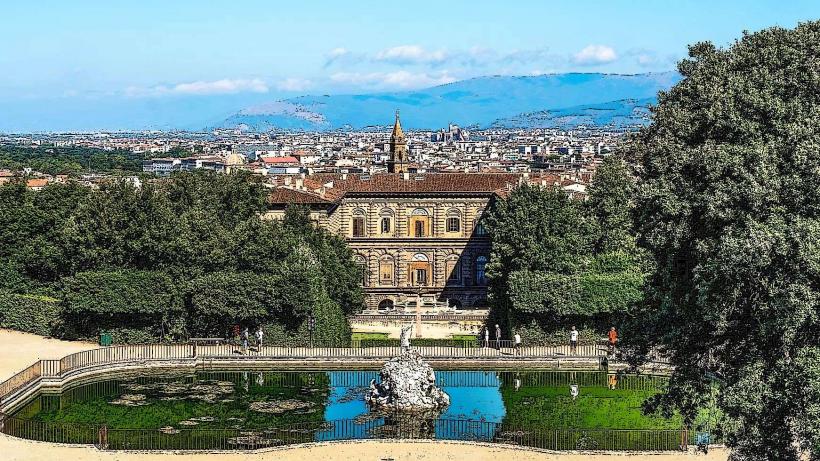
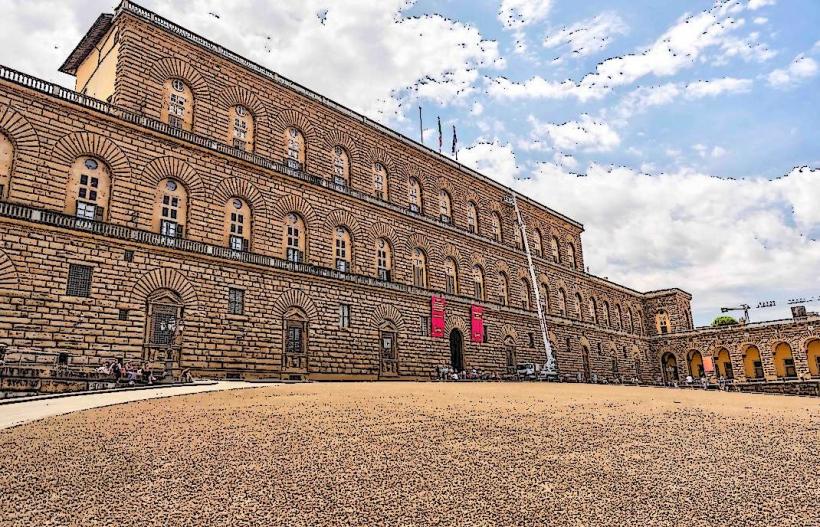
Palazzo Pitti & Boboli Gardens: The former seat of the Medici grand dukes.
Transportation Network
Public transit is managed by Autolinee Toscane (buses) and Gest (2 tram lines). Taxis are white; the primary apps are itTaxi and Free Now. Much of the historic center is a ZTL (Limited Traffic Zone), inaccessible to non-resident motorized vehicles. The Santa Maria Novella (SMN) station is the primary high-speed rail hub connecting to Rome (1.5h) and Milan (1h 40m).
Safety & "Red Zones"
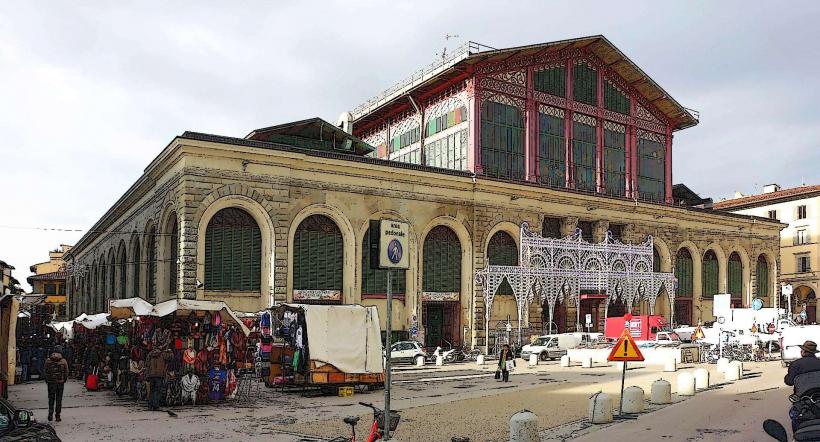
Florence is generally safe. Pickpocketing is highly concentrated around Santa Maria Novella Station, Ponte Vecchio, and the San Lorenzo Market. There are no significant violent "red zones," but caution is advised in the Parco delle Cascine after dark due to drug-related activity.
Digital & Financial Infrastructure
Average fixed broadband speed is 190 Mbps. 5G is universal via TIM, Vodafone, and WindTre. Card acceptance is standard, but a "cash-only" policy persists in some small traditional leather stalls. The currency is the Euro (€). ATMs (Bancomat) are abundant in the center.
Climate & Air Quality
The climate is Humid Subtropical. Summers are hot and humid (18°C to 33°C); winters are cool and damp (2°C to 11°C). Air quality can be poor in the summer due to the city’s location in a windless basin, which traps pollutants.
Culture & Social Norms
Language: Italian. The Florentine dialect is the basis for modern standard Italian.
Gastronomy: Signature dishes include Bistecca alla Fiorentina (T-bone steak) and Lampredotto (tripe sandwich).
Tipping: Not required; "Coperto" (cover charge) is usually applied to the bill.
Leather Trade: A major economic pillar; high-quality goods are centered around Santa Croce.
Accommodation Zones
Duomo / Signoria: Recommended for proximity to landmarks.
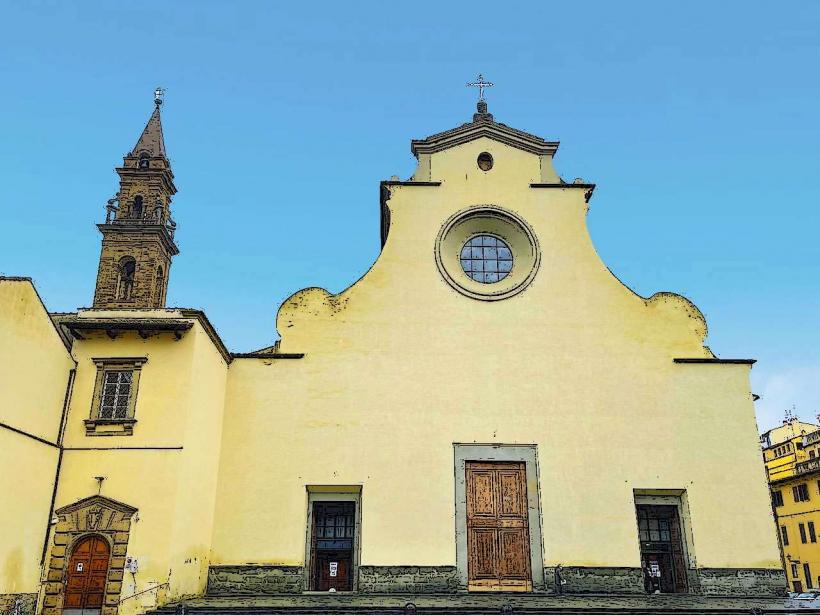
Oltrarno (Santo Spirito): Recommended for a local, bohemian atmosphere.
Piazza Libertà: Recommended for quieter, high-end residential stays.
Local Cost Index
1 Espresso (at the bar): €1.20–€1.50
1 Standard Lunch: €18.00–€25.00
1 Single Tram/Bus Ticket (90 min): €1.70
Nearby Day Trips
Siena (75 km): A medieval Gothic city famous for the Palio horse race.
Pisa (80 km): Known for the Leaning Tower and Cathedral Square.
Chianti Region: Famous for viticulture and rolling landscapes immediately south of the city.
Lucca (80 km): A city noted for its intact Renaissance-era city walls.
Facts & Legends
Legend says that the building of the Duomo's dome was so technically impossible that Brunelleschi refused to show his plans to the overseers, winning the contract only after challenging them to make an egg stand upright. A verified historical fact: Florence was the first city in Europe to pave its streets in 1339.