Information
Landmark: Museo Nazionale del BargelloCity: Florence
Country: Italy
Continent: Europe
Museo Nazionale del Bargello, Florence, Italy, Europe
The Museo Nazionale del Bargello is a prominent art museum housed in one of the oldest public buildings in Florence, situated on Via del Proconsolo. It serves as Italy’s primary national museum dedicated to sculpture and decorative arts, containing the world’s most significant collection of Renaissance statues.
Visual Characteristics
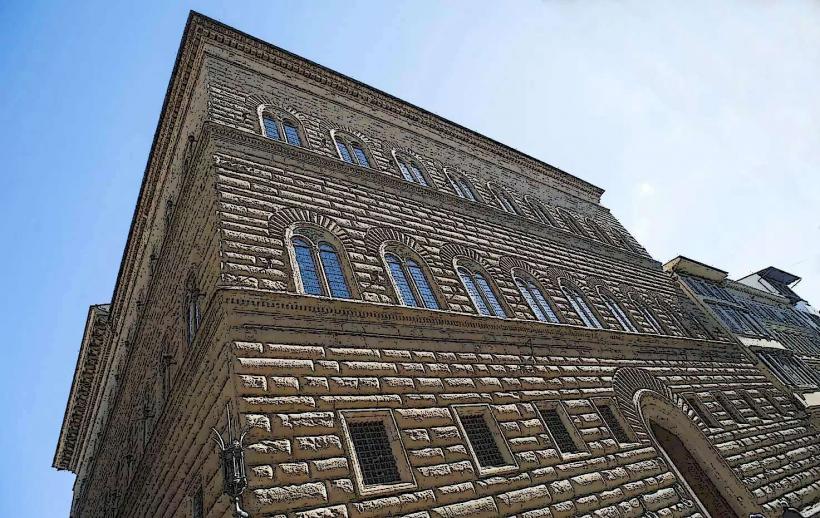
The building is a massive, fortified stone palace featuring a 54-meter-tall square tower (the Volognana) and a central crenelated courtyard. The exterior is composed of rusticated "pietra forte" sandstone with heavy iron-grated windows and Gothic bifurcated openings. The interior courtyard is defined by a wide portico with octagonal pillars and an external open-air staircase leading to a loggia adorned with 16th-century bronze animals.
Location & Access Logistics
The museum is located at Via del Proconsolo 4, approximately 0.3km east of Piazza della Signoria. It is within a pedestrian-only Zone of Limited Traffic (ZTL), accessible via a 15-minute walk from the Firenze Santa Maria Novella railway station. Public transit access is available via the C2 electric bus line, which stops at "Ghibellina - Bargello" directly adjacent to the entrance.
Historical & Ecological Origin
Construction began in 1255 to serve as the headquarters for the Capitano del Popolo and later the Podestà (the highest magistrate of Florence). From 1502 to 1859, it functioned as the city’s prison and the seat of the Bargello (police chief), where executions took place in the courtyard. The building was converted into a national museum in 1865, coinciding with the period when Florence was the capital of Italy.
Key Highlights & Activities
Visitors can examine Donatello’s bronze "David" and his marble "St. George" in the dedicated Donatello Hall. The ground floor houses Michelangelo’s "Bacchus" and "Pitti Tondo," along with works by Benvenuto Cellini and Giambologna. Additional collections include Islamic art, ivory carvings, medals, and a significant armory of historical weaponry.
Infrastructure & Amenities
The museum includes a ticket office, a small gift shop, and accessible restrooms on the ground floor. 4G/5G cellular signals are generally functional, though the thick medieval stone walls can cause significant interference in the lower galleries and the armory. There is no on-site cafeteria, but the surrounding San Firenze area is densely populated with cafes and restaurants.
Best Time to Visit
Optimal light for viewing the sculptures in the courtyard occurs between 10:00 and 12:00. The museum typically has lower tourist density compared to the Uffizi or Accademia, making it a viable alternative during peak afternoon hours (14:00–16:00). It is closed on the second and fourth Sundays and the first, third, and fifth Mondays of each month.
Facts & Legends
The museum courtyard was once a site of public executions; the last execution took place there in 1783 before the Grand Duchy of Tuscany became the first state in the world to abolish the death penalty. A historical oddity is the "Scarsella," a stone niche where the heads of executed criminals were once displayed as a deterrent.
Nearby Landmarks
Badia Fiorentina: 0.05km West (Directly opposite)
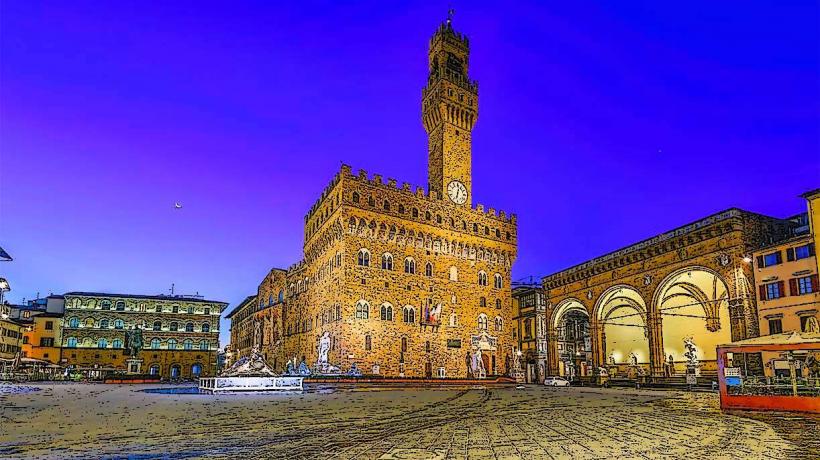
Palazzo Vecchio: 0.3km Southwest
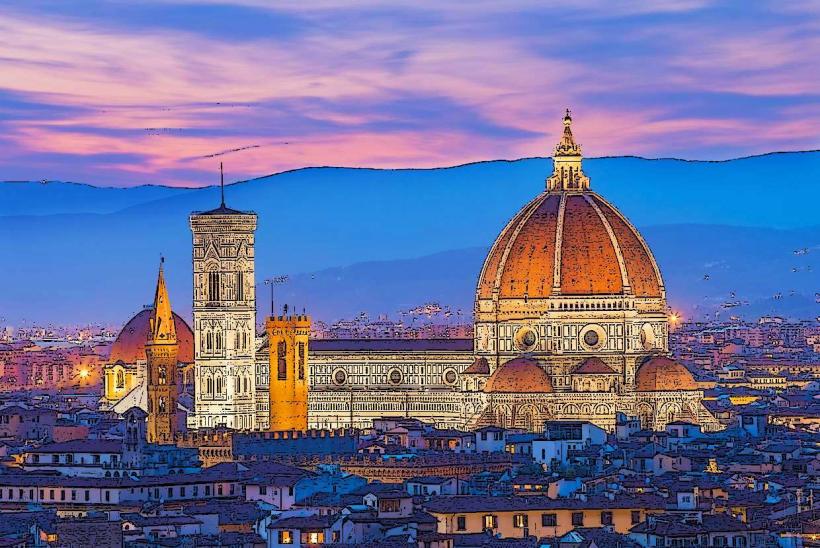
Florence Cathedral (Duomo): 0.4km North
Casa Buonarroti: 0.4km Southeast
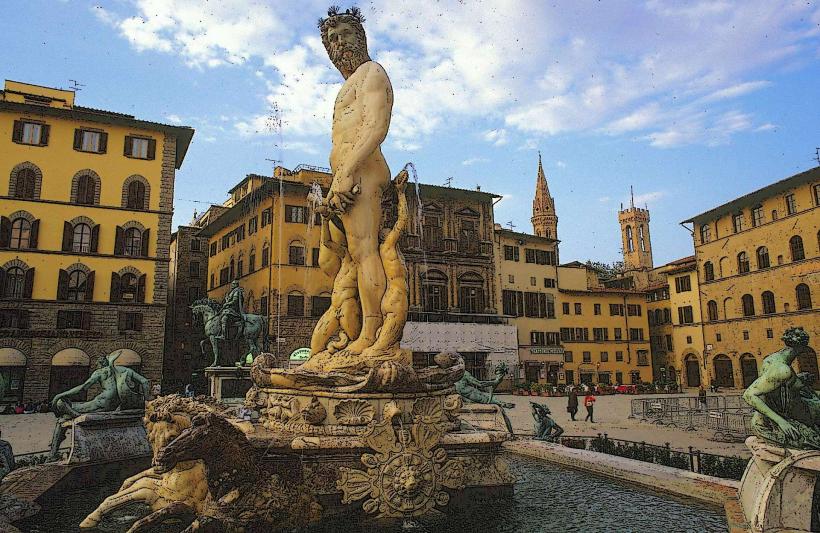
Piazza della Signoria: 0.3km Southwest