Information
Landmark: Museo GalileoCity: Florence
Country: Italy
Continent: Europe
Museo Galileo, Florence, Italy, Europe
Museo Galileo is a museum dedicated to the history of science, located in the Palazzo Castellani on the banks of the Arno River, adjacent to the Uffizi Gallery. It houses one of the world’s most significant collections of scientific instruments.
Visual Characteristics
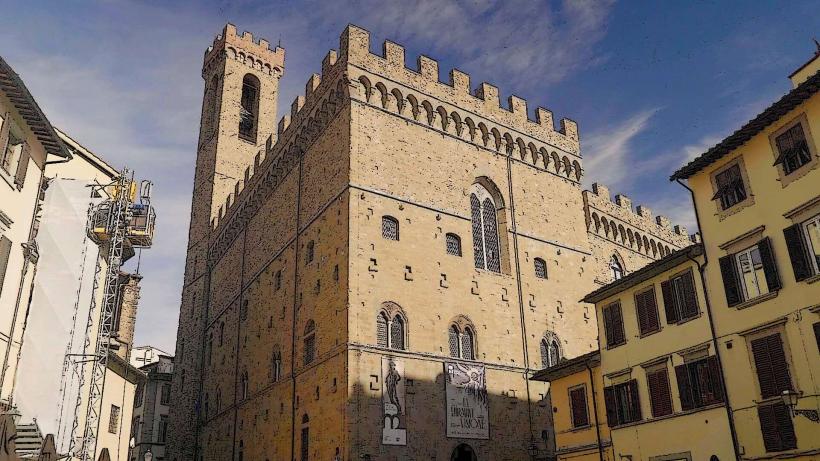
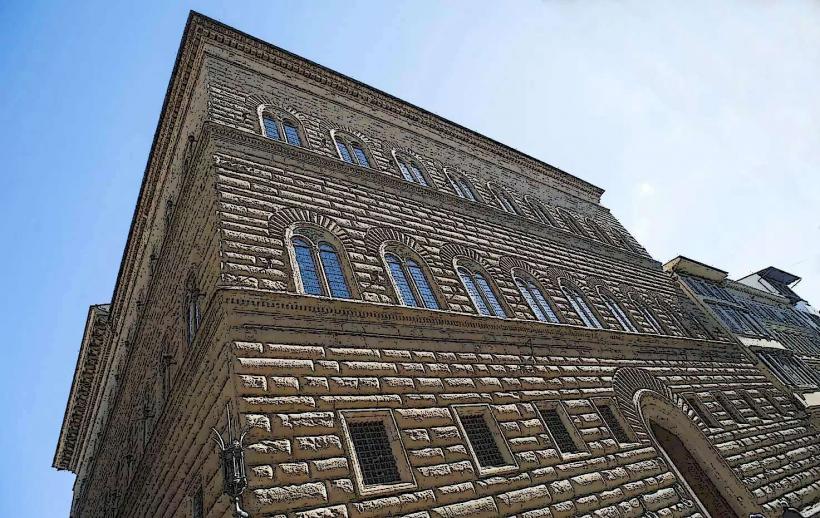
The museum is housed in an 11th-century stone palace with a medieval facade featuring arched windows. The interior is divided into two main sections: the Medici Collection and the Lorraine Collection. Exhibits are displayed in modern, climate-controlled glass cases within rooms characterized by high ceilings and historical masonry. A prominent feature at the entrance is a large monumental sundial in the Piazza dei Giudici.
Location & Access Logistics
The museum is located at Piazza dei Giudici 1. It is situated in the pedestrianized historical center, a 15-minute walk (1.2km) from the Firenze Santa Maria Novella railway station. Public transit access is provided by electric bus lines C1 and C3 (stop: "Galleria degli Uffizi"). The building is fully accessible with elevators connecting all floors.
Historical & Ecological Origin
The museum was established in 1927 by the University of Florence, though its core collections date back to the Medici family’s 16th-century interest in science. It was previously known as the Institute and Museum of the History of Science until a major renovation and reopening in 2010 as Museo Galileo. The palace itself, Palazzo Castellani, served as a civil courthouse and a historical library before becoming a museum.
Key Highlights & Activities
Primary exhibits include the original telescopes, lenses, and objective glasses used by Galileo Galilei to discover the moons of Jupiter. The Medici collection features the massive armillary sphere by Antonio Santucci. A unique anatomical and chemical section from the Lorraine period is also present. Visitors can interact with digital displays that simulate the functions of historical instruments.
Infrastructure & Amenities
The facility includes a specialized library, a bookshop focusing on scientific literature, and accessible restrooms. 4G/5G cellular signals are generally functional, although the thick medieval walls can cause interference in some internal galleries. There is no on-site cafeteria, but numerous dining options are available in the surrounding Uffizi and Piazza della Signoria areas.
Best Time to Visit
The museum is typically less crowded than the neighboring Uffizi. Optimal visiting hours are between 14:00 and 16:00. Note that the museum has reduced hours on Tuesdays, closing at 13:00. Guided tours for groups are available by reservation.
Facts & Legends
A verified historical oddity is the display of three of Galileo’s fingers and a tooth, which were removed from his body during the transfer to his tomb in the Basilica of Santa Croce in 1737. These were considered "secular relics" of the scientist. Another highlight is the original lens used by Galileo to observe the surface of the Moon, which was accidentally broken and later mounted in a gold frame.
Nearby Landmarks
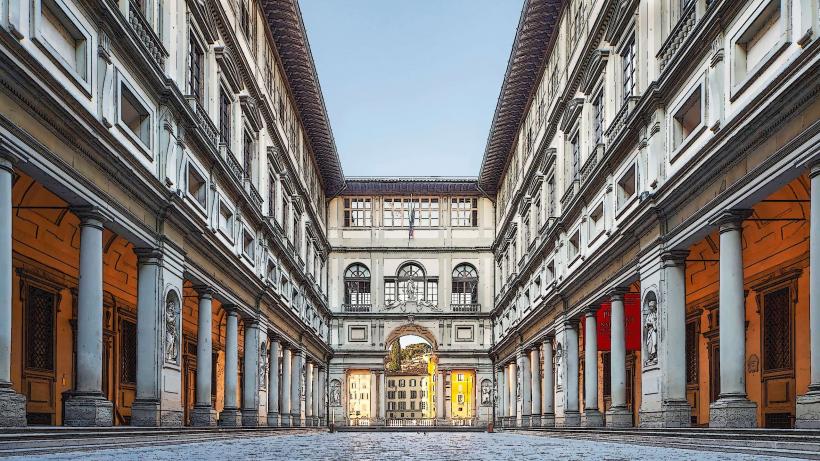
Uffizi Gallery: 0.1km West
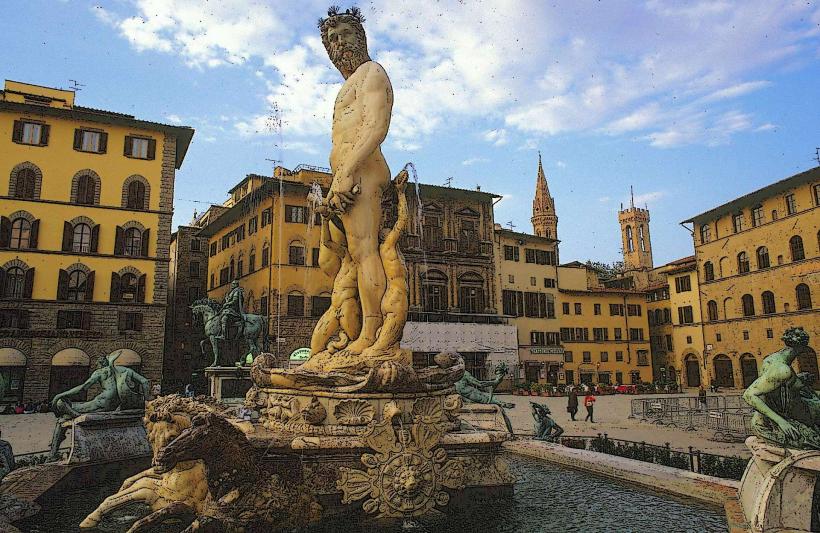
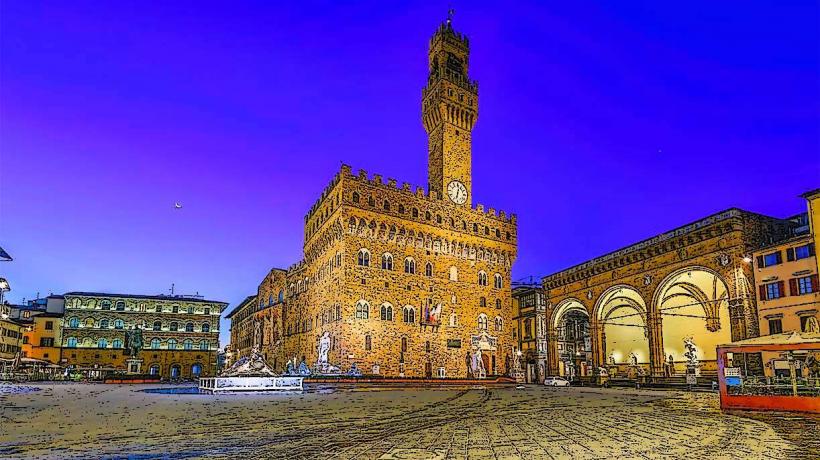
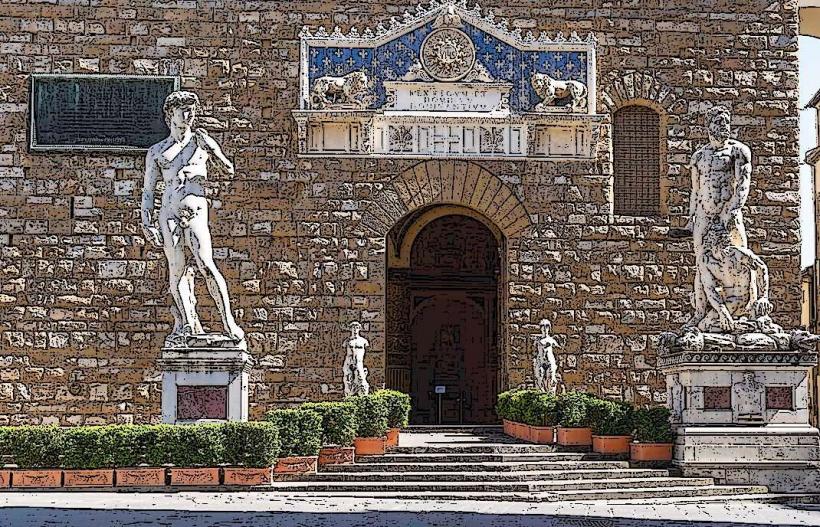
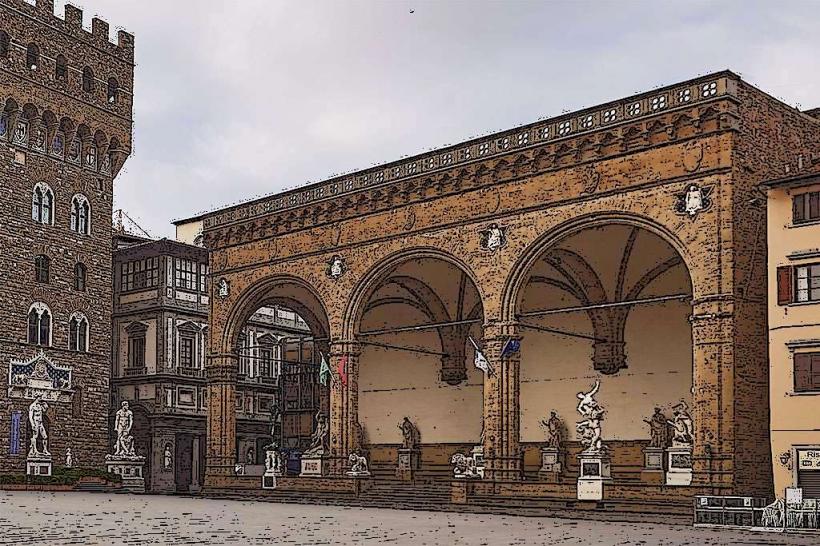
Palazzo Vecchio: 0.2km North
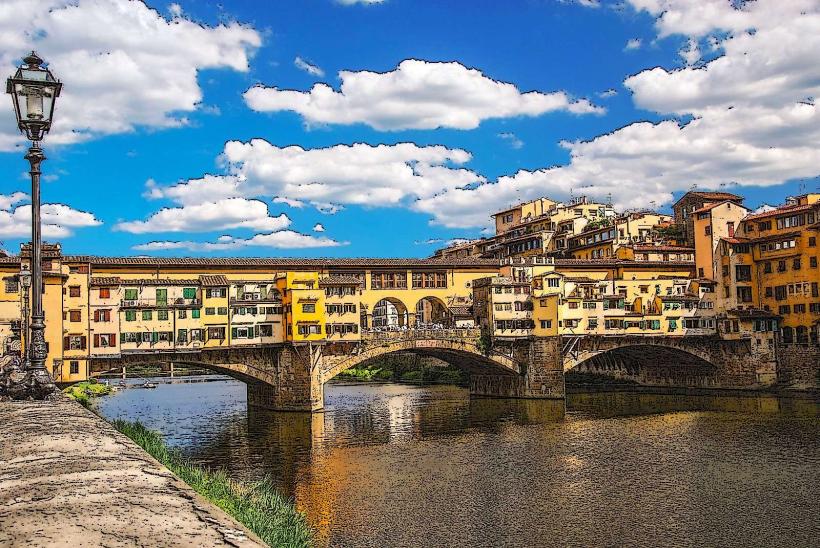
Ponte Vecchio: 0.3km West
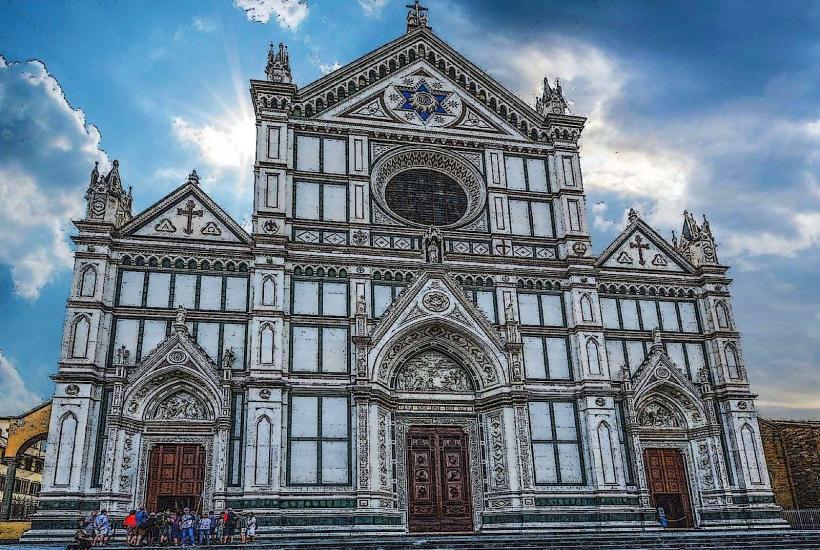
Basilica di Santa Croce: 0.5km East
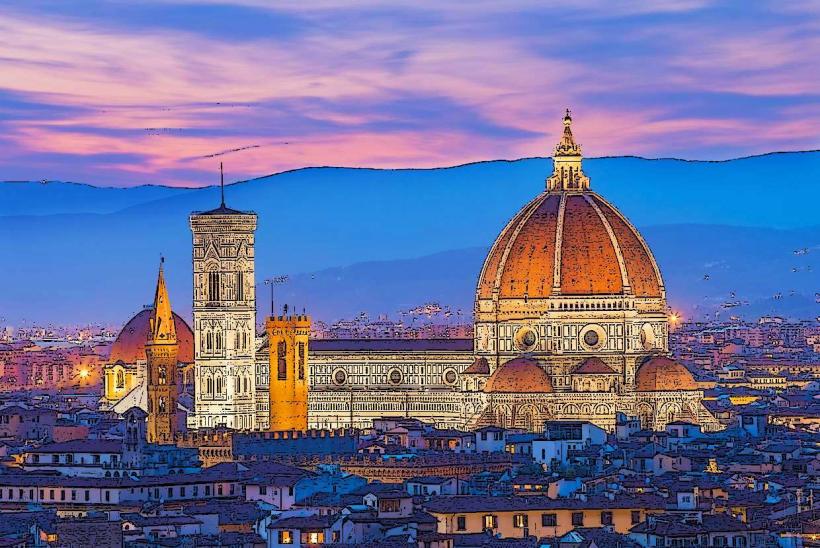
Florence Cathedral (Duomo): 0.7km North