Information
City: Grand ExumaCountry: Bahamas
Continent: North America
Grand Exuma, Bahamas, North America
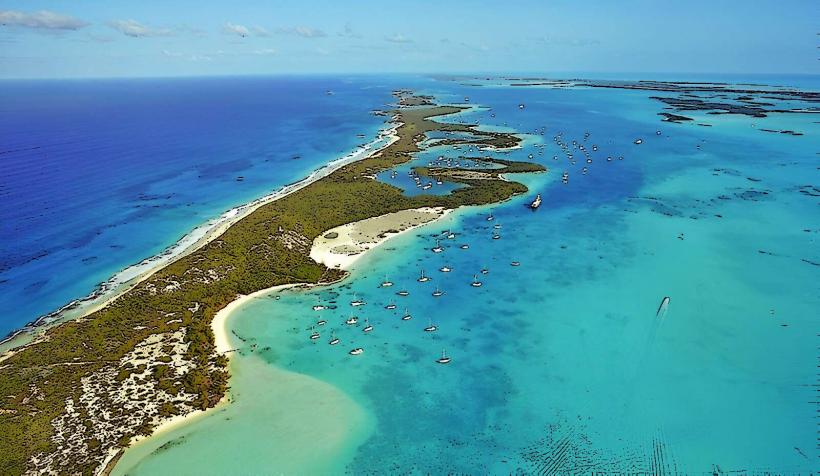
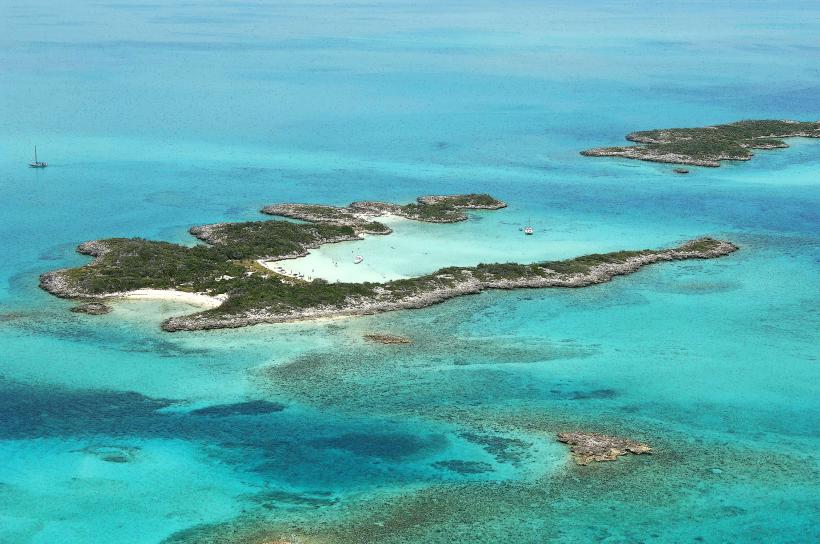
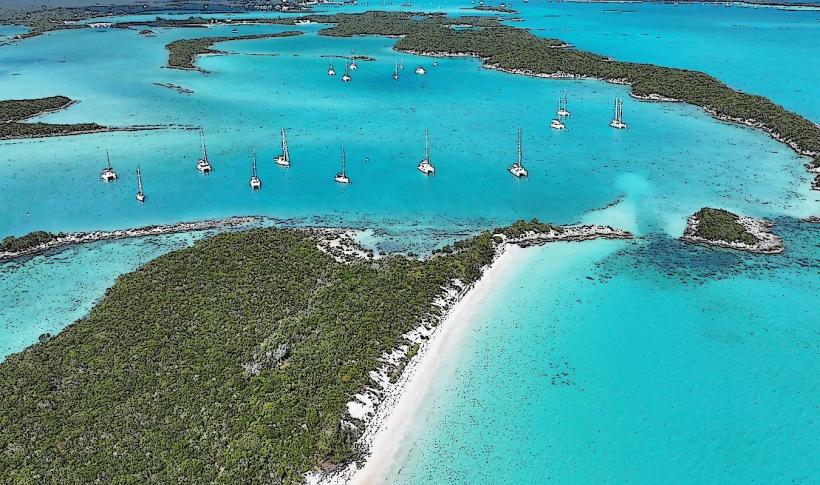
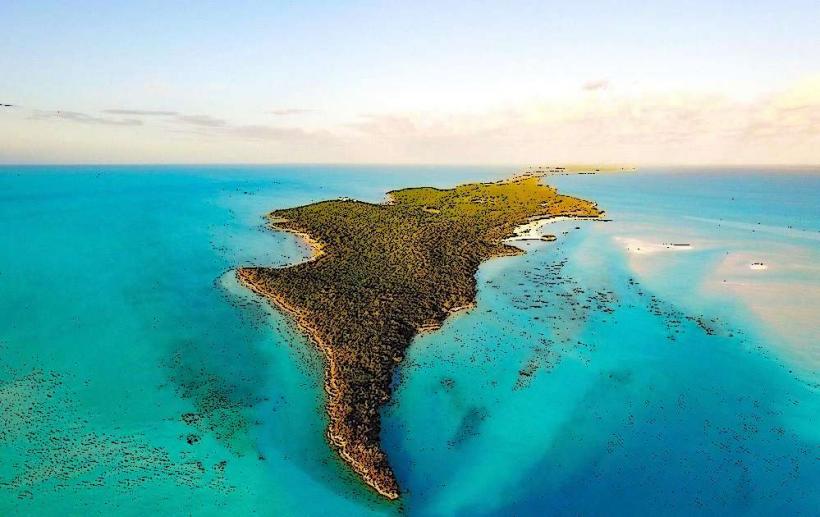
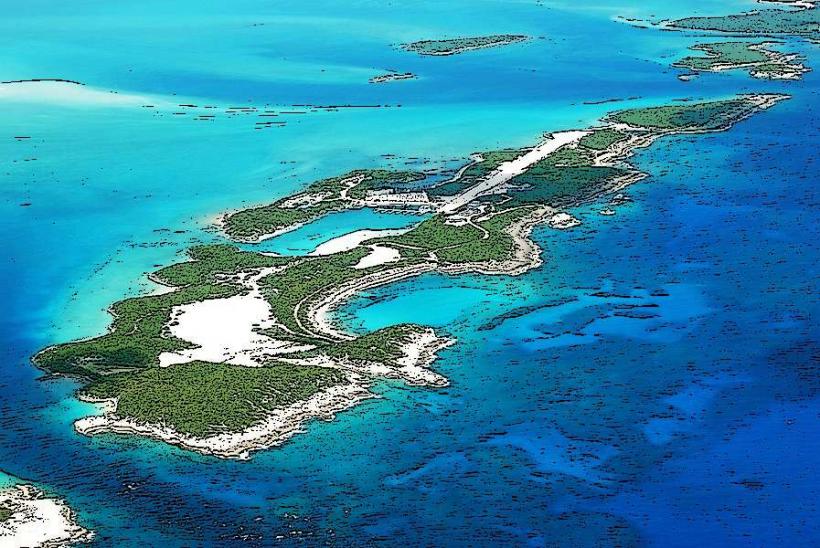
Great Exuma is the administrative and commercial heart of the Exuma archipelago, serving as the largest island in the chain. It is located approximately 200 kilometers southeast of Nassau and is connected to Little Exuma by a small bridge, collectively forming the "mainland" of the district.
Historical Timeline
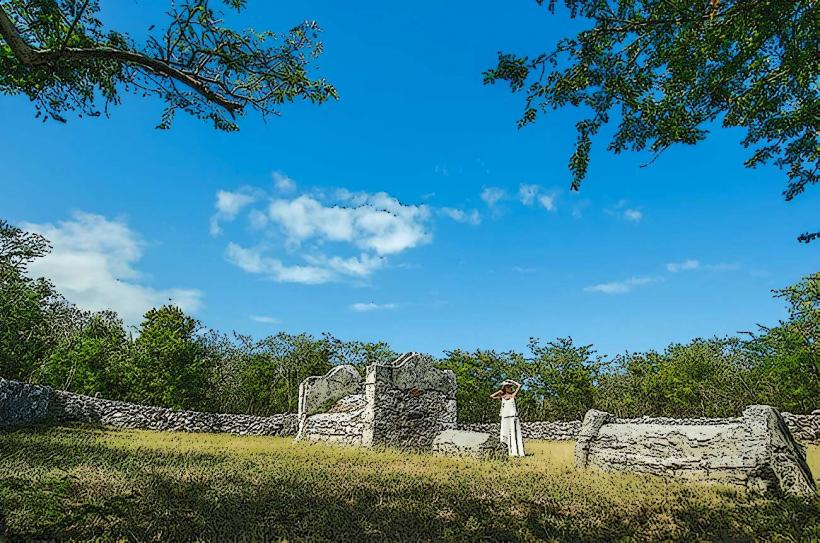
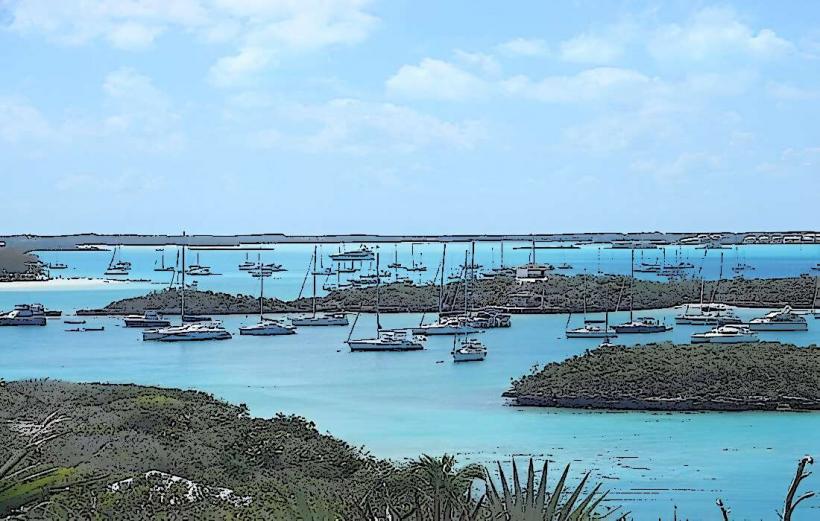
Great Exuma was settled in 1783 by American Loyalists fleeing the Revolutionary War, who established a cotton plantation economy. Governance transitioned from British colonial administration to Bahamian independence in 1973. Significant architectural reconstruction occurred after the hurricanes of 1866 and 1929, though many stone ruins from the plantation era remain. The primary event shaping the current urban form was the 1950s development of Elizabeth Harbour as a yachting destination and the establishment of George Town as a key logistics hub for the Family Island Regatta.
Demographics & Population
The total population of Great Exuma is approximately 7,500 residents. The primary ethnic demographic is Afro-Bahamian, with many residents carrying the surname "Rolle" due to the legacy of Lord John Rolle, who deeded his lands to his former slaves. There is a significant seasonal population of North American and European homeowners and yachting professionals. The median age is approximately 35.3 years.
Urban Layout & Key Districts
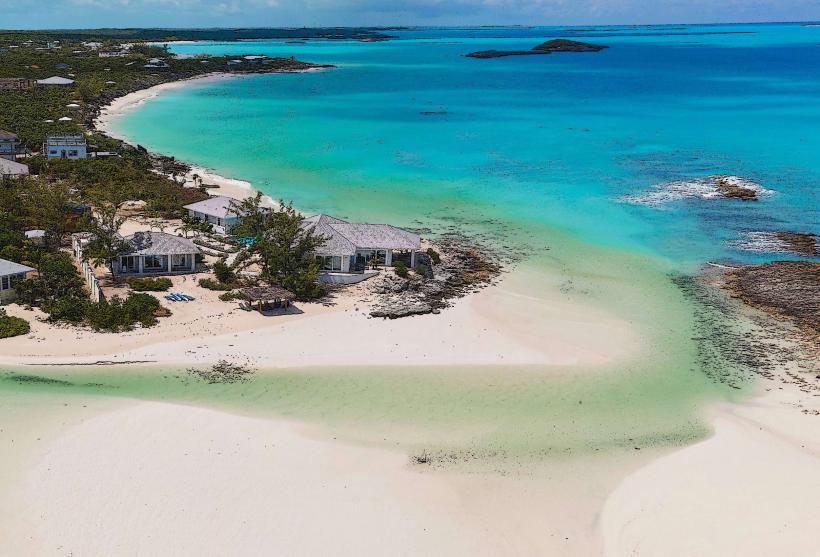
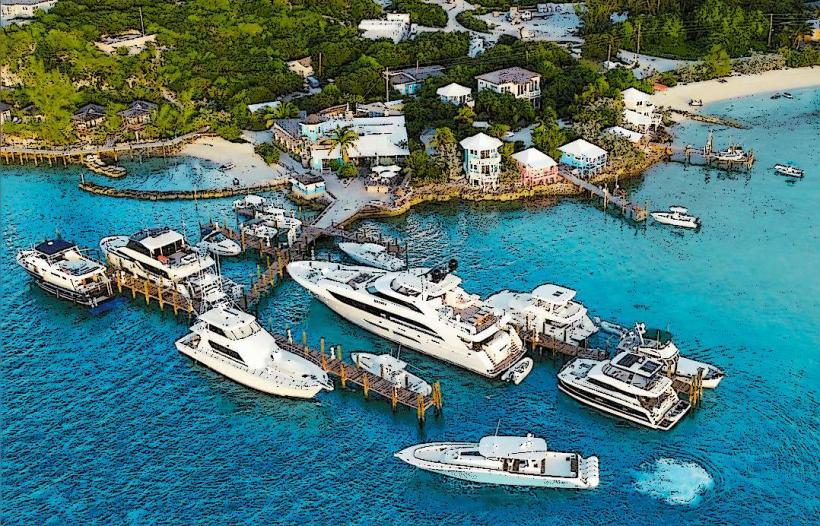
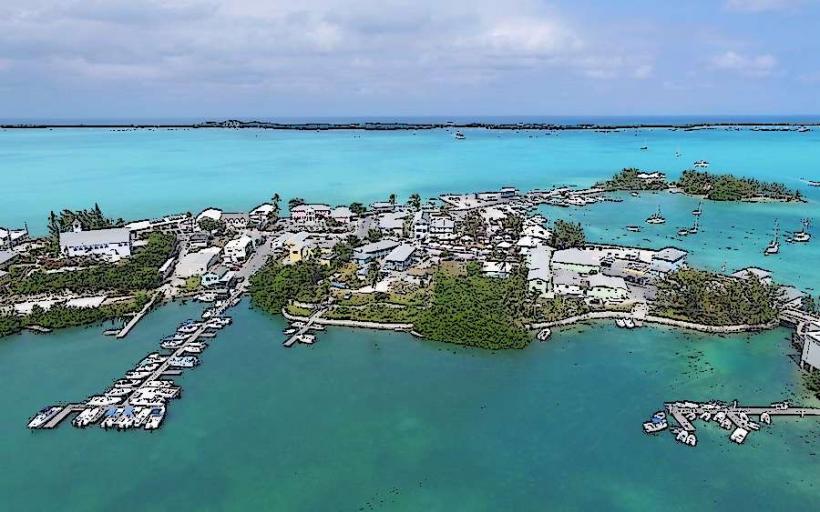
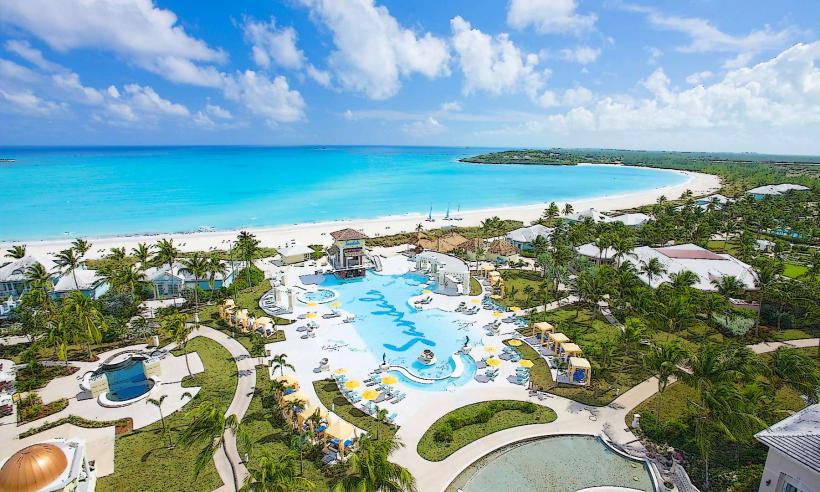
The island is organized along a single main artery, the Queen’s Highway, which runs the length of the island. The most important districts are George Town (the capital and central hub, located on Elizabeth Harbour), Emerald Bay (the luxury resort and marina district, located North), and Rolleville (a historic settlement and transport point, located Northwest).
Top City Landmarks
St. Andrew’s Anglican Church (George Town)
Stocking Island (accessible by water taxi)
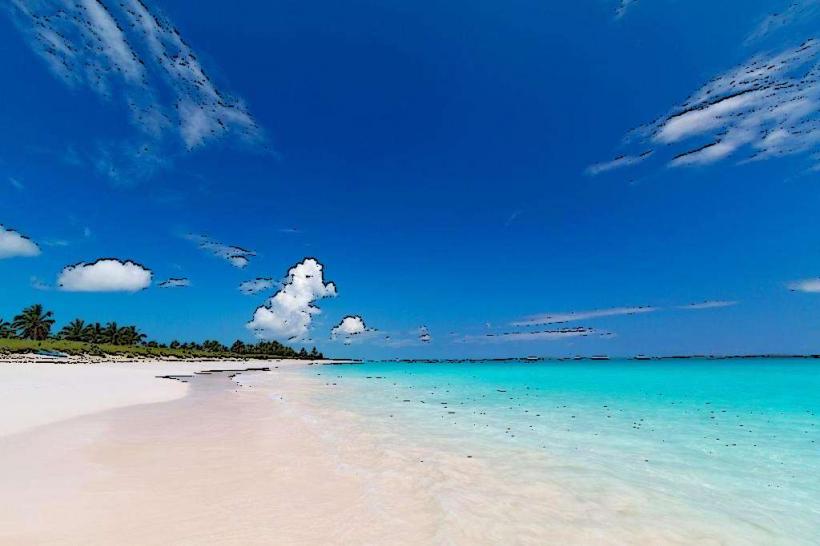
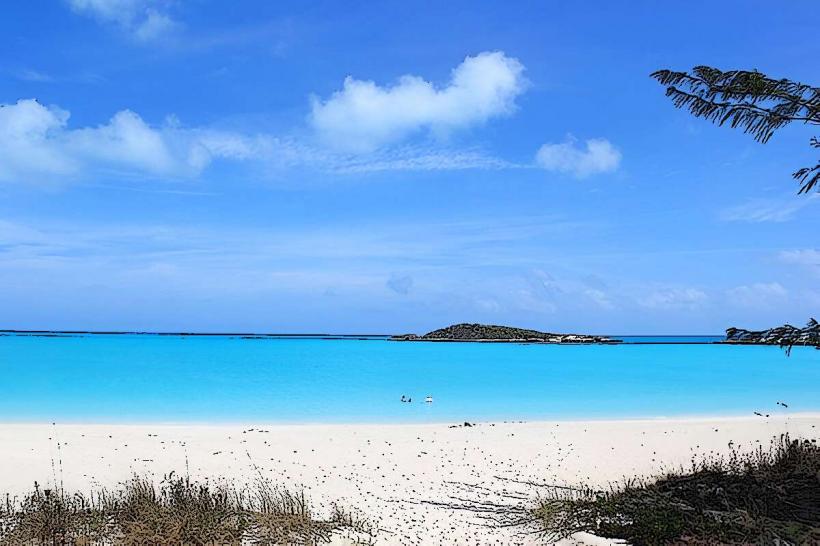
Tropic of Cancer Beach (Little Exuma)
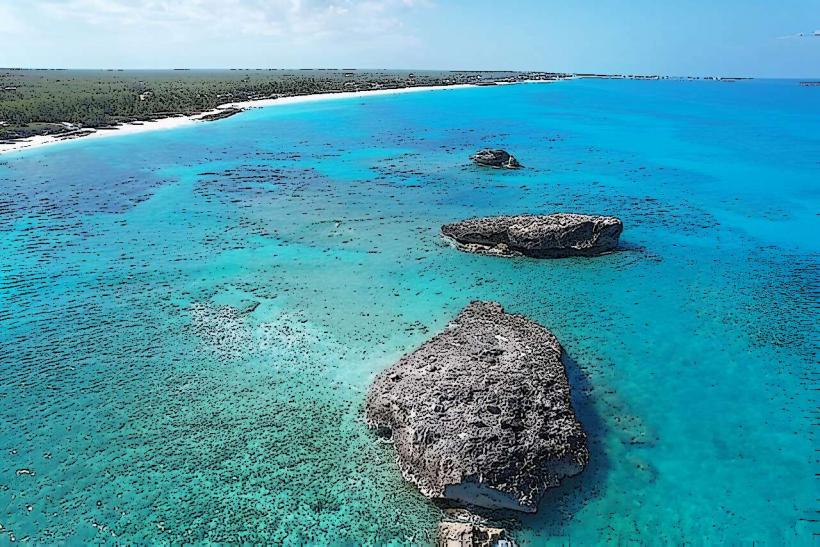
Three Sisters Rocks
Pompey Memorial (Steventon)
Transportation Network
Movement within the island is almost entirely dependent on private vehicles or rental cars. There is no metro, tram, or formal public bus system. Small "jitney" vans operate informally between settlements but lack a fixed schedule. Ride-sharing apps do not operate; transport relies on official taxis with yellow "TN" license plates, which are concentrated at the Exuma International Airport (GGT) and George Town. Traffic density is low, though the Queen’s Highway is narrow and lacks streetlights in rural sections.
Safety & "Red Zones"
The general safety level is very high. There are no designated "red zones" or dangerous neighborhoods. Risks are primarily limited to petty theft from unlocked rental cars at remote beaches. Common scams are rare, but visitors should confirm taxi fares in advance as meters are not standard. Exercise caution when swimming in high-current areas like the "Cut" between cays.
Digital & Financial Infrastructure
Internet speeds average 20–50 Mbps, with fiber-optic networks available in George Town and major resorts. Main mobile carriers are Aliv and BTC. Card acceptance is high in George Town, Emerald Bay, and major hotels, but cash (BSD or USD) is required for local boat taxis, straw markets, and small roadside eateries. The primary ATMs are located at the RBC Royal Bank and Scotiabank in George Town.
Climate & Air Quality
Temperatures range from 21°C to 27°C in winter and 26°C to 32°C in summer. Air quality is exceptionally high due to the lack of industry and constant trade winds. The primary weather risk is the Atlantic hurricane season (June–November), and the island is prone to "king tides" that can occasionally overtop low-lying sections of the Queen’s Highway.
Culture & Social Norms
Tipping is standard at 15% and is often automatically included in restaurant bills. Social greetings are mandatory; a "Good morning" or "Good afternoon" is expected before any business is conducted. Dress codes are casual but modest; swimwear is strictly prohibited in George Town shops and government buildings. Public drinking is legal but public intoxication is socially discouraged.
Accommodation Zones
George Town: Stay here for logistical convenience, proximity to grocery stores, and easy access to Stocking Island ferries.
Emerald Bay: Stay here for high-end resort amenities, golf, and a secluded marina environment.
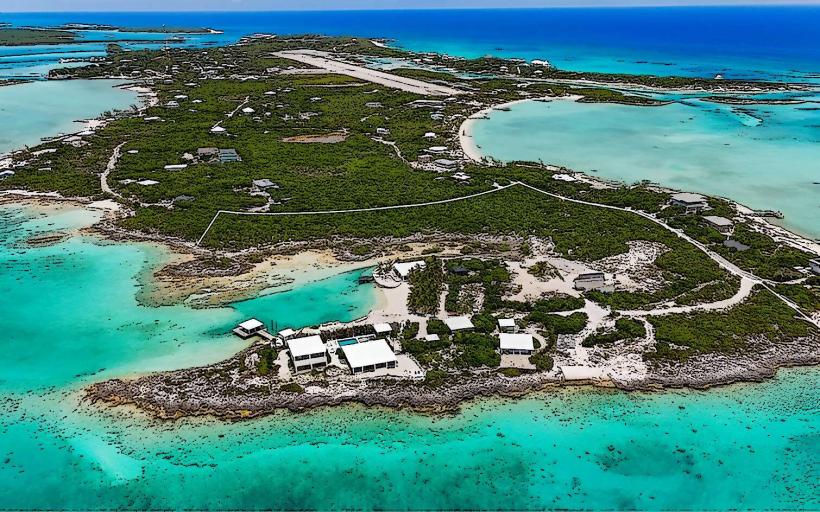
Little Exuma: Stay here for ultimate seclusion and proximity to the island's best quiet beaches.
Local Cost Index
1 Espresso: 6.00 BSD ($6.00 USD)
1 Standard Lunch: 30.00 BSD ($30.00 USD)
1 Water Taxi (Round trip): 15.00 BSD ($15.00 USD)
Nearby Day Trips
Stocking Island: 1.5 km (10-minute water taxi)
Chat 'N' Chill: Located on Stocking Island (Sunday Pig Roast)
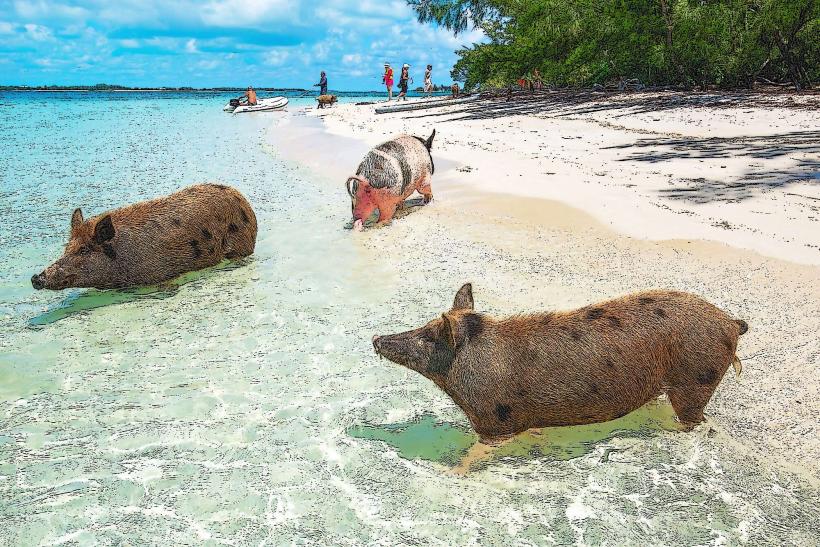
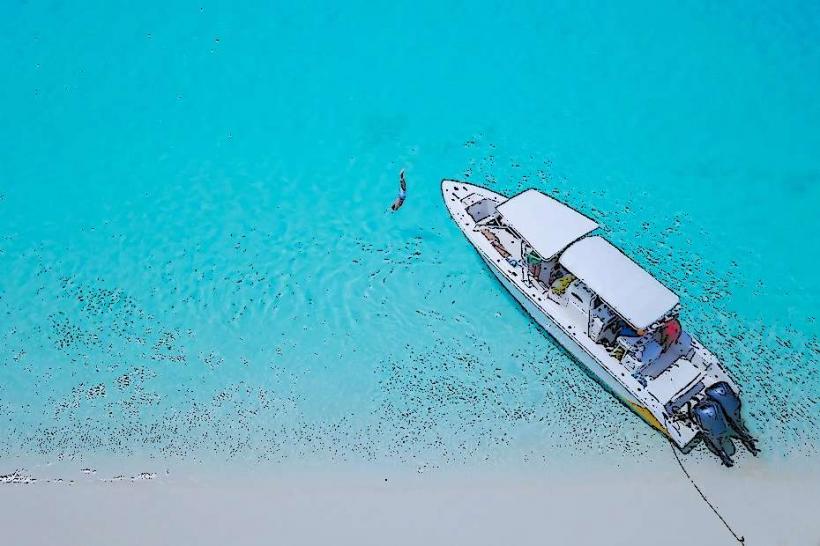
Pig Beach (Big Major Cay): 130 km (2-hour powerboat trip)
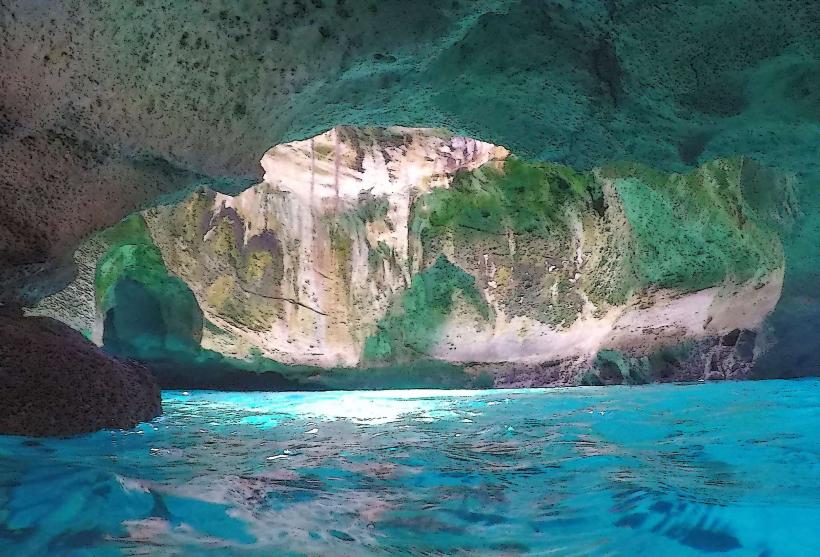
Thunderball Grotto: 125 km (2-hour powerboat trip)
Facts & Legends
The most prominent legend is that of the "Three Sisters Rocks," three identical formations said to have emerged where three sisters drowned while chasing the ship of an English captain they had all fallen in love with. A verified historical oddity is that George Town was once considered as a potential capital for the entire Bahamas because of the exceptional depth and protection of Elizabeth Harbour. Additionally, the "Swimming Pigs" of the nearby Exuma Cays are not native but were reportedly left by sailors or escaped from local farms in the 1990s.