Information
City: Great FallsCountry: USA Montana
Continent: North America
Great Falls, USA Montana, North America
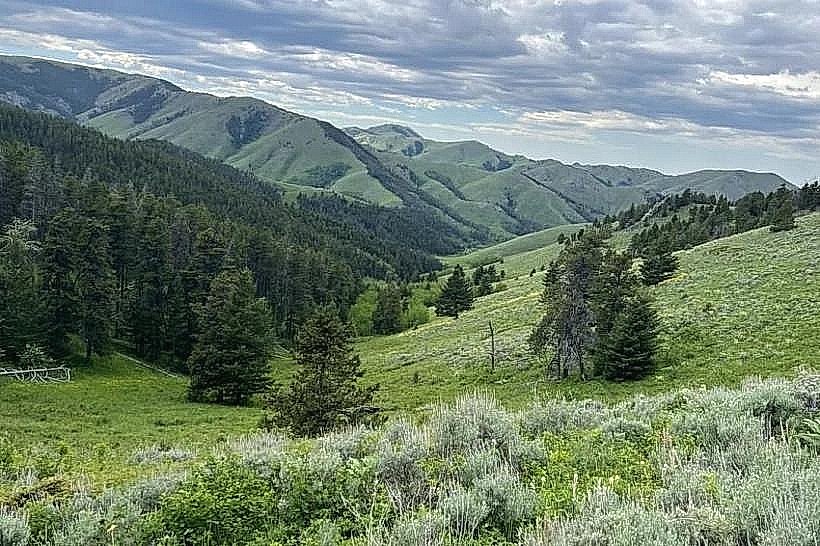
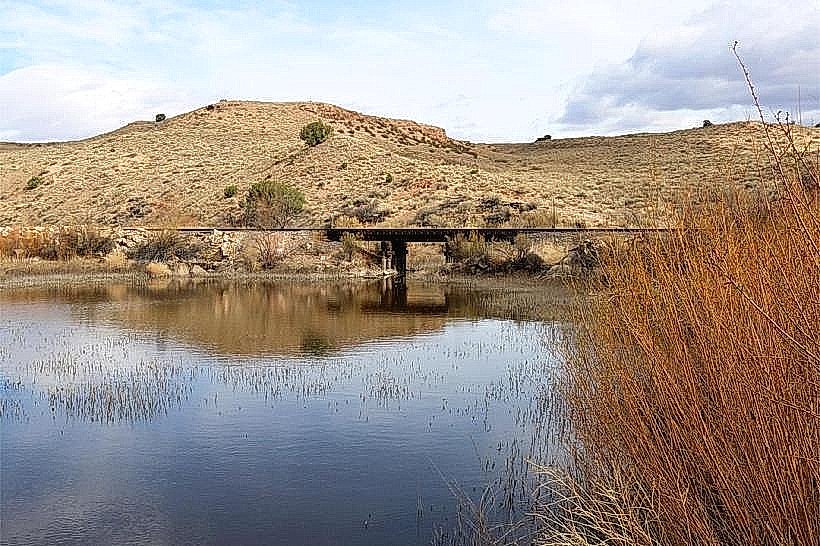
Great Falls serves as the primary medical, retail, and financial hub for North-Central Montana and is the home of Malmstrom Air Force Base, a major U.S. strategic defense installation. It is located in Cascade County on the upper Missouri River, positioned between the Rocky Mountain Front and the high plains of the Missouri Plateau.
Historical Timeline
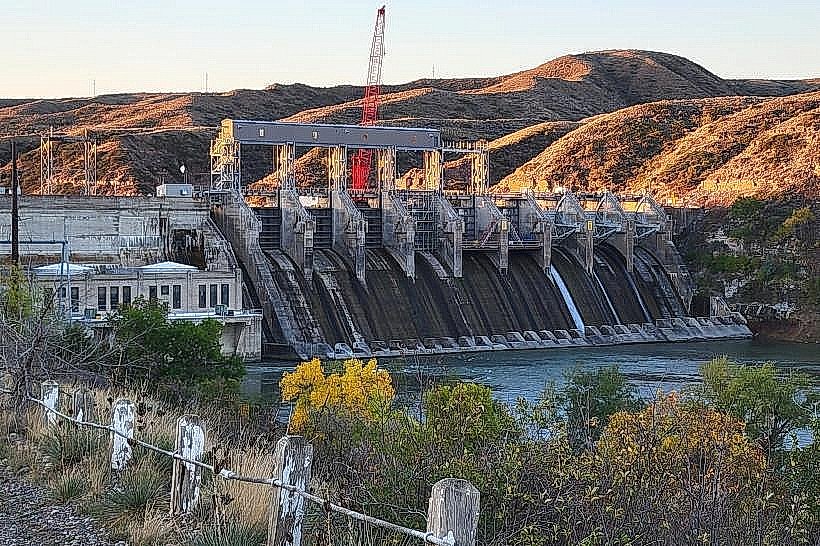
Great Falls was founded in 1884 by Paris Gibson and railroad magnate James J. Hill. The city underwent primary growth eras during the late 19th-century hydroelectric boom and the post-WWII expansion of Malmstrom Air Force Base. The most significant political and physical reconstruction occurred following the decline of the copper smelting industry in 1980, which forced an urban pivot toward service and medical sectors. The construction of five hydroelectric dams along the Missouri River cataracts is the primary event that defined its "Electric City" urban form.
Demographics & Population
The city-limit population is approximately 60,400, while the metropolitan area total reaches 84,400. The demographic composition is 84.8% White, 7.3% multiracial, and 4.1% Native American. The median age of the population is 39.3 years.
Urban Layout & Key Districts
The city is organized on a precise grid system divided by the Missouri River and Central Avenue. The most critical districts are the Central Business Historic District (Downtown), located at the city’s geographic center, and the Medical/Professional District to the East. Malmstrom Air Force Base forms a distinct enclosed sector to the Southeast.
Top City Landmarks
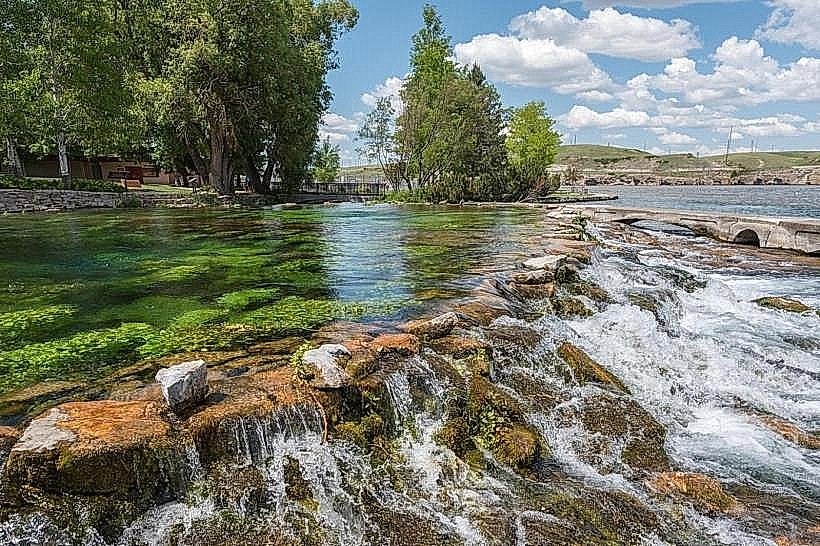
Giant Springs State Park (One of the world's largest freshwater springs)
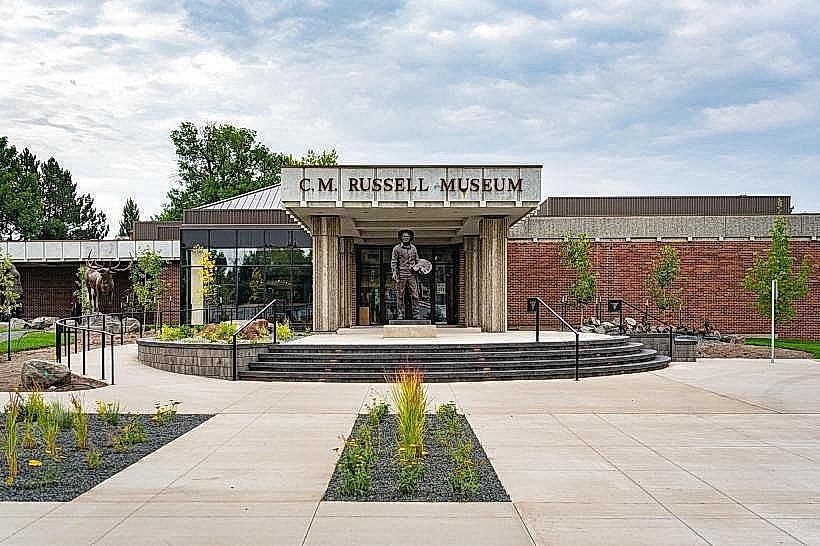
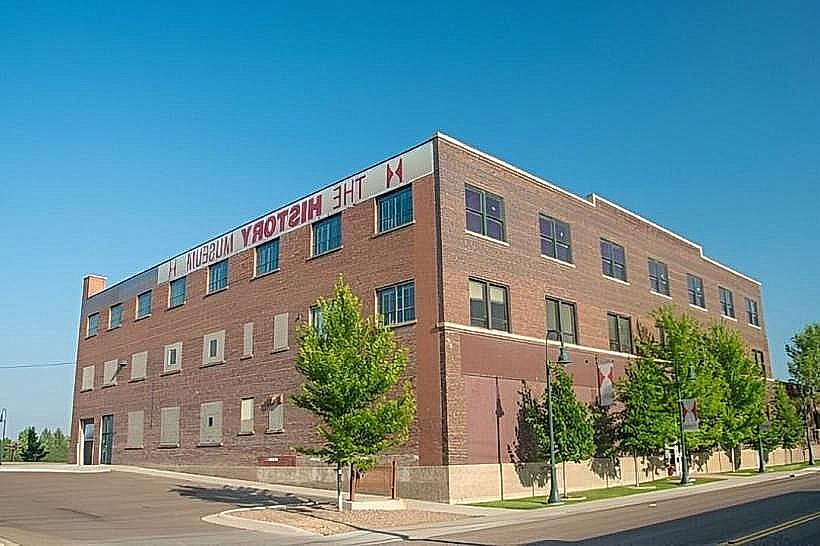
C.M. Russell Museum (Preserving the studio of the Western artist)
Lewis and Clark National Historic Trail Interpretive Center
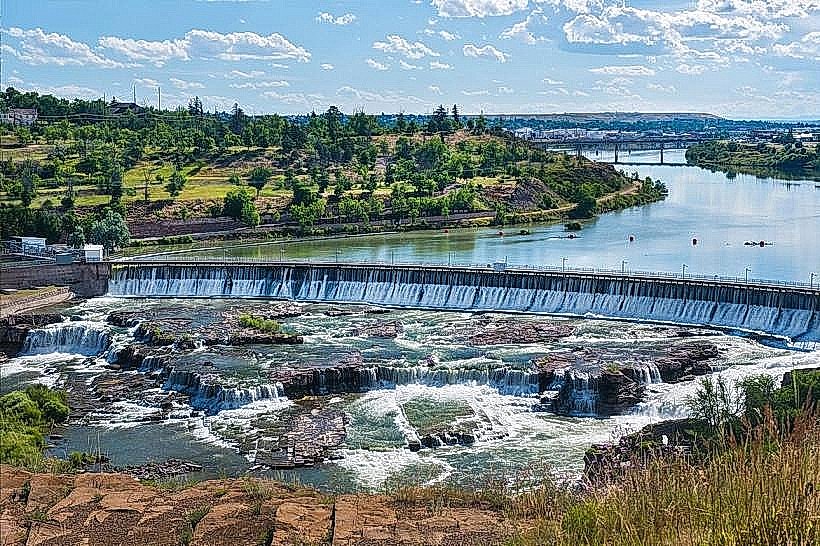
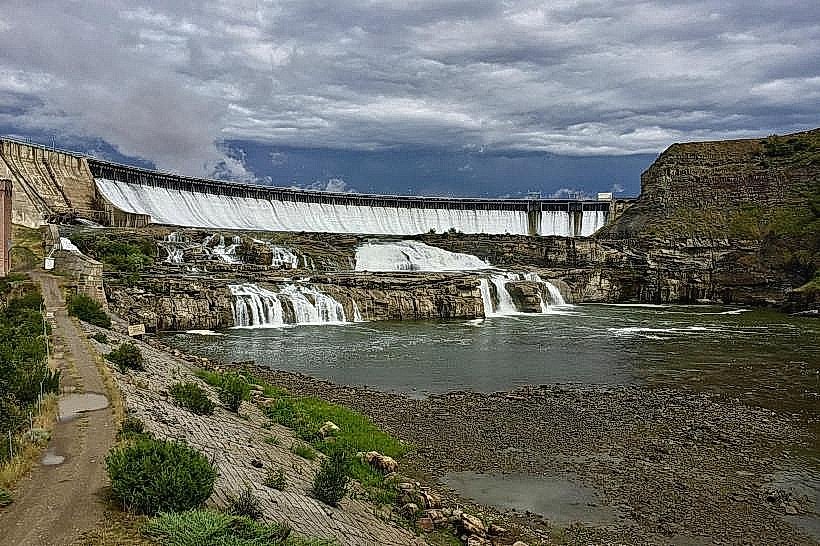
Ryan Dam (Site of the "Great Falls" of the Missouri)
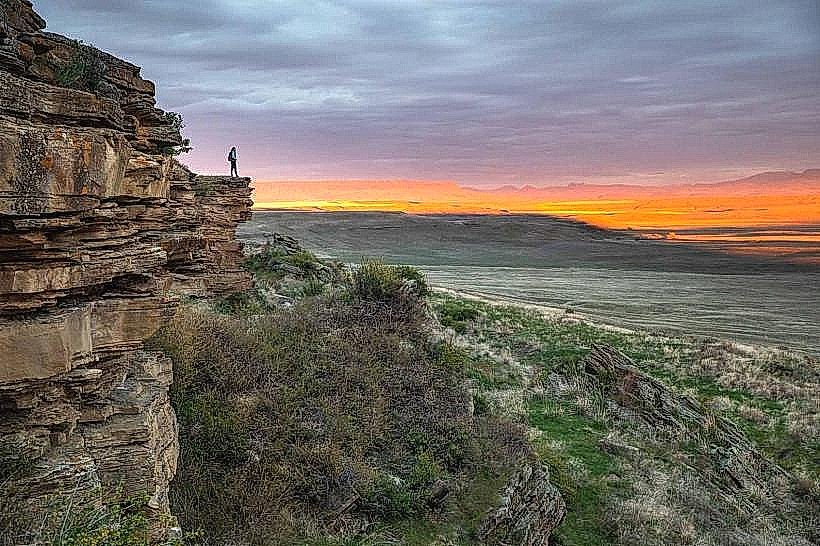
First Peoples Buffalo Jump State Park
Transportation Network
Intra-city transit is provided by the Great Falls Transit District (GFTD), which operates fixed bus routes on a hub-and-spoke system radiating from the Downtown Transfer Center. Reliability is moderate with hourly frequencies on most lines. Uber and Lyft are the primary ride-sharing apps. Taxis are operated by private companies like Black & White Cab. Traffic density is low, with congestion limited to the 10th Avenue South commercial corridor during peak hours.
Safety & "Red Zones"
Great Falls is generally safe, though property crime rates are higher than the national average. The DDACTS zone (Data-Driven Approach to Crime and Traffic Safety), bounded by Park Drive to 15th Street and 6th Avenue North to 6th Avenue South, experiences the highest density of criminal activity. Common scams include "work-from-home" or utility payment frauds targeting the elderly.
Digital & Financial Infrastructure
Average internet speeds range from 100 Mbps to 1 Gbps, with fiber expansion providing up to 5-8 Gbps in select areas. Main mobile carriers are Verizon, AT&T, and T-Mobile. Card acceptance is high across all retail and dining establishments. ATMs are ubiquitous, particularly within the 7-Eleven and Town Pump convenience store networks.
Climate & Air Quality
Temperatures range from $-10^\circ\text{C}$ to $3^\circ\text{C}$ in winter and $13^\circ\text{C}$ to $30^\circ\text{C}$ in summer. Air quality is typically high, though smoke from regional wildfires frequently causes hazardous conditions in August. The city is prone to "Chinook" winds, which can cause temperature shifts of over $20^\circ\text{C}$ within hours.
Culture & Social Norms
Tipping follows the U.S. standard of 15-20% for service. Greetings are informal and typically involve a handshake. Dress code is "mountain casual," even in professional settings. Smoking is prohibited in all indoor public spaces and within 20 feet of entrances. Alcohol consumption is restricted to licensed premises and private property.
Accommodation Zones
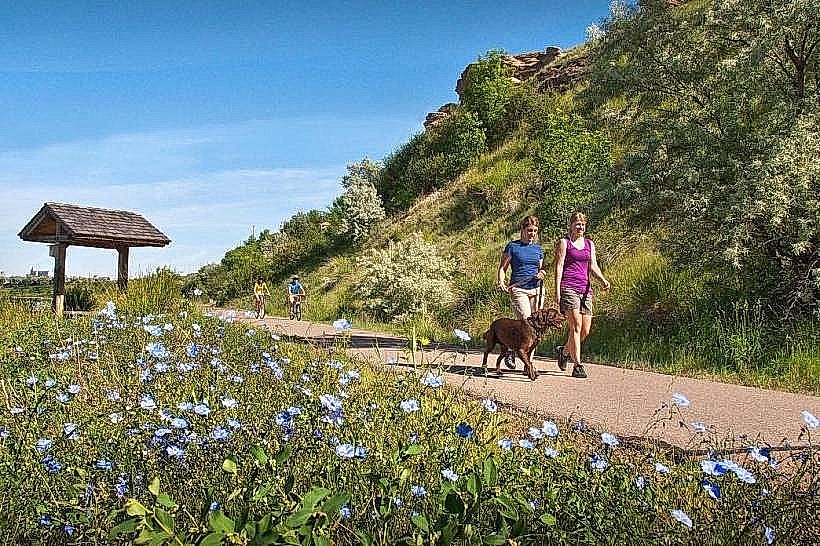
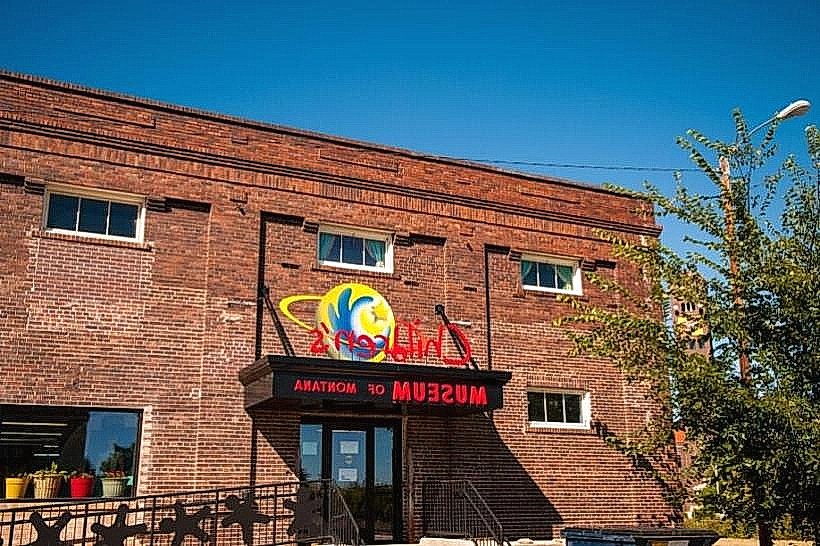
Downtown/Central: Stay here for walking access to the River’s Edge Trail, museums, and local breweries.
10th Avenue South: Stay here for logistical proximity to the airport and major retail chains.
Local Cost Index
1 Espresso: $4.50 (¥675)
1 Standard Lunch: $15.00 (¥2,250)
1 Bus Ticket: $1.00 (¥150)
Nearby Day Trips
Fort Benton: Historic Missouri River trading post (65 km)
Sluice Boxes State Park: Limestone canyon hiking (50 km)
Holter Lake: Boating and "Gates of the Mountains" (85 km)
Showdown Montana: Skiing and winter sports (105 km)
Facts & Legends
Great Falls is home to the Roe River, which held the Guinness World Record for the world's shortest river at only 61 meters (201 feet) long. Locally, the "Curse of the Falls" is a common historical reference to the Lewis and Clark expedition's month-long struggle to portage their equipment around the five waterfalls, an ordeal that nearly broke the mission and delayed their progress to the Pacific.