Information
Landmark: C.M. Russell MuseumCity: Great Falls
Country: USA Montana
Continent: North America
C.M. Russell Museum, Great Falls, USA Montana, North America
The C.M. Russell Museum is an art museum located in Great Falls, Montana, dedicated to the life and work of Charles Marion Russell.
Visual Characteristics
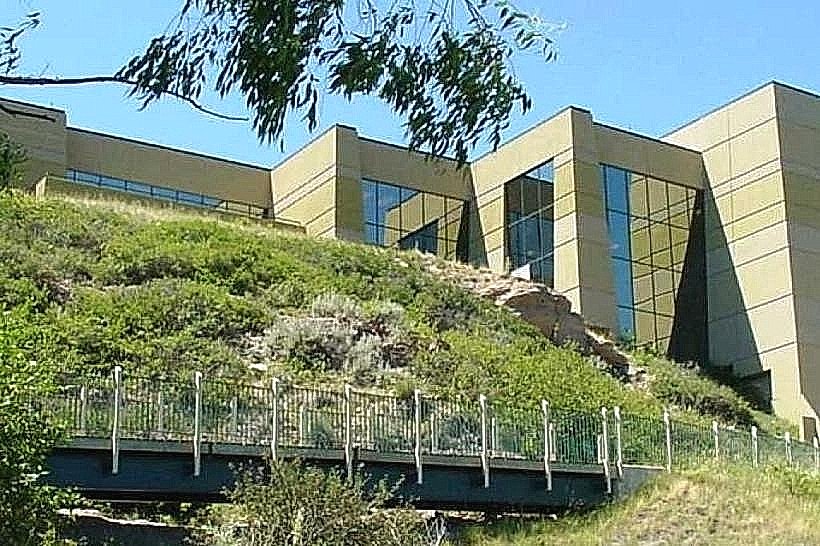
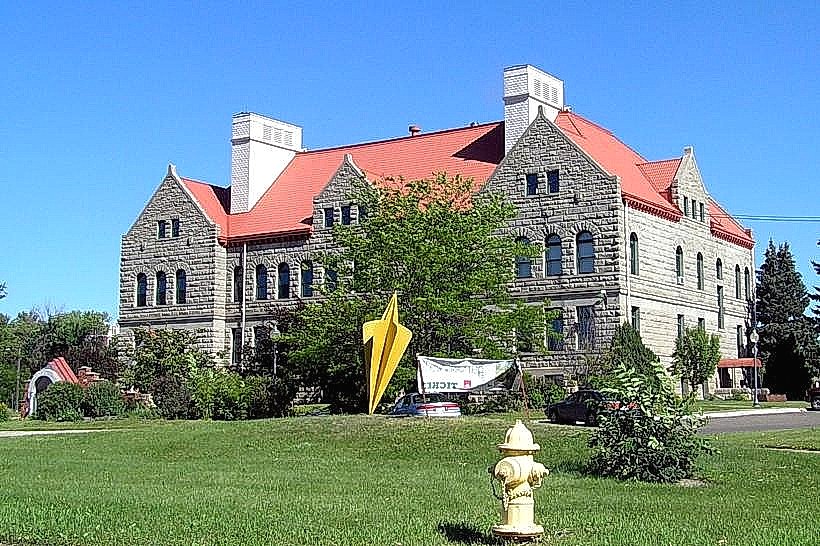
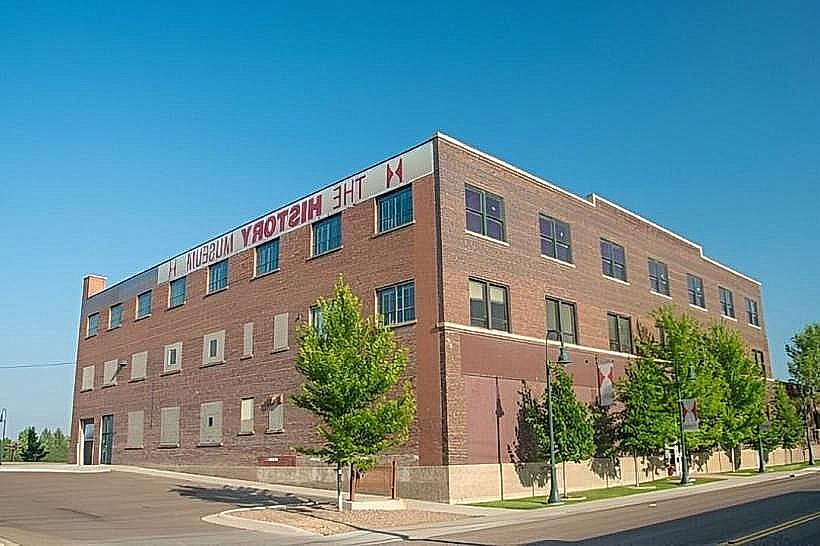
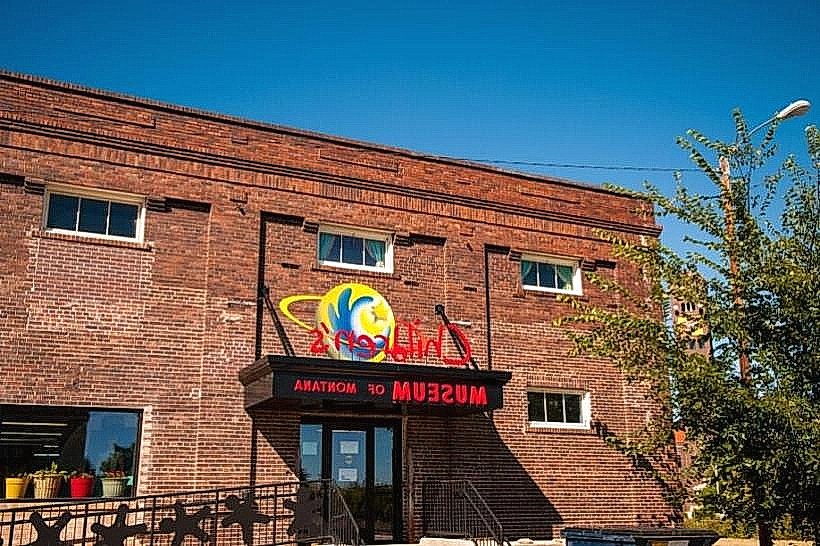
The museum complex comprises several buildings. The main museum building is constructed of brick with a light-colored stone facade. It features a prominent entrance with large glass doors and a sign displaying the museum's name. The architectural style is functional and modern, designed to house and display artwork. Adjacent to the main building is Russell's log cabin studio, a rustic, single-story structure made of rough-hewn logs, and his log home, a more substantial two-story dwelling also constructed from logs.
Location & Access Logistics
The C.M. Russell Museum is situated at 400 13th Street South in Great Falls, Montana. It is approximately 1.5 miles (2.4 km) south of the city center. Access is via 13th Street South, which is a main arterial road. Ample free parking is available on-site for visitors arriving by car. Public transport options include the Great Falls Transit Authority bus system; Route 3 stops within a short walking distance of the museum.
Historical & Ecological Origin
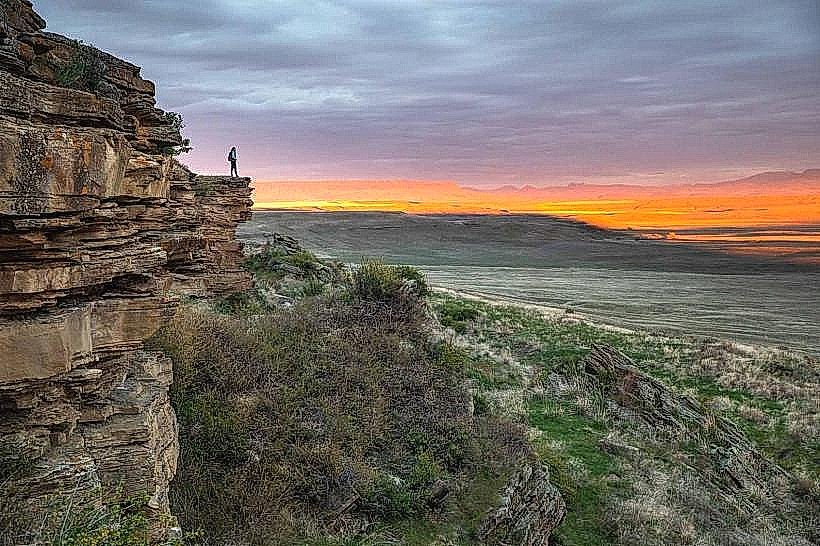
The museum was founded in 1953 by the Great Falls Historical Society to preserve and exhibit the works of Charles Marion Russell, a prominent Western artist. Russell himself lived and worked in Great Falls from 1897 until his death in 1926. His log cabin studio, built in 1903, and his log home, built in 1908, are preserved on the museum grounds, offering direct insight into his living and working environment. The surrounding area is part of the Great Plains physiographic region.
Key Highlights & Activities
Visitors can view an extensive collection of Russell's paintings, sculptures, and drawings, focusing on the American West. The museum offers guided tours of the main gallery and the historic Russell home and studio. Special exhibitions are presented throughout the year. Educational programs and lectures are also conducted.
Infrastructure & Amenities
Restrooms are available within the main museum building. Limited shaded areas are present in the outdoor spaces. Cell phone signal (4G/5G) is generally available in the vicinity. Food vendors are not located on-site, but dining options are available in downtown Great Falls, approximately 1.5 miles away.
Best Time to Visit
The museum is open year-round. For optimal lighting on Russell's artwork, visiting during daylight hours is recommended. The best months for weather in Great Falls are typically June through September, offering milder temperatures for travel to and from the museum.
Facts & Legends
Charles Marion Russell was known for his authentic depictions of Native American life and cowboy culture, often incorporating his own experiences and observations. A unique aspect of his studio is the collection of artifacts and objects he used as inspiration and props for his artwork, which remain largely as he left them.
Nearby Landmarks
- Lewis and Clark Interpretive Center (0.8km North)
- Montana State Fairgrounds (1.2km West)
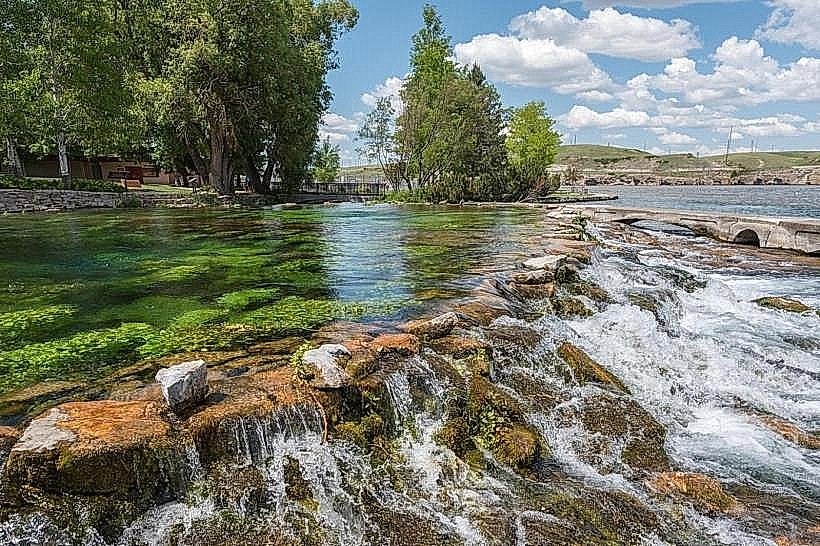
- Giant Springs State Park (3.5km Northeast)
- Malmstrom Air Force Base (4.0km East)