Information
Landmark: Giant Springs State ParkCity: Great Falls
Country: USA Montana
Continent: North America
Giant Springs State Park, Great Falls, USA Montana, North America
Giant Springs State Park is a public recreation area located in Great Falls, Montana, USA. It encompasses one of the largest natural springs in the United States.
Visual Characteristics
The park features a large, clear spring pool with a consistent water temperature of 50°F (10°C) year-round. The surrounding landscape consists of riparian vegetation, including cottonwood trees and grasses, with the Missouri River forming the park's western boundary. The spring water emerges from a limestone cliff face.
Location & Access Logistics
Giant Springs State Park is situated approximately 5 miles northeast of downtown Great Falls. Access is via US Highway 87, turning onto Giant Springs Road. Ample paved parking is available at the main visitor area. Public transport options are limited; the nearest bus stop is several miles from the park entrance.
Historical & Ecological Origin
The springs are a result of groundwater emerging from the Madison Limestone formation, a process dating back thousands of years. Historically, the springs were a significant water source for Native American tribes and early settlers. The park was established in 1920.
Key Highlights & Activities
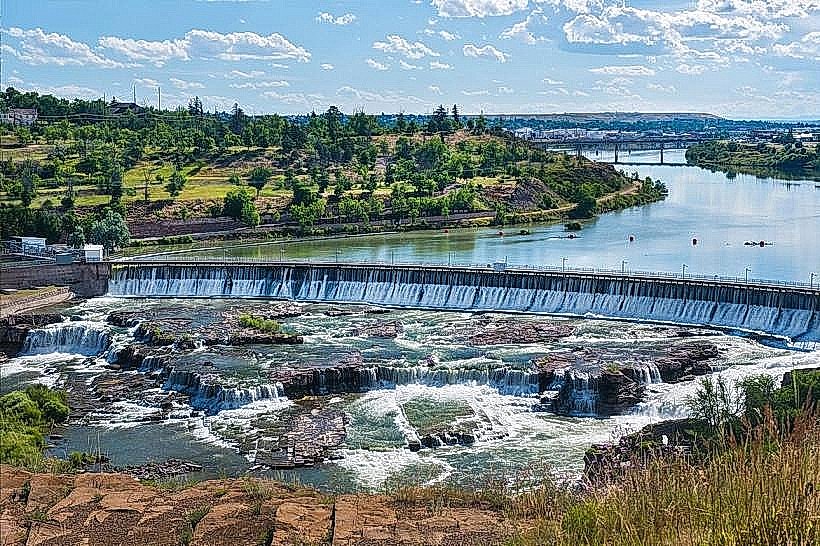
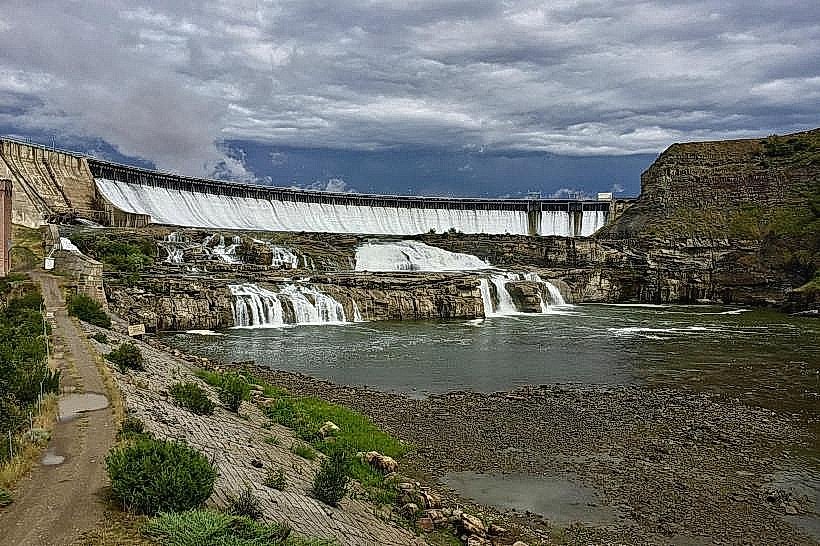
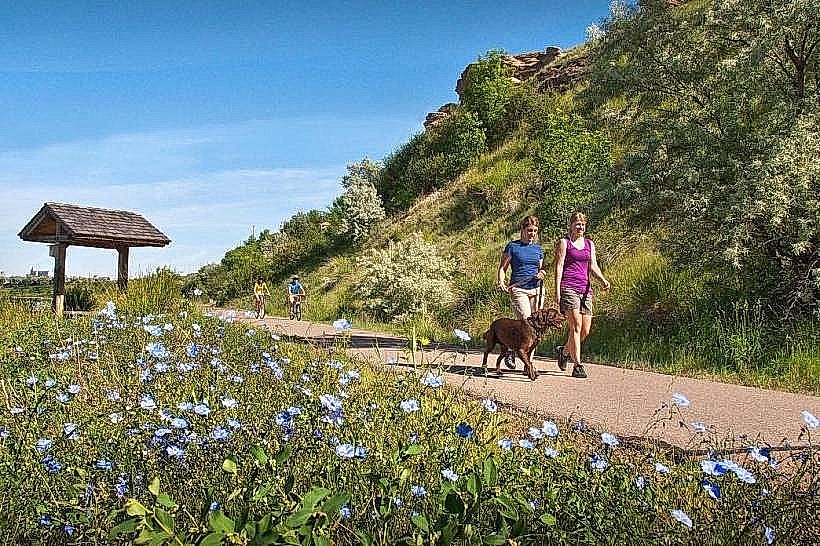
Visitors can observe the main spring pool. Walking trails are available along the Missouri River. Fishing is permitted in designated areas of the river. The Lewis and Clark Interpretive Center is located adjacent to the park.
Infrastructure & Amenities
Restrooms are available at the main visitor area. Picnic tables and shelters are provided. Shade is available under mature trees. Cell phone signal (4G/5G) is generally available within the park.
Best Time to Visit
The park is accessible year-round. Spring and fall offer moderate temperatures for outdoor activities. The water temperature of the spring remains constant, making it a consistent feature regardless of season. Mid-morning offers good lighting for photography of the spring pool.
Facts & Legends
The spring discharges an estimated 156 million gallons of water per day. A local legend suggests the spring was formed by the tears of a heartbroken Native American maiden.
Nearby Landmarks
- Lewis and Clark Interpretive Center (0.1km West)
- Coltman Park (1.5km South)
- Shepard Park (2.0km Southwest)
- Malmstrom Air Force Base (4.0km Southeast)