Information
City: Gros IsletCountry: Saint Lucia
Continent: North America
Gros Islet, Saint Lucia, North America
Gros Islet is the northernmost district of Saint Lucia, known as the island's premier center for tourism, nightlife, and yachting. While originally a quiet fishing village, it has evolved into the most developed and populous tourism corridor in the country, encompassing the Rodney Bay area and Pigeon Island.
2026 Strategic & Infrastructure Context
Highway Expansion: As of early 2026, the Castries–Gros Islet Highway Expansion Project is in active construction. This US $33 million initiative involves converting the main artery into a four-lane dual carriageway with new roundabouts at Marisule and Monchy to alleviate chronic traffic congestion.
Public Safety: The new Gros Islet Police Station, a major modern facility built under a "Build-Own-Lease-Transfer" (BOLT) arrangement, has recently reached full operational status.
Economy: The local economy is driven by the Rodney Bay Marina and high-density resort development. In 2026, the district continues to host the Atlantic Rally for Cruisers (ARC), the world's largest trans-oceanic sailing event.
Demographics & Population
The 2026 population of the Gros Islet District is approximately 31,000, making it the second most populous district after Castries. It has the highest growth rate in Saint Lucia due to rapid residential development in areas like Monchy and Beausejour. The demographic is diverse, including a large expatriate community and a majority of African and mixed descent.
Urban Layout & Key Districts
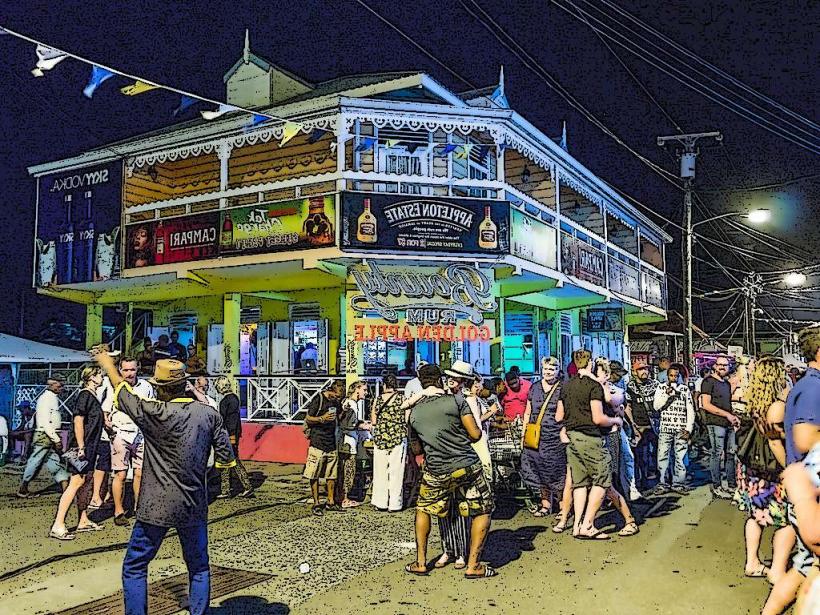
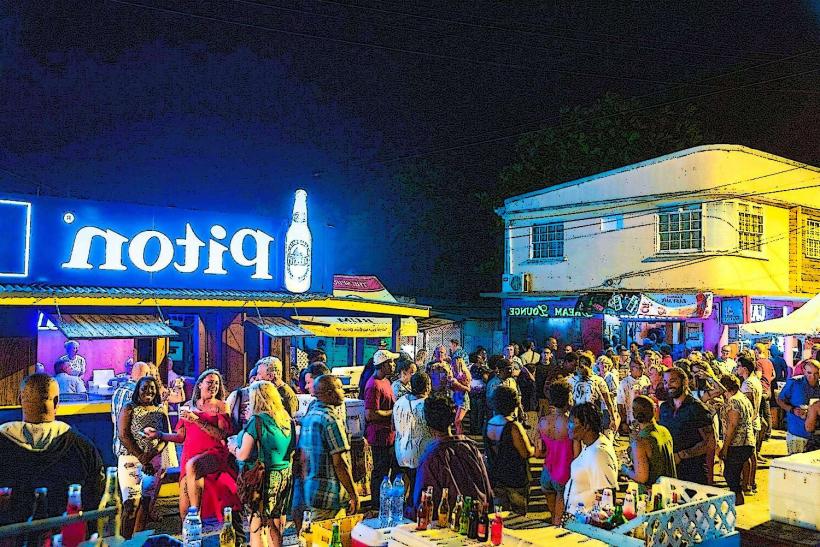
Gros Islet Village: The original historic core, characterized by wooden "gingerbread" houses and traditional rum shops. It is the site of the famous Friday Night Street Party.
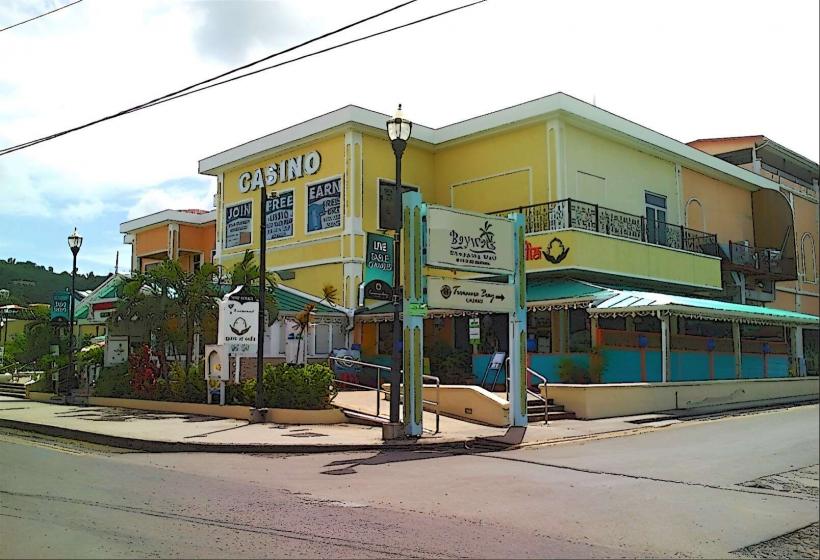
Rodney Bay Village: The island’s main entertainment hub, featuring two large shopping malls (Baywalk and J.Q. Rodney Bay Mall), casinos, and dozens of restaurants.
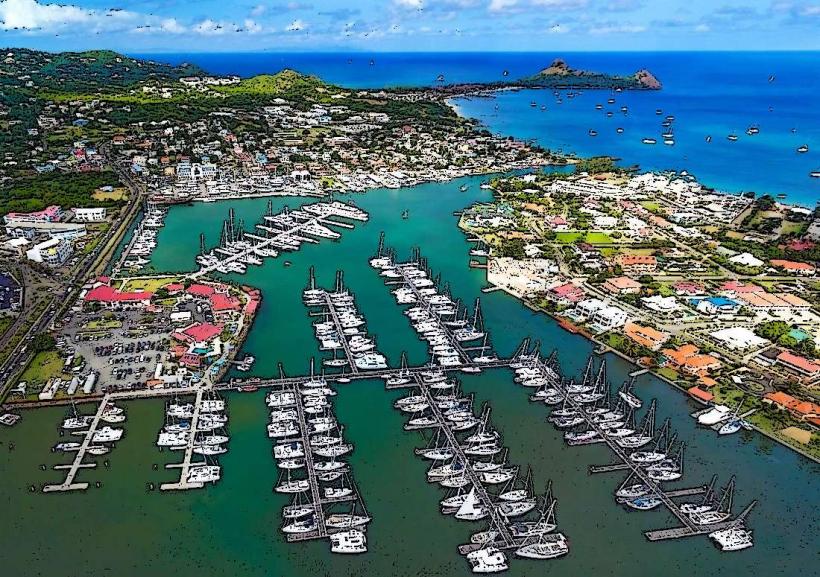
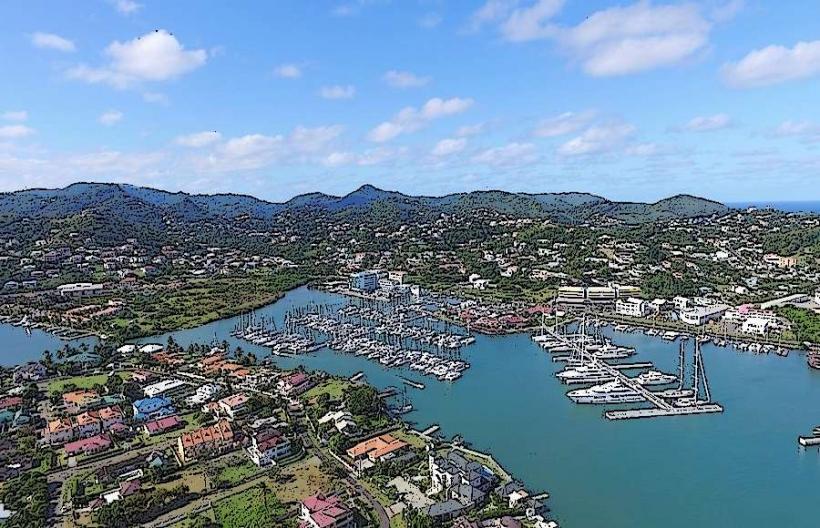
Rodney Bay Marina: A world-class facility with 253 slips and a high-capacity superyacht dock, serving as the northern maritime gateway.
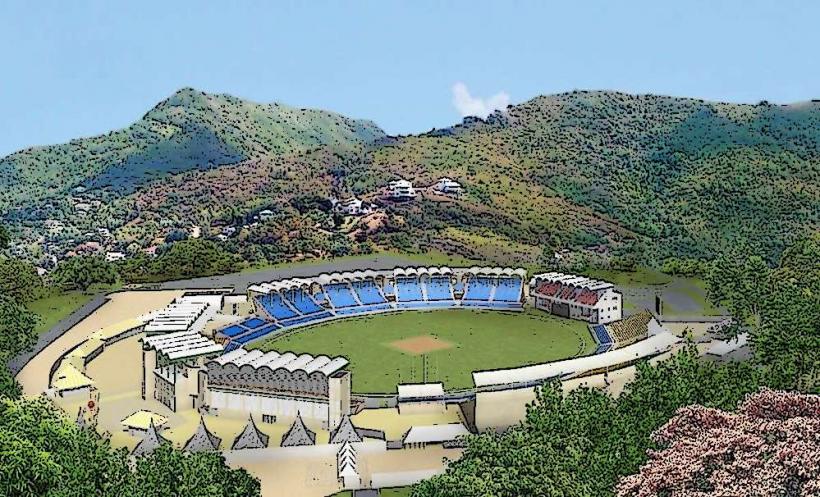
Beausejour: An inland residential and sporting area, home to the national cricket stadium.
Cap Estate: A 1,500-acre former sugar plantation at the northern tip, now the island's most exclusive residential neighborhood and home to the Sandals St. Lucia Golf & Country Club.
Top Landmarks
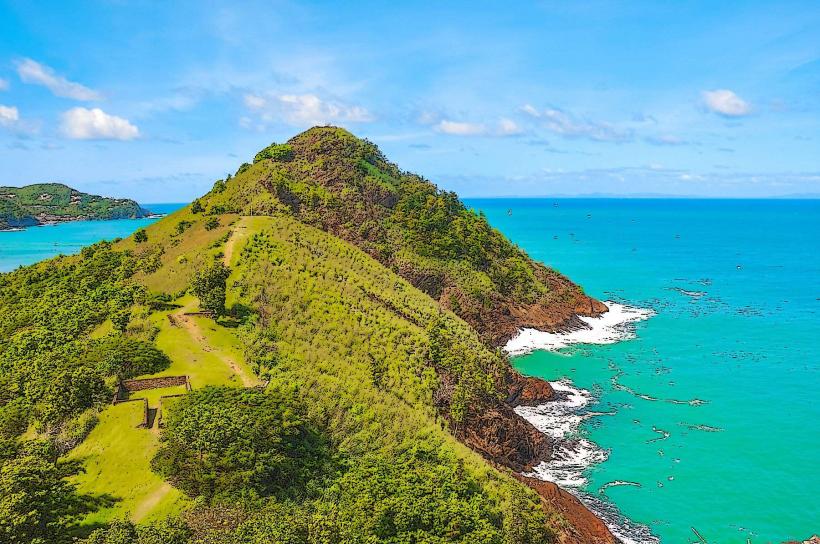
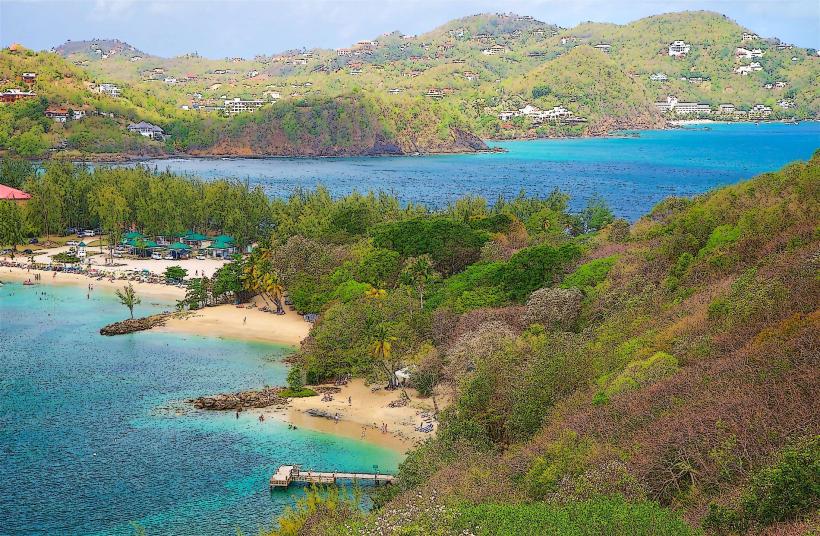
Pigeon Island National Landmark: A 44-acre islet connected to the mainland by a causeway. It features the ruins of Fort Rodney (built by Admiral Rodney in 1778) and offers views of Martinique.
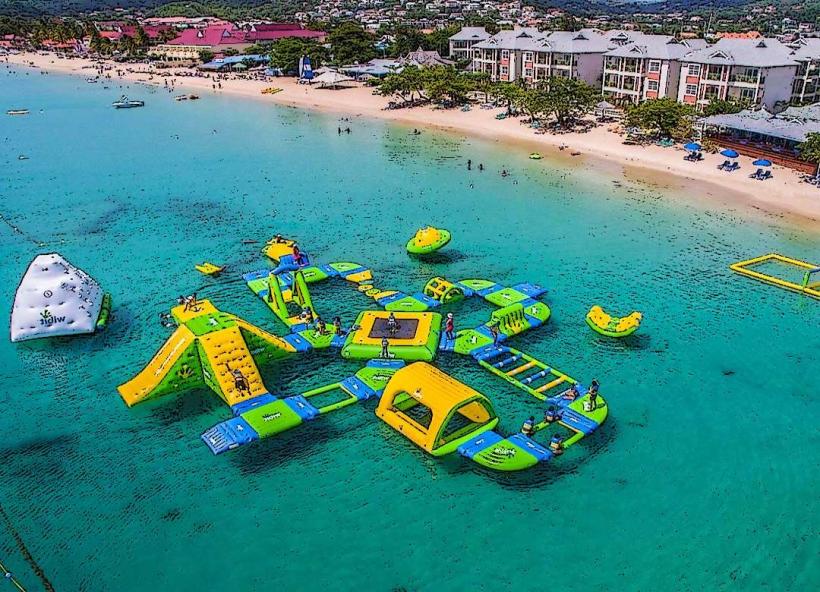
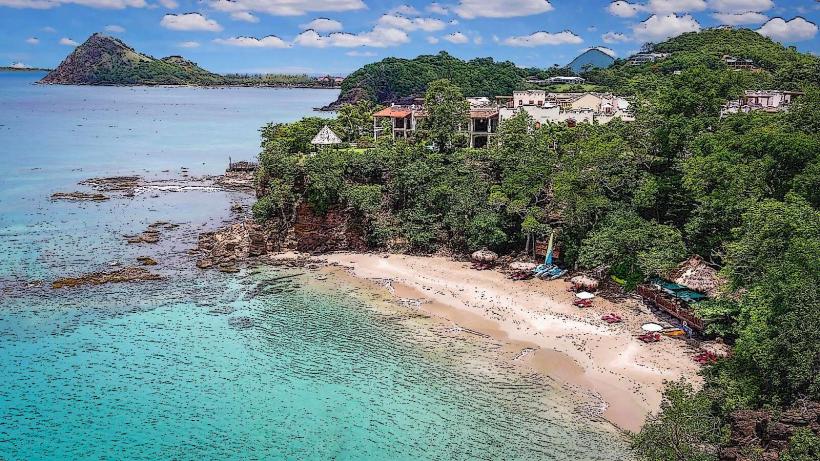
Reduit Beach: The most popular beach in Saint Lucia, a 1-km stretch of golden sand featuring the Splash Island Water Park, the largest open-water sports park in the Caribbean.
Daren Sammy Cricket Ground: A modern international stadium named after the Saint Lucian captain who led the West Indies to two T20 World Cup titles.
Friday Night Street Party (Jump Up): A weekly cultural institution where the village streets are closed for sound systems, street food (bouyon, grilled fish), and Piton beer.
Transportation Network
Air: Served by George F. L. Charles Airport (SLU) in nearby Castries (15–20 minutes).
Maritime: The Marina is a port of entry for private vessels. Water taxis operate between the Marina, Reduit Beach, and Pigeon Island.
Local: The district is the hub for Route 1A minibuses (green license plates), which provide 24-hour service along the northern corridor to Castries.
Digital & Financial Infrastructure
Gros Islet has the most advanced digital infrastructure in Saint Lucia, with 5G coverage throughout Rodney Bay and Cap Estate. It contains the highest concentration of ATMs and international banking branches outside the capital.
Local Cost Index (XCD)
1 Minibus fare to Castries: $2.50–$3.50 XCD
1 Beach Chair rental at Reduit: $25–$40 XCD
1 Dinner for two in Rodney Bay (mid-range): $150–$250 XCD
Facts & Legends
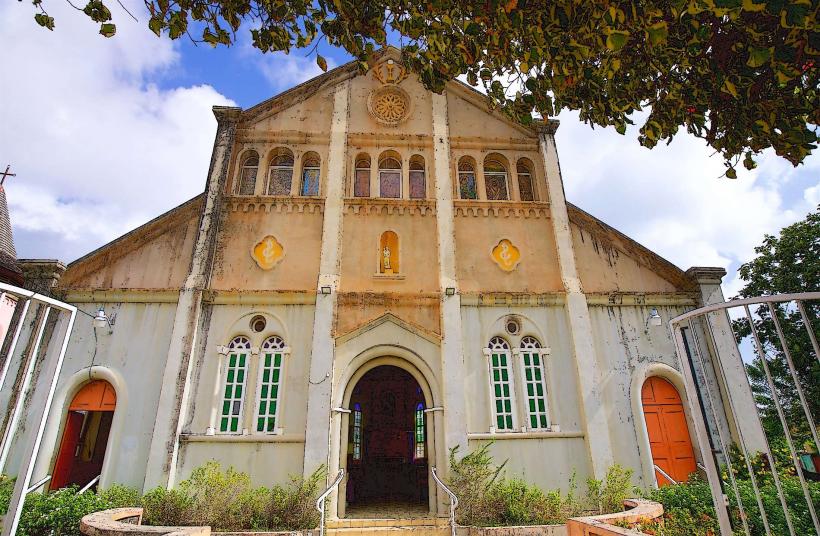
Legend says the French pirate François le Clerc (known as Jambe de Bois or "Peg Leg") used Pigeon Island as a base to intercept Spanish treasure galleons in the 1550s. A geographic fact: Rodney Bay is entirely man-made, created in the early 1970s by dredging a swamp and connecting Pigeon Island to the mainland. Historically, Gros Islet was the first place in Saint Lucia where Catholic priests settled in 1749, establishing it as one of the oldest parishes in the country.