Information
City: HanoverCountry: USA New Hampshire
Continent: North America
Hanover, USA New Hampshire, North America
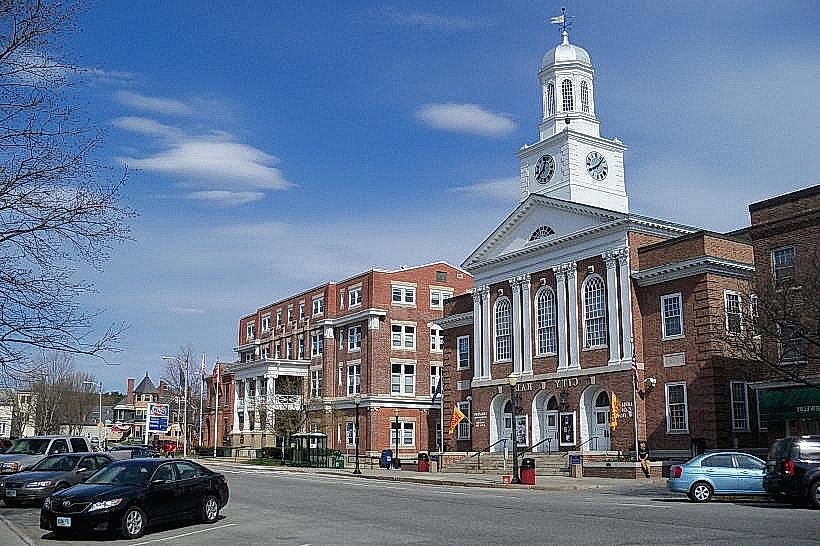
Hanover is a quintessential New England college town located in Grafton County along the Connecticut River. It is defined by the presence of Dartmouth College, which occupies the town's central "Plain" and dictates much of its cultural and economic rhythm.
Historical Timeline
Chartered in 1761 by Governor Benning Wentworth, the town was named after either the British House of Hanover or a parish in Connecticut. Dartmouth College was established in 1769 by Eleazar Wheelock. In the 1780s, Hanover and several other towns briefly defected from New Hampshire to join the independent Vermont Republic before returning to NH jurisdiction. This history is preserved in the name of the Dresden School District, the nation's first interstate school district serving both Hanover and Norwich, Vermont.
Demographics & Population
The 2026 estimated population is 12,005. The demographic is exceptionally young for New Hampshire, with a median age of 27.1 years due to the student body. The ethnic composition is White (71.2%), Asian (11.9%), and Two or More Races (10.0%). Educational attainment is among the highest in the country, with 88% of residents over age 25 holding a bachelor’s degree or higher.
Urban Layout & Key Districts
The Green: The 5-acre central common that serves as both the town square and the heart of the Dartmouth campus.
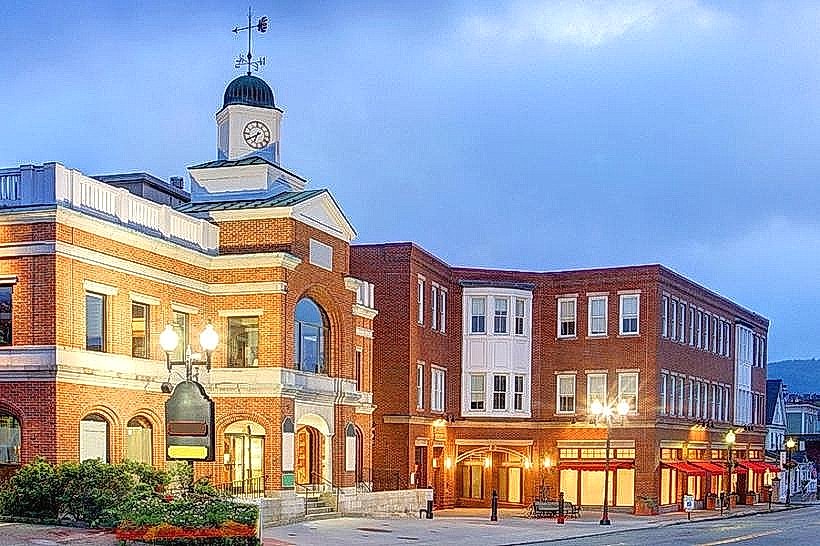
Downtown (Main Street): A walkable three-block corridor south of the Green featuring upscale dining, bookstores, and boutiques.
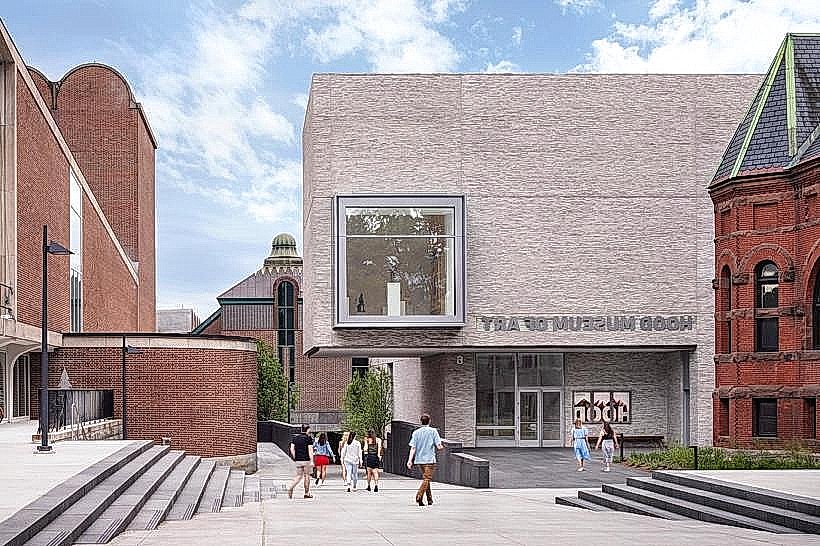
The Arts District: Located at the intersection of Main and Wheelock Streets, housing the Hood Museum and the Hopkins Center.
Etna and Hanover Center: Rural, residential villages located several miles east of the town core, characterized by historic farms and larger land plots.
Top City Landmarks
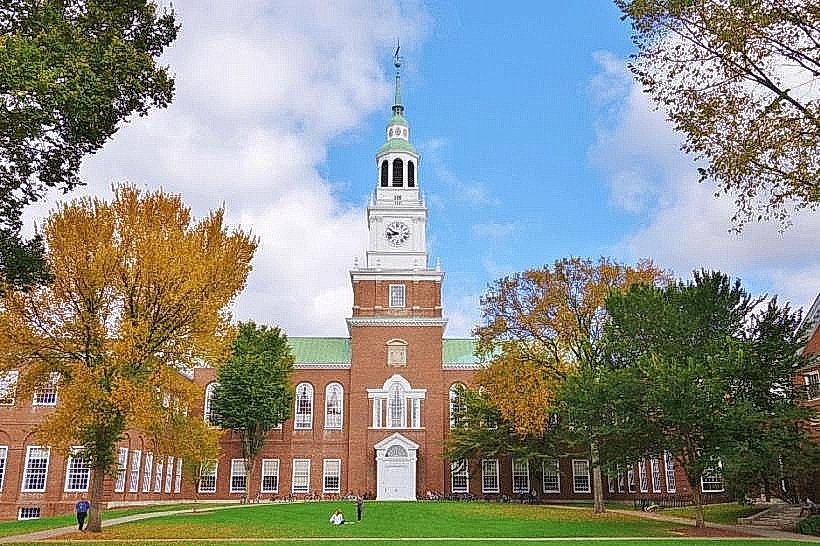
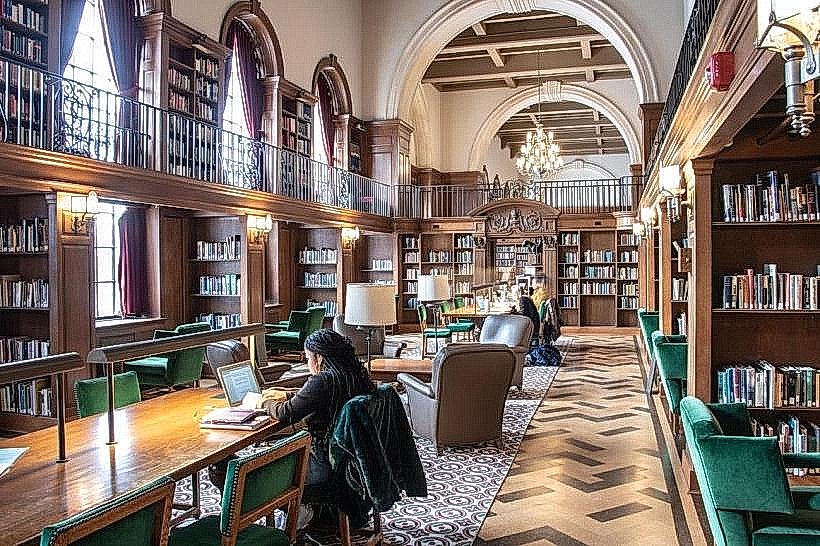
Baker-Berry Library: Modeled after Philadelphia's Independence Hall, its tower is the most recognizable feature of the skyline. It houses the Orozco Murals, a National Historic Landmark.
Hood Museum of Art: One of the oldest and largest college-owned art museums in the United States, containing over 70,000 objects.
The Hopkins Center for the Arts ("The Hop"): A major regional performing arts facility designed by Wallace Harrison (architect of the Met in NYC).
Ledyard Bridge: A historic crossing to Vermont where the Ledyard Canoe Club offers rentals for Connecticut River excursions.
Occom Pond: A popular site for walking in summer and outdoor ice skating in winter.
Appalachian Trail: Hanover is one of the few towns where the trail passes directly down the main street.
Transportation Network
Hanover is exceptionally pedestrian-friendly. Internal and regional transit is provided by Advance Transit (AT), a fare-free bus system connecting the town with Lebanon, NH, and Norwich/White River Junction, VT. Dartmouth Coach provides luxury bus service to Boston, Logan Airport, and New York City. The nearest commercial air service is Lebanon Municipal Airport (LEB), 10 km south, while Amtrak’s Vermonter stops in nearby White River Junction.
Safety & "Red Zones"
The safety level is extremely high. Violent crime is negligible. Property crime is low and primarily consists of bicycle theft. There are no "red zones." The most significant safety risks are environmental: cold-water hazards on the Connecticut River and slippery conditions on the Appalachian Trail segments (specifically the Velvet Rocks area).
Digital & Financial Infrastructure
As home to an Ivy League institution, Hanover possesses premier digital infrastructure. Fiber-to-the-home is widely available via Consolidated Communications and Xfinity, with speeds consistently reaching 1-2 Gbps. Card acceptance is universal. Major financial institutions include Ledyard National Bank and Mascoma Bank.
Climate & Air Quality
The climate is humid continental. Summers are warm ($14^\circ\text{C}$ to $28^\circ\text{C}$); winters are severe and snowy, with temperatures frequently dropping below $-15^\circ\text{C}$. Air quality is "Excellent" year-round due to the lack of heavy industry and high forest cover.
Culture & Social Norms
The culture is "Ivy League Rural"-a blend of high-intellect academic life and rugged outdoorism. Tipping of 20% is standard. The town is most crowded during Winter Carnival (February) and Commencement (June). Alcohol is sold in grocery stores; spirits are sold in NH State Liquor & Wine Outlets.
Accommodation Zones
The Green/Main Street: The Hanover Inn is the premier historic option. Six South St offers contemporary luxury within the downtown core.
Route 120 (South Hanover): Stay here for national chains and proximity to the Dartmouth-Hitchcock Medical Center.
Local Cost Index
Espresso: $4.75
Standard Lunch: $19.00
Median Home Value: $755,700
Nearby Day Trips
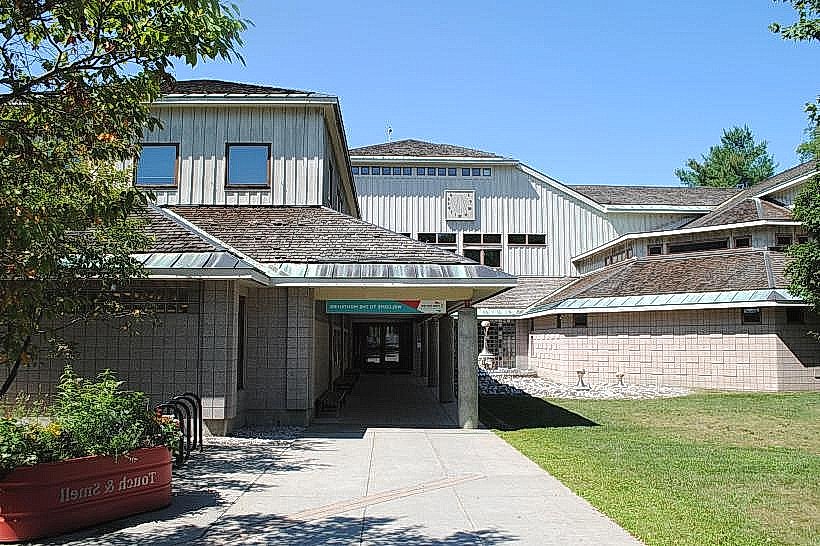
Montshire Museum of Science (Norwich, VT): 2 km (5 mins).
Quechee Gorge: 15 km (20 mins) – "Vermont's Little Grand Canyon."
Woodstock, VT: 30 km (30 mins) – Quintessential historic village and Billings Farm.
Simon Pearce (Quechee): 16 km (20 mins) – Glassblowing studio and fine dining.
Facts & Legends
Hanover is the only town on the 2,190-mile Appalachian Trail where the trail provides a paved sidewalk and passes directly by a gelato shop. A local legend involves the "Lone Pine," a tree once central to Dartmouth ritual that was struck by lightning and survives as a primary symbol in the college logo. Historically, the town is unique for the Dartmouth College Case (1819), a landmark Supreme Court decision that protected private charters and shaped American corporate law.