Information
Landmark: Etna Village Historic DistrictCity: Hanover
Country: USA New Hampshire
Continent: North America
Etna Village Historic District, Hanover, USA New Hampshire, North America
Etna Village Historic District is a designated historic area located in Etna, a village within the town of Hanover, New Hampshire, USA.
This district preserves a collection of 19th-century agricultural and residential structures that represent the historical development of a rural New England community.
Visual Characteristics
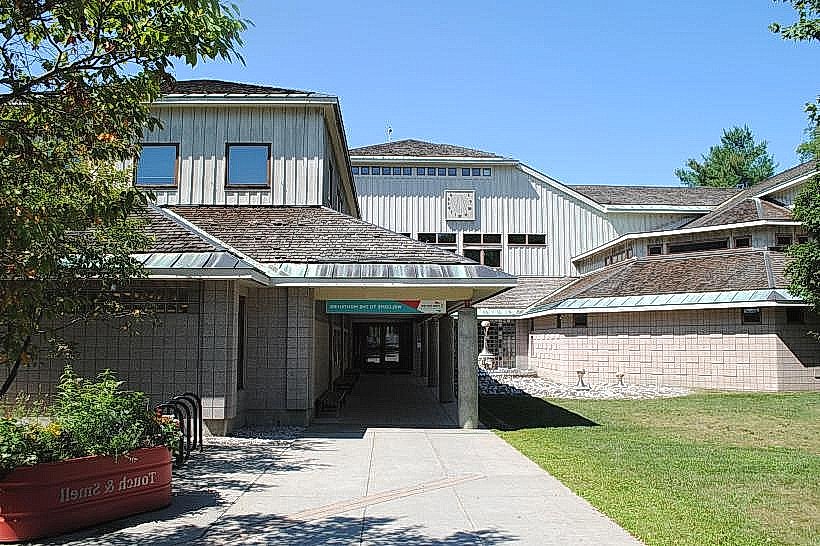
The district features a concentration of wood-frame buildings, primarily constructed between 1820 and 1880. Structures exhibit vernacular New England architectural styles, characterized by simple forms, clapboard siding, and pitched roofs. Colors range from weathered natural wood to muted whites and grays, with occasional accents of darker trim. The village layout follows the contours of Etna Brook, with buildings situated along the main road and smaller lanes.
Location & Access Logistics
Etna Village Historic District is situated approximately 6.4 kilometers (4 miles) northeast of the Hanover town center. Access is via Etna Road (NH Route 10A). Parking is available on street shoulders in designated areas, with limited capacity. Public transport options are not directly available to the historic district itself; visitors typically use private vehicles from Hanover.
Historical & Ecological Origin
The district's origin is rooted in the agricultural expansion of the early 19th century. The area developed as a small farming community, with structures serving residential, agricultural, and community functions. The presence of Etna Brook provided a water source and power potential for early mills, though none remain within the core historic district. The geological context is characterized by rolling hills and glacial till typical of the Upper Connecticut River Valley.
Key Highlights & Activities
Exploration of the district involves walking the main road and observing the preserved architecture. Specific points of interest include the former Etna Village Schoolhouse (now a private residence) and various farmsteads. No organized tours are offered, and activities are limited to passive observation and architectural appreciation.
Infrastructure & Amenities
Restrooms are not publicly available within the historic district. Shade is provided by mature trees lining the road. Cell phone signal (4G/5G) is generally available. No food vendors or commercial amenities are located within the district; visitors should plan to utilize services in nearby Hanover.
Best Time to Visit
For optimal viewing of architectural details and natural surroundings, late spring (May-June) and early autumn (September-October) are recommended due to moderate temperatures and foliage. Mid-morning to late afternoon offers consistent natural light for photography. No tide-dependent activities are relevant.
Facts & Legends
A notable historical fact is that the Etna Village Schoolhouse, built in 1854, served as the community's educational center for over a century before closing in the mid-20th century. Local lore sometimes refers to the area as having been a stopover point for travelers on early routes through the region, though specific documented evidence is scarce.
Nearby Landmarks
- Dartmouth College (6.5km Southwest)
- Quechee Gorge State Park (18km Southeast)
- Mount Ascutney State Park (30km South)
- Lake Sunapee (35km East)