Information
Landmark: Hood Museum of ArtCity: Hanover
Country: USA New Hampshire
Continent: North America
Hood Museum of Art, Hanover, USA New Hampshire, North America
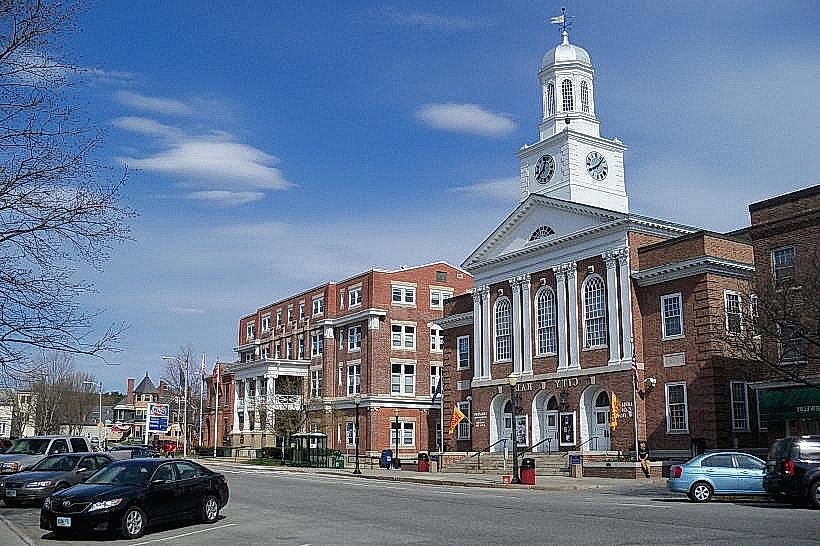
The Hood Museum of Art is an art museum located on the campus of Dartmouth College in Hanover, New Hampshire, USA.
It houses a diverse collection spanning various cultures and historical periods.
Visual Characteristics
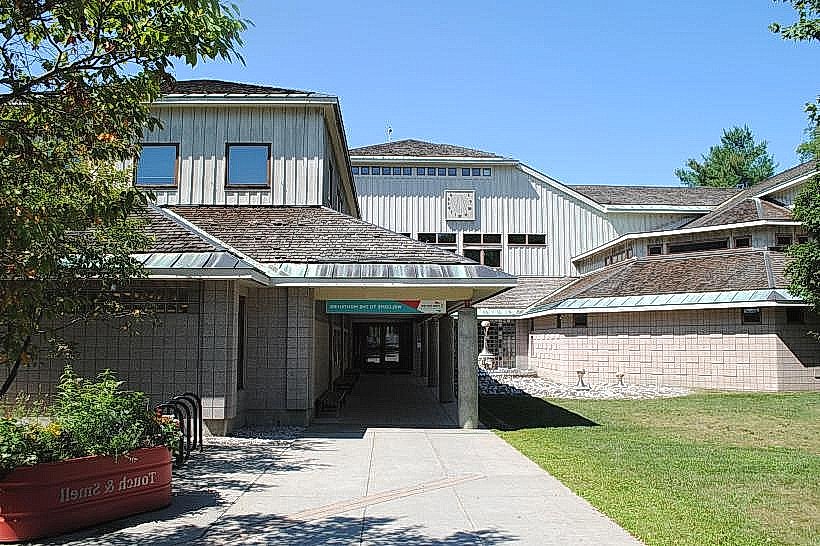
The museum building is constructed primarily of granite and glass. It features a low-profile, horizontal design with a central atrium. The exterior is characterized by clean lines and a muted color palette, reflecting a modernist architectural style.
Location & Access Logistics
The Hood Museum of Art is situated at 25 Lebanon Street, Hanover, NH 03755, on the Dartmouth College campus. It is approximately 0.5km west of the Hanover town center. Parking is available in the nearby Dartmouth College garages, such as the Dewey Lot or the Thompson Arena Lot, with hourly or daily rates. Public transport options include the Dartmouth Coach bus service, which stops in Hanover, and local bus routes that serve the campus area.
Historical & Ecological Origin
The Hood Museum of Art was designed by the architectural firm Charles Moore and Chad Floyd and opened in 1985. It was built to house and display the growing art collection of Dartmouth College, which began in the late 18th century. The original purpose was to serve as a center for art education and public exhibition for the college and the surrounding community.
Key Highlights & Activities
Visitors can view permanent collections including European paintings, American art, Native American art, and contemporary works. Special exhibitions are presented throughout the year. The museum offers guided tours on select days and times. Photography without flash is permitted in most galleries.
Infrastructure & Amenities
Restrooms are available on each floor. Limited seating is provided within exhibition spaces. Cell phone signal (4G/5G) is generally available within the museum. No food vendors are located directly within the museum; however, dining facilities are available on the Dartmouth College campus and in downtown Hanover.
Best Time to Visit
The museum is open year-round. Weekday mornings, particularly between 10:00 AM and 12:00 PM, tend to have fewer visitors. The best time for photography of the building's exterior is during daylight hours, with late afternoon light offering softer shadows.
Facts & Legends
The museum's collection includes over 65,000 objects. A notable piece in the collection is a significant group of Native American artifacts collected by Eleazar Wheelock, the founder of Dartmouth College.
Nearby Landmarks
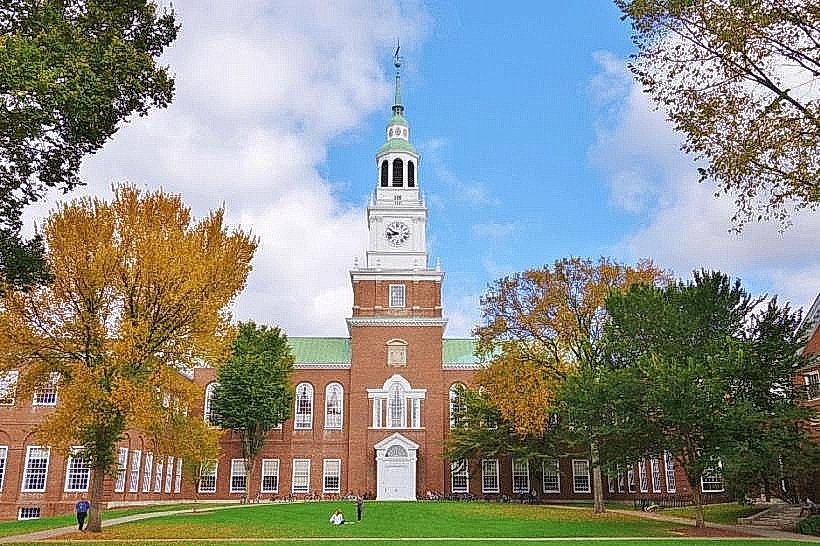
- Dartmouth College Baker-Berry Library (0.2km East)
- Hopkins Center for the Arts (0.3km Southeast)
- Hanover Inn (0.4km East)
- Ledyard Bridge (0.6km West)
- Quechee Gorge State Park (12km Southwest)