Information
City: HelenaCountry: USA Montana
Continent: North America
Helena, USA Montana, North America
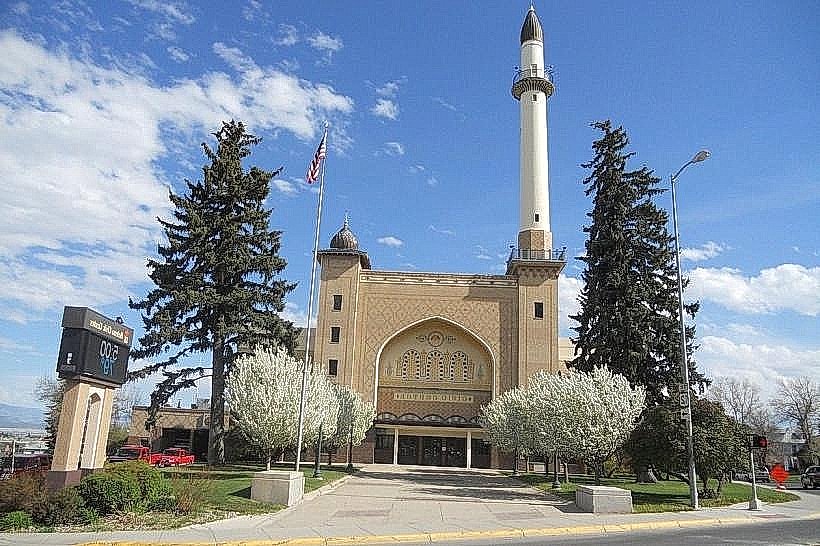
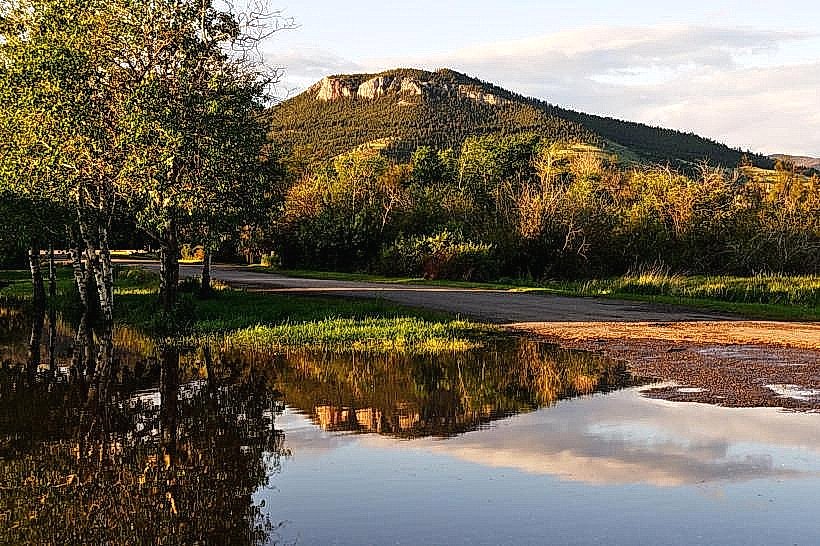
Helena is the capital of Montana and the seat of Lewis and Clark County. Situated in the Prickly Pear Valley at the foot of the Big Belt Mountains, it serves as the state’s primary political and administrative center.
Historical Timeline
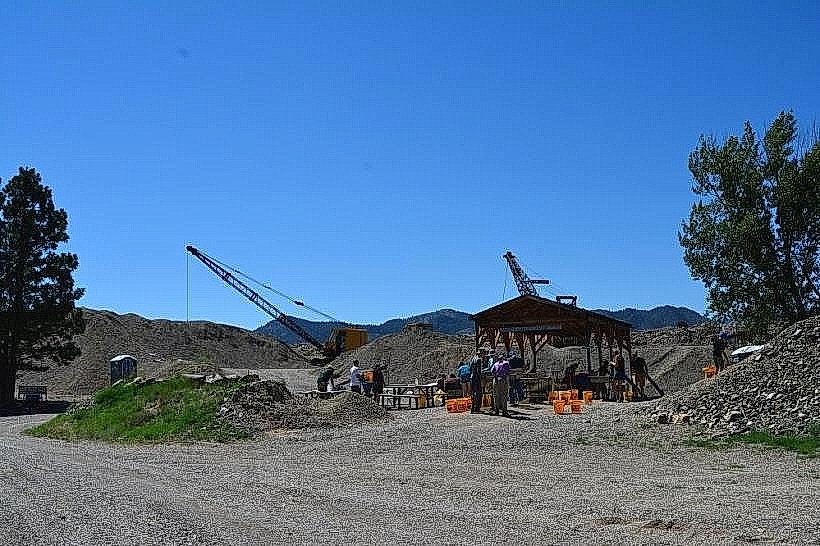
The city was founded by the "Four Georgians" who discovered gold in Last Chance Gulch in 1864. This discovery triggered a massive gold rush, making Helena one of the wealthiest cities in the United States by the late 19th century, with over 50 millionaires per capita. It was named the territorial capital in 1875 and became the state capital in 1889. The city’s architecture and layout reflect the wealth of the Victorian mining era followed by a transition into a stable government-based economy.
Demographics & Population
The 2026 estimated population is 34,210. The primary ethnic demographics are White (91.1%), Two or More Races (3.8%), Hispanic or Latino (3.2%), and American Indian (0.9%). The median age is 40.4 years. Like many capital cities, the population fluctuates significantly during the biennial sessions of the Montana Legislature.
Urban Layout & Key Districts
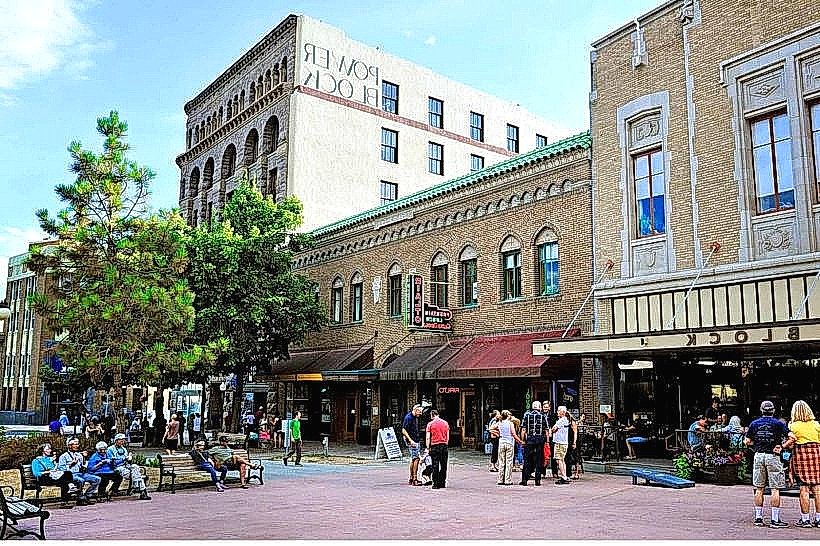
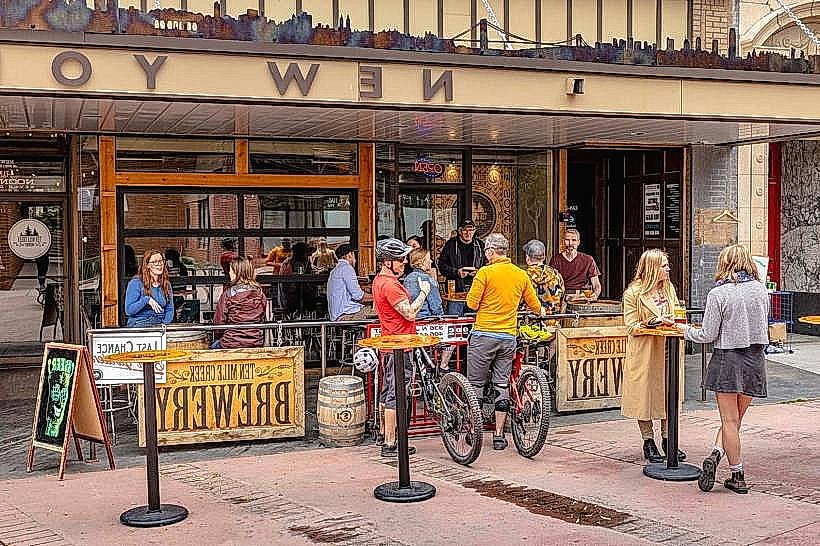
Last Chance Gulch: The historic downtown walking mall, built directly over the original gold strike; it is the center for dining, boutique retail, and local commerce.
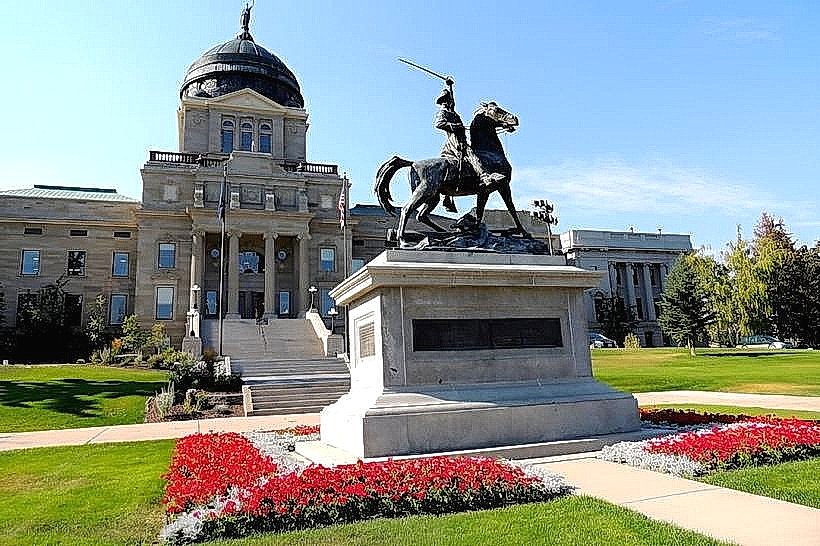
The Capitol Complex: Located on the east side of town, housing the Montana State Capitol and various state agencies.
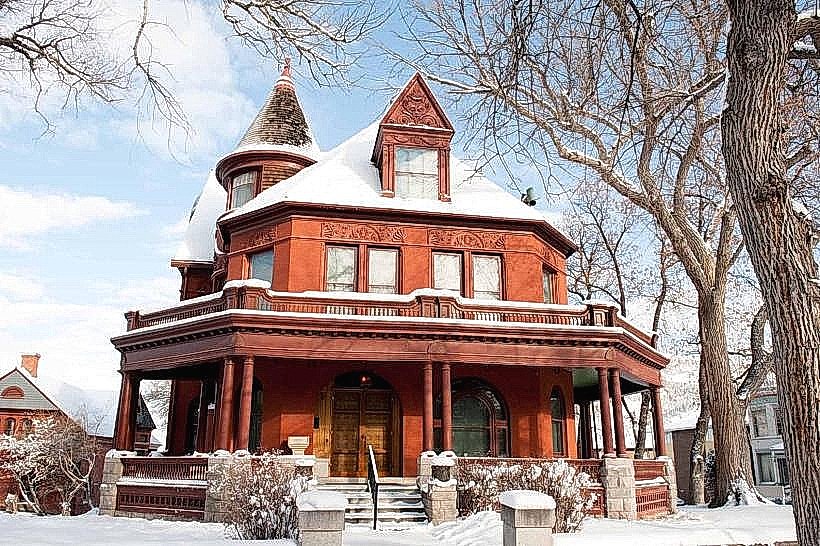
The Mansion District: North of downtown, containing high concentrations of 19th-century Victorian mansions built by mining barons.
Valley District: The northern expansion area characterized by mid-to-late 20th-century suburban development and big-box retail along US-12.
Top City Landmarks
Montana State Capitol: Featuring a massive copper dome topped with the "Liberty" statue and housing the famous mural Lewis and Clark Meeting the Flatheads by C.M. Russell.
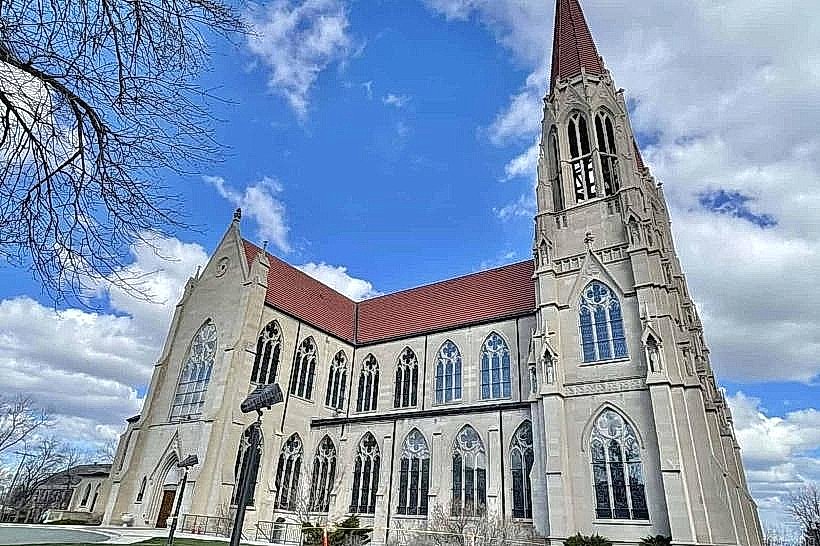
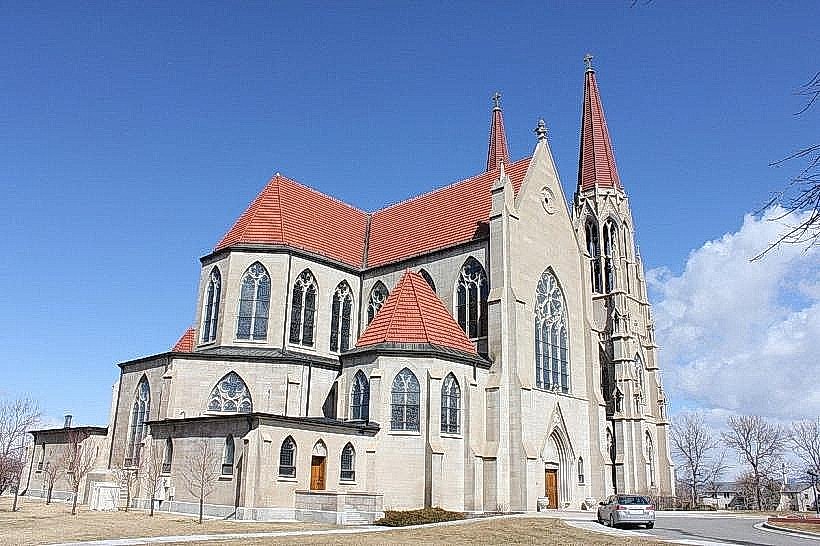
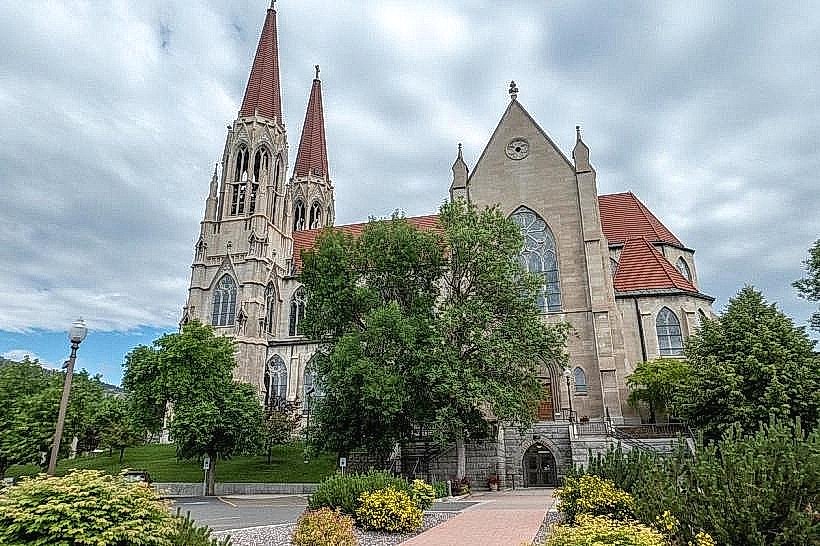
Cathedral of St. Helena: A prominent 1908 neo-Gothic cathedral modeled after the Votive Church in Vienna.
Mount Helena City Park: A $620\text{-acre}$ park offering extensive hiking trails, including the popular 1906 Trail to the summit ($1,664\text{ m}$).
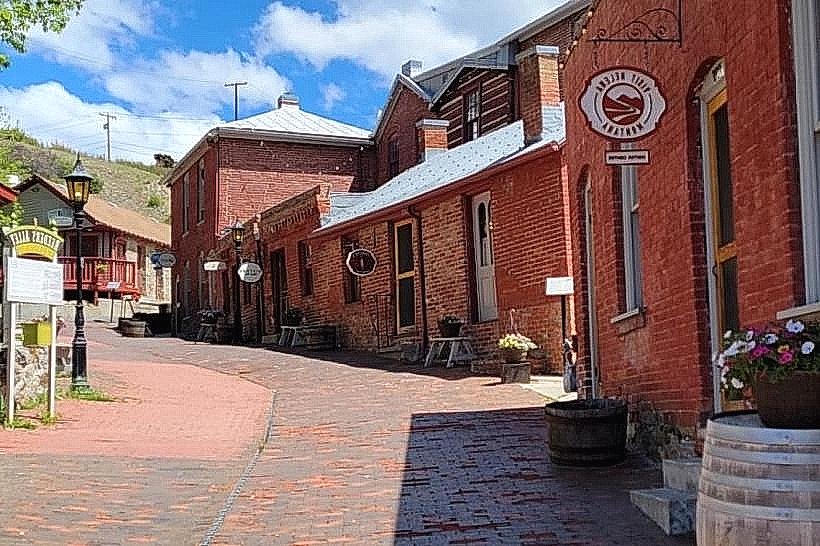
Reeder’s Alley: The oldest intact piece of early Helena, featuring miners' shanties and brick tenements now housing small shops and cafes.
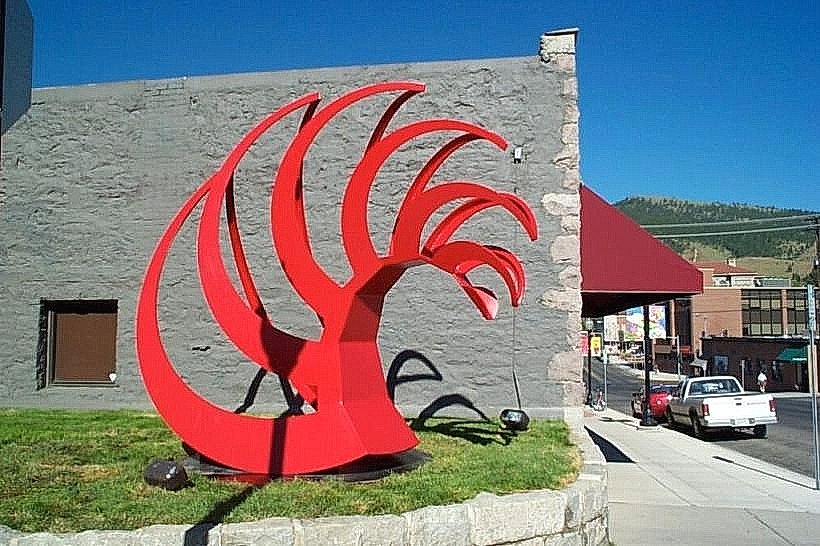
Holter Museum of Art: A leading regional museum focused on contemporary Western art and ceramics.
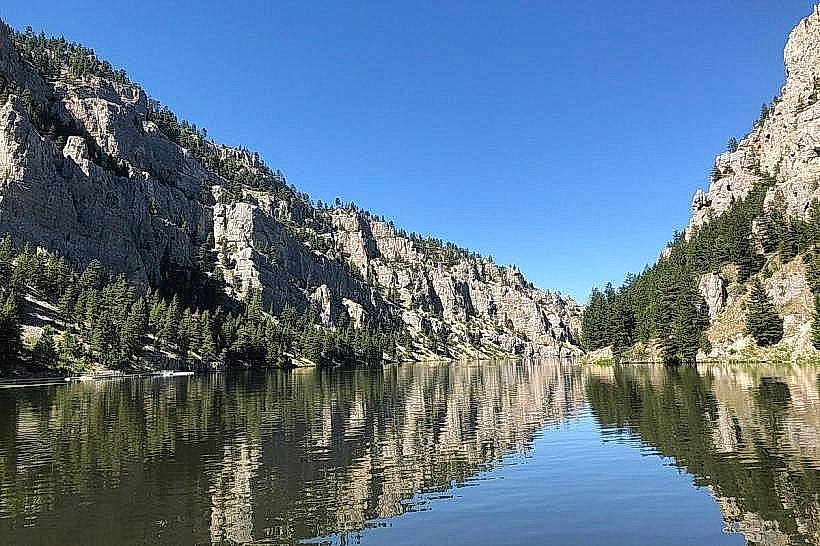
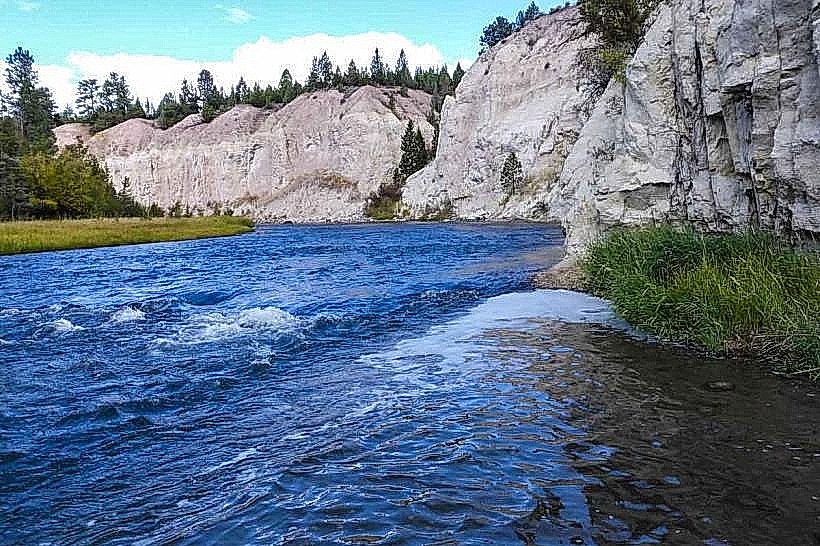
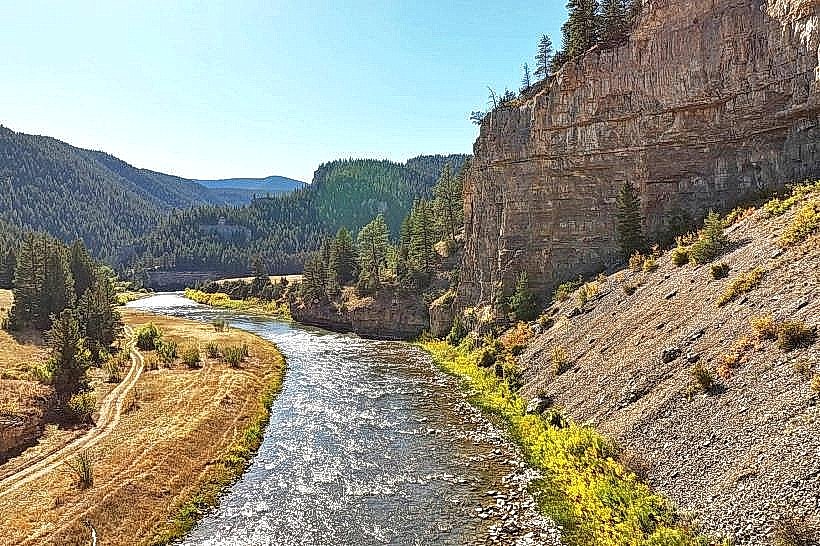
Gates of the Mountains: A spectacular limestone canyon on the Missouri River north of town, named by Meriwether Lewis.
Transportation Network
Helena is served by I-15, US-12, and US-287. Capital City Transit provides limited fixed-route bus service. Helena Regional Airport (HLN) offers daily commercial flights to major hubs like Denver, Salt Lake City, and Seattle. The city is noted for its high "walk score" in the downtown gulch area, though a vehicle is required for mountain and valley access.
Safety & Environmental Hazards
The safety level is high. Violent crime is rare. Property crime is primarily concentrated in the northern retail districts. Environmental hazards include:
Radon: High levels of natural radon gas are common in local basements; testing is standard.
Wildfires: The city is situated in a high-risk wildland-urban interface; smoke from regional fires can impact air quality in late summer.
Winter Weather: Extreme cold and heavy snow are common from November through March.
Digital & Financial Infrastructure
Infrastructure is robust to support state government and regional banking. Average internet speeds reach 1 Gbps via Spectrum and Lumen. Card acceptance is 100%. Major institutions include First Interstate Bank and Valley Bank of Helena.
Climate & Air Quality
The climate is semi-arid/continental. Summers are warm and dry ($12^\circ\text{C}$ to $29^\circ\text{C}$); winters are cold ($ -12^\circ\text{C}$ to $1^\circ\text{C}$), though tempered occasionally by warm Chinook winds. Air quality is "Excellent" except during peak wildfire season.
Culture & Social Norms
The culture is a blend of "Western Rugged" and "Government Professional." Tipping of 18–20% is standard. Montanans prize privacy and self-reliance. Dress code is casual, including in many professional settings (cowboy boots and jeans are common). Alcohol is sold in grocery stores; spirits are sold in state-licensed agency stores.
Accommodation Zones
Downtown/Last Chance Gulch: Stay here for historic hotels and walkability to dining.
Capitol Area: Stay here for business-standard hotels and government proximity.
North Helena (I-15): Stay here for national chains and easy highway access.
Local Cost Index
Espresso: $4.50
Standard Lunch: $16.00
Median Home Value: $455,000
Nearby Day Trips
Canyon Ferry Lake: 30 km (25 mins) – Popular for boating and fishing.
Elkhorn Ghost Town: 65 km (1 hour).
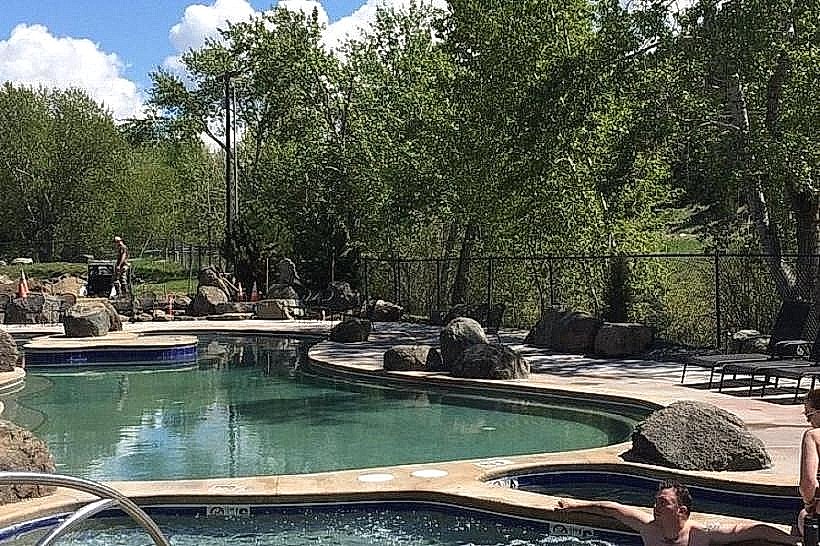
Boulder Hot Springs: 50 km (45 mins).
Great Falls: 145 km (1.5 hours).
Facts & Legends
Helena was nearly named "Pumpkinville" or "Squashtown" during its initial settlement. A local legend involves the "Guardian of the Gulch," a 19th-century fire tower that remains one of the few surviving structures of its kind in the U.S. Historically, the city is unique for having more millionaires per capita than any other city in the world during the 1880s gold boom.