Information
Landmark: Montana State CapitolCity: Helena
Country: USA Montana
Continent: North America
Montana State Capitol, Helena, USA Montana, North America
The Montana State Capitol is the seat of government for the U.S. state of Montana, located in Helena.
It is a Neoclassical building constructed from sandstone and granite, featuring a prominent central dome topped by a statue of Lady Liberty.
Visual Characteristics
The building measures approximately 400 feet long and 200 feet wide. Its exterior is primarily composed of Helena sandstone, with granite used for the foundation and trim. The central dome, constructed of copper, rises 160 feet above the ground and is surmounted by a 15-foot statue of Lady Liberty. The architectural style is Neoclassical, characterized by its symmetrical facade, Corinthian columns, and classical ornamentation. Interior features include marble floors, oak woodwork, and a large rotunda beneath the dome.
Location & Access Logistics
The Montana State Capitol is situated at 601 North Last Chance Gulch, Helena, MT 59620. It is located approximately 0.5 miles north of Helena's downtown core. Ample free parking is available in the lot directly east of the building. Public transportation options are limited; the closest bus stop is located on Last Chance Gulch, approximately a 5-minute walk from the Capitol entrance.
Historical & Ecological Origin
Construction of the Montana State Capitol began in 1896 and was completed in 1902. The architect was George R. Mann, with the final design overseen by Cass Gilbert. The building's original purpose was to house the legislative and executive branches of Montana's state government. The site itself was chosen for its central location within the state capital.
Key Highlights & Activities
Visitors can tour the legislative chambers, the Governor's office, and the Supreme Court courtroom. Self-guided tours are permitted during regular business hours. Guided tours are available on weekdays at 10:00 AM and 2:00 PM, subject to legislative session schedules. Photography is permitted within public areas.
Infrastructure & Amenities
Restrooms are available on each floor. Limited seating is provided in public waiting areas. Cell phone signal (4G/5G) is generally available within the building. No food vendors are located within the Capitol building; however, several restaurants and cafes are situated within a 0.5-mile radius in the downtown area.
Best Time to Visit
For optimal lighting for photography of the exterior, late afternoon provides direct sunlight on the east-facing facade. The best months for visiting are May through October, offering mild weather for travel to Helena. Interior tours are best scheduled during weekdays to avoid potential conflicts with legislative sessions or weekend closures.
Facts & Legends
A unique historical detail is the presence of a hidden inscription of the architect's name, George R. Mann, on the underside of the rotunda's cornice, accessible only from specific vantage points. Local lore suggests the statue of Lady Liberty atop the dome was intentionally designed to face west, symbolizing Montana's westward expansion.
Nearby Landmarks
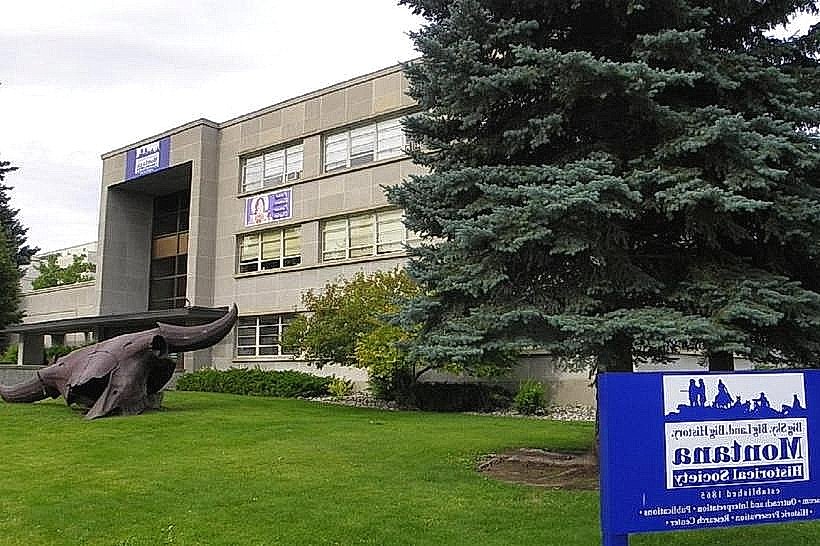
- Montana Historical Society Museum (0.2km South)
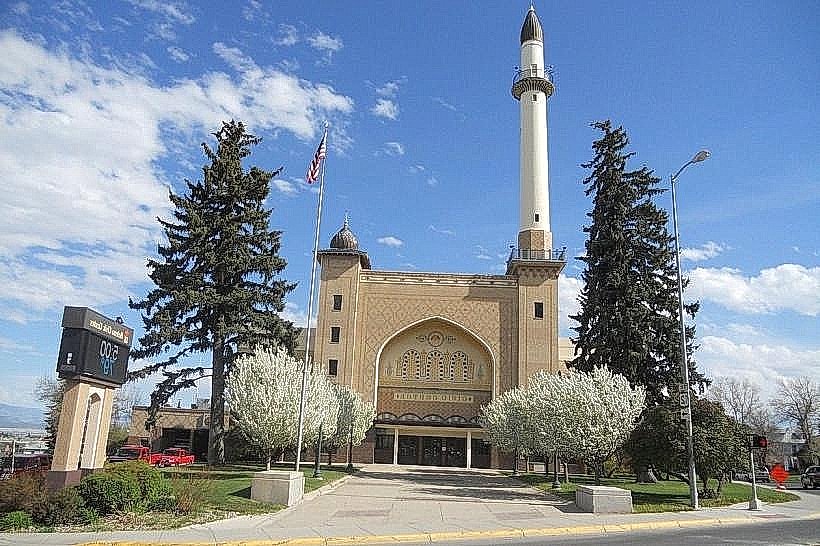
- Helena Civic Center (0.4km Southwest)
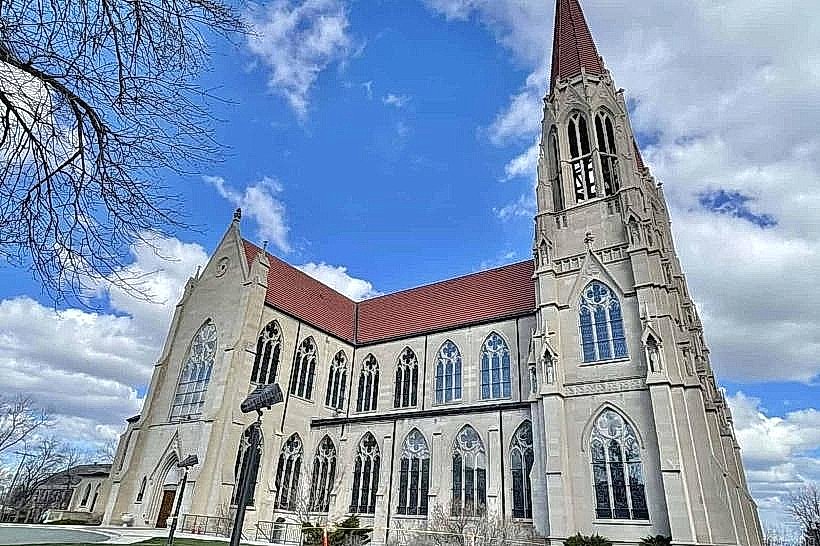
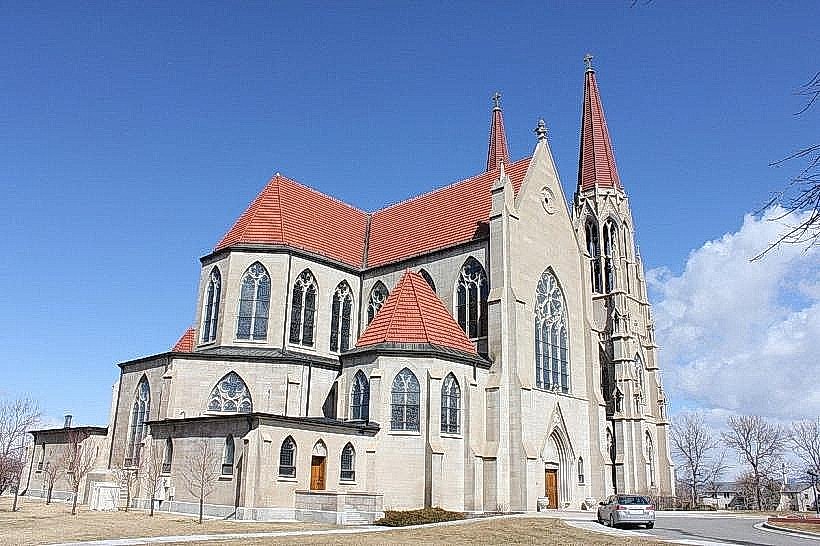
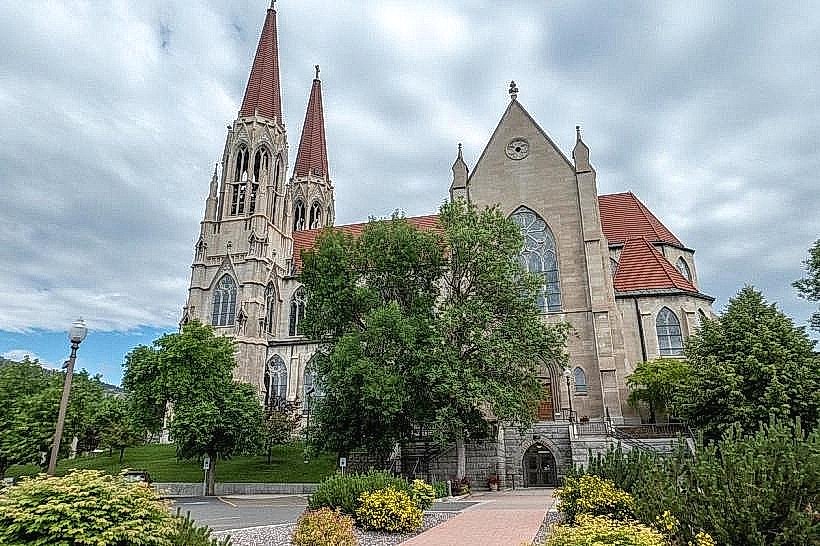
- Cathedral of Saint Helena (0.6km South)
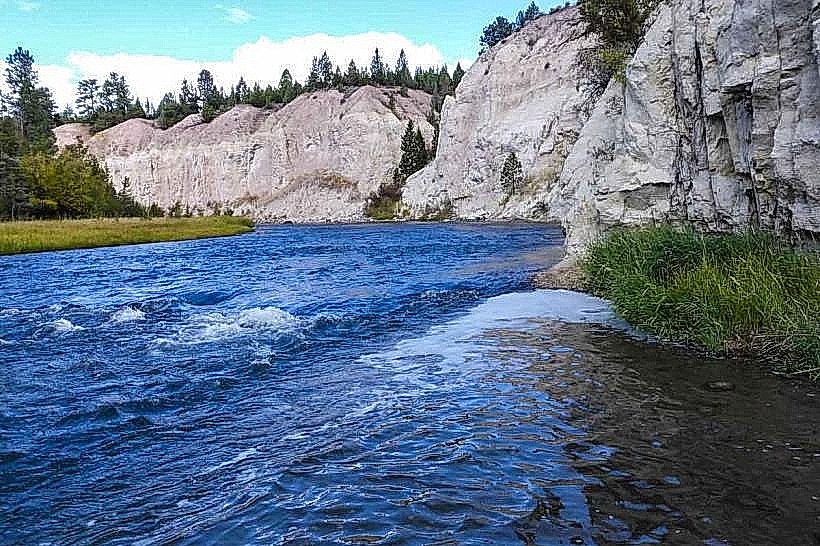
- Recreational facilities along the Prickly Pear Creek (1.5km West)