Information
Landmark: Cathedral of St. HelenaCity: Helena
Country: USA Montana
Continent: North America
Cathedral of St. Helena, Helena, USA Montana, North America
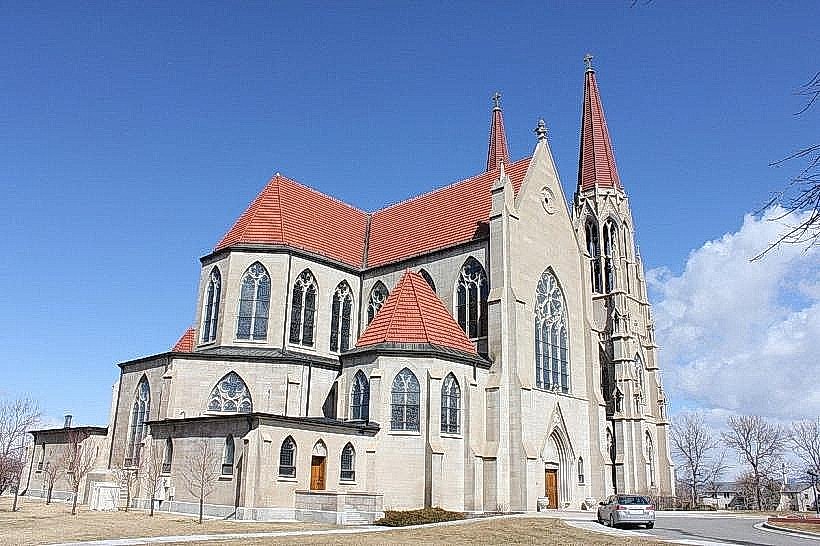
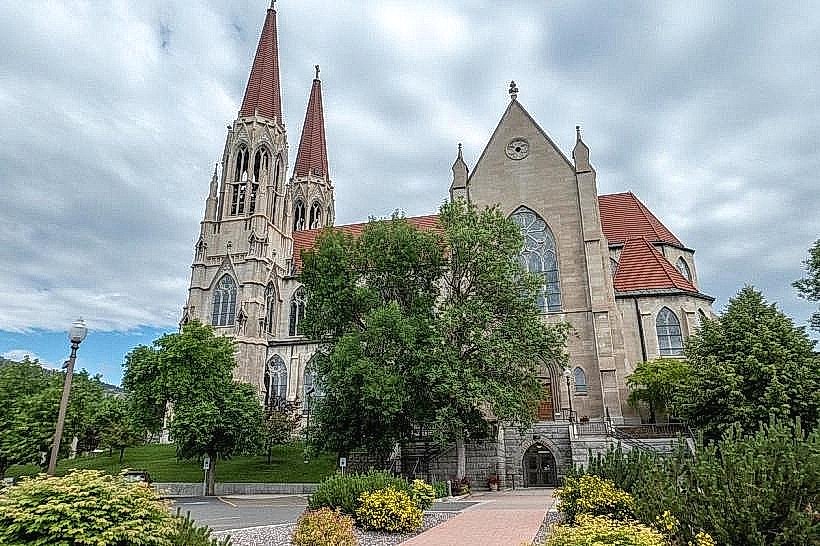
The Cathedral of St. Helena is a Roman Catholic cathedral located in Helena, Montana, USA. It serves as the seat of the Roman Catholic Diocese of Helena.
Visual Characteristics
The cathedral is constructed primarily of Indiana limestone. It features a Gothic Revival architectural style, characterized by twin spires reaching a height of 232 feet, a cruciform plan, and extensive use of stained glass windows. The exterior is adorned with intricate carvings and gargoyles.
Location & Access Logistics
The cathedral is situated at 530 North Park Avenue in Helena, Montana. It is approximately 0.5 miles north of the downtown Helena business district. Ample street parking is available in the vicinity, and public bus routes serving the downtown area stop within a short walking distance.
Historical & Ecological Origin
Construction of the Cathedral of St. Helena began in 1908 and was completed in 1927. It was designed by architect Charles D. Maginnis. The original purpose was to serve as the principal church for the Catholic population of Montana and to be a prominent symbol of faith in the state.
Key Highlights & Activities
Visitors can observe the detailed stained glass windows, which depict various biblical scenes and historical figures. The interior features a large pipe organ and ornate altars. Self-guided tours of the main sanctuary are permitted during non-service hours.
Infrastructure & Amenities
Restrooms are available within the cathedral complex. Limited shaded areas are present on the grounds. Cell phone signal (4G/5G) is generally reliable in this urban location. Food vendors are not directly on-site but are available in the nearby downtown area.
Best Time to Visit
For optimal interior lighting and photography of the stained glass, visiting during midday hours when sunlight is strongest is recommended. The cathedral is accessible year-round, with no specific seasonal restrictions.
Facts & Legends
The cathedral's design was inspired by the Votive Church in Vienna, Austria. A local anecdote suggests that the construction was funded in part by donations from miners who struck it rich in the Montana gold fields.
Nearby Landmarks
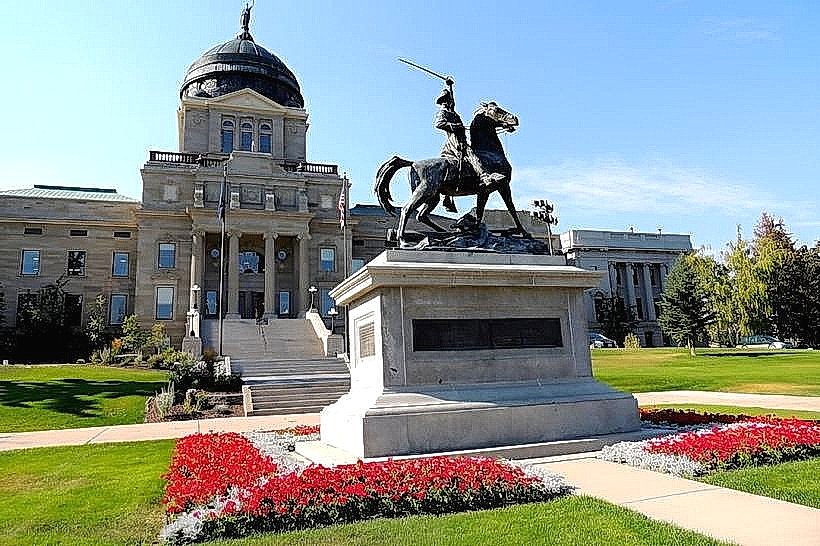
- Montana State Capitol Building (0.3km South)
- Montana Historical Society Museum (0.4km South)
- Helena Civic Center (0.6km Southwest)
- Recreational Area: Spring Meadow Lake State Park (4.5km West)