Information
City: La GraciosaCountry: Canary Islands
Continent: Europe
La Graciosa, Canary Islands, Europe
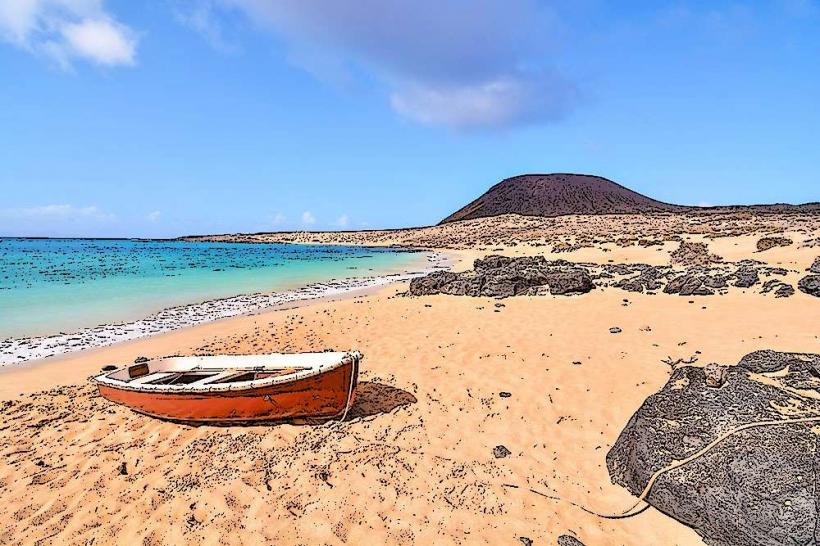
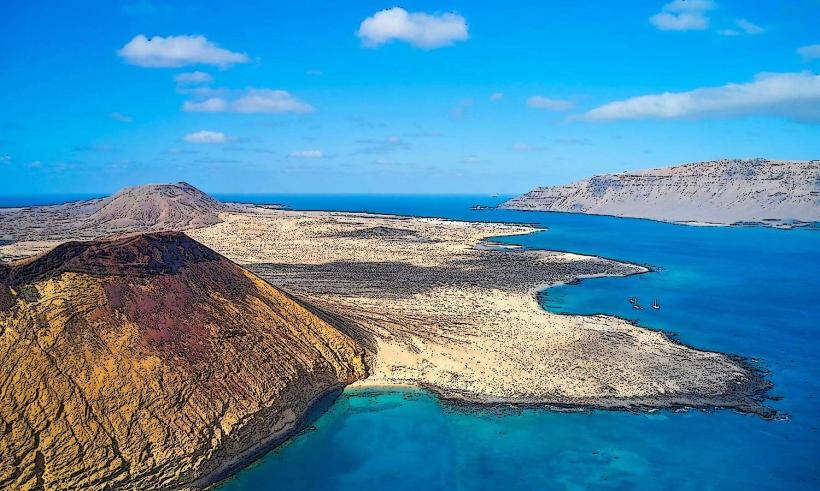
La Graciosa is the eighth inhabited Canary Island, located 2 km north of Lanzarote across the El Río strait. It is the largest island within the Chinijo Archipelago Natural Park and is characterized by its absence of asphalt roads, vast sand dunes, and volcanic cones.
Historical Timeline
The island was uninhabited until the late 19th century. In 1876, a fish-salting factory was established, leading to the permanent settlement of Caleta del Sebo. For decades, the population lived in extreme isolation, relying entirely on artisanal fishing. La Graciosa was officially recognized as the eighth Canary Island by the Spanish Senate in 2018, following a successful local petition.
Demographics & Population
The population is approximately 730 residents. Almost all inhabitants live in Caleta del Sebo, with a tiny handful residing in the summer hamlet of Pedro Barba. The demographic is primarily local families with ancestral ties to the fishing industry and a small number of tourism-related workers.
Urban Layout & Key Districts
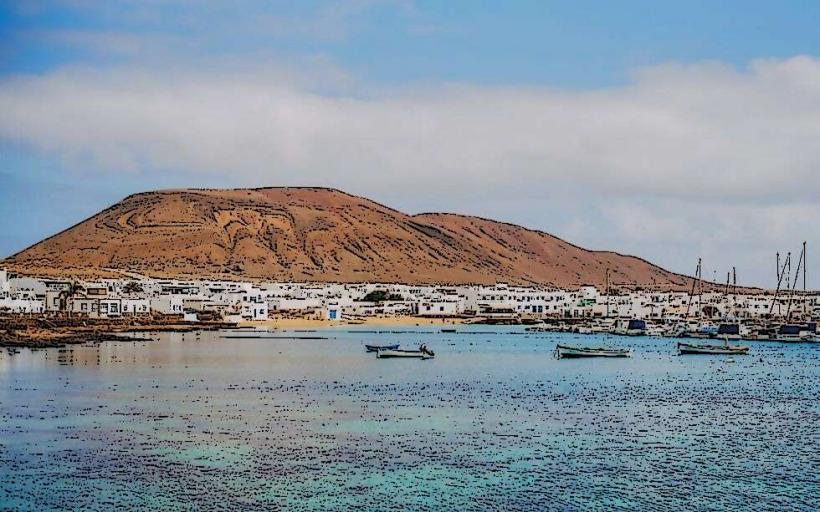
Caleta del Sebo: The main port and only service hub. It features unpaved sandy streets, white-washed houses with blue or green trim, and the island’s only shops, restaurants, and medical center.
Pedro Barba: A tranquil, high-end residential estate on the northeast coast. It lacks commercial services and is used primarily as a holiday retreat.
Top Landmarks
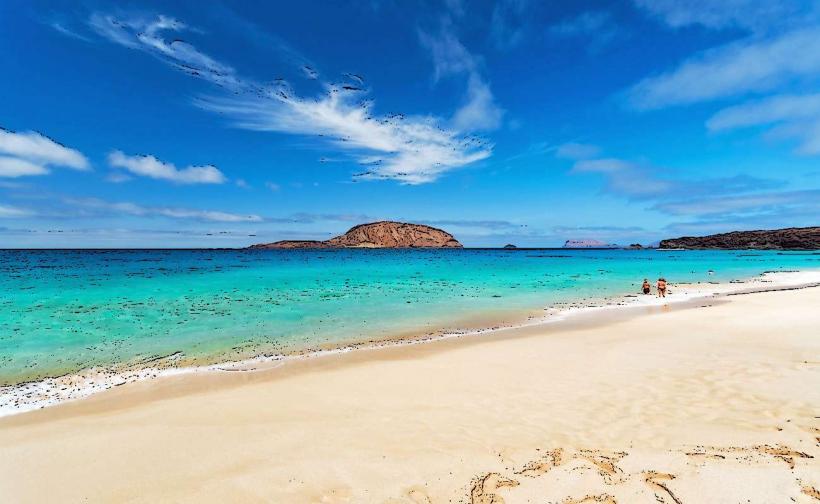
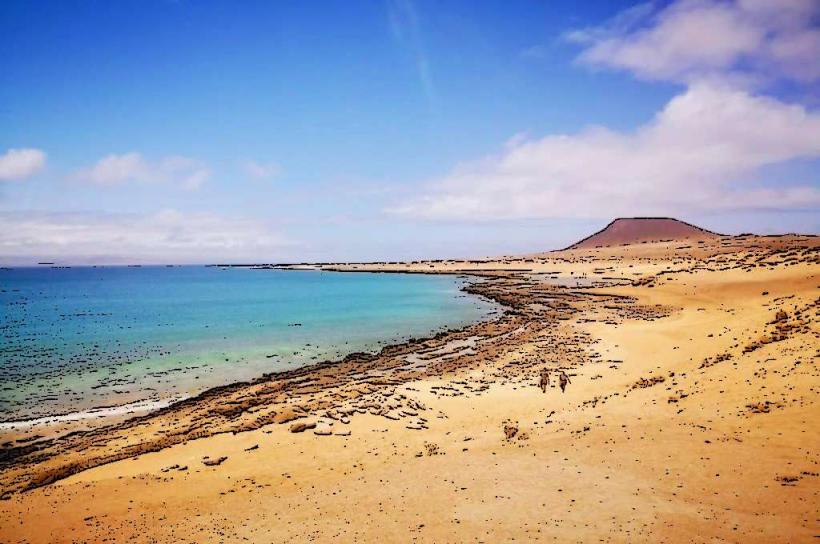
Playa de las Conchas: A spectacular beach in the northwest with pale sand and turquoise water, set against the red backdrop of Montaña Bermeja.
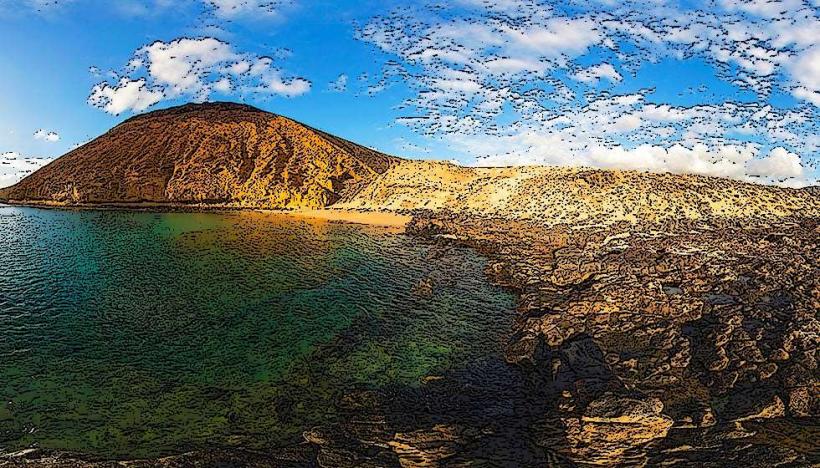
Montaña Amarilla: A distinct yellow volcanic cone in the south, accessible via a coastal hiking trail.
Playa de la Cocina: A sheltered cove at the base of Montaña Amarilla, offering calm waters for swimming.
El Salado, La Francesa, and Montaña Amarilla: A string of pristine beaches on the southern coast facing the cliffs of Famara (Lanzarote).
Transportation Network
Sea: Access is exclusively via ferry from Órzola (Lanzarote). The crossing takes approximately 25–30 minutes.
Internal: Motor vehicles are strictly regulated and limited to a few licensed 4x4 taxis.
Bicycles: The primary mode of transport for visitors. Several rental shops operate in Caleta del Sebo.
Walking: The island is traversable on foot; a hike to the northern beaches takes approximately 45–60 minutes from the port.
Safety & "Red Zones"
Crime is virtually non-existent. Safety concerns are environmental:
Swimming: Playa de las Conchas is extremely dangerous due to strong Atlantic currents and powerful breaking waves; swimming is not advised.
Exposure: There is zero natural shade on the island. Heatstroke and severe dehydration are risks for unprepared hikers.
Footwear: Sand can become extremely hot; sturdy footwear is required for volcanic trails.
Digital & Financial Infrastructure
High-speed fiber-optic internet is available in Caleta del Sebo. Mobile 4G/5G coverage is reliable across most of the island. There is one ATM in the port area, but it can occasionally run out of cash; card acceptance is standard in restaurants and shops.
Climate & Air Quality
Climate: Arid and windy. It receives very little rainfall. Temperatures are slightly more moderate than Lanzarote due to the surrounding ocean.
Air Quality: Exceptional. The absence of paved roads and combustion-engine traffic (aside from limited 4x4s) results in some of the cleanest air in the archipelago.
Culture & Social Norms
The atmosphere is exceptionally quiet and focused on nature conservation.
Sustainability: Visitors are expected to carry out all trash. Camping is strictly prohibited outside of the designated (and highly regulated) campsite.
Pace: Life follows the rhythm of the ferry arrivals and the tides.
Accommodation Zones
Caleta del Sebo: The only location for apartments, pensions, and the island's authorized campsite.
Local Cost Index
1 Espresso: €1.50 ($1.65)
1 Standard Lunch (Fresh Fish): €18.00 ($19.80)
1 Bicycle Rental (Full Day): €10.00–€15.00 ($11–$16.50)
Nearby Day Trips
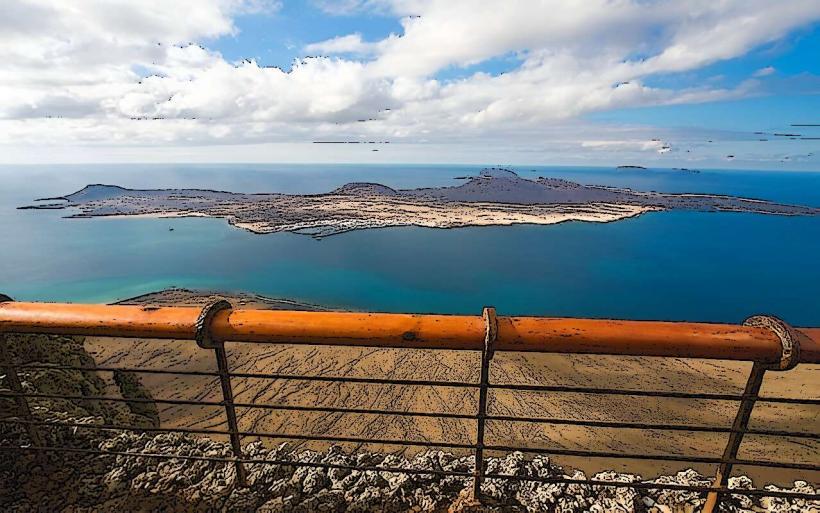
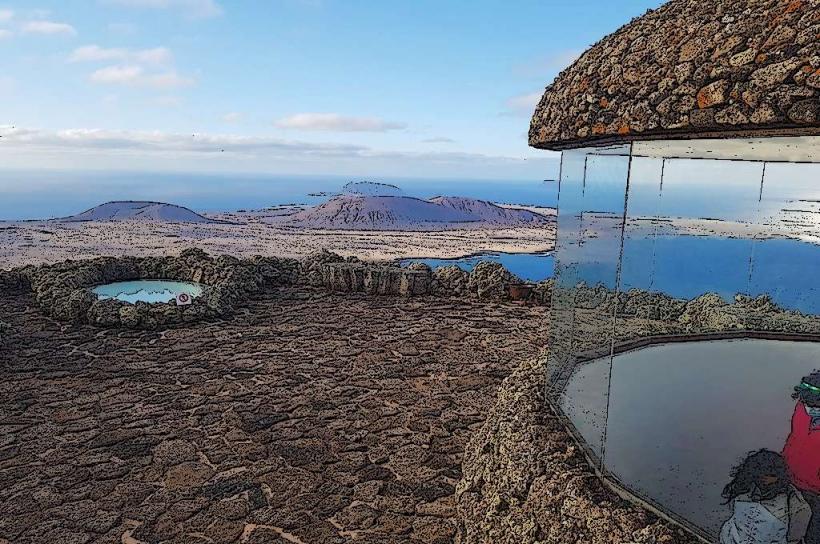
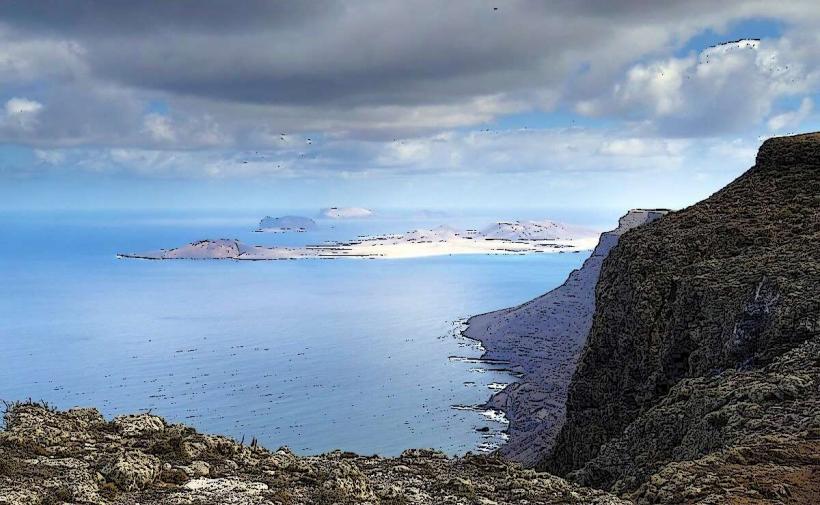
Lanzarote: The Mirador del Río offers the most famous aerial view of La Graciosa.
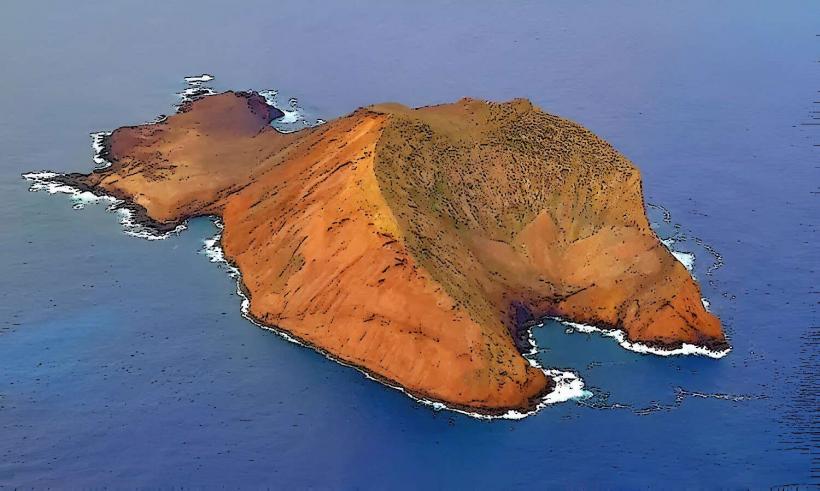
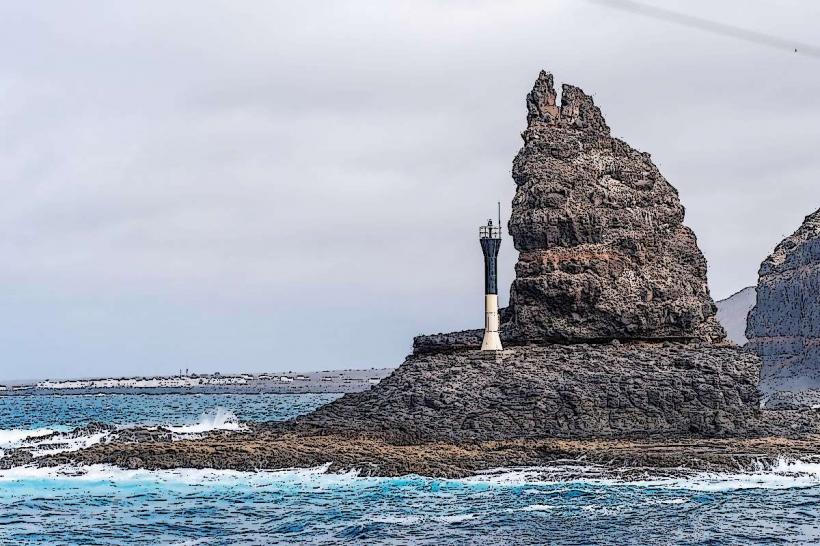
Chinijo Archipelago: Boat excursions can take visitors near the uninhabited islets of Alegranza, Montaña Clara, and the Roques.
Facts & Legends
A verified historical oddity is that La Graciosa is the only inhabited island in Europe with no asphalt roads. Local legend suggests that the British novelist Robert Louis Stevenson used the Chinijo Archipelago as inspiration for Treasure Island, specifically referencing the rumored buried treasures of pirates who used the hidden coves of La Graciosa as a base.