Information
Landmark: Isla Graciosa Marine ReserveCity: La Graciosa
Country: Canary Islands
Continent: Europe
Isla Graciosa Marine Reserve, La Graciosa, Canary Islands, Europe
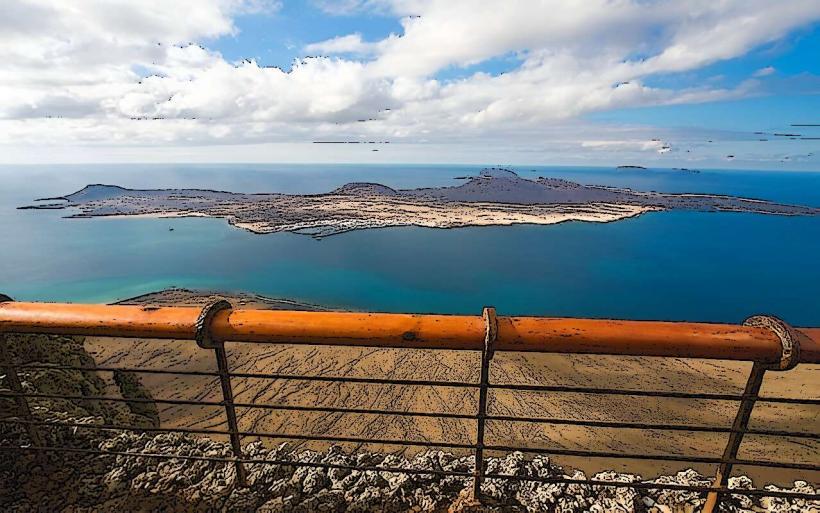
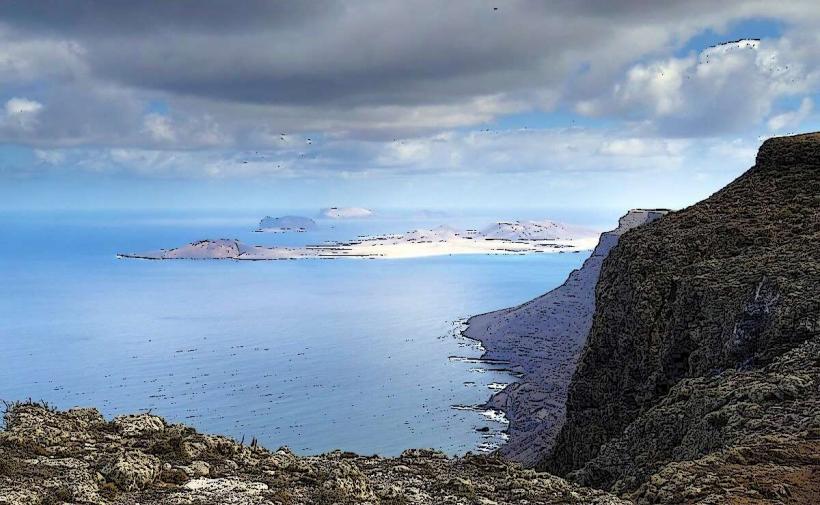
The Isla Graciosa Marine Reserve is a protected marine area surrounding the island of La Graciosa, located north of Lanzarote in the Canary Islands.
Visual Characteristics
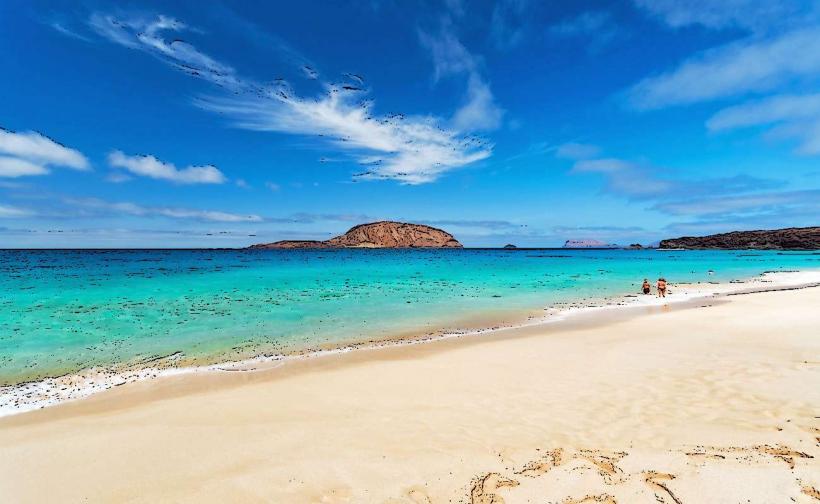
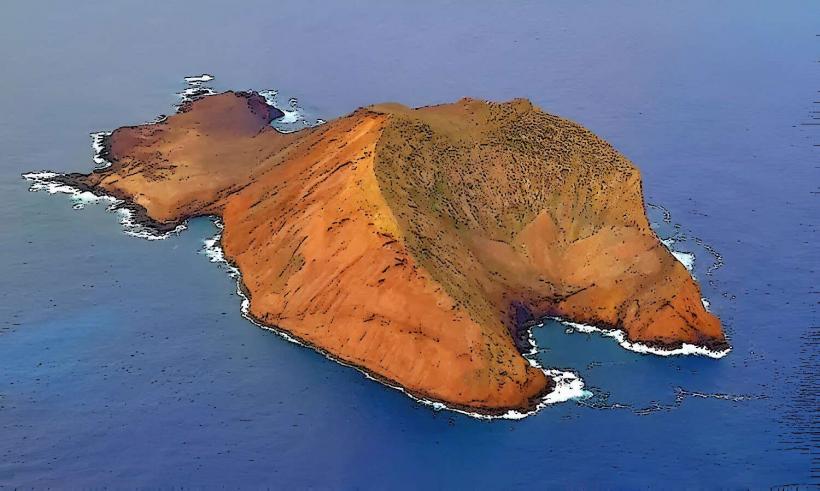
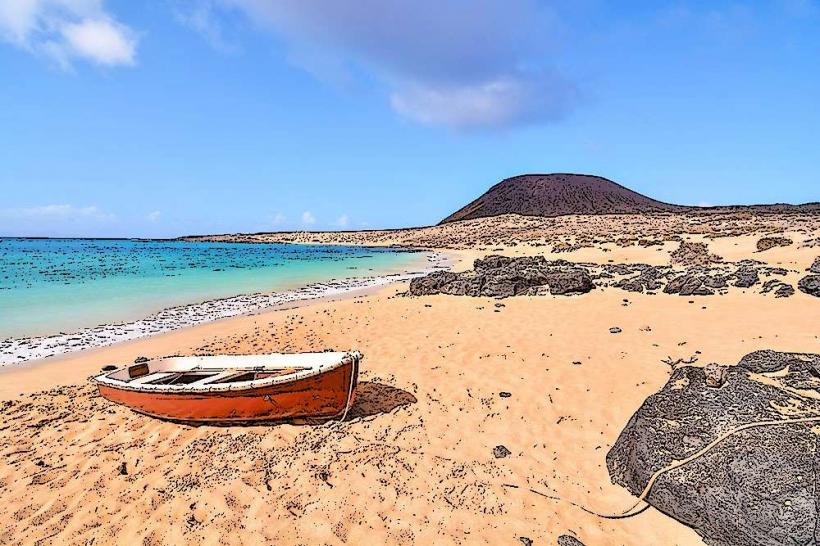
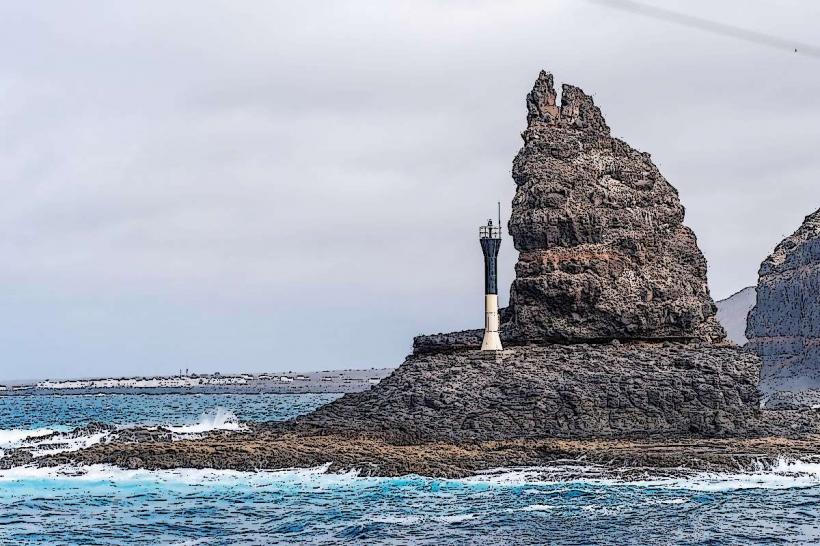
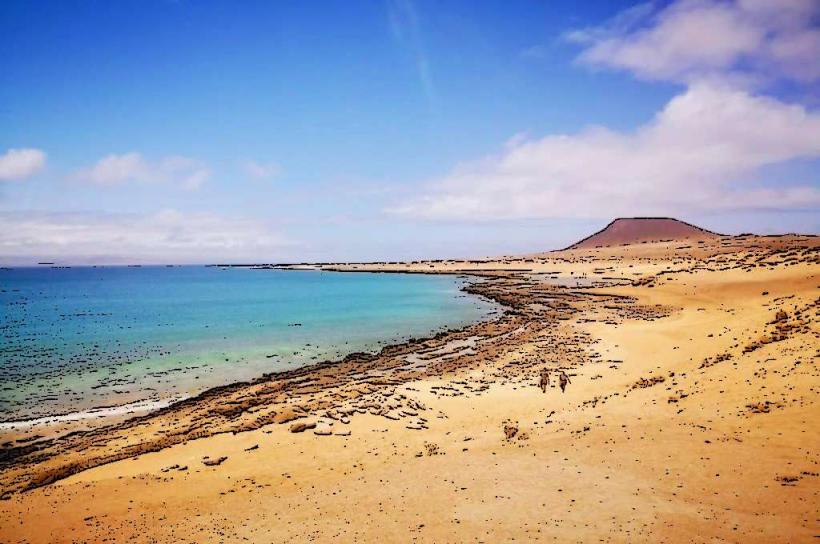
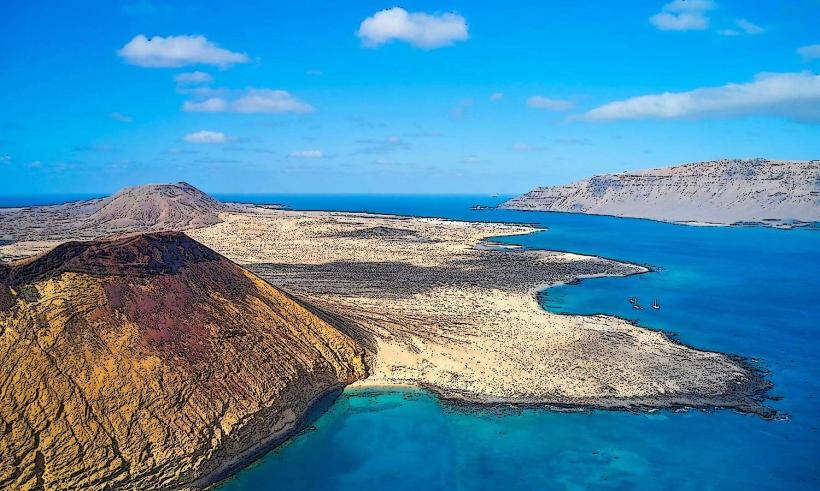
The reserve features clear Atlantic waters, with visibility often exceeding 20 meters. The seabed consists of volcanic rock formations, sandy patches, and seagrass meadows. The coastline of La Graciosa within the reserve is characterized by golden sand beaches, volcanic cliffs, and dunes.
Location & Access Logistics
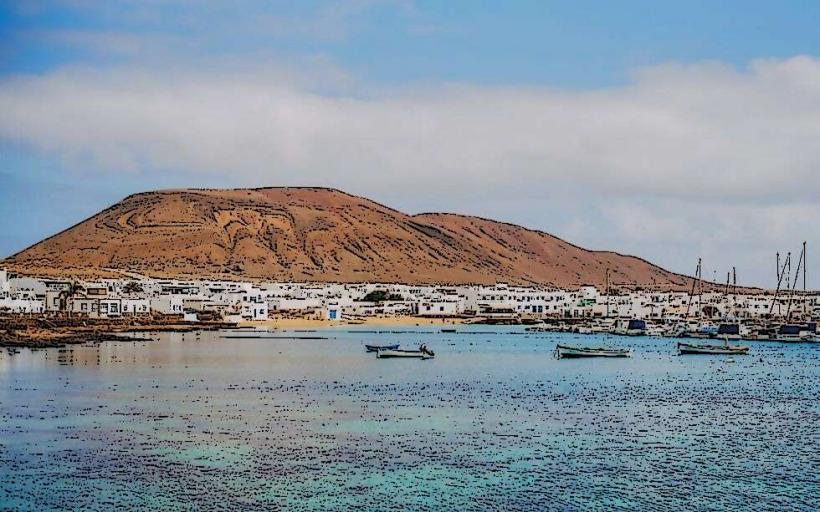
Access to La Graciosa is primarily by ferry from Órzola, Lanzarote, a 25-minute journey. Parking is available at the Órzola ferry terminal. The marine reserve encircles the entire island, accessible from its coastline or by boat. On La Graciosa, movement is restricted to walking, cycling, or authorized taxi-jeeps; private vehicles are prohibited. The main village, Caleta de Sebo, serves as the primary point of entry and departure.
Historical & Ecological Origin
Established in 1995, the Isla Graciosa Marine Reserve is Europe's largest marine protected area, covering approximately 70,700 hectares. It is classified as a Special Area of Conservation (SAC) and a Special Protection Area (SPA) under the Natura 2000 network. The reserve protects a diverse Atlantic ecosystem, including significant populations of marine mammals, seabirds, and fish species, thriving in its volcanic underwater landscape.
Key Highlights & Activities
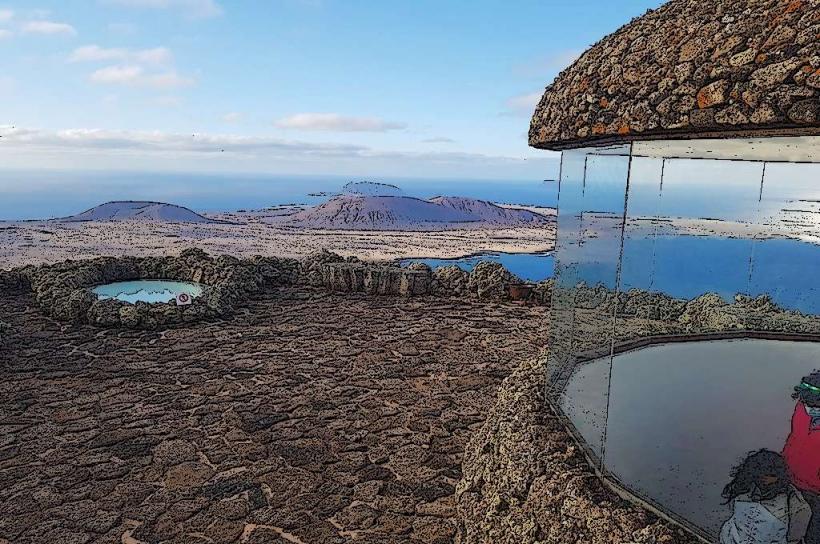
Snorkeling and diving are permitted in designated areas, offering encounters with groupers, barracudas, and angel sharks. Fishing is strictly regulated and requires a specific permit from the Canary Islands Government. Boat excursions around the island provide views of the coastline and access to remote coves. Hiking and cycling trails on La Graciosa offer panoramic views of the reserve from elevated points.
Infrastructure & Amenities
Basic amenities are available in Caleta de Sebo, the main village on La Graciosa, including restrooms, small shops, and restaurants. Cell phone signal (4G) is generally available in and around Caleta de Sebo and along some coastal areas. Shade is limited outside the village, particularly on beaches and trails. There are no dedicated facilities within the marine reserve itself, only on the island.
Best Time to Visit
The best time to visit for marine activities is from May to October, when water temperatures are warmer (20-24°C) and sea conditions are calmer. Visibility for diving is generally excellent year-round. Early mornings offer the calmest sea conditions for boat trips and optimal light for coastal photography. Low tide can expose tidal pools along certain shorelines.
Facts & Legends
The reserve is home to the largest population of the critically endangered Canary Islands giant limpet (Patella candei). A verified historical oddity is that La Graciosa was the last inhabited island in the Canary Islands to gain paved roads, with most streets remaining unpaved sand tracks.
Nearby Landmarks
- Playa de las Conchas: 3km Northwest
- Montaña Amarilla: 2km Southwest
- Playa Francesa: 1.5km South
- Pedro Barba (historic settlement): 5km Northeast