Information
Landmark: La Graciosa Natural ParkCity: La Graciosa
Country: Canary Islands
Continent: Europe
La Graciosa Natural Park, La Graciosa, Canary Islands, Europe
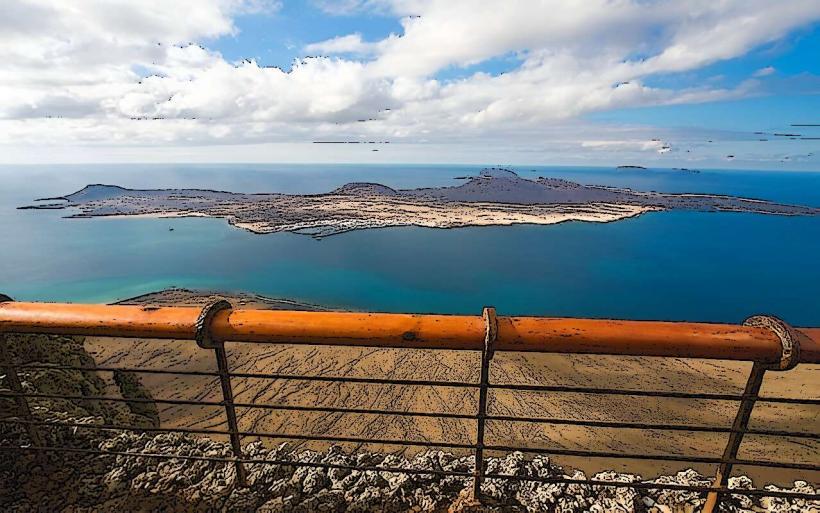
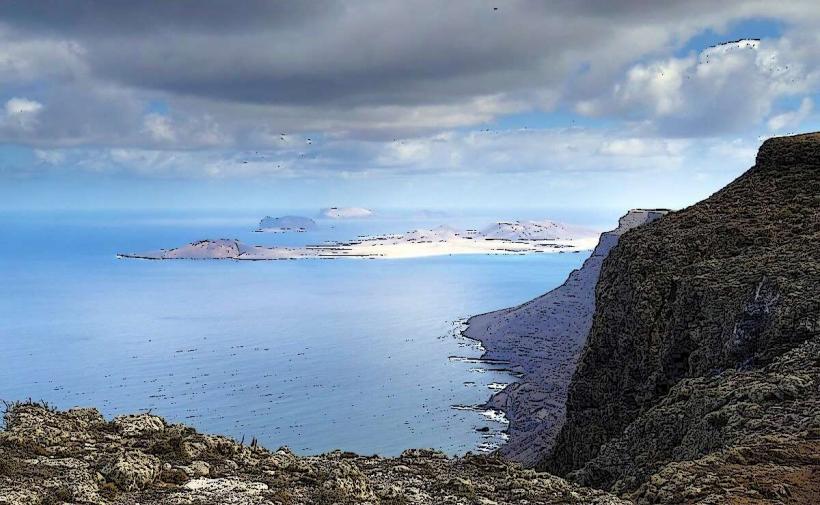
La Graciosa Natural Park encompasses the entire island of La Graciosa, located north of Lanzarote in the Canary Islands archipelago. It is a protected area known for its volcanic landscapes and pristine coastline.
Visual Characteristics
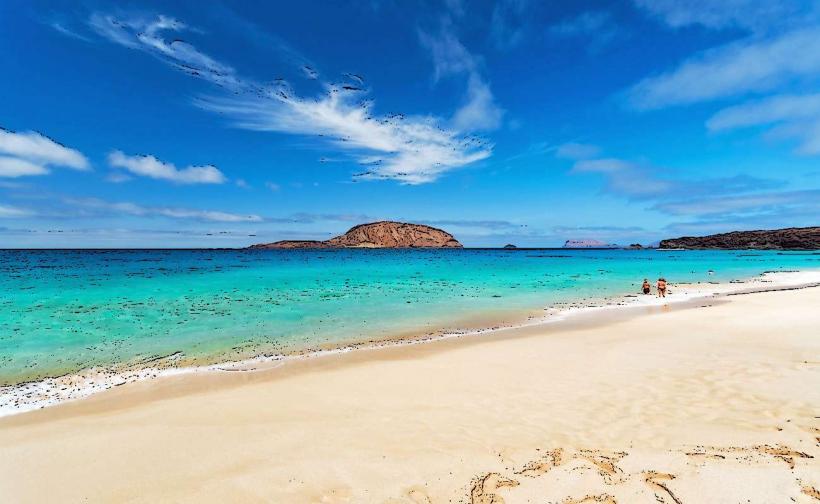
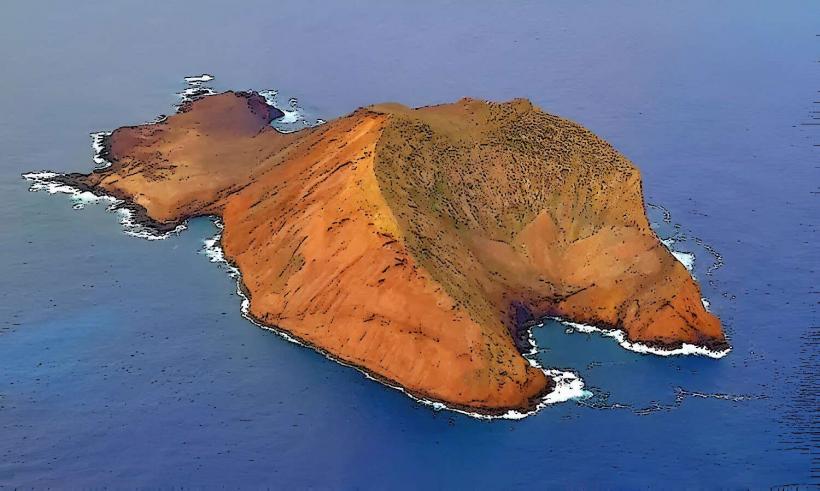
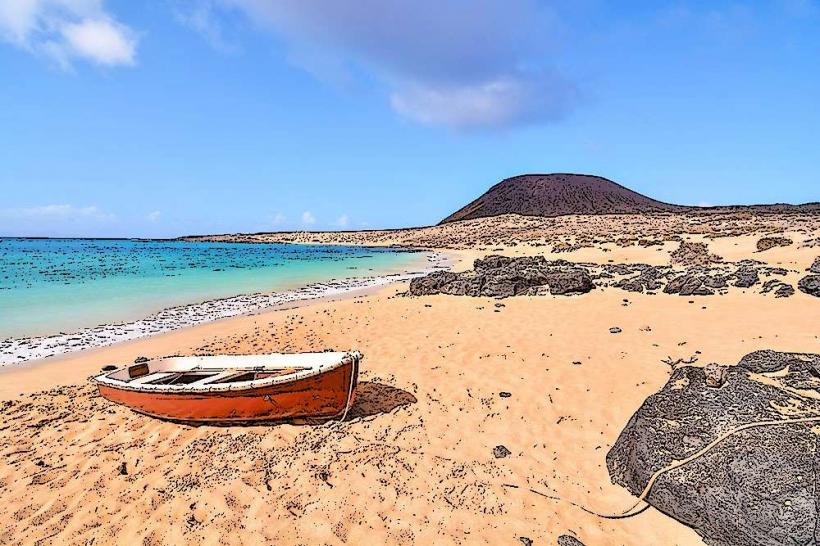
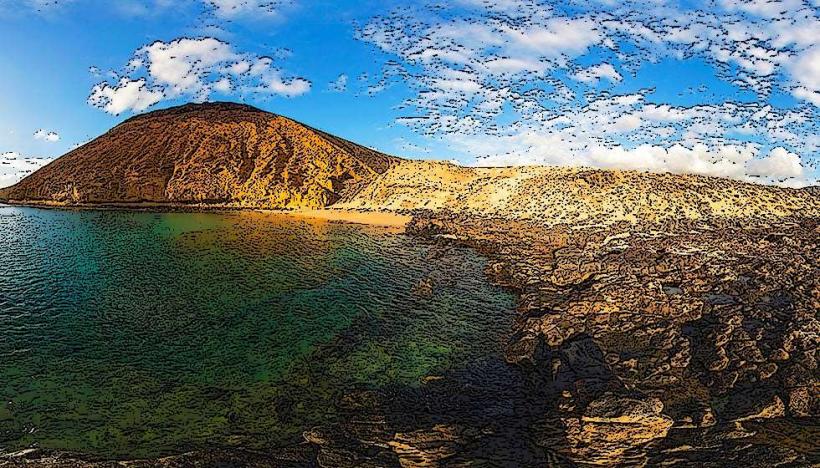
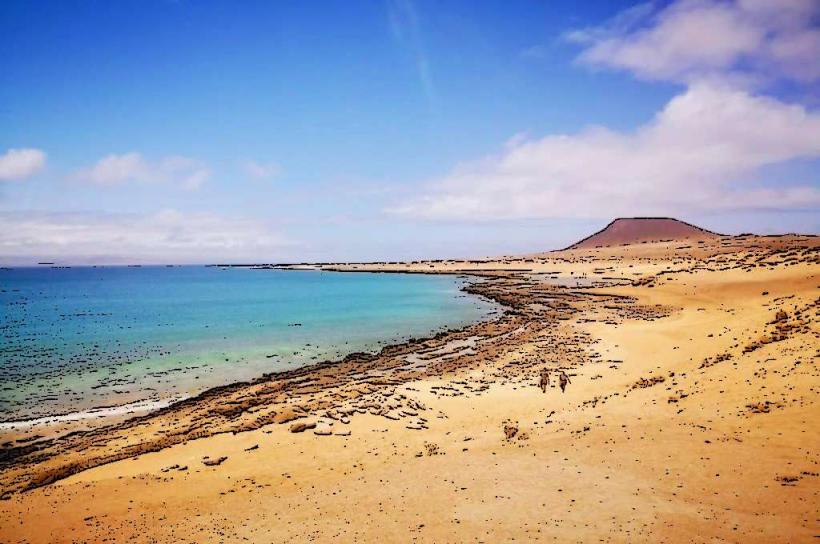
The park features a landscape dominated by volcanic cones and extensive stretches of white and golden sand beaches. The terrain is generally flat with several prominent volcanic structures, such as Montaña Amarilla, which displays distinct yellow and reddish hues. Vegetation is sparse, consisting primarily of low-lying scrub adapted to arid conditions. Coastal waters are typically clear, exhibiting shades of turquoise and deep blue.
Location & Access Logistics
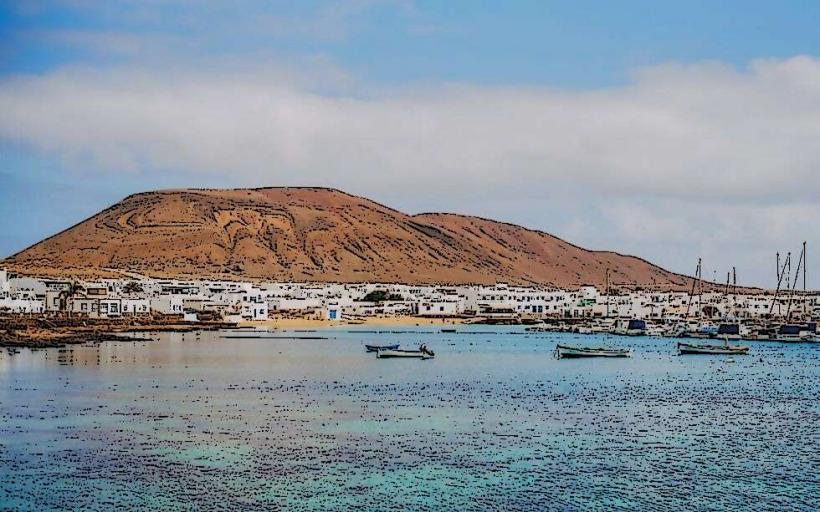
La Graciosa Natural Park is accessed exclusively by ferry from Orzola, a port village on the northern tip of Lanzarote. Ferries arrive at Caleta de Sebo, the island's only settlement. The journey takes approximately 25-30 minutes. There are no paved roads on La Graciosa; access within the park is via unpaved tracks suitable for walking or cycling. Limited authorized 4x4 taxi services operate from Caleta de Sebo to various beaches. Private vehicles are not permitted on the island.
Historical & Ecological Origin
The park's geological origin is volcanic, formed through successive eruptions that created the island of La Graciosa. It is part of the larger Chinijo Archipelago Natural Park, established in 1986, which is the largest marine reserve in Europe. The area is ecologically classified as a Special Protection Area for Birds (SPA) and a Site of Community Importance (SCI) due to its significant biodiversity, particularly marine life and migratory bird species.
Key Highlights & Activities
Visitors can engage in cycling along designated dirt tracks to beaches like Playa de las Conchas and Playa de la Cocina. Hiking trails lead to viewpoints such as the summit of Montaña Amarilla. Swimming and snorkeling are popular activities in the calm, clear waters. Fishing is permitted in specific zones with appropriate licenses. Boat tours around the island are also available from Caleta de Sebo.
Infrastructure & Amenities
The village of Caleta de Sebo provides the primary infrastructure, including several restaurants, small supermarkets, and guesthouses. Public restrooms are available within Caleta de Sebo, but are scarce elsewhere in the park. Cell phone signal (4G/5G) is generally reliable in Caleta de Sebo and along major tracks. Natural shade is minimal across the island, particularly on beaches. Water refilling stations are limited to the village.
Best Time to Visit
The best time to visit is during the spring (April-May) and autumn (September-October) months, when temperatures are mild and winds are generally lighter. Early mornings are ideal for photography, particularly capturing the sunrise over the volcanic landscapes and the calm sea. High tide can enhance swimming conditions at certain beaches, while low tide may expose tidal pools for exploration.
Facts & Legends
La Graciosa is notable for being the only Canary Island without paved roads, maintaining a unique, undeveloped character. It is also the least populated of the main Canary Islands. A local legend suggests that the island's distinctive yellow mountain, Montaña Amarilla, glows with a golden light at sunset due to ancient volcanic spirits residing within its core.
Nearby Landmarks
- Playa de las Conchas: 5km Northwest
- Montaña Amarilla: 3km Southwest
- Playa de la Cocina: 4km Southwest
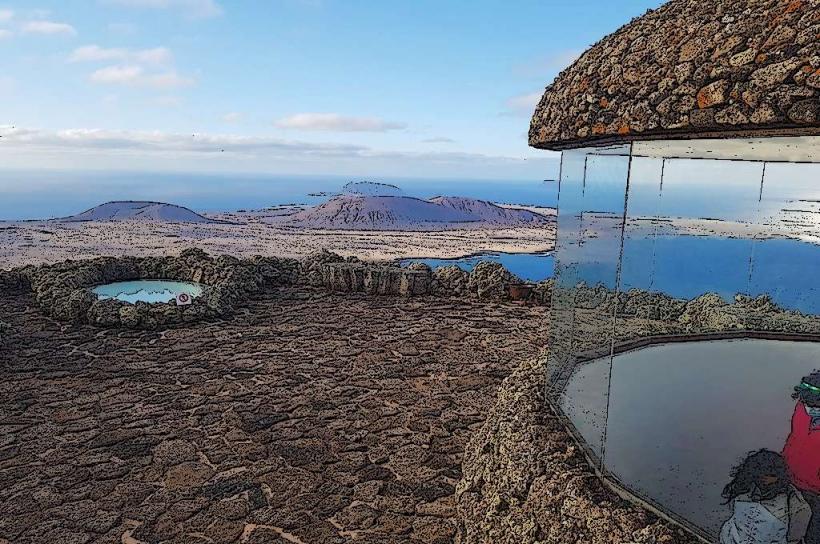
- Mirador del Río (Lanzarote): 10km South (across the strait)
- Chinijo Archipelago Marine Reserve: Surrounds the entire island