Information
Landmark: Playa de la FrancesaCity: La Graciosa
Country: Canary Islands
Continent: Europe
Playa de la Francesa, La Graciosa, Canary Islands, Europe
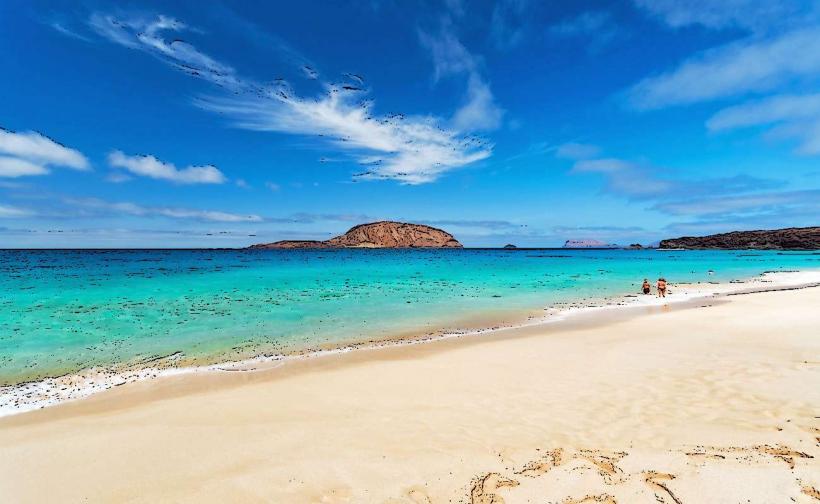
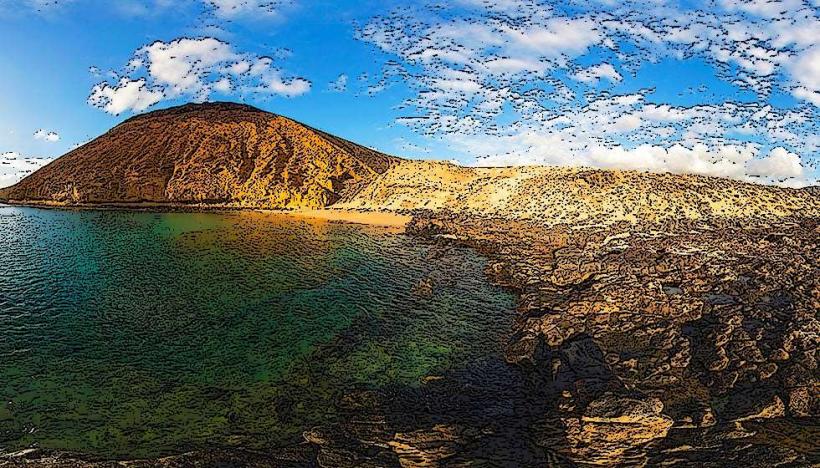
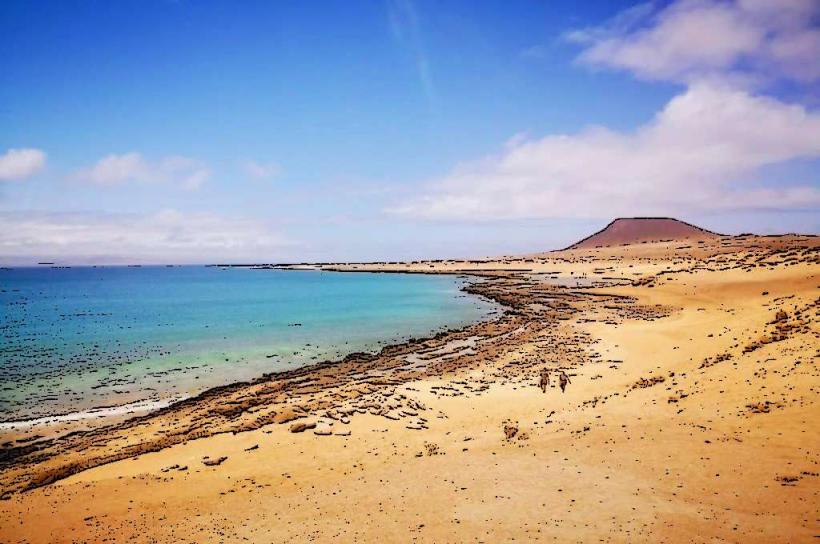
Playa de la Francesa is a crescent-shaped beach located on the southern coast of La Graciosa, Canary Islands. It is known for its calm, clear waters and white sand.
Visual Characteristics
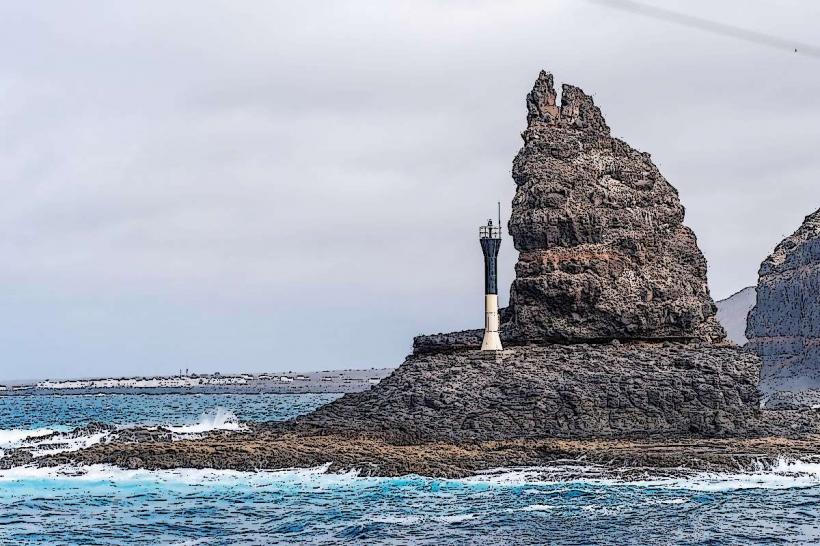
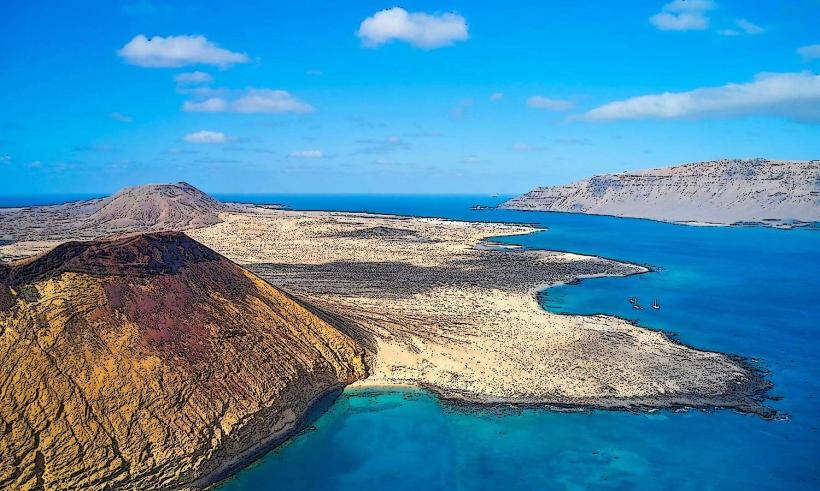
The beach features fine, white sand and clear, turquoise water. The bay is sheltered by a volcanic headland to the west and a smaller rocky outcrop to the east. The surrounding landscape consists of low-lying volcanic terrain with sparse coastal scrub vegetation.
Location & Access Logistics
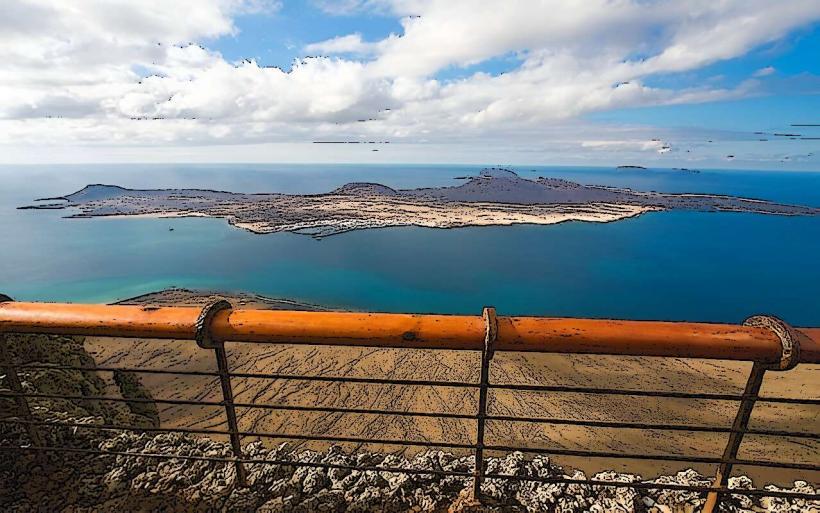
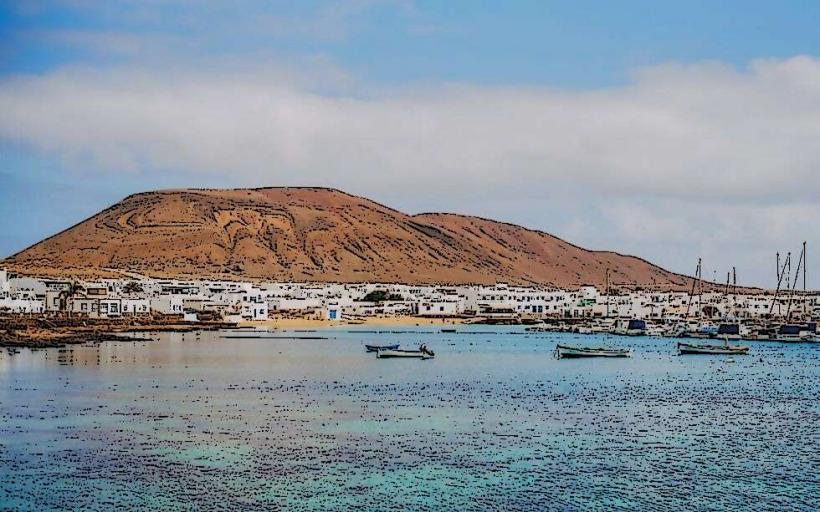
Playa de la Francesa is situated approximately 2km south of Caleta de Sebo, the main settlement on La Graciosa. Access is primarily by foot or bicycle via a dirt track that runs along the coast from Caleta de Sebo. There are no paved roads or designated parking areas; bicycles can be parked near the beach entrance. Water taxis from Caleta de Sebo port also provide direct access to the beach.
Historical & Ecological Origin
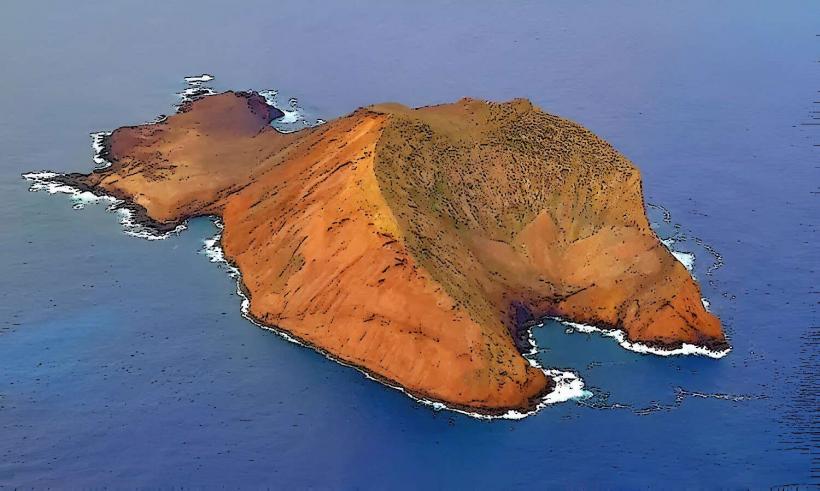
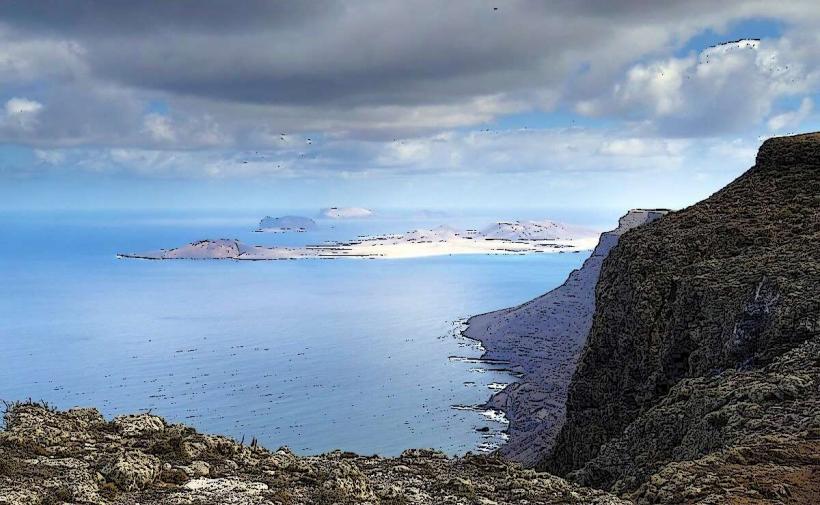
Playa de la Francesa is a natural beach formed by coastal erosion and sediment deposition within a volcanic bay. The surrounding landscape is characterized by ancient volcanic activity, typical of the Canary Islands archipelago, and is part of the Chinijo Archipelago Natural Park.
Key Highlights & Activities
Swimming in the sheltered bay is a primary activity. Snorkeling is possible in the clear waters, particularly near the rocky edges of the bay. Sunbathing is common on the expansive sandy area. Kayaking and paddleboarding are also popular activities, often accessed via water taxi services.
Infrastructure & Amenities
There are no permanent restrooms or dedicated shade structures on the beach. Cell phone signal (4G) is generally available but can be intermittent. There are no food vendors directly on the beach; visitors must bring their own provisions. Waste bins are not provided, requiring visitors to pack out all refuse.
Best Time to Visit
The beach is best visited during the morning hours for optimal sunlight and calmer conditions before the afternoon winds typically pick up. The months from May to October offer the warmest water temperatures and most consistent sunny weather. Access is not tide-dependent.
Facts & Legends
Local lore suggests the beach's name, 'Francesa' (Frenchwoman), originates from a historical shipwreck involving a French vessel in the vicinity, though specific records are scarce. A verified fact is that the beach is part of the Chinijo Archipelago Natural Park, Europe's largest marine reserve.
Nearby Landmarks
- Caleta de Sebo: 2km North
- Playa de la Cocina: 1.5km West
- Montaña Amarilla: 1.8km West-Southwest
- Playa del Salado: 1km East