Information
City: MaafushiCountry: Maldives
Continent: Asia
Maafushi, Maldives, Asia
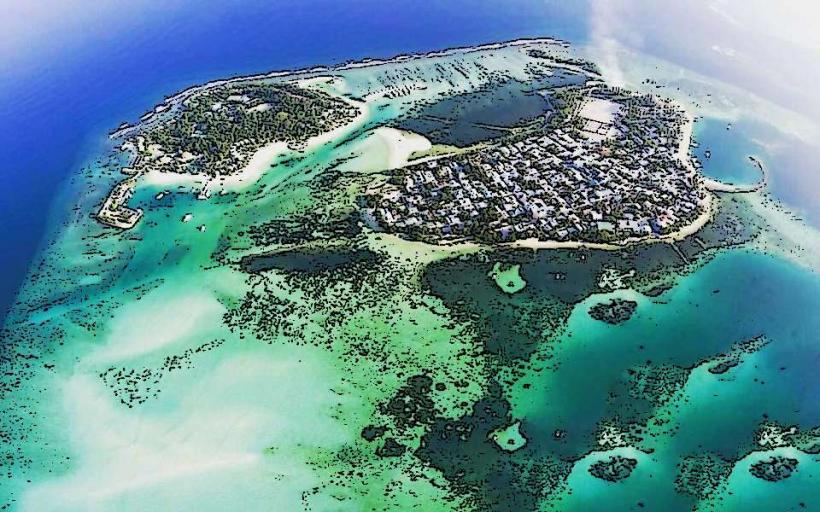
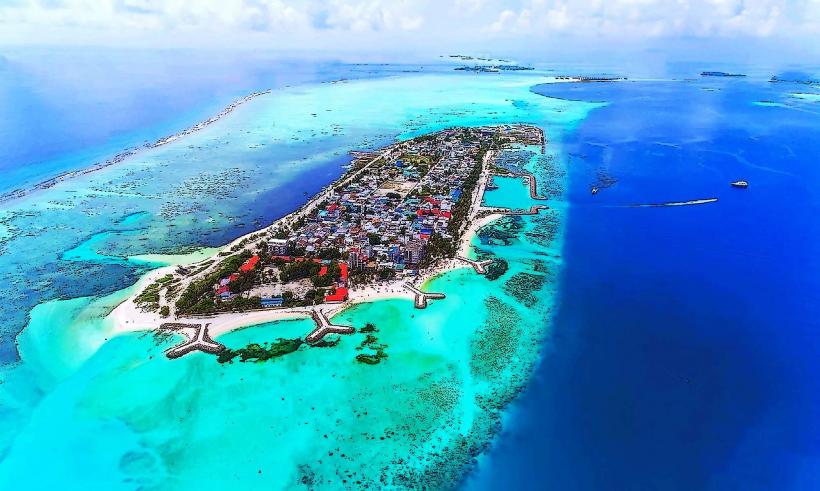
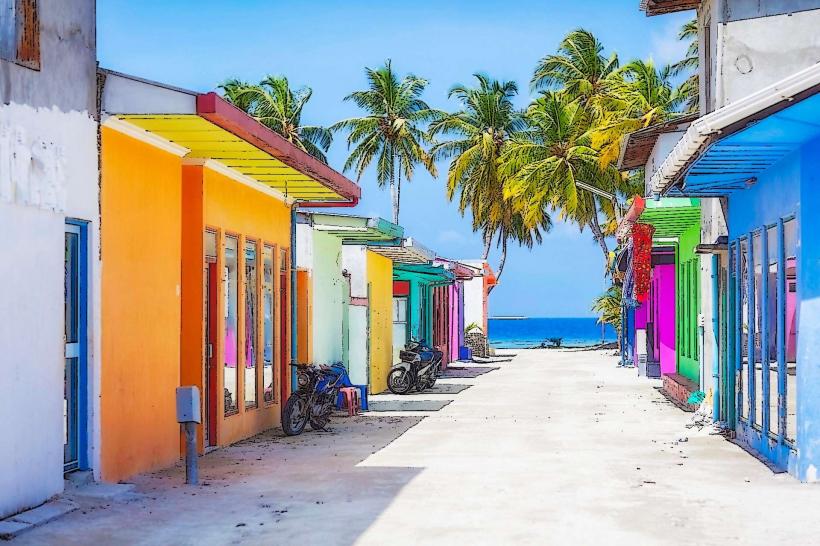
Maafushi is an inhabited island in the South Malé Atoll, Kaafu Division. It is the pioneer and hub of "local tourism" in the Maldives, characterized by a high density of guesthouses and a bustling, commercial atmosphere compared to the more secluded resort islands.
Historical Timeline
Historically a quiet fishing village, Maafushi was significantly affected by the 2004 Indian Ocean Tsunami, which inundated much of the island. In 2010, a change in Maldivian law permitted the opening of guesthouses on inhabited islands, and Maafushi became the first island to capitalize on this. Since then, it has transformed from a traditional community into the country's most successful budget-travel destination, leading to rapid infrastructure expansion and land reclamation.
Demographics & Population
The population is approximately 3,000, though this number fluctuates significantly with the influx of tourists and expatriate workers. The local population is Sunni Muslim. The workforce is highly diverse, including many people from neighboring South Asian countries employed in the hospitality and construction sectors.
Urban Layout & Key Districts
The island is approximately 1.2 km long and 0.25 km wide.
North Side: The tourist hub. This area contains the "Bikini Beach," the majority of multi-story hotels, dive centers, and souvenir shops.
Central Area: The residential heart, featuring local homes, the mosque, and community schools.
South Side: Dominated by the Maafushi Prison, the largest correctional facility in the Maldives. This area is strictly off-limits to tourists.
Top Landmarks
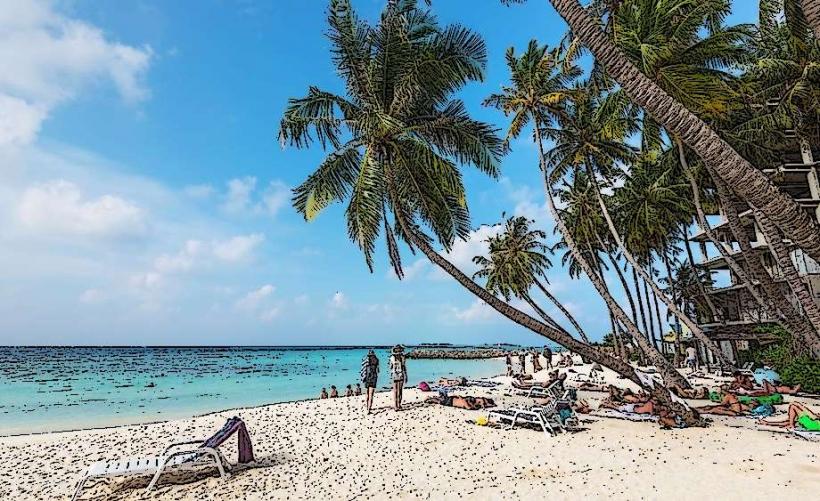
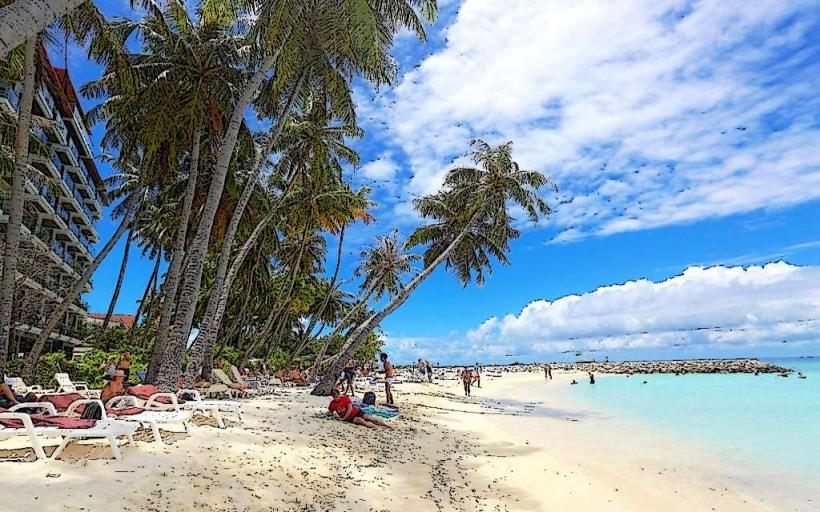
Bikini Beach: A designated, screened area where tourists are permitted to wear swimwear. It is the island's primary social center.
Maafushi Prison: A prominent, high-walled structure on the southern tip of the island.
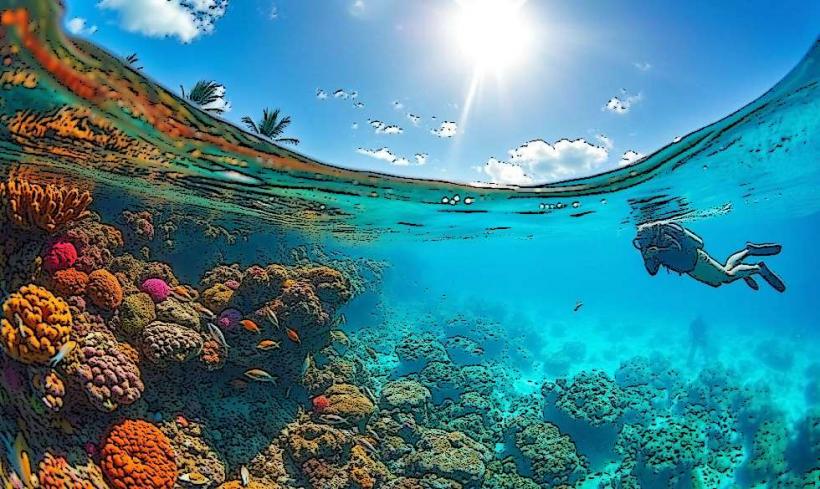
Coral Gardens: Nearby reef sites frequently visited by snorkelers to see sea turtles and reef sharks.
The Harbor: The active gateway where all speedboats and local ferries dock.
Transportation Network
Sea: Located 27 km south of Malé. Accessible via scheduled speedboat (approx. 30–45 mins) or the public ferry (approx. 90 mins) from the capital or the airport.
Internal: The island is entirely walkable. Most guesthouses provide bicycles, though the sandy streets are easily navigated on foot. No cars are permitted except for utility vehicles.
Safety & "Red Zones"
General Safety: Very high. Violent crime is virtually non-existent.
Restricted Zone: The southern prison area is clearly marked; do not attempt to enter or photograph the facility.
Marine Safety: Currents can be strong on the eastern side of the island. Always use life jackets for snorkeling excursions.
Digital & Financial Infrastructure
4G and 5G signals (Dhiraagu and Ooredoo) are strong. There is a Bank of Maldives branch and an ATM on the island. Credit cards are widely accepted in hotels and larger restaurants, though a 3%–4% surcharge is common.
Climate & Air Quality
Climate: Tropical. High humidity year-round. The dry season (Iruvai) runs from November to April.
Air Quality: Excellent, though localized dust can be present during ongoing construction projects.
Culture & Social Norms
Religion: Public practice of non-Islamic religions is illegal. Alcohol and pork are strictly prohibited on the island.
Floating Bars: To circumvent the alcohol ban, several "safari boats" anchor just outside the island’s lagoon, offering bar services and free ferry shuttles for tourists.
Dress Code: Modest dress (covering shoulders and knees) is required when walking through the residential and central parts of the island. Swimwear is restricted to the Bikini Beach.
Local Cost Index
1 Espresso: ~40 MVR ($2.60)
1 Buffet Dinner: ~150–250 MVR ($10.00–$16.00)
1 Speedboat to Malé: ~385 MVR ($25.00)
Nearby Day Trips
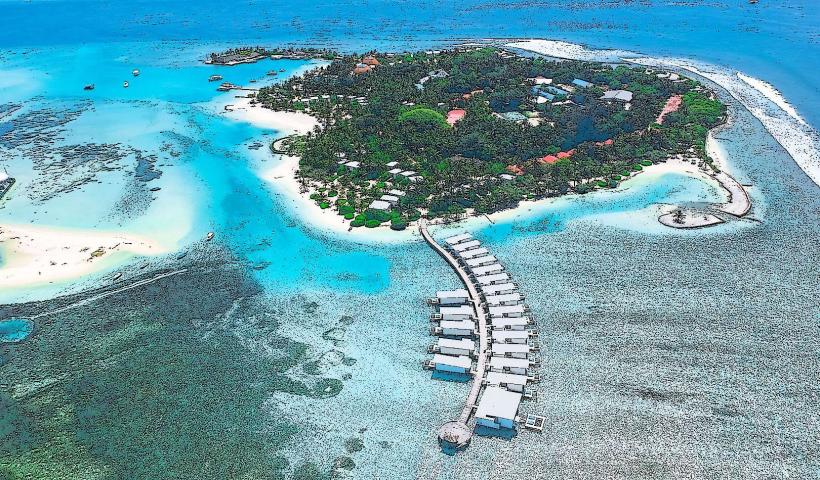
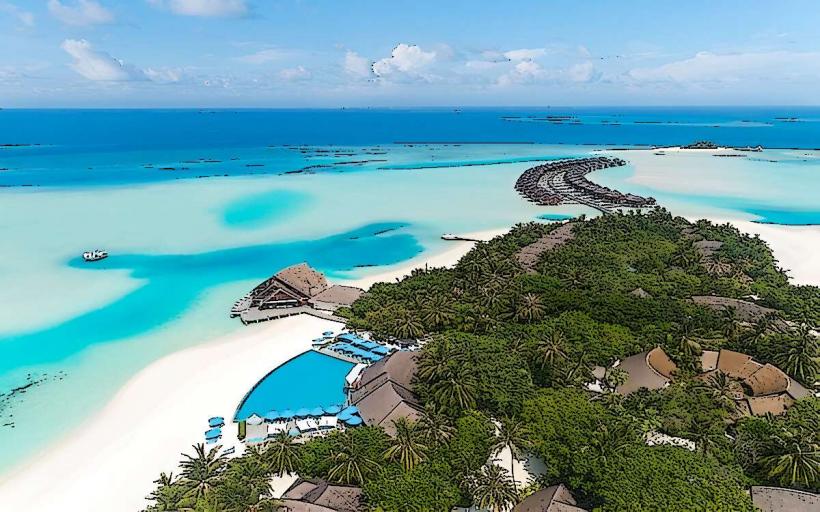
Resort Visits: Many hotels arrange day passes to nearby luxury resorts like Adaaran Prestige Vadoo or Anantara Dhigu.
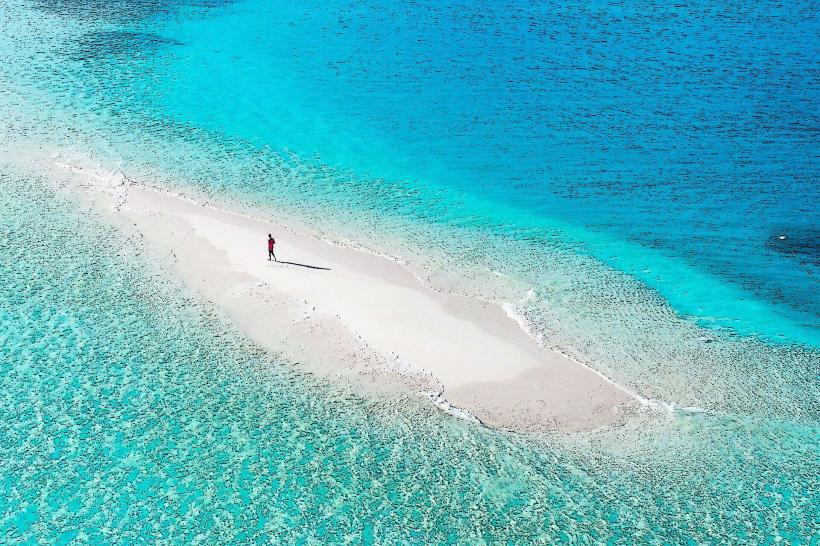
Sandbank Excursions: Short boat trips to uninhabited sandbanks for private sunbathing and snorkeling.
Dhigufinolhu: A nearby island known for shallow lagoons and windsurfing.
Facts & Legends
A verified historical oddity is that Maafushi's prison was originally located in Malé but moved to the island in the 1970s to isolate inmates from the capital. Local urban legend suggests the island’s name, which means "Big Island," was given by early settlers who were impressed by its length relative to the tiny sandbanks surrounding it.