Information
City: MilanCountry: Italy
Continent: Europe
Milan, Italy, Europe
Milan serves as the capital of the Lombardy region and is Italy’s primary financial, industrial, and fashion hub. It is situated in the central-western Po Valley.
Historical Timeline
Founded by Celts as Mediolanum around 600 BC, it was conquered by the Romans in 222 BC. It served as the capital of the Western Roman Empire from 286 to 402 AD. Governance eras include the Visconti and Sforza dynasties during the Renaissance and a period of Napoleonic rule. The city was heavily bombed during WWII but reconstructed rapidly, leading to the "Economic Miracle" of the 1950s-60s. Modern Milan is defined by its 2015 Expo legacy and its status as a global leader in high-end manufacturing and design.
Demographics & Population
As of 2026, the city population is approximately 1.4 million, with a metropolitan area exceeding 8 million. It has the highest international population in Italy (approx. 20%), with significant communities from Egypt, China, the Philippines, and Peru. The median age is 45.1 years.
Urban Layout & Key Districts
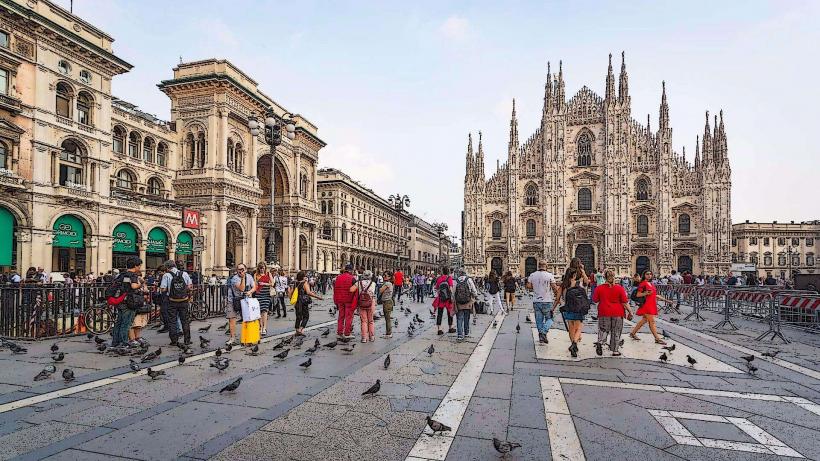
Centro Storico: The central core defined by the Duomo and luxury retail.
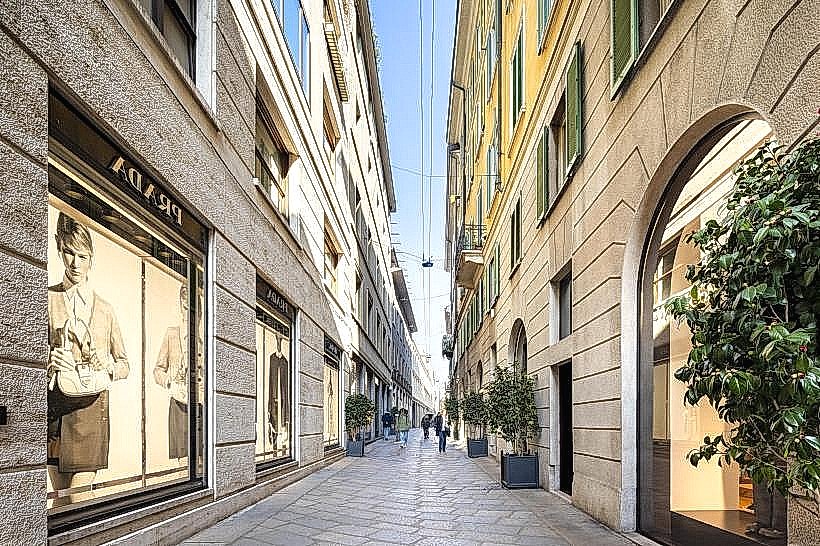
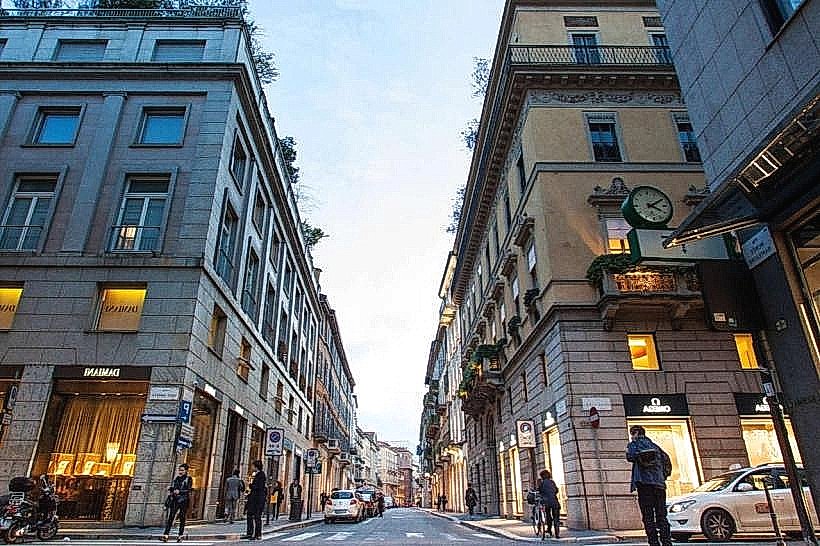
Quadrilatero della Moda: The world-famous high-fashion district centered on Via Montenapoleone.
Brera: A historic, artistic district known for galleries and upscale dining.
Navigli: A vibrant nightlife area centered around 12th-century canals.
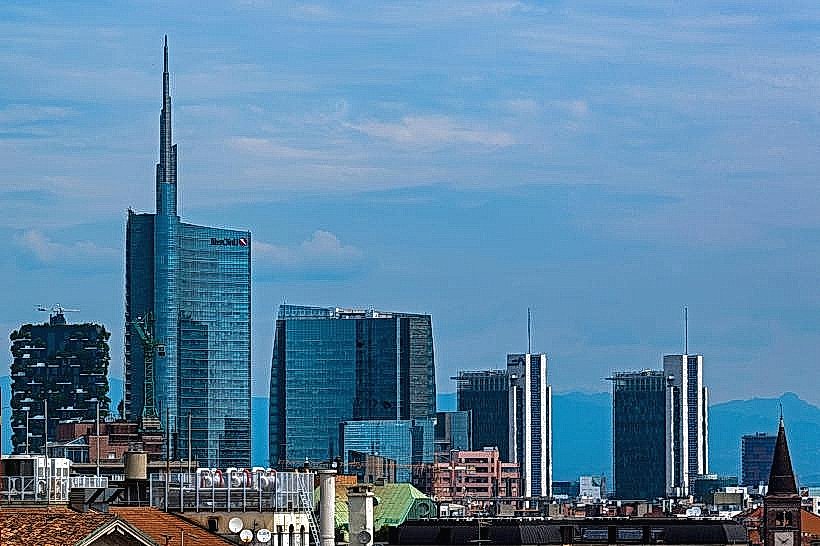
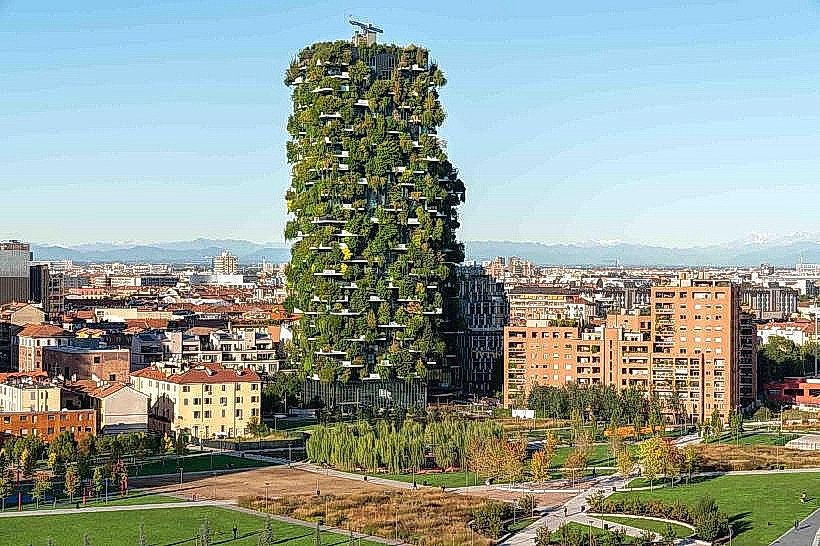
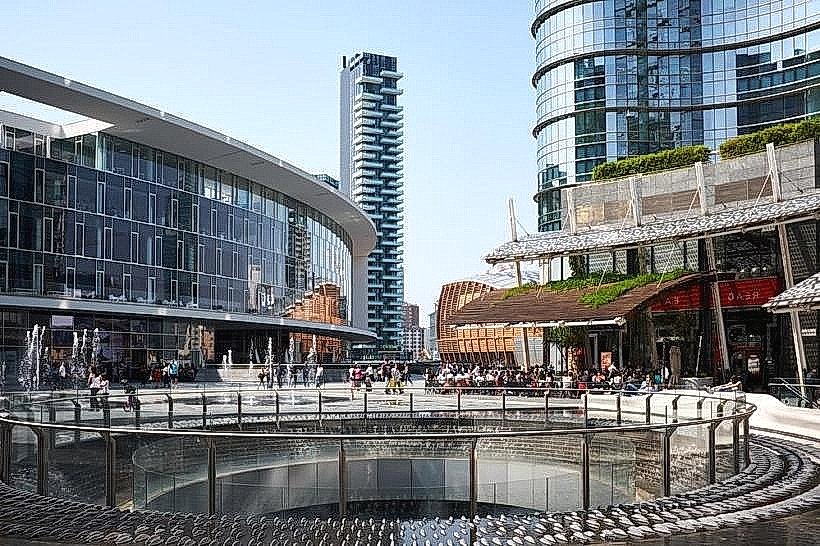
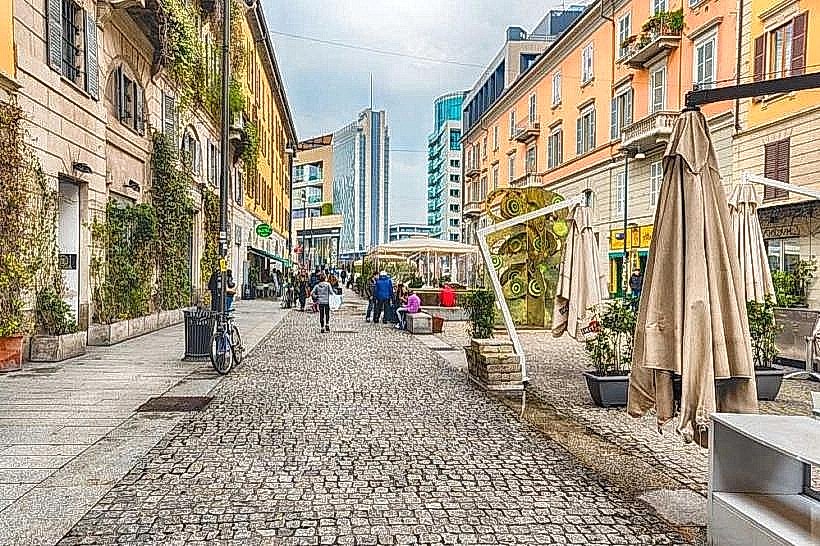
Porta Nuova / CityLife: Contemporary business districts featuring skyscrapers like the Bosco Verticale and the UniCredit Tower.
Top City Landmarks
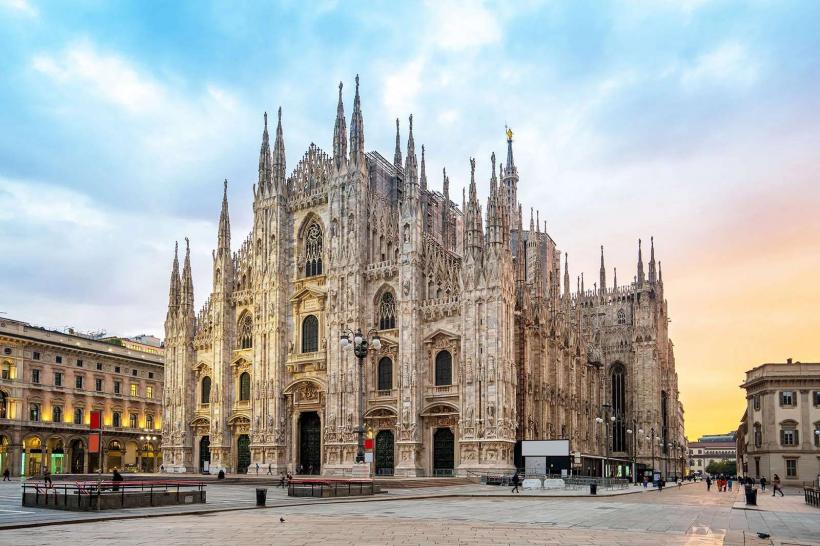
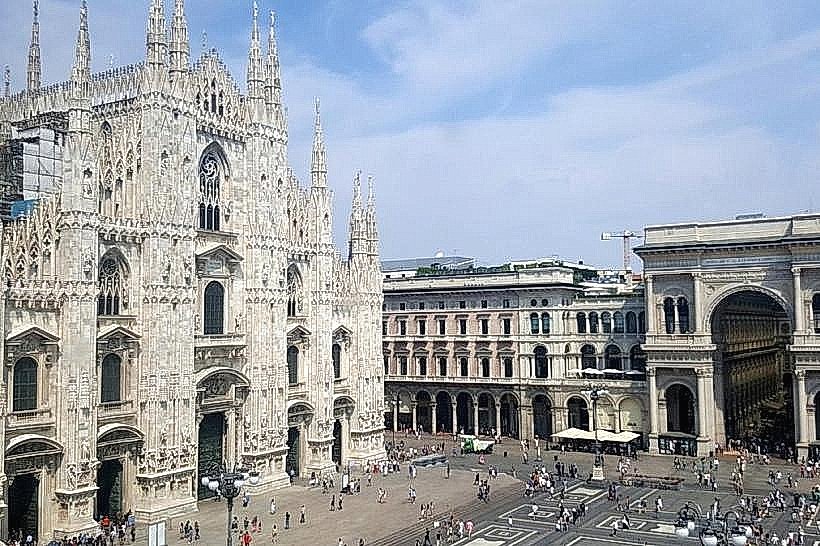
Duomo di Milano: A massive Gothic cathedral with 135 spires; the third-largest church in the world.
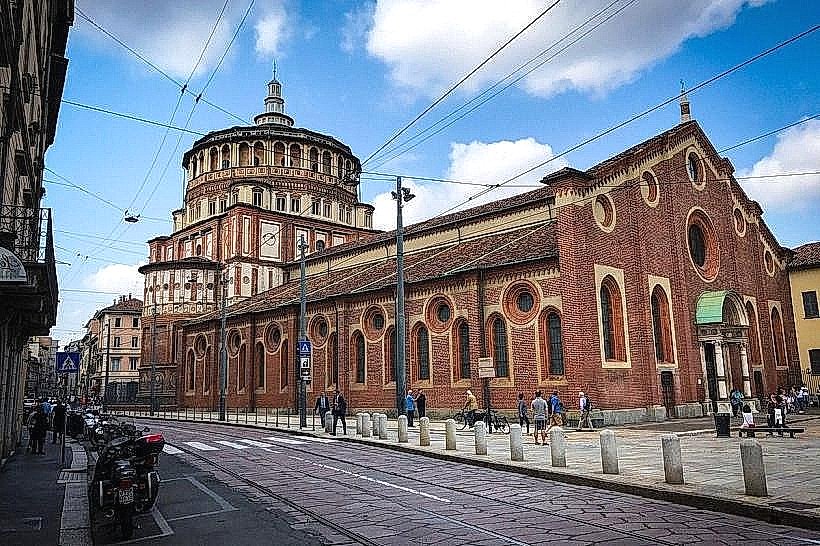
Santa Maria delle Grazie: A UNESCO site housing Leonardo da Vinci’s The Last Supper (Cenacolo Vinciano).
Galleria Vittorio Emanuele II: One of the world's oldest shopping malls, featuring a glass-and-iron dome.
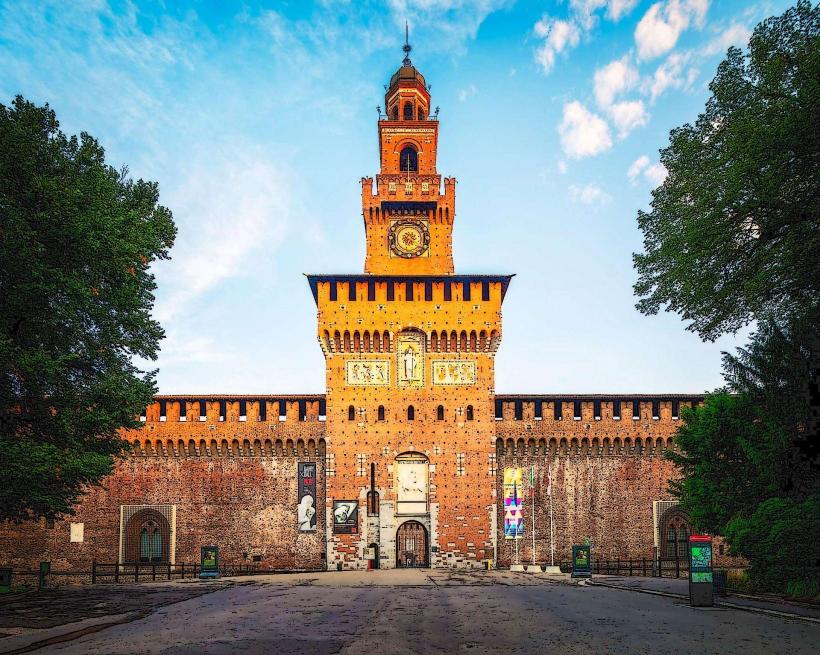
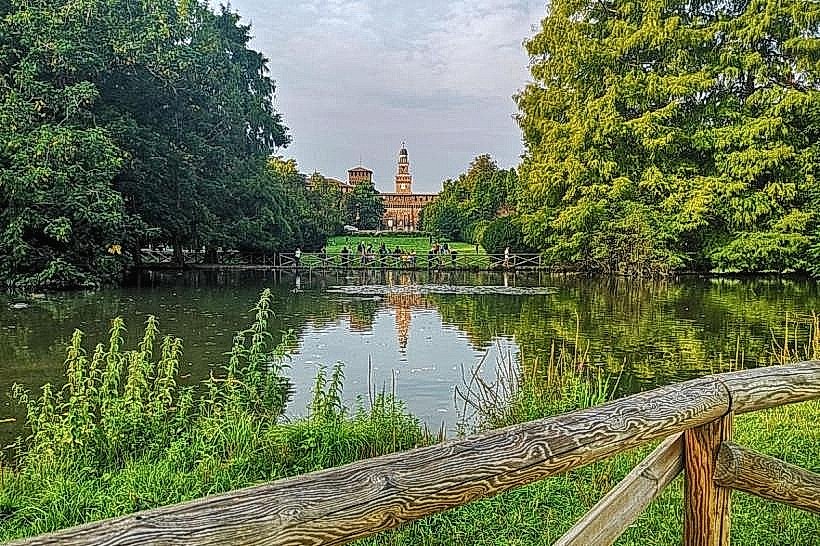
Sforza Castle (Castello Sforzesco): A 15th-century fortress housing several city museums.
Teatro alla Scala: One of the most prestigious opera houses globally.
Transportation Network
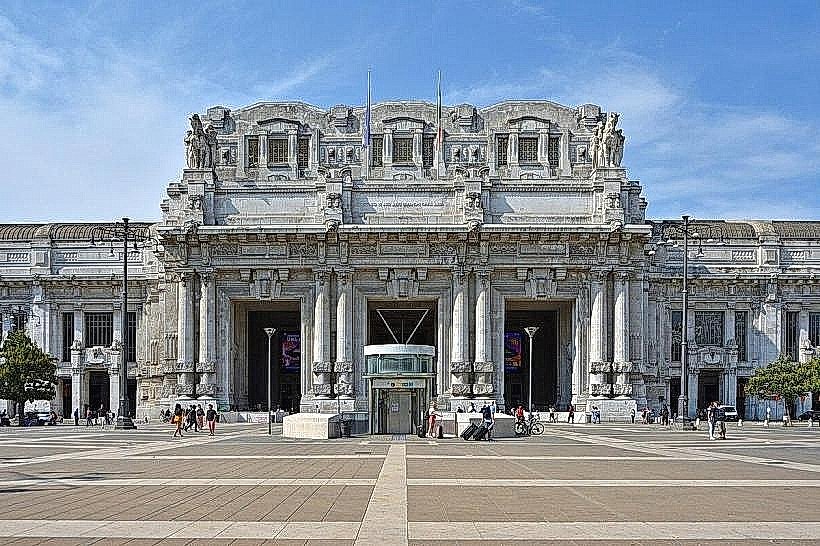
Managed by ATM, the system includes 5 metro lines (M1-M5), an extensive tram network (including heritage 1920s cars), and buses. Taxis are white; the primary apps are Free Now and itTaxi. Much of the center is a low-emission zone (Area C). The Milano Centrale station is Europe’s primary rail gateway.
Safety & "Red Zones"
Milan is safe for business and tourism but has a high rate of petty theft. Pickpocketing is critical at Centrale Station, Duomo, and on Metro Line M1. The Quarto Oggiaro and San Siro (periphery) neighborhoods are considered "red zones" due to higher crime rates. Avoid the Piazza Duca d'Aosta (outside Centrale) late at night.
Digital & Financial Infrastructure
Average fixed broadband speed is 240 Mbps. 5G is universal via TIM, Vodafone, and WindTre. Card acceptance is 100%. The currency is the Euro (€). ATMs are ubiquitous.
Climate & Air Quality
The climate is Humid Subtropical. Summers are hot and humid (19°C to 30°C); winters are cold and foggy (0°C to 7°C). Air quality is frequently poor due to the city’s location in the stagnant Po Valley, often resulting in traffic bans.
Culture & Social Norms
Language: Italian.
Aperitivo: A ritualized pre-dinner drink (18:00–21:00) where drinks are accompanied by a buffet or high-quality snacks.
Tipping: Not required; "Coperto" covers service.
Dress Code: Milanese social standards for attire are the most formal in Italy.
Accommodation Zones
Brera / Centro: Recommended for tourism and proximity to sights.
Porta Garibaldi / Isola: Recommended for business and nightlife.
Navigli: Recommended for younger travelers.
Local Cost Index
1 Espresso (at the bar): €1.20–€1.40
1 Standard Lunch: €20.00–€30.00
1 Single ATM Ticket (90 min): €2.20
Nearby Day Trips
Lake Como (50 km): Reachable in 40 minutes by train.
Bergamo (50 km): A medieval hilltop city.
Charterhouse of Pavia (30 km): A significant Renaissance monastery.
Facts & Legends
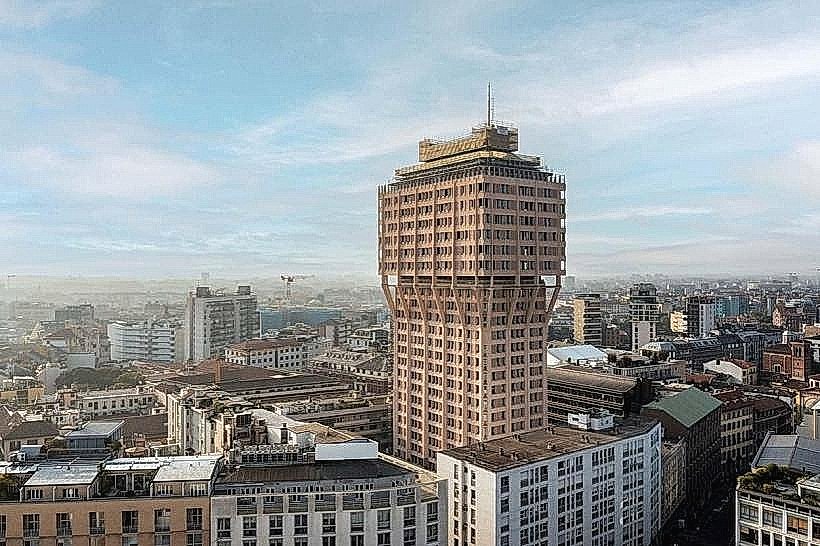
Legend says the "Panettone" (Milanese Christmas cake) was invented by a humble cook named Toni to save a burnt banquet. A verified historical fact: Milan has more skyscrapers than any other Italian city, representing its position as the country's modern economic engine.