Information
Landmark: Quadrilatero della Moda (Fashion District)City: Milan
Country: Italy
Continent: Europe
Quadrilatero della Moda (Fashion District), Milan, Italy, Europe
Quadrilatero della Moda-literally “The Fashion Quadrilateral”-is Milan’s most exclusive shopping and style district, a refined enclave where the world’s luxury fashion houses, historic ateliers, and haute couture boutiques converge. Enclosed by four elegant streets-Via Montenapoleone, Via della Spiga, Via Manzoni, and Corso Venezia-this area forms the beating heart of Italy’s fashion capital, blending timeless Milanese sophistication with contemporary global glamour.
Origins and Evolution
The Quadrilatero’s origins trace back to the 18th and 19th centuries, when Milan’s aristocracy and rising bourgeoisie began transforming these streets into elegant residential and commercial quarters. However, it was during the post-war decades, particularly from the 1950s to the 1980s, that the area truly became the axis of Italian fashion.
The boom of “Made in Italy” craftsmanship-led by designers such as Giorgio Armani, Gianni Versace, Valentino, and Prada-turned the neighborhood into an international showcase of design, luxury, and artisanal excellence. Over time, family-run boutiques evolved into global brands, yet the district preserved its understated Milanese poise: quiet façades concealing opulent interiors.
The Four Streets and Their Character
Each street in the Quadrilatero della Moda has its own tone, architecture, and rhythm, reflecting Milan’s layered sense of style.
Via Montenapoleone
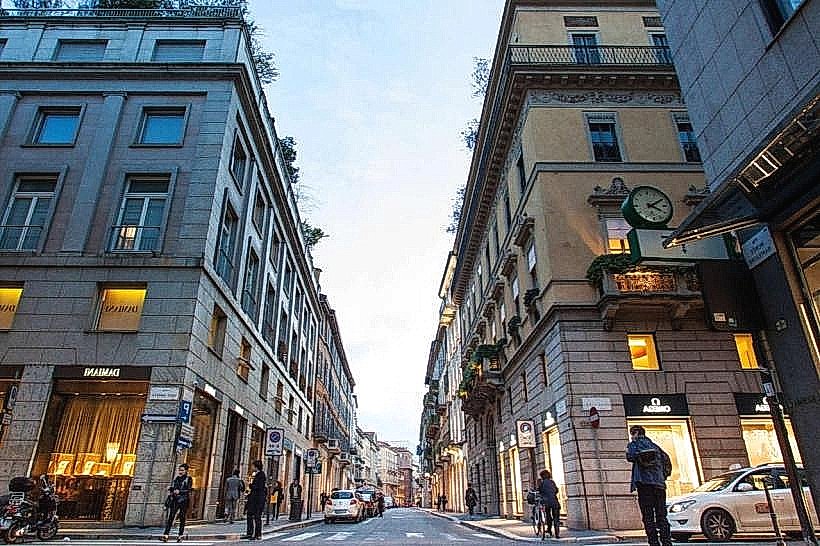
The district’s crown jewel, Via Montenapoleone is synonymous with elegance and prestige. Here stand flagship boutiques for brands like Gucci, Bvlgari, Dolce & Gabbana, Hermès, Cartier, and Louis Vuitton. The street’s architecture-19th-century palazzi with neoclassical lines-creates a dignified stage for sleek window displays. It’s not unusual to see discreet chauffeurs waiting by black cars as Milanese locals glide past in impeccably tailored coats.
Via della Spiga
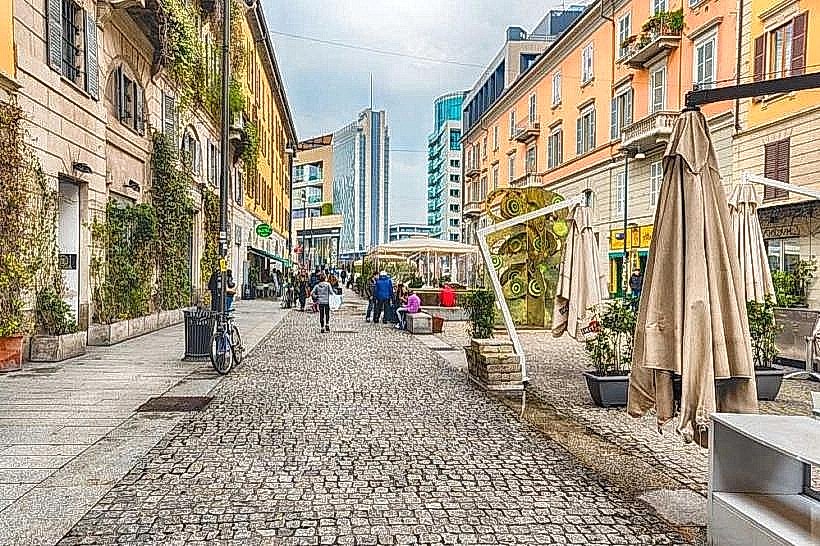
Quieter and more pedestrian-friendly, Via della Spiga exudes a refined intimacy. Paved with cobblestones and lined with magnolia trees, it houses boutiques such as Tods, Hogan, Brunello Cucinelli, and Dolce & Gabbana Alta Moda. The street’s calm elegance contrasts beautifully with the more assertive energy of Montenapoleone. Shoppers here stroll slowly, pausing at hidden courtyards where boutique ateliers display limited collections.
Via Manzoni
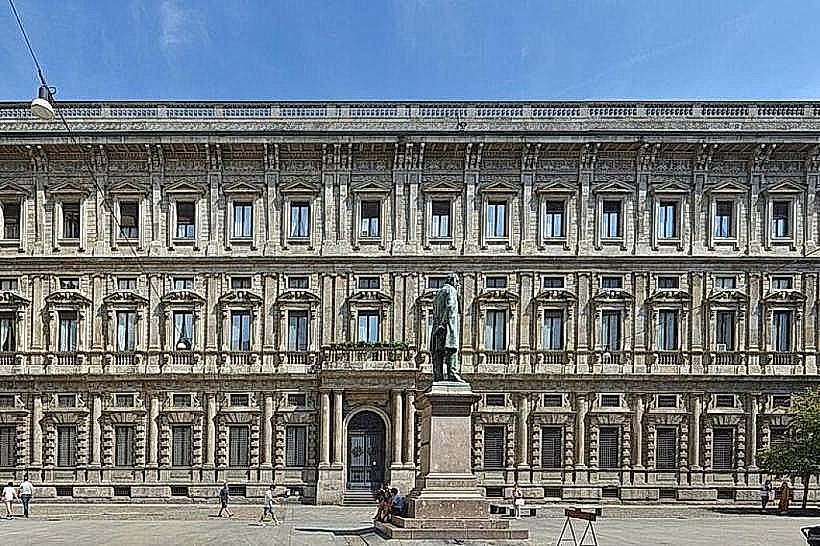
Mixing fashion with culture, Via Manzoni hosts Armani Hotel Milano, Palazzo Morando (a museum dedicated to fashion and costume), and Mazzoleni Gallery, which links art and design. The street bridges old-world charm with Milan’s modern creative pulse-one can see haute couture boutiques beside contemporary art spaces.
Corso Venezia
This stately boulevard connects fashion to architecture and history. Its elegant palaces, such as Palazzo Serbelloni and Palazzo Castiglioni, date from the neoclassical and Liberty eras. Today, Corso Venezia blends luxury showrooms with aristocratic residences, where Milan’s traditional elite still live or work.
Atmosphere and Experience
Walking through the Quadrilatero della Moda feels like stepping into a private world where style dictates tempo. The hum of conversation is soft, doors open silently into marble-floored boutiques, and the air is tinged with the scent of fine leather, polished wood, and perfume. During Milan Fashion Week, the area transforms into a stage for models, editors, and international celebrities, while photographers hover near boutiques hoping to catch an iconic moment.
Cafés like Cova Montenapoleone, founded in 1817, or Marchesi 1824, now under Prada’s ownership, offer timeless respites-espresso served in porcelain cups, reflected in mirrors that have witnessed generations of Milanese elegance.
Even outside the fashion calendar, locals and visitors alike come to admire the craftsmanship displayed in the windows-hand-stitched shoes, silken ties, sculpted handbags-each representing Milan’s perfectionism in design.
Cultural Significance
The Quadrilatero della Moda is more than a shopping area-it’s a symbol of Milanese identity, embodying the city’s balance between discretion and innovation. Unlike Paris or New York, where fashion often announces itself with theatrical flair, Milan’s approach is quieter, rooted in precision, tailoring, and material excellence.
This district also anchors Milan’s global role as a fashion capital. The nearby Fashion Museum at Palazzo Morando, Armani/Silos, and the National Chamber of Italian Fashion (Camera Nazionale della Moda Italiana) reinforce its institutional presence. Every Milan Fashion Week begins here, with designer showrooms and private fittings held behind guarded doors.
Present-Day Landscape
Today, the Quadrilatero continues to evolve with new luxury hotels, concept stores, and sustainable fashion spaces joining the historical maisons. Yet its essence remains unchanged: an elegant maze of cobblestone streets where past and present coexist seamlessly.
By night, the softly lit façades reflect on polished shop windows, creating a quiet theatrical glow. For visitors, even a simple evening stroll becomes a kind of performance-an immersion in Milan’s perpetual dialogue between design, heritage, and refinement.
Legacy
Quadrilatero della Moda stands as the living heart of Milan’s luxury culture-a place where fashion transcends commerce and becomes a form of art. It’s where craftsmanship, architecture, and identity intertwine, embodying the subtle elegance that defines Milan itself: sophisticated, understated, and eternally stylish.