Information
Landmark: Duomo Museum (Museo del Duomo di Milano)City: Milan
Country: Italy
Continent: Europe
Duomo Museum (Museo del Duomo di Milano), Milan, Italy, Europe
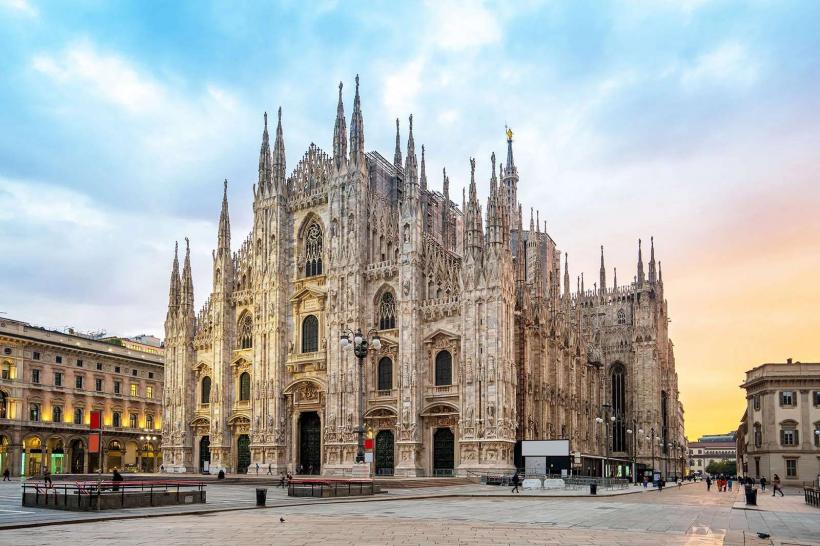
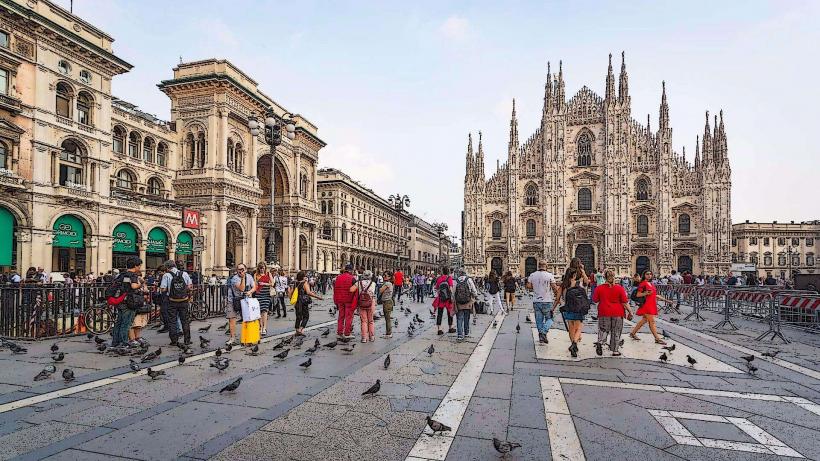
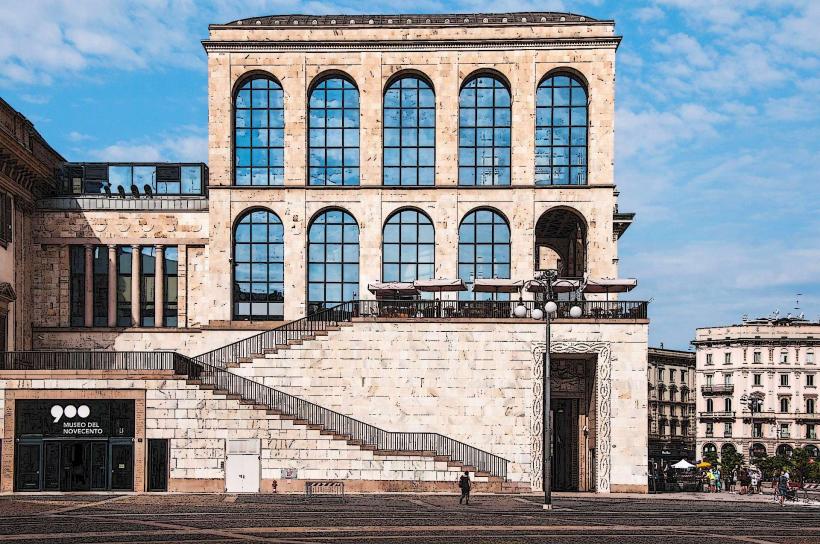
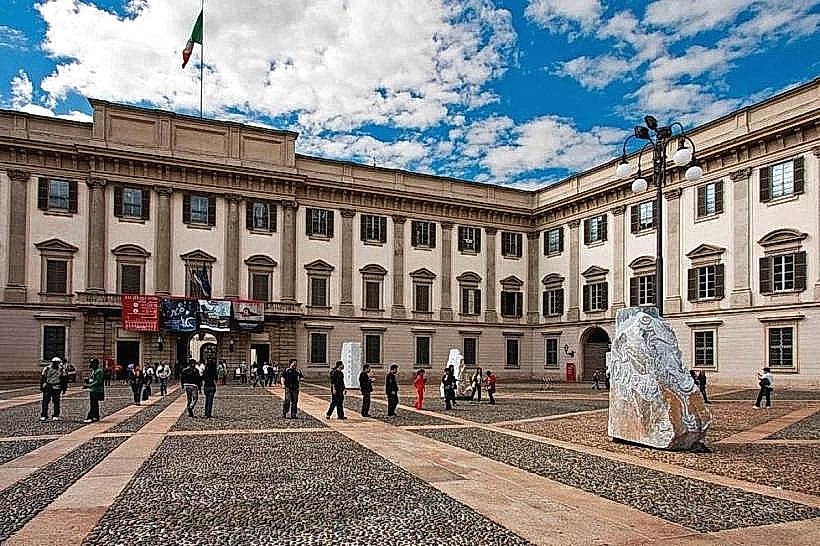
The Duomo Museum (Museo del Duomo di Milano) is the artistic heart of Milan’s cathedral complex-a place where six centuries of faith, craftsmanship, and design are gathered under one roof. Located in the Palazzo Reale complex, just to the right of the Cathedral’s main façade, the museum offers an intimate look at the monumental project that produced the Duomo di Milano, from its medieval foundations to its ongoing restorations.
Stepping inside feels like entering the cathedral’s memory: a quiet, luminous space where the sculptures, stained glass, tools, and drawings that shaped the Duomo are preserved in near-perfect silence.
Origins and Purpose
The museum opened in 1953, following decades of restoration after World War II, and was completely renovated and reopened in 2013 to mark the cathedral’s restoration campaign. It is administered by the Veneranda Fabbrica del Duomo di Milano, the historic institution founded in 1387 to oversee the cathedral’s construction and maintenance.
The purpose of the museum is not simply to display art, but to tell the story of the Duomo’s creation-a story of architecture, devotion, and civic pride spanning more than six centuries. Each room represents a stage in the cathedral’s evolution, allowing visitors to see the immense human effort that went into building and preserving one of Europe’s greatest Gothic masterpieces.
Layout and Atmosphere
The museum occupies a series of galleries and vaulted halls within the Palazzo Reale. The lighting is soft and deliberate, emphasizing the textures of marble and the translucence of stained glass. The route unfolds like a visual narrative, guiding visitors through models, original sculptures, and architectural fragments arranged chronologically and thematically.
The experience feels both reverent and tactile-carved faces, angels, gargoyles, and saints line the path, many of them removed from the cathedral façade for conservation. Each bears traces of centuries of weather, candle soot, and restoration, allowing visitors to see details invisible from the ground.
Highlights of the Collection
1. The Gothic Sculptures
The museum’s opening galleries display an extraordinary collection of Gothic statues, reliefs, and decorative carvings that once adorned the cathedral’s exterior. These include prophets, apostles, and angelic figures, many dating back to the 14th and 15th centuries. The craftsmanship is striking: flowing drapery, serene expressions, and symbolic gestures that reflect both medieval spirituality and early Renaissance humanism.
Among the most remarkable pieces is the original statue of the Archangel Gabriel, once positioned near the cathedral’s highest spire, and several large caryatids and grotesques that capture the inventiveness of Milan’s sculptors.
2. Models and Architectural Drawings
One of the museum’s centerpieces is the large wooden model of the Duomo, built between 1519 and 1522. Carved in precise detail, it served as a working tool for architects, showing how the intricate façade and spires would evolve. This model remains a vital historical reference for understanding how Gothic design adapted to Italian taste.
Visitors can also view ancient architectural drawings, plans, and early blueprints-many of them executed on parchment. These documents reveal the evolution of ideas over centuries and the influence of Northern European styles on Lombard craftsmanship.
3. Stained Glass Masterpieces
The Duomo’s stained glass windows-some of the largest and oldest in Italy-are represented here through restored panels and fragments dating from the 15th to the 19th century. Each depicts vivid biblical scenes in radiant color: episodes from the lives of the saints, the Virgin Mary, and Christ.
Displayed at eye level and backlit, the glass allows visitors to see details normally lost from afar: facial expressions, inscriptions, and the delicate brushstrokes of glass painting. These panels illustrate the evolution of glassmaking techniques from medieval to modern times.
4. The Sculptures of the Madonnina and Spires
The museum also houses an exact replica of the Madonnina, the gilded copper statue that crowns the cathedral’s tallest spire. The original, installed in 1774, remains atop the Duomo, but this full-scale replica allows visitors to admire its intricate folds and serene expression up close.
Nearby, marble models of the flying buttresses and pinnacles demonstrate the complex engineering behind the cathedral’s exterior-a blend of aesthetics and structural innovation that still astonishes modern architects.
5. Treasures of the Treasury (Tesoro del Duomo)
A highlight for many visitors is the Tesoro del Duomo, the cathedral’s treasury, displayed in an adjoining section of the museum. This collection includes liturgical objects, chalices, reliquaries, manuscripts, and vestments, many of them centuries old.
Among the most precious items are:
A crystal cross from the 15th century, set in gilded silver.
The Reliquary of the Holy Nail (Sacra Chiodo), believed to contain one of the nails from Christ’s Crucifixion, venerated each year in a ceremony led by the Archbishop of Milan.
Intricately embroidered vestments and illuminated choir books from the Renaissance and Baroque periods.
Each piece testifies to the Duomo’s dual role as both a place of worship and a center of artistic excellence.
The Archaeological Section
Beneath the museum lies an archaeological area preserving the remains of earlier churches that predate the Duomo-Santa Maria Maggiore and Santa Tecla-which once stood on the same site. Visitors can explore these foundations, where fragments of ancient mosaics, baptismal fonts, and Roman-era stones trace Milan’s sacred history back to the 4th century.
This layer of excavation connects the museum’s narrative directly to the ground on which the Duomo was built, linking Christianity’s early roots in Milan with its Gothic apogee.
The Veneranda Fabbrica del Duomo
Within the museum, a section is dedicated to the Veneranda Fabbrica, the centuries-old organization responsible for the Duomo’s construction and preservation. Exhibits display the tools of stonemasons, carvers, and engineers-chisels, compasses, and wooden templates used since the Middle Ages.
Visitors can see how artisans still work today in the Fabbrica’s marble workshops, carving replacement statues using the same methods and the same Candoglia marble first used in the 14th century. This continuity makes the Duomo not just a monument, but a living project still in motion.
Atmosphere and Visitor Experience
The Duomo Museum offers a quiet refuge from the bustle of Piazza del Duomo. The halls are cool, with polished stone floors and subdued lighting that highlights the sculptures’ textures. Each gallery feels like a pause in the cathedral’s long conversation with history.
Soft Gregorian music often plays in the background, and the air carries the faint scent of marble dust-a subtle reminder that the Duomo’s story is one of eternal craftsmanship. Visitors often linger before the illuminated stained glass or the expressive marble saints, experiencing the same awe their medieval predecessors must have felt when these works were first installed.
Legacy and Meaning
The Museo del Duomo di Milano is more than a museum-it is the cathedral’s soul laid bare. It preserves what time and weather have taken from the building itself and allows visitors to understand the magnitude of what the Duomo represents: not just an architectural triumph, but a continuous act of faith and artistry.
Every statue, window, and fragment on display tells a story of hands that worked over centuries to shape Milan’s defining symbol. Visiting the museum after the cathedral enriches the experience profoundly-it transforms admiration into understanding.
Together, the Duomo and its Museum form a complete narrative of Milan’s spiritual and cultural identity: a dialogue between heaven and stone that still echoes through the city after more than six hundred years.